Dangerous Foods for Dogs
Protect your canine companion by learning which everyday human foods pose serious health risks, from mild upset to life-threatening toxicity.
Dangerous Foods for Dogs: Essential Guide for Pet Owners
Dogs often view human meals as irresistible treats, but many everyday foods can cause severe harm or even death. Understanding these dangers helps prevent accidental poisoning and ensures your pet’s well-being. This guide details the most hazardous items, their effects, and protective measures.
Why Human Foods Harm Dogs
Dogs metabolize food differently from humans due to unique digestive systems and sensitivities. Toxins that humans process safely overwhelm canine organs, leading to issues like organ failure, gastrointestinal distress, or neurological problems. Even small amounts can trigger reactions, varying by dog size, age, and health.
Top Toxic Foods and Their Risks
Below is a comprehensive list of common culprits, organized by category for clarity.
Chocolate, Caffeine, and Stimulants
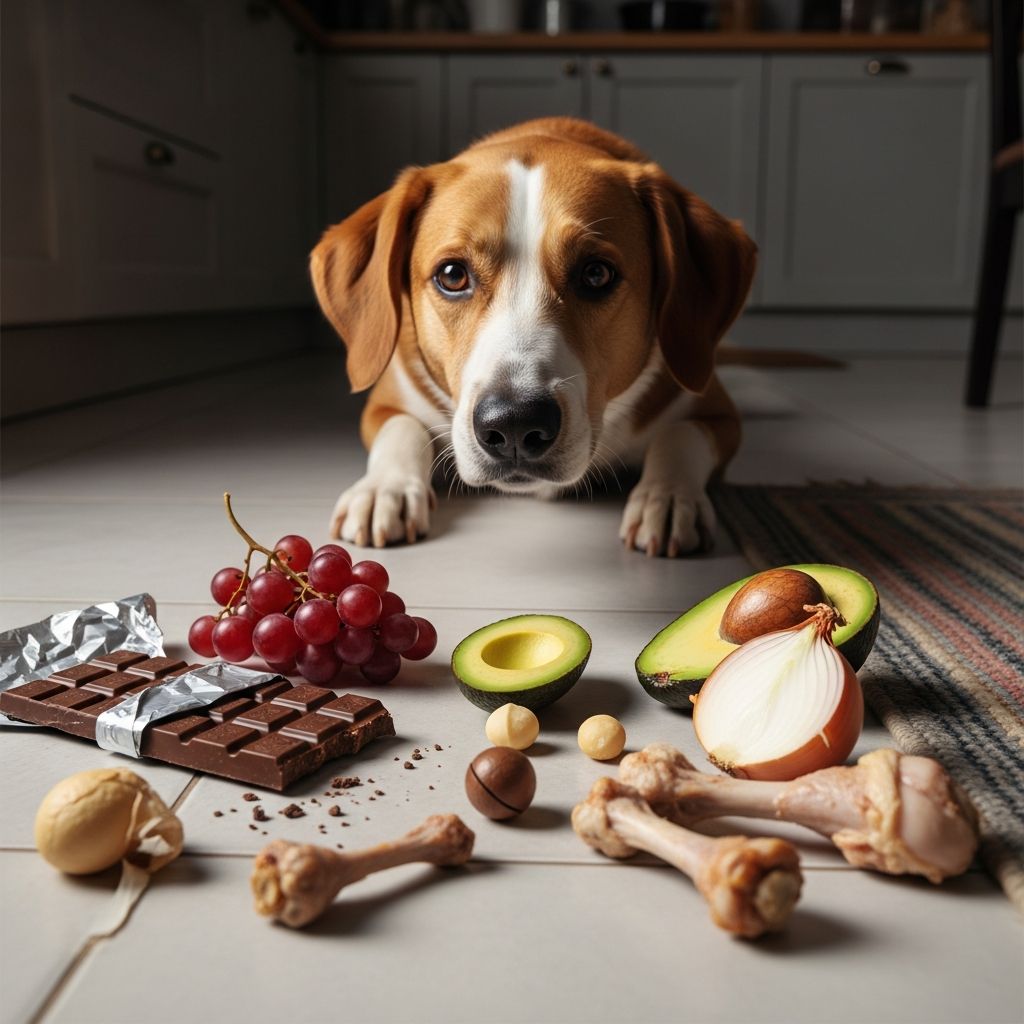
Chocolate contains theobromine, a stimulant dogs cannot break down efficiently, causing elevated heart rates, seizures, and potential death. Dark varieties are most potent. Coffee, tea, and energy drinks with caffeine pose similar threats, leading to restlessness, rapid breathing, and collapse.
- Symptoms: Vomiting, diarrhea, hyperactivity, tremors, irregular heartbeat.
- Treatment: Veterinary care with induced vomiting or medications to control symptoms.
Grapes, Raisins, and Related Fruits
Grapes and raisins can induce acute kidney failure, even in tiny quantities. The exact toxin, possibly tartaric acid, remains unidentified, but effects are swift and severe. Avoid all forms, including in trail mix or baked goods.
- Symptoms: Vomiting, lethargy, reduced urine output, abdominal pain.
- Prevention: Store securely; check labels on human snacks.
Onions, Garlic, and Allium Family
Members of the Allium family damage red blood cells, causing hemolytic anemia. Toxicity builds over time, with raw, cooked, or powdered forms equally risky. Chives and leeks share this danger.
- Symptoms: Weakness, pale gums, rapid breathing, dark urine (delayed 1-5 days).
- Note: Small, repeated exposures accumulate harm.
Symptoms Comparison Table
| Food Type | Onset Time | Key Symptoms | Severity |
|---|---|---|---|
| Chocolate | 6-12 hours | Seizures, heart issues | High |
| Grapes/Raisins | 6-24 hours | Kidney failure signs | Very High |
| Onions/Garlic | 1-5 days | Anemia symptoms | Moderate to High |
Xylitol: The Hidden Sweetener Danger
This sugar alcohol in sugar-free gum, candies, peanut butter, and baked goods spikes insulin, causing hypoglycemia, seizures, and liver failure. Even a single piece can be fatal for small dogs.
- Symptoms: Lethargy, vomiting, loss of coordination, coma.
- Tip: Always read labels; opt for xylitol-free products.
Nuts and High-Fat Foods
Macadamia nuts disrupt muscles and nerves, causing weakness and fever. Other nuts like almonds or walnuts lead to pancreatitis from excess fat. Avoid all nuts and fatty scraps.
- Symptoms: Vomiting, tremors, swollen limbs, digestive upset.
- Risk: Pancreatitis can become chronic.
Avocados and Persin Risks
Persin in leaves, skin, pit, and flesh causes vomiting and diarrhea. High fat content risks pancreatitis; pits pose choking or obstruction hazards.
- Symptoms: Fluid accumulation in chest, respiratory distress (rare).
- Safe Alternative: None; keep entire fruit away.
Alcohol and Fermented Products
Even small amounts cause intoxication, hypothermia, and respiratory failure. Beer, wine, liquor, and raw dough (fermenting yeast produces alcohol) are threats.
- Symptoms: Staggering, disorientation, slowed breathing, low blood sugar.
- Emergency: Rapid veterinary intervention needed.
Fruits with Pits, Seeds, and Stems
Stone fruits like peaches, cherries, plums contain cyanide in pits, releasing poison when chewed. Stems and leaves add toxicity; flesh alone risks choking.
- Symptoms: Dilated pupils, difficulty breathing, shock.
- Prevention: Remove pits before disposal.
Dairy and Lactose Issues
Most adult dogs lack lactase, leading to gas, diarrhea, and pain from milk, cheese, ice cream. Some products hide xylitol or chocolate.
- Symptoms: Bloating, loose stools, discomfort.
- Alternative: Lactose-free dog treats.
Other Hazards: Bones, Corn, Yeast Dough
Cooked bones splinter, risking perforations. Corn cobs cause blockages. Rising yeast dough expands in stomachs, causing bloat or alcohol poisoning.
- Symptoms: Obstruction pain, rupture risk, intoxication.
- Avoid: Raw meat/eggs for salmonella concerns.
Recognizing and Responding to Poisoning
Watch for vomiting, diarrhea, seizures, lethargy, or unusual thirst. Act fast: Note ingested item/amount/time, contact vet or poison hotline (e.g., ASPCA at 888-426-4435). Do not induce vomiting without guidance, as it can worsen some cases.
Prevention Strategies for a Safe Home
- Counter Discipline: Train “leave it” and keep surfaces clear.
- Secure Trash: Use dog-proof bins.
- Label Check: Scan ingredients for hidden toxins.
- Guest Awareness: Inform visitors about no-sharing rule.
- Dog-Only Zone: During meals.
FAQs: Common Questions on Dog Food Safety
Can dogs have small amounts of toxic foods?
No—toxicity thresholds vary; safer to avoid entirely.
What if my dog ate something suspicious?
Call vet immediately; provide details for best advice.
Are there safe human foods for dogs?
Yes: plain cooked veggies like carrots, apples (no seeds), peanut butter (xylitol-free).
How do I train my dog to avoid food?
Use positive reinforcement for ignoring dropped items.
Is baby food safe?
Check for onion/garlic powder; otherwise, plain varieties ok in moderation.
Building a Toxin-Free Environment
Beyond food, watch plants (lilies, sago palm), meds, cleaners. Regular vet checkups and pet insurance aid long-term health. Educate family for collective vigilance.
By staying informed, you safeguard your dog’s joyful, healthy life. Prevention trumps cure every time.
References
- People Foods to Avoid Feeding Your Pets — ASPCA. 2023. https://www.aspca.org/pet-care/aspca-poison-control/people-foods-avoid-feeding-your-pets
- Potentially Dangerous Items for Your Pet — U.S. Food and Drug Administration (FDA). 2023. https://www.fda.gov/animal-veterinary/animal-health-literacy/potentially-dangerous-items-your-pet
- Toxic food for dogs — Battersea Dogs & Cats Home. 2023. https://www.battersea.org.uk/pet-advice/dog-care-advice/toxic-food-dogs
- 16 Things NOT to Feed Your Dog — ASPCA Pet Health Insurance. 2023. https://www.aspcapetinsurance.com/resources/what-foods-can-dogs-not-eat/
Similar Articles





Read full bio of medha deb