

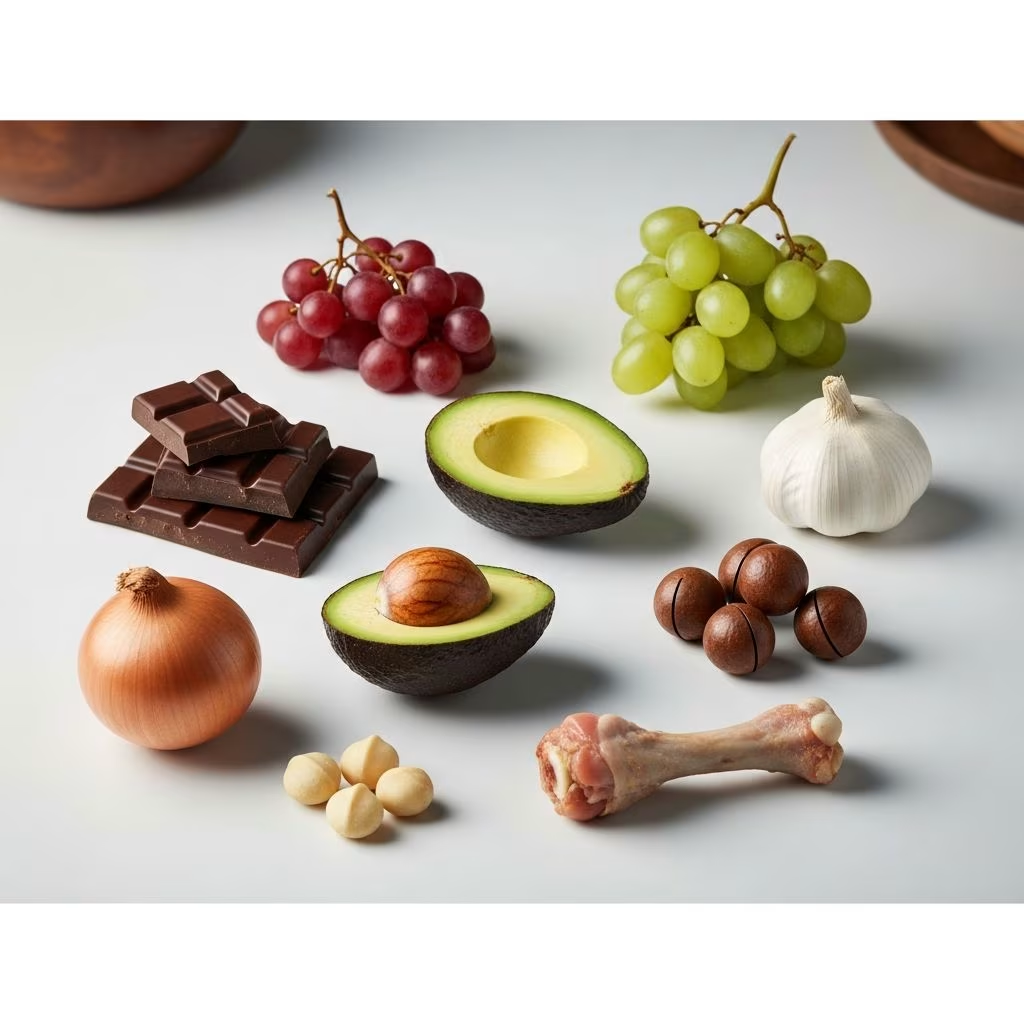
Pet owners often share their meals with their beloved dogs, but many common human foods can cause serious harm to canine health. Dogs have different digestive systems than humans, making them vulnerable to substances that are perfectly safe for us. Understanding which foods present dangers to your dog is essential for responsible pet ownership and can prevent emergency veterinary visits or worse.
Understanding Canine Toxicity and Food Safety
A dog’s metabolism processes foods differently than a human’s. Certain compounds that humans can safely consume may accumulate to toxic levels in a dog’s body or trigger severe physiological reactions. The severity of poisoning depends on multiple factors, including the type of substance, the amount consumed, and the dog’s size, age, and overall health status. Some foods cause immediate symptoms, while others may develop problems over time or with repeated exposure.
When a dog ingests a potentially toxic substance, symptoms can appear within minutes or take several hours to manifest. Common warning signs include vomiting, diarrhea, lethargy, loss of appetite, abdominal pain, excessive drooling, difficulty breathing, and behavioral changes. In severe cases, dogs may experience seizures, organ failure, or loss of consciousness. If you suspect your dog has consumed something toxic, contact your veterinarian immediately or call an emergency animal poison control center.
Chocolate, Coffee, and Caffeine-Containing Products
Chocolate is one of the most recognizable toxic foods for dogs, and many pet owners know to keep it away from their pets. However, understanding why chocolate is dangerous helps illustrate how toxic compounds affect canine health. Chocolate contains two stimulants: theobromine and caffeine. These compounds can cause stomach upset in small doses, but larger amounts can lead to serious complications including heart arrhythmias, tremors, seizures, and even death.
The concentration of these toxins varies significantly by chocolate type. Dark chocolate and baking chocolate contain the highest levels of theobromine and pose the greatest danger to dogs. Milk chocolate contains moderate levels, while white chocolate has minimal theobromine but is high in fat and sugar. A dog’s size matters enormously—a 10-pound dog faces greater risk from a small amount of chocolate than a 60-pound dog consuming the same quantity.
Beyond chocolate, dogs should avoid all caffeine sources, including coffee, caffeinated tea, energy drinks, and some soft drinks. These beverages contain caffeine that affects the nervous system and cardiovascular function in dogs. Coffee grounds and tea leaves are particularly concentrated sources of caffeine and pose significant risks.
Fruits and Vegetables with Hidden Dangers
While many fruits and vegetables are nutritious for dogs, several common varieties contain toxic compounds that can damage organs or cause gastrointestinal distress.
Grapes, Raisins, and Currants
Grapes and raisins are among the most dangerous fruits for dogs, causing acute kidney damage in some animals. The exact toxic component remains under investigation, though tartaric acid is suspected. Even small quantities can trigger severe reactions, and individual sensitivity varies—some dogs may tolerate small amounts while others suffer organ damage from minimal exposure. Symptoms include vomiting, diarrhea, lethargy, and decreased appetite, which may lead to kidney failure within days if untreated.
Avocados
Avocados contain a compound called persin, which accumulates in the fruit’s skin, leaves, and pit. This toxin can damage the heart and other vital organs. Additionally, avocados are extremely high in fat, which can trigger pancreatitis—an inflammatory condition of the pancreas that causes severe abdominal pain and potentially life-threatening complications. The avocado pit presents additional hazards, as it can lodge in the intestines and cause blockages requiring surgical intervention.
Stone Fruits and Seeds
Cherries, peaches, plums, and apricots contain cyanogenic compounds in their seeds and pits. While the flesh of these fruits in small quantities may not cause problems, the seeds are toxic and can cause poisoning. Additionally, the pits present choking hazards and can cause intestinal obstruction. It is safest to avoid these fruits entirely or remove all seeds and pits before offering small amounts to dogs.
Sweeteners and Baked Goods
Xylitol in Sugar-Free Products
Xylitol, an artificial sweetener, represents one of the most dangerous substances found in household products. Commonly used in sugar-free gum, candy, and baked goods, xylitol causes a rapid drop in blood glucose levels in dogs. This sudden hypoglycemia can lead to weakness, seizures, and even death within hours of ingestion. Additionally, xylitol causes liver damage and failure in dogs, even in relatively small quantities.
Pet owners must carefully read ingredient labels on sugar-free products, as xylitol appears in unexpected places—not just candy and gum, but also peanut butter, yogurt, and medications. Always verify that any human foods or supplements are xylitol-free before offering them to your dog.
Traditional Baked Goods
Beyond xylitol concerns, many baked goods pose risks due to high sugar and fat content, which can trigger pancreatitis and gastrointestinal upset. Additionally, some baked goods may contain macadamia nuts, raisins, or chocolate, adding layers of danger. Even apparently simple items like cookies and pastries can contain multiple toxic ingredients.
Yeast-Containing and Raw Dough Products
Raw bread dough and yeast present dual dangers to dogs. First, the dough expands in the stomach and can cause painful bloating or a life-threatening condition called gastric dilatation-volvulus (GDV), where the stomach twists and cuts off blood supply. This medical emergency requires immediate surgical intervention.
Second, as yeast ferments in the dog’s digestive tract, it produces ethanol (alcohol), leading to intoxication and alcohol poisoning. This fermentation process occurs regardless of whether the bread is swallowed in small pieces or larger chunks. Dogs exposed to raw dough may exhibit disorientation, loss of coordination, difficulty breathing, and severe neurological symptoms. Even small amounts of raw dough require emergency veterinary care.
Allium Vegetables: Onions, Garlic, and Related Plants
Members of the Allium family—including onions, garlic, chives, and leeks—contain compounds that damage red blood cells in dogs and cats. These substances cause hemolytic anemia, a condition where red blood cells are destroyed faster than the body can replace them. Symptoms include pale gums, lethargy, weakness, and dark-colored urine.
The toxicity is dose-dependent, meaning larger amounts cause more severe reactions. Raw onions and garlic are more toxic than cooked varieties, but cooking does not eliminate the danger entirely. Pet owners should avoid all forms of these vegetables, including powdered garlic and onion seasonings.
Nuts and Fatty Foods
Macadamia Nuts
Macadamia nuts are among the most toxic foods for dogs, causing specific neurological effects not seen with other nuts. Dogs ingesting macadamia nuts experience vomiting, increased body temperature, weakness, inability to walk, and tremors. The exact toxic compound remains unidentified, but the effects can be severe and require veterinary treatment.
Black Walnuts
Black walnuts contain juglone, a toxic compound that causes gastrointestinal upset, tremors, and neurological problems in dogs. English walnuts and other common nut varieties are high in fat, which can trigger pancreatitis and digestive issues, particularly in certain breeds predisposed to pancreatic inflammation.
General Fat Concerns
Beyond specific nut toxins, high-fat foods including bacon, ribs, fatty cuts of meat, fried chicken, and fatty table scraps pose significant dangers. These foods trigger pancreatitis, a painful and potentially fatal inflammation of the pancreas. Certain breeds, such as Miniature Schnauzers and Yorkshire Terriers, show increased susceptibility to this condition.
Dairy Products and Lactose Intolerance
Many dogs lack the enzyme lactase, which breaks down lactose in milk and dairy products. This means that milk, cheese, ice cream, and other dairy foods can cause gastrointestinal upset including vomiting and diarrhea. Additionally, most dairy products are high in fat, increasing the risk of pancreatitis. While some dogs tolerate small amounts of dairy, it is safer to avoid these foods entirely or select low-fat, lactose-reduced options under veterinary guidance.
Other Hazardous Foods and Substances
Alcohol
All alcoholic beverages and alcohol-containing products are toxic to dogs. Alcohol affects the nervous system and digestive tract, causing intoxication, loss of coordination, difficulty breathing, tremors, and seizures. Even small amounts can be dangerous for small dogs.
Salt and Salty Foods
Excessive salt consumption causes dehydration and sodium ion poisoning in dogs. Symptoms include vomiting, diarrhea, tremors, elevated body temperature, and seizures. Avoid giving dogs potato chips, pretzels, cured meats, and overly salted processed foods.
Raw and Undercooked Meat
Raw and undercooked meat can contain harmful bacteria including Salmonella and E. coli, which affect dogs as well as humans. Additionally, bones in raw meat can splinter and perforate the digestive tract, potentially causing fatal abdominal infections. Poultry bones are particularly dangerous due to their tendency to splinter.
Spicy Foods
Foods seasoned with hot spices can cause vomiting, diarrhea, stomach ulcers, and gastrointestinal irritation in dogs. The capsaicin in peppers and spicy seasonings irritates the digestive tract and can lead to painful inflammation.
Corn on the Cob
While corn kernels are generally safe for dogs, corn cobs present serious choking and intestinal blockage hazards. The cob is difficult to digest and can lodge in the intestines, requiring surgical removal.
Spoiled and Moldy Foods
Spoiled foods and moldy items contain bacteria and mycotoxins that cause gastrointestinal upset, neurological problems, and organ damage in dogs. Never allow dogs to scavenge in garbage or consume food that has begun to spoil.
Recognizing Poisoning Symptoms and Emergency Response
Immediate recognition of poisoning symptoms allows for rapid veterinary intervention, which can mean the difference between recovery and serious complications. Common signs include vomiting, diarrhea, abdominal pain or distension, lethargy, loss of appetite, excessive drooling, difficulty breathing, tremors, seizures, disorientation, and behavioral changes.
If you suspect your dog has ingested a toxic substance, contact your veterinarian or emergency animal poison control immediately. Have information ready about what was consumed, the quantity, and when ingestion occurred. Do not attempt to induce vomiting without professional guidance, as this can sometimes cause additional harm.
Prevention Strategies for Pet Safety
The most effective approach to preventing food poisoning is prevention through careful household management. Store toxic foods in secure locations away from curious dogs. Be mindful during holidays and celebrations when toxic foods are more accessible. Educate family members and guests about which foods are dangerous. When hosting gatherings, keep chocolates, alcohol, grapes, and other toxic items securely stored. Provide dog-safe treats instead of allowing dogs to sample human food.
Read ingredient labels carefully, especially on sugar-free products. Discuss your dog’s diet with your veterinarian to understand which human foods are safe for occasional treats versus those that should be completely avoided.
Safe Human Foods for Dog Treats
While many human foods are dangerous, numerous options are safe for dogs. Cooked chicken, turkey, beef, and salmon provide lean protein. Plain cooked rice, oatmeal, and pasta offer carbohydrates. Safe vegetables include carrots, green beans, sweet potatoes, pumpkin, broccoli, and zucchini. Dogs can also enjoy xylitol-free peanut butter, plain yogurt, cottage cheese, and cooked eggs. Always introduce new foods gradually and in moderation, watching for any signs of digestive upset.
References
- What Can Dogs Not Eat? 14 Toxic Foods for Dogs — Chewy Education. 2024. https://www.chewy.com/education/dog/food-and-nutrition/what-can-dogs-not-eat
- People Food Dogs Can Eat and Can’t Eat — American Kennel Club. 2024. https://www.akc.org/expert-advice/nutrition/human-foods-dogs-can-and-cant-eat/
- What Can Dogs NOT Eat? — PetMD. 2024. https://www.petmd.com/dog/nutrition/what-can-dogs-not-eat
- People Foods to Avoid Feeding Your Pets — ASPCA Animal Poison Control Center. 2024. https://www.aspca.org/pet-care/aspca-poison-control/people-foods-avoid-feeding-your-pets
- 16 Things NOT to Feed Your Dog — ASPCA Pet Health Insurance. 2024. https://www.aspcapetinsurance.com/resources/what-foods-can-dogs-not-eat/



