

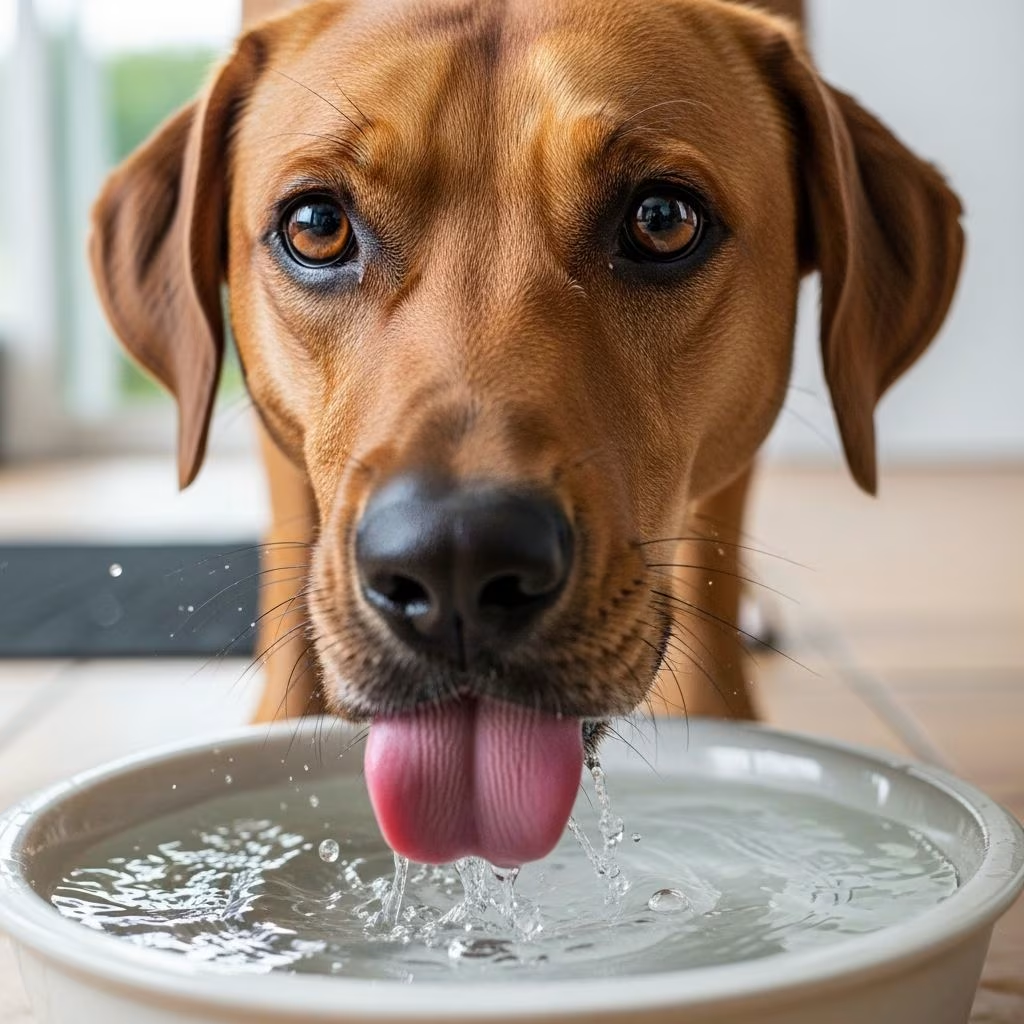
Water intoxication, also known as hyponatremia, is a rare but potentially fatal condition that occurs when dogs ingest excessive amounts of water in a short period, diluting critical electrolytes like sodium in their bloodstream. This imbalance causes cells, particularly in the brain, to swell, leading to severe neurological symptoms and possibly death if untreated. Commonly affecting active water-loving dogs during play, this condition demands immediate awareness from pet owners to prevent tragedy.
What is water intoxication?
Water intoxication happens when a dog drinks too much water too quickly, overwhelming the kidneys’ ability to excrete the excess and causing dilutional hyponatremia—a dangerously low sodium level in the blood. Sodium is essential for maintaining fluid balance in cells; when diluted, water rushes into cells, causing them to swell. Brain cells are especially vulnerable, as swelling (cerebral edema) can lead to irreversible damage or coma. This is distinct from dehydration or heatstroke, though both can coincide in hot weather activities.
Risk factors include prolonged play in water sources like pools, rivers, or sprinklers, where dogs gulp water while chasing toys or swimming. Small breeds or puppies are more susceptible due to their lower body mass, but any enthusiastic retriever or water dog can be affected. Early recognition is key, as symptoms escalate rapidly.
What causes water intoxication in dogs?
The primary cause is rapid overconsumption of water, often during intense play sessions where dogs become thirsty and drink excessively without breaks. For instance, dogs repeatedly fetching balls in water may swallow mouthfuls alongside play, accumulating dangerous volumes. Hot weather exacerbates this, as thirst drives frantic drinking.
Other contributors include:
- Impaired kidney function, reducing water excretion capacity.
- Forced overdrinking in rare training scenarios, though uncommon in pets.
- Combination with low-sodium activities, like prolonged swimming without electrolyte replenishment.
A case example: A 4-year-old Border Collie named Journey developed symptoms after excessive river drinking, showing neurologic dysfunction and hypersalivation. Such incidents highlight how quickly imbalance occurs when intake exceeds excretion.
Symptoms of water intoxication in dogs
Symptoms appear within 1-2 hours of excessive intake and progress from mild gastrointestinal issues to severe neurological crises. Early signs include:
- Nausea, vomiting, or excessive salivation.
- Lethargy, weakness, or bloating from abdominal distention.
As hyponatremia worsens, neurological symptoms emerge:
- Loss of coordination, staggering, or disorientation.
- Dilated pupils, glazed eyes, or abnormal mentation.
- Muscle tremors, diarrhea, or passing large volumes of clear urine.
Severe stages are life-threatening:
- Difficulty breathing, collapse, seizures, or coma.
Progression is swift; a dog like Journey exhibited facial twitching and vomiting shortly after play. Owners should monitor closely during water activities, especially in rough waters or heat.
Treatment for water intoxication
Veterinary intervention is urgent, focusing on gradual sodium restoration without causing rebound issues like osmotic demyelination. Treatment varies by severity:
- Mild cases: Fluid restriction and monitoring electrolytes, urine output, and osmolality.
- Moderate: IV fluids with controlled sodium (e.g., Phylyte bolus), anti-nausea meds like Cerenia or Ondansetron.
- Severe: Electrolyte solutions, diuretics for brain swelling, seizure control, and supportive care.
Journey received a 300ml Phylyte bolus, Cerenia for nausea, and maintenance fluids, stabilizing her quickly. Blood tests guide therapy to avoid rapid sodium shifts. Prognosis is good with early treatment but poor if seizures or coma occur.
Preventing water intoxication
Prevention centers on supervised play and hydration management:
- Limit water play sessions to 10-15 minutes with breaks on dry land.
- Provide fresh water bowls instead of refilling immediately post-play; wait until rested.
- Watch for thirst after rough water or heat; discourage gulping.
- Use toys that minimize water swallowing, like floating discs over balls.
- For working dogs, schedule electrolyte checks in prolonged sessions.
A table of prevention strategies:
| Risk Scenario | Prevention Tip |
|---|---|
| Pool/Sprinkler Play | Short bursts, frequent breaks |
| River/Lake Swimming | Monitor intake, rest periods |
| Hot Weather | Shade, controlled drinking |
| Post-Exercise | Delay bowl refills |
These steps reduce risk significantly.
Risk factors for water intoxication
Certain dogs face higher risks:
- Breeds: Retrievers, Labs, water spaniels—enthusiastic swimmers.
- Size/Age: Small dogs/puppies need less water for imbalance.
- Health: Kidney issues or medications impairing excretion.
- Environment: Hot days, fast-moving water increasing swallowing.
Awareness of these allows tailored supervision.
When to call the vet
Seek immediate care for any symptoms post-water play: vomiting, lethargy, staggering, or worse. Even mild signs warrant a call; describe activity, timeline, and progression. Emergency vets can triage via phone. Delay risks fatality.
FAQs
Can all dogs get water intoxication?
Yes, but water-loving, active breeds in prolonged play are most at risk. Size matters—smaller dogs succumb faster.
How much water is too much?
No fixed amount; depends on size, speed, and health. Symptoms signal excess—act on them.
Is salt water different?
Salt water causes hypernatremia (opposite issue), but fresh water intoxication is dilutional hyponatremia.
Can it happen at home?
Rarely from bowls, but possible with flipped large dispensers or compulsive drinking.
What’s the prognosis?
Excellent if treated early; severe cases with seizures may not recover.
References
- What is water intoxication in dogs and how can I prevent it? — Vets Now. 2023-06-15. https://www.vets-now.com/pet-care-advice/water-intoxication-in-dogs/
- Water Intoxication — Iowa Veterinary Specialties. 2022-01-01. https://www.iowaveterinaryspecialties.com/student-scholars/water-intoxication
- Water Intoxication in Dogs — Centennial Animal Hospital. 2018-07-01. https://www.centennialanimalhospital.com/resources/blog/july-2018/water-intoxication-in-dogs
- Understanding Water Intoxication in Pets — Animal Emergency & Referral Center. 2023-01-01. https://aercmn.com/understanding-water-intoxication-in-pets/
- Salt Water Poisoning in Dogs: Urgent Signs & What to Do — GSVS. 2024-05-20. https://gsvs.org/blog/salt-water-poisoning-dogs-emergency/
- What is water intoxication in dogs, and why is it dangerous? — PDSA. 2023-08-10. https://www.pdsa.org.uk/what-we-do/blog/what-is-water-intoxication-in-dogs-and-why-is-it-dangerous
- Water Intoxication — Veterinary Poisons Information Service. 2019-08-01. https://www.vpisglobal.com/2019/08/01/water-intoxication/



