

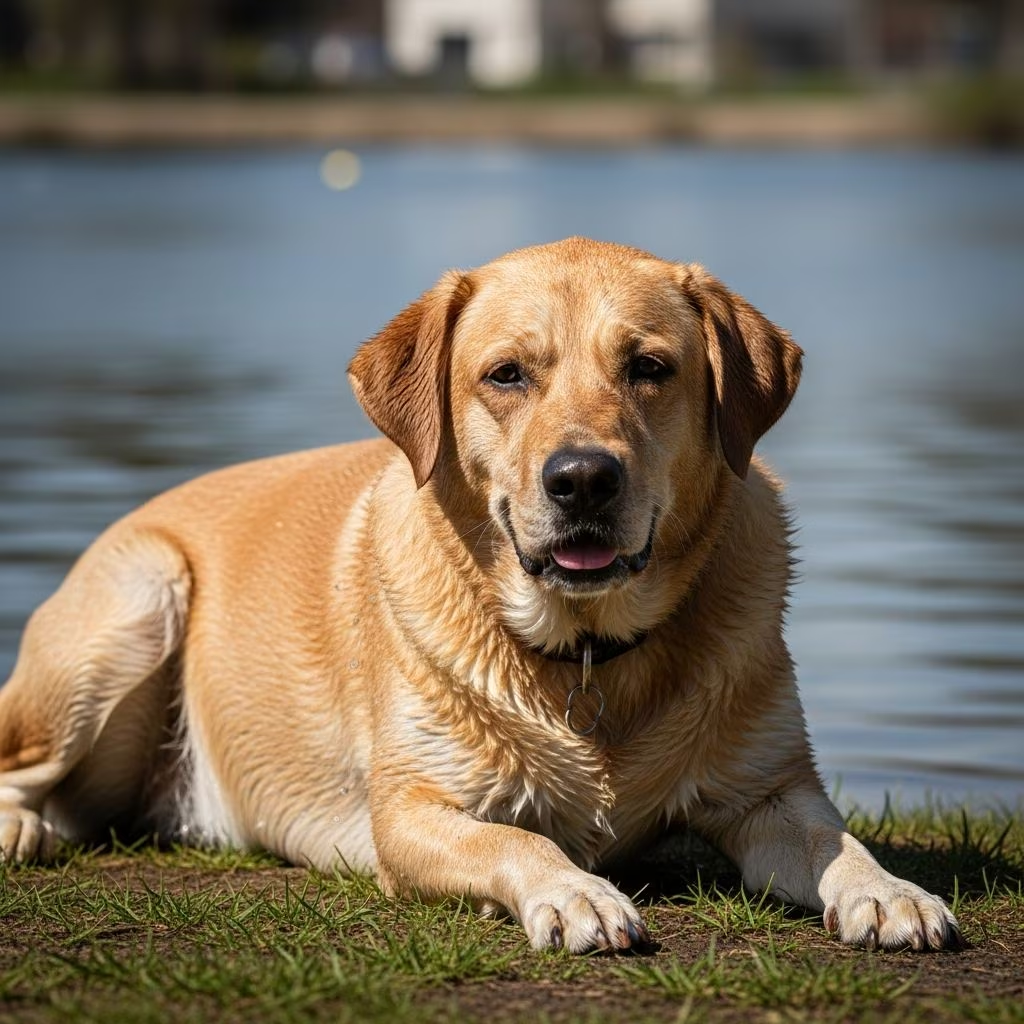
Water intoxication, also known as water poisoning or hyponatremia, poses a serious threat to dogs, particularly during hot weather or intense play sessions near water. This condition arises when dogs ingest excessive amounts of water too quickly, diluting critical electrolytes like sodium in their bloodstream. The result can be cellular swelling, especially in the brain, leading to severe neurological issues and potentially death if not addressed promptly.
While rare, water intoxication strikes swiftly, often catching owners off guard during fun activities like fetching balls in pools or swimming in lakes. Small breeds and puppies face higher risks due to their smaller body mass, but any dog can succumb. Awareness of this hazard is crucial for pet owners to ensure safe play and recognize early warning signs.
What is Water Intoxication?
Water intoxication occurs when a dog consumes water faster than their kidneys can excrete it, leading to a dangerous drop in blood sodium levels known as hyponatremia. Sodium maintains fluid balance in cells; when diluted, water rushes into cells, causing them to swell. Brain cells are particularly vulnerable, resulting in pressure buildup that impairs neurological function.
This imbalance disrupts the body’s osmolality—the concentration of solutes in blood. Normally, kidneys regulate this by filtering excess water, but overwhelming intake exceeds their capacity, especially if the dog has underlying conditions impairing excretion. In severe cases, swollen cells lead to cerebral edema, seizures, coma, or fatality.
Causes of Water Intoxication in Dogs
Several scenarios commonly trigger water intoxication:
- Prolonged water play: Dogs chasing toys in pools, sprinklers, or lakes swallow large volumes while panting and playing.
- Hot weather thirst: During heatwaves, dogs drink excessively from bowls, hoses, or natural sources to quench thirst.
- Encouraged drinking: Owners refilling bowls immediately after exercise or using water rewards in training.
- Small breed vulnerability: Puppies and toy breeds reach toxic levels quicker due to lower body weight.
- Underlying health issues: Kidney problems or medications affecting water excretion heighten risk.
A real-world example involves a 4-year-old Border Collie named Journey, who developed symptoms after drinking大量 river water during play, highlighting how quickly it can onset even in active, healthy dogs.
Symptoms of Water Intoxication
Early detection is vital as symptoms escalate rapidly, often within 1-2 hours. Initial signs mimic fatigue but progress to life-threatening stages:
- Mild/early: Bloating, nausea, lethargy, excessive thirst, vomiting, diarrhea, glazed eyes, dilated pupils, drooling.
- Moderate: Weakness, loss of coordination, staggering, restlessness, muscle cramps, passing large volumes of clear urine.
- Severe: Difficulty breathing, collapse, seizures, tremors, disorientation, coma.
Owners report dogs appearing ‘off’—unsteady on feet, hypersalivating, or twitching facially—much like Journey’s case with vomiting water, sand, and abnormal mentation. Progression speed underscores urgency: seek vet care at first suspicion.
How is Water Intoxication Diagnosed?
Vets diagnose via clinical history and tests. Key steps include:
- Reviewing recent activities (water play, intake volume).
- Blood tests measuring sodium, electrolytes, osmolality.
- Urinalysis for concentration/dilution.
- Neurological exam for brain involvement.
Hyponatremia confirmation (sodium <135 mmol/L) guides treatment. Mild cases may resolve with monitoring, but severe ones require intervention.
Treatment for Water Intoxication in Dogs
Treatment focuses on gradual electrolyte restoration without causing rebound issues like osmotic demyelination. Protocols vary by severity:
- Mild cases: Fluid restriction, monitoring electrolytes, anti-nausea meds like Cerenia (maropitant).
- Moderate/severe: IV fluids with sodium (e.g., Phylyte bolus), diuretics for brain swelling, seizure control meds.
- Supportive care: Ondansetron for vomiting, oxygen if breathing impaired.
In Journey’s treatment, a 300ml Phylyte bolus over 15 minutes stabilized her, followed by maintenance fluids and anti-emetics, leading to recovery. Rapid vet access improves outcomes, though severe neurological damage may persist. Avoid rapid sodium correction to prevent brain dehydration.
Preventing Water Intoxication
Prevention is straightforward with vigilant habits:
- Limit water play sessions to 10-15 minutes with breaks.
- Monitor intake; don’t refill bowls immediately post-exercise.
- Provide shade, fresh water sparingly during heat.
- Supervise puppies/small dogs closely.
- Avoid forcing water during training rewards.
On rough water days or after intense activity, rest dogs before rehydration. These steps avert most cases.
When to See a Vet
Err on caution: contact vet immediately for any symptoms post-water exposure—vomiting, lethargy, unsteadiness. Delays prove fatal. Emergency signs (seizures, collapse) demand 24/7 clinic visit. Provide history: activity, water amount, symptom timeline.
Prognosis for Water Intoxication
Early intervention yields good prognosis; most dogs recover fully. Delayed treatment with brain involvement risks permanent damage or death. Size, speed of intake, health status influence outcomes.
Frequently Asked Questions (FAQs)
Q: How much water is too much for a dog?
A: No exact amount; depends on size/activity. Small dogs risk at 1-2% body weight rapidly. Monitor behavior over volume.
Q: Can water intoxication happen from drinking bowls?
A: Yes, especially post-exercise if gulped excessively.
Q: Is salt water different?
A: Yes, causes hypernatremia (opposite issue). Both dangerous.
Q: How fast do symptoms appear?
A: 30 minutes to 2 hours typically.
Q: Can puppies get it?
A: Highly susceptible due to size/kidney immaturity.
Final Thoughts on Keeping Dogs Safe
Water intoxication underscores balancing fun with safety. Supervise play, heed early signs, act swiftly. Informed owners prevent tragedy, ensuring joyful swims.
References
- What is water intoxication in dogs and how can I prevent it? — Vets Now. 2023-05-15. https://www.vets-now.com/pet-care-advice/water-intoxication-in-dogs/
- Water Intoxication — Iowa Veterinary Specialties. 2022-06-01. https://www.iowaveterinaryspecialties.com/student-scholars/water-intoxication
- Water Intoxication in Dogs — Centennial Animal Hospital. 2018-07-01. https://www.centennialanimalhospital.com/resources/blog/july-2018/water-intoxication-in-dogs
- Understanding Water Intoxication in Pets — Animal Emergency & Referral Center. 2023-01-10. https://aercmn.com/understanding-water-intoxication-in-pets/
- Salt Water Poisoning in Dogs: Urgent Signs & What to Do — GSVS. 2024-03-20. https://gsvs.org/blog/salt-water-poisoning-dogs-emergency/
- What is water intoxication in dogs, and why is it dangerous? — PDSA. 2023-08-12. https://www.pdsa.org.uk/what-we-do/blog/what-is-water-intoxication-in-dogs-and-why-is-it-dangerous
- Water Intoxication — Veterinary Poisons Information Service. 2019-08-01. https://www.vpisglobal.com/2019/08/01/water-intoxication/



