

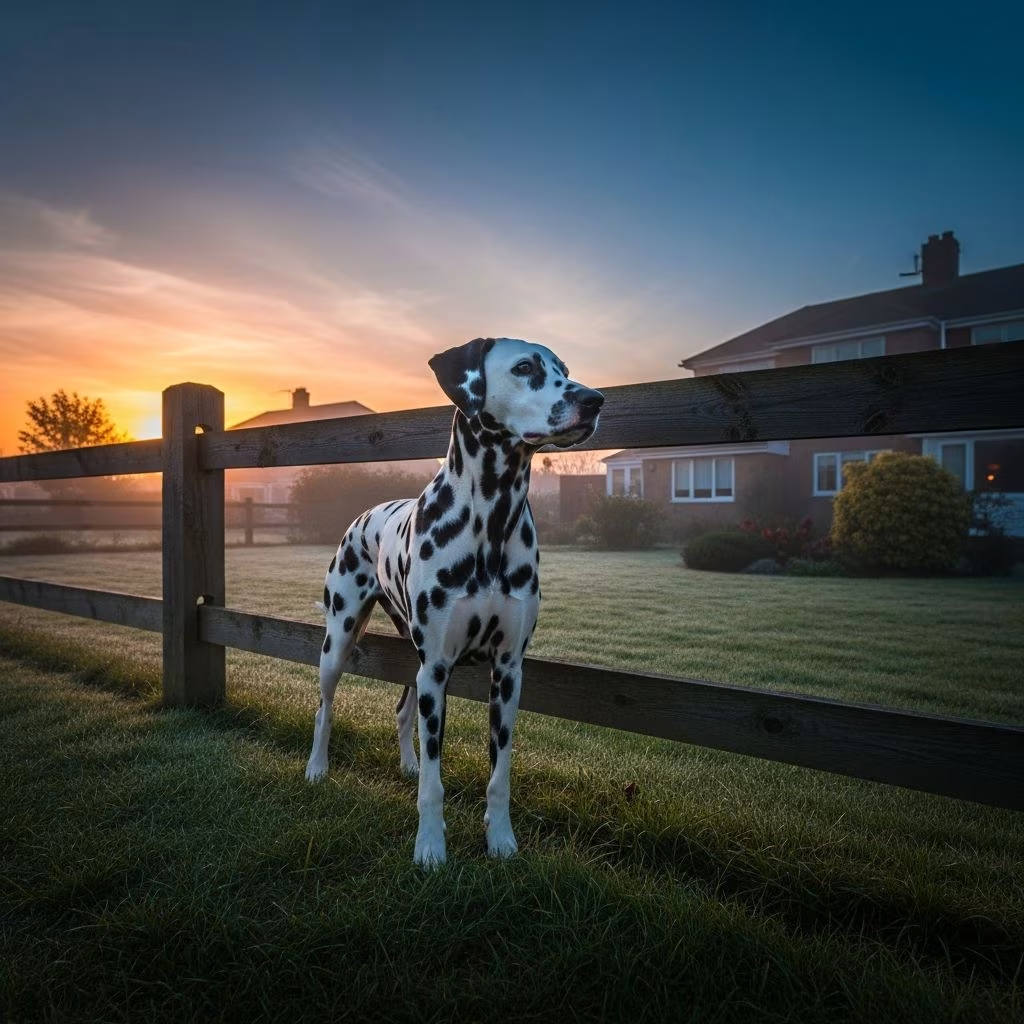
Dalmatians possess natural watchdog qualities rooted in their carriage dog heritage, making them excellent at alerting to intruders through barking, but their friendly temperament limits them as true guard dogs capable of physical deterrence.
Historical Roots of Dalmatian Protection Instincts
The Dalmatian breed emerged as a versatile working dog, particularly noted for guarding horse-drawn carriages and firehouses. Originating possibly from the Dalmatia region, these dogs ran alongside vehicles, warding off threats to passengers and property. Their role involved staying alert during long journeys, barking at approaching dangers, and even confronting bandits or stray animals. This background instilled a vigilant nature that persists today.
Unlike modern specialized guard breeds like German Shepherds or Rottweilers, Dalmatians focused on endurance and companionship rather than aggression. Firefighters valued them for protecting equipment from theft while horses rested. This history explains their innate tendency to patrol perimeters and sound alarms without escalating to bites unless provoked.
Temperament Analysis: Alert but Affectionate
Dalmatians are outgoing, friendly dogs with a reserved demeanor toward strangers, positioning them as reliable watchdogs rather than aggressive protectors. They typically bark to notify owners of unusual activity, such as door knocks or perimeter breaches, but rarely show unprovoked hostility.
- Watchdog Excellence: Dalmatians excel at detection, with keen senses for noises and movements, making them quick to alert families.
- Family Loyalty: Deeply bonded to owners, they prioritize human safety but extend friendliness to familiar visitors.
- Stranger Response: Often aloof or disinterested in unknowns, they create a psychological deterrent through presence and vocalization.
Experts note that poor breeding can lead to instability, but well-bred Dalmatians maintain stable, non-aggressive temperaments. Their \”velcro\” attachment to family enhances home vigilance, as they shadow owners and monitor surroundings.
Physical Attributes Supporting Security Roles
Standing 19-24 inches tall and weighing 45-70 pounds, Dalmatians boast an athletic build ideal for patrolling large properties. Their stamina supports hours of activity, from yard runs to overnight watches, echoing their carriage days.
| Attribute | Guard Dog Benefit | Comparison to Top Guards |
|---|---|---|
| Size & Build | Muscular, agile for chasing intruders | Smaller than Mastiffs, less intimidating |
| Endurance | High; runs miles without fatigue | Matches Shepherds, exceeds hounds |
| Barking Volume | Loud, persistent alerts | Effective like Boxers, less deep-toned |
| Speed | Fast sprinter for pursuit | Superior to Bulldogs, trails Greyhounds |
Spotted coats provide camouflage in varied terrains, and their bold presence discourages casual trespassers. However, lacking the bulk of breeds like Dobermans, they deter more through noise and speed than sheer force.
Training Dalmatians for Enhanced Protection
Intelligent and quick learners, Dalmatians respond well to consistent training, amplifying their natural guarding traits. Start socialization early to build confidence around strangers, preventing fear-based reactions.
- Basic Obedience: Teach commands like \”stay,\” \”heel,\” and \”bark on cue\” to control responses.
- Perimeter Patrols: Use leashed walks to encourage scanning behaviors, rewarding alerts.
- Desensitization: Expose to noises, visitors, and scenarios to refine discrimination between threats and normals.
- Advanced Skills: Some thrive in rally, agility, or scent work, channeling energy into security tasks.
Motivate with toys or food, as they lack intense drive but gain focus through play. Professional trainers recommend positive reinforcement to avoid stubborn streaks from boredom. Avoid punishment, as sensitive Dalmatians may withdraw or develop anxiety.
Limitations: Why Not Ideal Guard Dogs
Despite strengths, Dalmatians’ playful, loving core hinders dedicated guarding. Their friendliness often leads to tail-wagging greetings for intruders post-alert, lacking the intimidation of territorial breeds.
- Low Aggression: Bred for endurance over combat, they seldom bite without extreme provocation.
- High Energy Needs: Require 1-2 hours daily exercise; understimulated dogs become destructive, not focused protectors.
- Child Interactions: Boisterous energy suits older kids but overwhelms toddlers if unsupervised.
- Health Factors: Prone to deafness (up to 30% in some lines) and urinary issues, potentially impairing duties.
For apartments or low-activity homes, their vocal nature may annoy neighbors without providing proportional security.
Real-World Performance and Owner Experiences
Owners report Dalmatians as top alert systems, with many citing effective deterrence via barking alone. One handler notes their dogs create \”ruckus\” at doors but remain trustworthy with guests. In rural settings, their running ability secures farms effectively.
Versatility shines in sports like dock diving and obedience, building discipline transferable to guarding. However, urban dwellers find their exercise demands challenging, sometimes leading to escaped patrols.
Comparing Dalmatians to Premier Guard Breeds
| Breed | Alerting | Deterrence | Trainability | Family Fit |
|---|---|---|---|---|
| Dalmatian | Excellent | Moderate | Good | High |
| German Shepherd | Excellent | High | Excellent | Good |
| Rottweiler | Good | Very High | Good | Moderate |
| Boxer | Good | Moderate | Good | High |
Dalmatians match in alerting but lag in physical stopping power, suiting alert-focused roles best.
Health and Care for Guard-Ready Dalmatians
Maintain peak condition with balanced diets low in purines to prevent stones, regular vet checks for hearing, and joint supplements for active lifestyles. Weekly grooming manages shedding, keeping them presentable sentinels.
Are Dalmatians Right for Your Protection Needs?
Ideal for active families seeking a vocal, loyal companion with watchdog bonuses, Dalmatians shine in homes valuing alerts over confrontation. Pair with alarms or fences for comprehensive security.
Frequently Asked Questions
Can Dalmatians be trained to attack?
Possible but discouraged; their temperament favors alerts over aggression, risking instability.
Are Dalmatians good with children in guard roles?
Yes, if socialized, but supervise due to energy.
How much exercise do guard Dalmatians need?
At least 60-90 minutes daily, plus mental games.
Do Dalmatians protect property when alone?
They bark effectively but may not engage physically.
What’s the best age to train for guarding?
Start at 8-12 weeks with basics.
References
- Dalmatian | Characteristics, Temperament, Size & Lifespan — Britannica. 2023. https://www.britannica.com/animal/Dalmatian-dog
- The Dalmatian Guide: History, Personality, Care, and More — The Farmer’s Dog. 2023. https://www.thefarmersdog.com/digest/dalmatian-guide-history-personality-care/
- The Truth About Dalmatians — Bedlam Dalmatians. 2023. https://www.bedlamdalmatians.ca/dog-blog/the-truth-about-dalmatians
- Dalmatian Dog Breed — Hill’s Pet. 2023. https://www.hillspet.com/dog-care/dog-breeds/dalmatian
- Dalmatian | Breed Standards — The Royal Kennel Club. 2023. https://www.royalkennelclub.com/breed-standards/utility/dalmatian/
- Dalmatian Dog Breed Information — Purina UK. 2023. https://www.purina.co.uk/find-a-pet/dog-breeds/dalmatian
- Dalmatian Dog Breed Information — American Kennel Club. 2023. https://www.akc.org/dog-breeds/dalmatian/



