

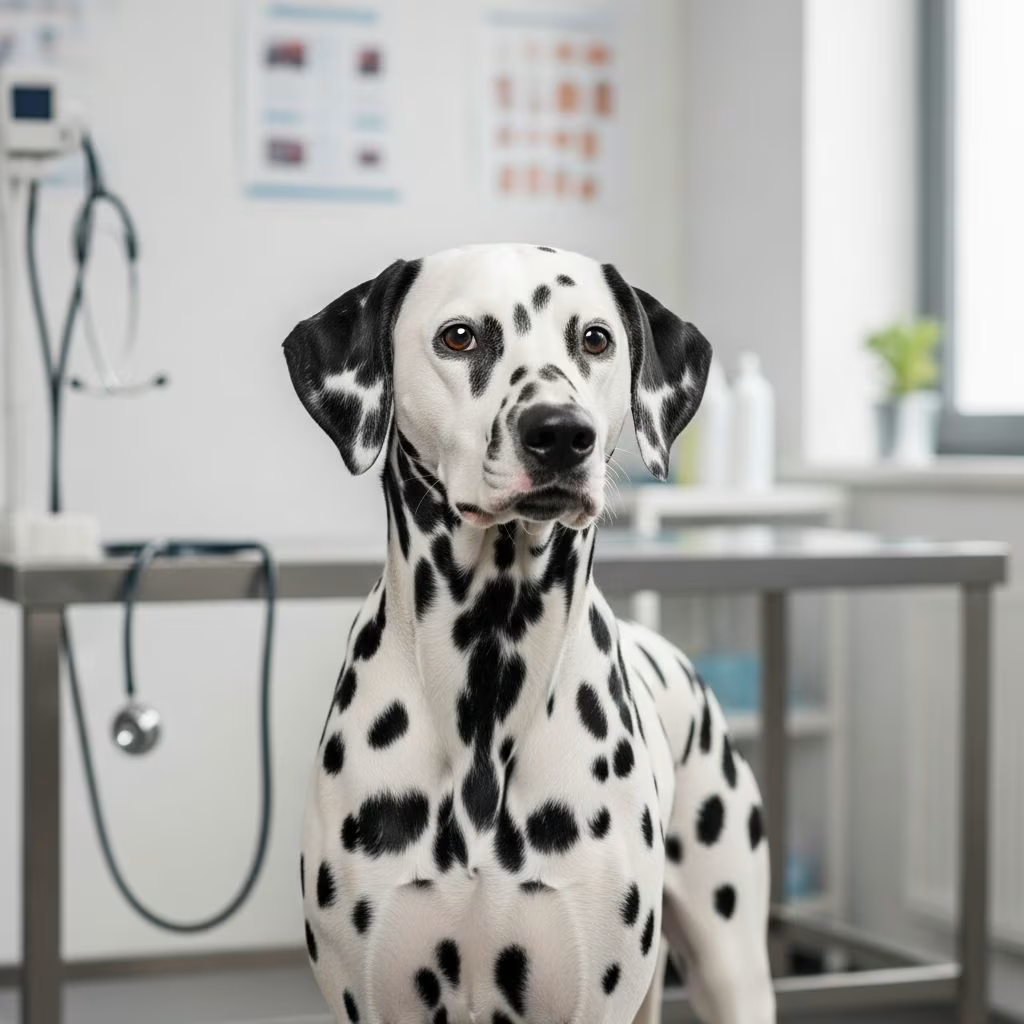
Dalmatians, with their striking spotted coats and energetic personalities, capture the hearts of dog lovers worldwide. However, these distinctive canines face particular health vulnerabilities that prospective and current owners should understand. Unlike random health issues that affect all dogs equally, Dalmatians inherit certain genetic predispositions that require informed management and proactive veterinary care. Understanding these conditions enables owners to make better decisions about breeding, purchasing, and caring for this beloved breed.
The Connection Between Appearance and Health Vulnerabilities
The very genes responsible for the Dalmatian’s iconic spotted pattern also contribute to several health concerns. The genetic mechanisms that create their distinctive appearance involve melanin distribution patterns, and these same processes affect other body systems, particularly the auditory and urinary systems. This intrinsic link between phenotype and health vulnerability makes Dalmatian ownership a responsibility that extends beyond typical dog care practices.
The presence of certain genetic variations means that some health conditions appear far more frequently in Dalmatians than in other breeds. Recognizing these patterns allows owners to prioritize screening, implement preventative strategies, and recognize early warning signs before conditions become severe.
Hereditary Deafness: The Most Prevalent Concern
Hearing loss represents the most common health challenge affecting Dalmatians from birth. Research from the Dalmatian Club of America Foundation indicates that between 15% and 30% of the breed experiences partial or complete hearing impairment, with approximately 5% born completely deaf in both ears. This condition stems from the same genetic factors that produce their spotted coat pattern, specifically involving melanin-producing cells critical for inner ear development.
The hereditary nature of this condition means it cannot be reversed through treatment or management; however, deaf or partially deaf Dalmatians can live fulfilling lives with appropriate adaptations. Owners of deaf dogs benefit from training modified communication signals, using vibration-based alerts, and maintaining careful supervision during outdoor activities where the dog cannot hear approaching hazards.
Importantly, this inherited deafness differs from age-related hearing loss that may occur in any dog later in life. Young Dalmatians with congenital deafness represent a genetic expression rather than a progressive decline.
Urinary Stone Formation: A Metabolic Vulnerability
Perhaps the most medically significant breed-specific condition affecting Dalmatians involves crystalline formations in the urinary system. Dalmatians possess a genetic mutation that disrupts normal uric acid metabolism, causing their kidneys to excrete abnormally high levels of uric acid into the urine. This biochemical anomaly predisposes them to developing urate or uric acid stones, which can obstruct the urinary tract and create life-threatening emergencies.
These stones present distinctive clinical signs that owners should recognize immediately. Affected dogs may exhibit difficulty urinating, produce only small amounts of urine, experience urinary dribbling, or begin eliminating inappropriately within the home. Male Dalmatians face particular risk because their narrower urethra increases obstruction potential compared to females.
Veterinary diagnosis typically involves urine analysis, X-ray imaging, ultrasound examination, or DNA testing to confirm urate stone formation. Once identified, affected dogs usually require surgical intervention to remove existing stones. Following surgical treatment, lifelong dietary management becomes essential. Veterinarians typically prescribe specially formulated, low-purine diets that reduce uric acid production and excretion, significantly decreasing recurrence risk.
The condition itself, known as hyperuricemia, cannot be cured but responds well to appropriate dietary intervention. Some veterinarians also recommend air-dried bladder supplements to support urinary tract health.
Dermatological Manifestations and Skin Sensitivity
Dalmatians frequently develop skin conditions affecting their distinctive spotted coats. Allergic dermatitis and atopic conditions occur more commonly in this breed than in the general dog population, manifesting as itching, inflammation, redness, and secondary infections from excessive scratching.
A particularly unique condition exclusively affecting Dalmatians is bronzing syndrome, sometimes colloquially termed “Dal Crud” by enthusiasts. This inherited skin disorder presents as bronze or pink-colored discoloration running along the dog’s back, accompanied by patchy hair loss and inflammation of hair follicles. Unlike temporary skin reactions, this condition typically requires long-term management rather than complete resolution.
Managing these dermatological issues involves multiple approaches. Hypoallergenic or medicated shampoos formulated for sensitive skin help reduce irritation and inflammation. Dietary supplements, particularly those containing omega-3 fatty acids and other compounds supporting skin health, offer additional support. Environmental management—such as reducing exposure to known allergens and maintaining appropriate humidity levels—complements medical interventions.
Regular veterinary examinations allow early detection of skin infections that may develop secondary to scratching or underlying inflammation. Prompt treatment of secondary bacterial or yeast infections prevents these complications from becoming severe.
Joint and Skeletal Concerns
Hip dysplasia, a developmental orthopedic condition where the hip joint fails to develop normally, affects Dalmatians more frequently than smaller breeds, though less commonly than giant breeds like German Shepherds. In this condition, the femoral head does not fit properly within the hip socket, causing chronic inflammation, cartilage degradation, and progressive pain with movement.
Notably, rapid growth during puppyhood can exacerbate hip dysplasia development in susceptible individuals. Nutritional excess that promotes overly fast growth rates appears to increase hip dysplasia risk compared to controlled growth patterns. Feeding large-breed puppy formulas specifically designed to moderate growth rate offers protective benefits.
Preventative strategies for joint health include consistent but moderate exercise appropriate to the dog’s developmental stage, avoiding high-impact activities until growth plates close at approximately 12-18 months, and maintaining appropriate weight to reduce joint stress throughout life. Veterinarians may recommend joint-supporting supplements containing glucosamine, chondroitin, or other compounds after examining individual dogs.
Cardiac Complications
Dilated cardiomyopathy (DCM), a serious condition where the heart muscle becomes enlarged, thin, and weak, affects Dalmatians at higher rates than the general dog population. This life-threatening condition reduces the heart’s pumping efficiency, leading to congestive heart failure and potentially sudden death.
Dogs developing dilated cardiomyopathy typically display progressive weakness, fatigue, respiratory difficulty, and coughing. Some affected dogs may collapse or lose consciousness during exercise. Because early stages may produce no noticeable symptoms, annual cardiac screening proves essential for early detection.
Veterinarians diagnose DCM through physical examinations, chest radiographs, electrocardiograms (EKG), and echocardiography (ultrasound imaging of the heart). While medications can manage symptoms and potentially slow disease progression, DCM remains a serious condition requiring close monitoring and aggressive medical management.
Ocular Conditions and Vision Threats
Dalmatians experience increased incidence of several eye conditions that threaten vision and cause discomfort. Primary glaucoma, characterized by abnormally elevated intraocular pressure, causes progressive vision loss and potentially blindness if untreated. This painful condition requires prompt veterinary intervention to prevent irreversible damage.
Cataracts, where the lens becomes progressively cloudy and opaque, particularly affect aging Dalmatians. While some cataracts develop slowly and minimally impact vision, others progress rapidly and require surgical intervention to preserve sight.
Observable warning signs of ocular problems include redness or swelling around the eyes, excessive squinting or blinking, cloudiness of the lens, or behavioral changes suggesting visual impairment. Dogs experiencing pain or vision changes often display avoidance behaviors or reluctance to move in familiar spaces. Prompt veterinary examination when these signs appear prevents complications and preserves vision.
Emerging Neurological Concerns
Recent veterinary research has identified a novel lysosomal storage disease affecting Dalmatians, representing a newly characterized genetic condition in the breed. This disease involves cellular waste accumulation in the brain and nervous system, leading to progressive neurological decline. Symptoms include anxiety, unusual pacing behaviors, sleep disturbances, cognitive impairment, and loss of coordination.
This condition follows autosomal recessive inheritance patterns, meaning dogs inheriting mutations from both parents develop early-onset disease, while those with a mutation from a single parent experience later-onset symptoms. Understanding this inheritance pattern helps breeders make informed decisions about breeding animals and supports identification of affected individuals.
Additionally, epilepsy, the most common neurological disorder in all dog breeds, occurs in Dalmatians at variable frequency. This seizure disorder, while serious if untreated, typically responds well to anticonvulsant medications, allowing affected dogs to lead normal lifespans.
Other Metabolic and Endocrine Conditions
Beyond breed-specific conditions, Dalmatians can develop the same metabolic and endocrine diseases affecting other dog breeds. Hypothyroidism, the most common endocrine disease in dogs generally, reduces metabolic rate and causes weight gain, lethargy, and coat problems. Testing for autoimmune thyroiditis should occur before breeding, as this condition affects future generations.
Cushing’s disease, Addison’s disease, and diabetes mellitus also occur in Dalmatians. These conditions require specialized management and ongoing medication, but dogs with properly managed endocrine diseases often maintain good quality of life with appropriate treatment.
Preventative Care Strategies
Comprehensive health management for Dalmatians requires a multifaceted approach combining genetic screening, dietary management, exercise optimization, and regular veterinary surveillance.
- Genetic Screening Before Breeding: Prospective breeders should conduct health testing, including DNA testing for stone-forming risk, hip and elbow evaluations, and cardiac screening to reduce disease transmission to offspring.
- Dietary Optimization: Feeding high-quality, large-breed formulas during puppyhood supports appropriate growth. Adult Dalmatians at risk for urinary stones benefit from low-purine diets prescribed by veterinarians.
- Exercise Management: Consistent, moderate exercise maintains muscle tone and joint health without excessive impact during developmental periods. Avoiding strenuous activity until skeletal maturity protects developing joints.
- Routine Veterinary Care: Annual comprehensive examinations allow early detection of emerging conditions. Specialized screening for common conditions should occur at breed-specific intervals.
- Health Monitoring: Pet health monitoring systems that track activity levels, sleep patterns, and behavioral changes enable early recognition of abnormalities requiring veterinary attention.
- Skin Care: Regular grooming, use of appropriate shampoos for sensitive skin, and prompt treatment of skin conditions prevent complications.
Recognizing When Veterinary Attention Is Necessary
Certain symptoms warrant immediate veterinary evaluation. These include inability or difficulty urinating, straining during elimination, respiratory difficulty, collapse or fainting, visual changes, unexplained lameness, seizures, or behavioral changes suggesting neurological abnormalities.
Chronic symptoms like persistent itching, hair loss, lethargy, or weight changes despite normal appetite also merit professional assessment to identify underlying conditions.
Living Well With a Dalmatian
Understanding these health vulnerabilities need not discourage Dalmatian ownership. Armed with accurate information about breed-specific conditions, owners can make informed decisions about purchasing and caring for these dogs. Responsible breeders prioritize health testing and genetic screening, reducing disease prevalence. Educated owners implement preventative strategies and recognize early warning signs, enabling prompt treatment.
Dalmatians continue to thrive as beloved family companions, working dogs, and show animals worldwide. Their energetic personalities, distinctive appearance, and affectionate nature continue to endear them to those willing to invest in their specialized healthcare needs.
Frequently Asked Questions
Can deaf Dalmatians live normal lives?
Yes. Deaf Dalmatians adapt remarkably well with appropriate environmental modifications, specialized training using vibration and visual signals, and careful supervision. Many deaf dogs live fulfilling, active lives with their families.
Is urinary stone formation inevitable in all Dalmatians?
No. While Dalmatians carry the genetic predisposition for high uric acid excretion, not all develop clinical stones. Appropriate diet, adequate hydration, and preventative management significantly reduce risk.
How often should Dalmatians receive veterinary screenings?
Annual comprehensive examinations represent minimum standards. Puppies should receive more frequent evaluations during growth phases, and senior dogs (over 7 years) benefit from twice-yearly assessments.
Can hip dysplasia be prevented?
While genetic predisposition cannot be eliminated, appropriate nutrition, controlled growth, moderate exercise, and weight management reduce severity and delay symptom onset in susceptible individuals.
References
- Dalmatian Health Issues: How to Care for This Unique Breed — Maven Pet. Accessed 2026-01-30. https://maven.pet/all-about-pets/pet-health/dog-conditions/dalmatian-health-issues/
- Dalmatian Health Problems: What Every Owner Should Know to Keep Their Spotted Friend Healthy — Houndsy. Accessed 2026-01-30. https://www.houndsy.com/blogs/modern-tails/dalmatian-health-problems-what-every-owner-should-know-to-keep-their-spotted-friend-healthy
- Dalmatian Dog Breed Health and Care — PetMD. Accessed 2026-01-30. https://www.petmd.com/dog/breeds/dalmatian
- The Dalmatian Life Expectancy and Health Concerns — Native Pet. Accessed 2026-01-30. https://nativepet.com/blogs/health/dalmatian-life-expectancy
- Novel Neurologic Disorder Characterized in Dalmatians — American Kennel Club Canine Health Foundation. Accessed 2026-01-30. https://www.akcchf.org/breakthrough/novel-neurologic-disorder/
- Other Health Conditions Affecting Dalmatians — Dalmatian Club of America Foundation. Accessed 2026-01-30. https://dcaf.org/dalmatian-health/other-health-conditions-affecting-dalmatians/



