

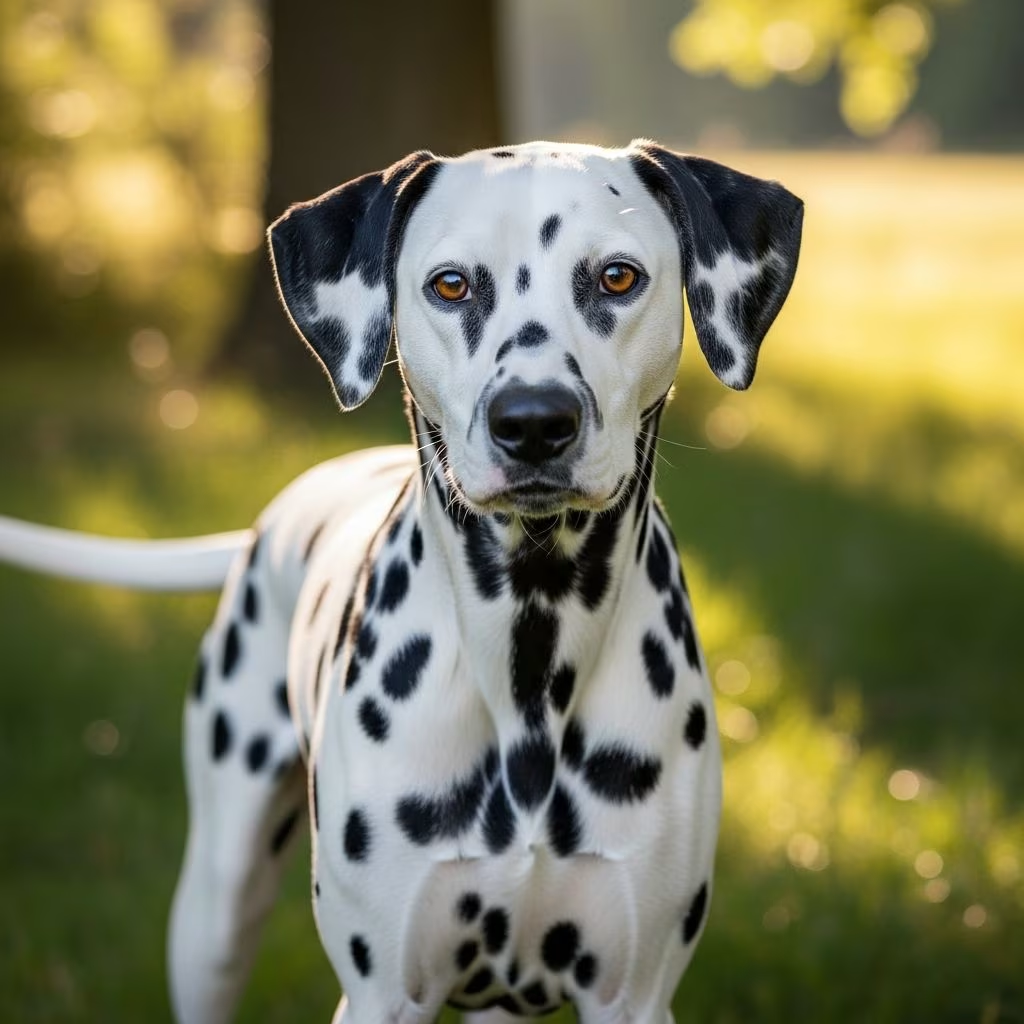
Dalmatians have long carried a reputation in popular culture that doesn’t always align with reality. While Disney’s 101 Dalmatians introduced the world to these striking spotted dogs, the breed’s actual temperament is often misunderstood by potential owners. Many people wonder if Dalmatians are naturally aggressive, but the truth is far more nuanced. Understanding the factors that influence their behavior—including genetics, socialization, training, and environment—is essential for anyone considering this energetic breed as a family companion.
Separating Fact from Fiction About Dalmatian Nature
The stereotype of Dalmatians as aggressive or uncontrollable dogs stems largely from misunderstandings about the breed rather than inherent behavioral flaws. Properly socialized Dalmatians are playful, loving, and loyal family dogs. The confusion often arises because people attracted to the breed’s distinctive appearance may not fully appreciate the significant commitment required to meet their physical and mental needs.
Many behavioral problems attributed to Dalmatians actually reflect inadequate exercise, mental stimulation, or improper training rather than innate aggression. When owners fail to provide sufficient outlets for their abundant energy, these intelligent dogs may develop destructive or problematic behaviors. It’s crucial to recognize that any dog breed, when deprived of proper care and structure, can exhibit unwanted behaviors.
Core Personality Traits of the Dalmatian Breed
Dalmatians are fundamentally social dogs with distinct personality characteristics that define the breed:
- Outgoing and Affectionate: Dalmatians possess an inherently friendly nature and thrive on human companionship. They form deep bonds with their families and are often described as “velcro dogs” because they want to be constantly near their owners.
- Highly Energetic: This breed requires substantial daily exercise and mental stimulation. Their tireless nature makes them excellent companions for active families who enjoy outdoor adventures.
- Intelligent and Quick Learners: Dalmatians are clever dogs with strong problem-solving abilities. When properly motivated, they excel in training and can participate in various dog sports and performance events.
- Protective Instinct: Originally bred as carriage dogs and guard dogs, Dalmatians maintain a natural protective nature toward their families. This manifests as alertness and watchfulness rather than unprovoked aggression.
- Strong-Willed: While intelligent, Dalmatians have independent minds and can be stubborn when not properly trained. Consistent, positive reinforcement methods work best with this breed.
Socialization: The Foundation for Balanced Behavior
Early socialization is perhaps the most critical factor in determining whether a Dalmatian becomes a well-adjusted family member or exhibits behavioral problems. Exposure to diverse people, environments, sounds, and situations during puppyhood shapes how Dalmatians interact with the world throughout their lives.
Without proper socialization, some Dalmatians may become timid, anxious, or develop fear-based behaviors. Others might become overly reserved with strangers, though this doesn’t equate to aggression. Well-socialized Dalmatians are typically calm and accepting of new people, though they may not seek attention from strangers as eagerly as from their own families.
Working with a trusted dog trainer to establish a structured socialization program is highly recommended, especially for first-time Dalmatian owners. This investment early in a puppy’s life pays dividends in creating a confident, stable adult dog.
Energy Levels and Exercise Requirements
Understanding a Dalmatian’s exercise needs is fundamental to preventing behavioral problems. These dogs were historically bred to work alongside carriages for extended periods, giving them exceptional endurance and stamina. While energy levels vary among individual Dalmatians, most require between 1-2 hours of daily activity.
Insufficient exercise directly correlates with destructive behavior, anxiety, and restlessness in Dalmatians. A bored, under-exercised Dalmatian may develop habits like counter-surfing, excessive chewing, or destructive digging. These behaviors are not signs of aggression but rather frustration and pent-up energy seeking an outlet.
Activities that appeal to Dalmatians include running, hiking, swimming, lure coursing, and fetch games. Mental stimulation through puzzle toys, training sessions, and interactive games is equally important as physical exercise for this intelligent breed.
Dalmatians and Family Interactions
Behavior Around Children
Dalmatians are naturally good with children and form strong bonds with younger family members. Their playful, energetic nature makes them engaging playmates. However, their exuberant greeting style—including jumping, pawing, and tail-wagging—may be overwhelming for very small children. A Dalmatian’s tail alone can knock over a toddler, and their enthusiasm is better suited to households with older children who can handle their boisterous energy.
As with all dog-child interactions, supervision is essential. Teaching children appropriate behavior around dogs and teaching Dalmatians to respond calmly to children ensures safer, more enjoyable relationships.
Interactions with Other Pets
Dalmatians are not naturally aggressive toward other animals and generally coexist peacefully with other dogs and pets. Their prey drive is variable among individual dogs, but the breed was not developed as a hunter, so they typically have lower hunting instincts compared to some other breeds.
When Dalmatians are raised alongside other pets from puppyhood, they form positive relationships. Introducing adult Dalmatians to new animals requires careful management, allowing gradual acclimation and monitoring body language during the introduction process.
Addressing Behavioral Challenges
Stubbornness and Training
While Dalmatians are often labeled as stubborn, experience from breed experts suggests this reputation may be overstated. The issue typically arises when trainers don’t understand how to effectively motivate individual dogs. Many Dalmatians respond enthusiastically to food rewards or toy motivation when handlers discover what drives them.
The breed’s independent nature requires training approaches that respect their intelligence. Rather than heavy-handed corrections, positive reinforcement and consistency yield better results. Variety in training activities also helps maintain a Dalmatian’s interest, as they enjoy diverse challenges.
Separation Sensitivity
Although Dalmatians are devoted to their families and enjoy constant companionship, well-bred individuals should be capable of handling alone time without developing destructive or anxious behaviors. Dogs left alone for extended periods without sufficient prior conditioning may become destructive or display signs of depression. Gradual desensitization to alone time, crate training, and ensuring adequate exercise before departures helps prevent separation-related issues.
Watchdog Capabilities and Protective Behavior
Dalmatians make excellent watchdogs due to their natural protective instinct and alert nature. They will alert-bark when someone approaches the home or property, fulfilling their historical role as guardians. This protective behavior, when properly managed, is trustworthy and appropriate.
The key distinction is that protective alertness differs fundamentally from aggression. A well-trained Dalmatian will bark to alert its family but should respond to handler commands and not display unprovoked aggression toward people or animals. Their protective nature makes them dependable guardians who respect boundaries when properly trained.
Health Factors Influencing Behavior
Dalmatians have notably strong memories and reportedly remember any mistreatment for extended periods. This sensitivity means they respond better to positive handling and training methods. Additionally, like all dogs, underlying health issues can influence behavior and temperament.
Thyroid problems, pain, neurological conditions, and other health concerns can cause behavioral changes, including increased irritability or anxiety. Regular veterinary care and attention to physical well-being are important components of maintaining good behavior.
Comparison Table: Dalmatian Traits and Requirements
| Characteristic | Description | Owner Consideration |
|---|---|---|
| Energy Level | Medium-high to high; requires 1-2 hours daily exercise | Best for active families with time for outdoor activities |
| Temperament | Friendly, affectionate, loyal, and playful when well-socialized | Needs consistent socialization and positive interactions |
| Intelligence | Highly intelligent and eager to learn with proper motivation | Requires mental stimulation and varied training activities |
| Family Compatibility | Excellent with families; better with older children due to size and energy | Supervision recommended with young children |
| Stranger Awareness | Reserved or aloof with strangers; protective but not aggressive | Early socialization helps create confident, welcoming dogs |
| Other Pets | Generally good with other animals when properly introduced | Variable prey drive; management needed with small pets |
Frequently Asked Questions About Dalmatian Behavior
Are Dalmatians naturally aggressive dogs?
No, Dalmatians are not naturally aggressive. They are described as not combative and very social with other breeds. Behavioral issues stem from inadequate training, insufficient exercise, or poor socialization rather than inherent aggression.
Can Dalmatians be left alone for long periods?
While Dalmatians enjoy companionship, well-bred individuals can handle appropriate alone time when properly trained. However, extended periods without gradual conditioning may lead to destructive behaviors or depression.
Do Dalmatians require special training methods?
Dalmatians benefit from consistent, positive reinforcement-based training that acknowledges their intelligence and independence. Working with experienced trainers familiar with the breed is recommended, particularly for first-time owners.
What age should Dalmatian socialization begin?
Socialization should begin upon adoption or from puppyhood. Early exposure to various people, environments, and situations establishes confidence and positive behavior patterns throughout the dog’s life.
Are male or female Dalmatians more aggressive?
Aggression is not primarily determined by gender in Dalmatians. Individual personality, training, socialization, and environmental factors have far greater influence on behavior than sex.
Creating an Ideal Environment for Dalmatian Success
Successful Dalmatian ownership requires commitment to meeting the breed’s substantial needs. Providing regular exercise, consistent training, proper socialization, mental stimulation, and companionship creates the foundation for a well-behaved, happy dog. Owners should realistically assess whether their lifestyle accommodates a high-energy breed before committing to a Dalmatian.
Those who invest time and effort into proper training and care find Dalmatians to be loving, loyal, and rewarding companions. The breed’s reputation issues largely stem from owners unprepared for the commitment required, not from inherent behavioral flaws in the dogs themselves.
Conclusion: The Real Dalmatian Temperament
Dalmatians are energetic, intelligent, and affectionate dogs that thrive in environments providing adequate exercise, mental stimulation, and human interaction. They are not innately aggressive but rather protective and alert—traits that, properly managed through training and socialization, make them excellent family companions and watchdogs. Understanding the breed’s true nature, rather than relying on stereotypes or outdated perceptions, allows potential owners to make informed decisions and sets these remarkable dogs up for success in their homes.
References
- Dalmatian Temperament, Lifespan & History — Pooch and Mutt. Accessed January 2026. https://www.poochandmutt.co.uk/blogs/by-breed/dalmatian
- The Truth About Dalmatians — Bedlam Acres. Accessed January 2026. https://www.bedlamdalmatians.ca/dog-blog/the-truth-about-dalmatians
- The Dalmatian Guide: History, Personality, Care, and More — The Farmer’s Dog. Accessed January 2026. https://www.thefarmersdog.com/digest/dalmatian-guide-history-personality-care/
- Dalmatian Dog Breed — Hill’s Pet Nutrition. Accessed January 2026. https://www.hillspet.com/dog-care/dog-breeds/dalmatian
- Dalmatians Temperament, Traits & Lifespan — Desert Sky K9. Accessed January 2026. https://desertskyk9.com/dalmatians-temperament-traits-lifespan/
- Dalmatian Dog Breed Information — American Kennel Club. Accessed January 2026. https://www.akc.org/dog-breeds/dalmatian/



