

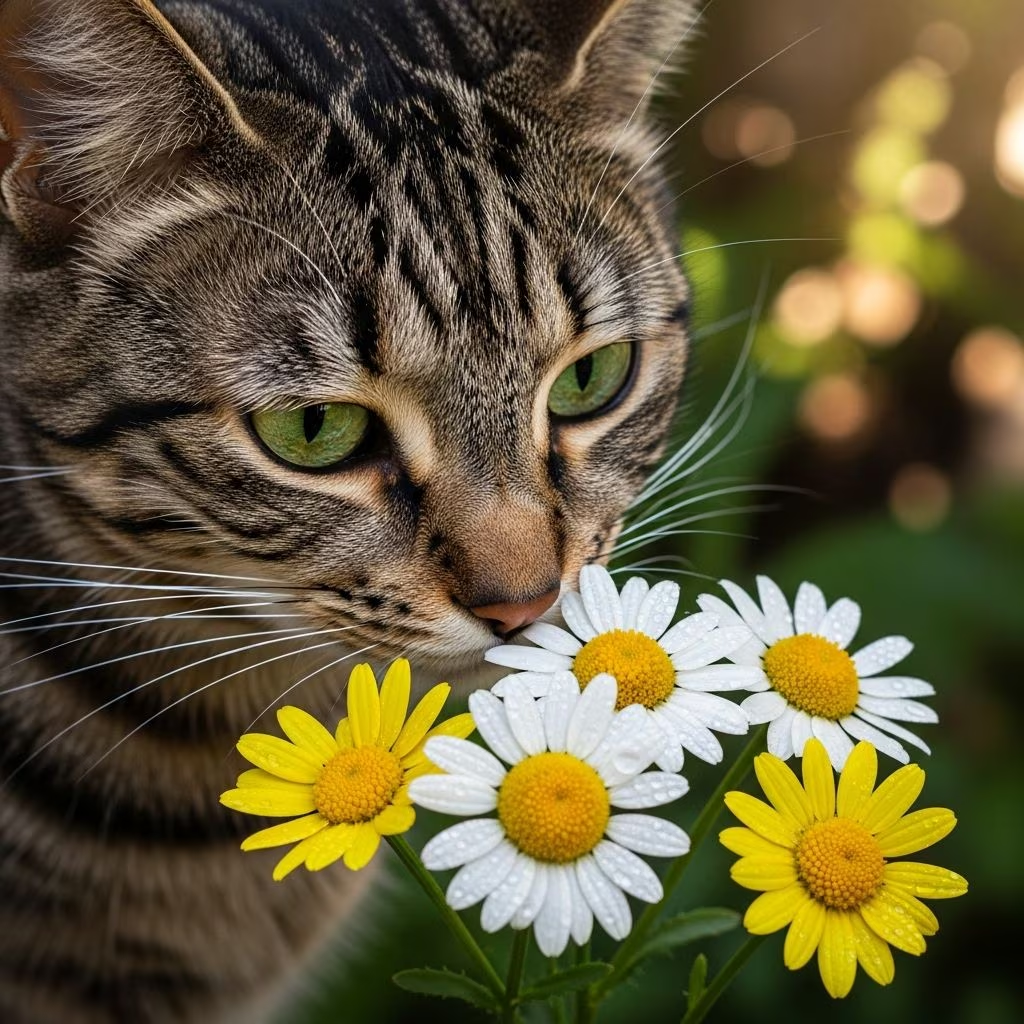
Feline companions often explore their surroundings with curiosity, including household plants and garden blooms. Daisies, with their charming white petals and bright centers, attract attention but carry potential health hazards for cats. Most common daisies contain natural compounds that irritate a cat’s digestive and nervous systems, leading to discomfort or more severe issues depending on exposure levels.
Understanding Daisy Varieties and Their Impact on Felines
Daisies belong to the Asteraceae family, previously known as Compositae, which includes over 20,000 species. While not all are equally dangerous, the typical garden daisy (Bellis perennis) and chrysanthemum types pose notable risks. These plants produce defensive chemicals that cats metabolize poorly due to their unique liver enzymes.
- Common Garden Daisies: Feature white petals and yellow disks; ingestion triggers mild to moderate gastrointestinal upset.
- Chrysanthemums (Mums): Often confused with daisies; higher concentrations of irritants make them more potent.
- Other Relatives: Chamomile and dahlias share similar toxin profiles, amplifying family-wide concerns.
Pet owners must distinguish these from safer blooms to avoid accidental exposure. Veterinary resources emphasize checking specific identifications before introducing flora into cat-accessible areas.
The Science Behind Daisy Toxicity in Cats
Plants evolved terpenes—essential oils for protection against herbivores and pathogens. Daisies specifically harbor sesquiterpene lactones, pyrethrins (natural insecticides), and other irritants. Cats lack sufficient glucuronyl transferase enzyme to break these down efficiently, causing accumulation and systemic effects.
| Toxic Compound | Effects on Cats | Source Confirmation |
|---|---|---|
| Sesquiterpene Lactones | Gastrointestinal irritation, skin dermatitis | |
| Pyrethrins | Nervous system depression, hypersalivation | |
| Other Irritants | Vomiting, diarrhea, incoordination |
These substances target multiple systems: lactones inflame the gut lining, pyrethrins disrupt neural signaling, and overall exposure leads to dehydration from fluid loss. Severity correlates with quantity consumed—nibbling petals might cause brief nausea, while devouring stems could provoke ataxia (loss of balance).
Recognizing Signs of Daisy Ingestion in Your Cat
Prompt identification of symptoms enables timely intervention. Initial reactions appear within minutes to hours, varying by cat’s size, health, and plant amount ingested.
- Digestive Distress: Vomiting (often foamy), diarrhea (possibly bloody in severe cases), excessive drooling.
- Skin Reactions: Dermatitis manifesting as rashes, itching, or paw licking.
- Neurological Indicators: Lethargy, wobbling, trouble breathing, coordination loss.
- Behavioral Changes: Reluctance to eat, hiding, or unusual agitation.
Monitor closely post-exposure. Mild cases resolve with supportive care like hydration, but persistent symptoms demand professional evaluation to rule out complications like electrolyte imbalances.
Immediate Steps If Your Cat Consumes a Daisy
Act swiftly without inducing vomit, as this risks aspiration in felines. Remove plant remnants from the mouth using a damp cloth, then contact a veterinarian or poison hotline (e.g., ASPCA at 888-426-4435).
- Observe and note symptoms onset and progression.
- Provide fresh water to combat dehydration.
- Avoid home remedies like milk, which exacerbate issues.
- Seek diagnostics: vets may use bloodwork, radiographs, or activated charcoal.
Treatment focuses on symptom relief—anti-emetics for nausea, fluids for hydration, dermatological creams for skin issues. Most cats recover fully with early care, but delays heighten risks.
Safe Daisy Alternatives for Cat Households
Not every daisy endangers cats. Select varieties bypass toxicity concerns while offering aesthetic appeal.
- Gerbera Daisies: Vibrant colors; non-toxic per ASPCA listings, safe for display.
- African Daisies (Osteospermum): Drought-tolerant; no reported adverse effects in felines.
- Cat-Safe Substitutes: Spider plants, Boston ferns, or cat grass provide nibbling outlets without harm.
For plant-loving cats, grow designated greens like wheatgrass indoors to satisfy instincts safely.
Proven Strategies to Deter Cats from Toxic Plants
Prevention trumps cure in pet safety. Indoor cats face lower risks sans outdoor access, but vigilance remains key.
- Home Setup: Elevate arrangements beyond jumping reach; use hanging baskets.
- Outdoor Measures: Fence gardens; supervise playtime; opt for cat-proof enclosures.
- Deterrents: Citrus peels, aluminum foil, or bitter sprays on pots; motion-activated air puffs startle nibblers.
- Enrichment: Toys, scratching posts, and puzzle feeders redirect curiosity.
Keep the ASPCA toxic plant list handy for quick reference, updating for new discoveries.
Broader Context: Navigating Plants in Cat-Friendly Homes
Beyond daisies, lilies, tulips, and poinsettias top danger lists—pollen alone from lilies can prove fatal. Cultivate awareness through reliable databases, fostering harmony between greenery and pets. Indoor-only lifestyles slash exposure by 90%, per veterinary studies, while enriching environments curb boredom-driven chewing.
Seasonal blooms tempt during spring and summer; preempt by scouting yards and bouquets. Educate family members on risks, ensuring collective vigilance.
Frequently Asked Questions About Daisies and Cat Safety
Are all daisies poisonous to cats?
No, common varieties like Bellis perennis are toxic, but Gerbera and African daisies are safe alternatives.
What if my cat just licked a daisy?
Minimal exposure often causes no issues, but watch for drooling or mild upset; rinse mouth if possible.
Can daisies in vases harm cats via water?
Yes, contaminated vase water absorbs toxins; discard promptly and use pet-inaccessible placements.
How long do symptoms last after daisy ingestion?
Mild cases resolve in 24-48 hours with care; severe ones may need days of veterinary support.
Are there flowers that are completely safe for cats to chew?
Yes, catnip, valerian, and cat thyme offer safe stimulation; consult vets for personalized picks.
Maintaining a secure environment empowers cat owners to enjoy floral beauty risk-free. Prioritize verified safe plants, proactive deterrents, and swift responses to exposures for thriving feline health.
References
- Can Cats Eat Daisies? Nutritional Facts & Safety Guide — Hepper. 2023-05-15. https://articles.hepper.com/can-cats-eat-daisies/
- Are Daisies Toxic to My Cat? — Kinship (expert review by Dr. Barbara, DVM). 2024-02-20. https://www.kinship.com/cat-health/are-daisies-toxic-to-my-cat
- Plants That are Toxic to Cats — VCA Animal Hospitals. 2025-01-10. https://vcahospitals.com/know-your-pet/plants-that-are-toxic-to-cats
- Daisy – Toxic and Non-toxic Plants — ASPCA. 2024-11-05. https://www.aspca.org/pet-care/aspca-poison-control/toxic-and-non-toxic-plants/daisy
- Daisy Poisoning in Cats — WagWalking. 2023-08-12. https://wagwalking.com/cat/condition/daisy-poisoning-1



