
Dairy Products and Pet Health: What Owners Should Know
Understanding milk safety, lactose intolerance, and nutritional implications for dogs and cats
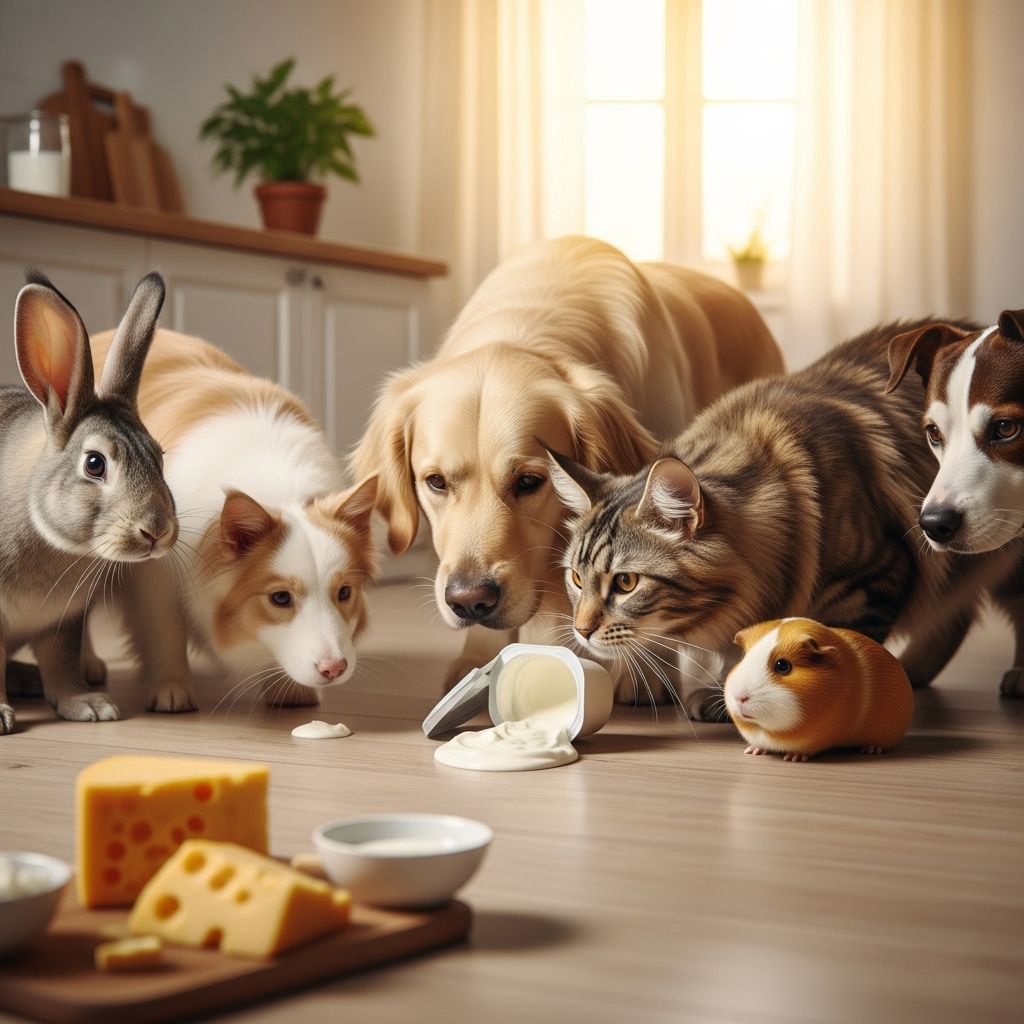
Many pet owners wonder whether they should include milk or dairy products in their pet’s diet. The topic generates considerable debate, with some believing milk is a nutritious supplement and others warning against it entirely. Understanding the science behind dairy consumption in animals requires examining lactose tolerance, nutritional composition, and food safety considerations.
Lactose Digestion and Enzyme Production in Adult Pets
A fundamental biological change occurs when puppies and kittens transition from nursing to solid foods. During the nursing phase, young animals produce adequate levels of lactase, the enzyme responsible for breaking down lactose—the primary carbohydrate in milk. As animals mature beyond weaning, lactase production declines significantly, with most adult dogs and cats experiencing reduced ability to digest lactose efficiently.
This physiological shift represents normal mammalian development. Unlike humans who have selectively bred for lactase persistence in certain populations, most adult domestic animals lose the capacity to process milk sugars comfortably. When adult pets consume milk, the undigested lactose reaches the large intestine, where it ferments and creates uncomfortable digestive symptoms.
Biological Mismatch Between Species-Specific Milk Compositions
Another critical consideration involves the fundamental differences between milk produced by different species. Cow’s milk and goat’s milk have substantially different nutritional profiles compared to canine and feline milk. These differences affect both safety and nutritional value.
Cow’s milk contains significantly higher lactose levels while providing lower fat and protein content relative to what puppies and kittens require. Canine milk demonstrates notably higher protein, fat, and ash content with substantially lower lactose compared to bovine sources. These compositional differences mean that cow’s milk is fundamentally not “biologically appropriate” for dogs and cats.
The protein structures also differ meaningfully. Bovine milk contains alpha-s1-casein and beta-lactoglobulin—proteins recognized as major contributors to allergic reactions in infants and young animals. Caprine milk proteins have different structural properties that may reduce sensitization, yet cross-reactivity exists between cow’s and goat’s milk proteins. This means goat’s milk offers no meaningful advantage over cow’s milk regarding allergenicity or digestibility for pets.
Raw Milk and Pathogenic Contamination Risks
The safety risks associated with raw (unpasteurized) milk represent perhaps the most serious concern for pet health. Unlike pasteurized products that undergo heat treatment to eliminate dangerous pathogens, raw milk retains disease-causing bacteria in unpredictable quantities.
Common pathogens found in raw milk include:
- Campylobacter
- Cryptosporidium
- E. coli
- Listeria
- Brucella
- Salmonella
These microorganisms can trigger severe illness in pets. Between 1998 and 2011, the U.S. Centers for Disease Control documented 148 raw milk-related disease outbreaks, resulting in 2,384 illnesses, 284 hospitalizations, and 2 deaths in human consumers. Dogs and cats face similar susceptibility to pathogens like Salmonella and Campylobacter.
The unpredictability of raw milk contamination creates a deceptive safety illusion. An animal might consume raw milk for years without experiencing acute illness, leading owners to believe the product is safe. However, this absence of immediate symptoms does not indicate safety—it merely reflects that contamination has not yet occurred. When bacterial levels do spike, the consequences can be severe, including kidney failure, neurological complications, and death.
Serious Health Conditions Associated with Raw Milk Consumption
Beyond general food poisoning symptoms, raw milk contamination has been linked to specific life-threatening conditions. Guillan-Barré Syndrome (called Acute Polyradiculoneuritis in animals) can result from consuming contaminated raw milk, causing progressive paralysis. Hemolytic Uremic Syndrome represents another severe outcome, damaging kidney function and potentially causing strokes.
These conditions underscore why major food safety organizations and veterinary authorities have condemned raw milk consumption for both humans and pets. Many jurisdictions have made raw milk sales illegal for human consumption, and the same safety principles apply to animals.
The Myth of Probiotic Benefits in Raw Goat’s Milk
Marketing materials frequently claim that raw goat’s milk contains beneficial probiotics that improve pet digestion and gut health. This assertion contains a fundamental misunderstanding about how probiotics function.
Probiotics must originate from the target species to provide meaningful benefit. Bacteria naturally present in goat’s milk are optimized for goat digestion and physiology—not canine or feline systems. When a dog consumes goat’s milk, it does not receive the species-specific probiotic bacteria that would support its unique gut microbiota. The bacteria present are beneficial for baby goats, not for dogs.
Additionally, raw milk bacteria are not guaranteed to be probiotic strains at all. Many simply represent environmental or pathogenic contamination. The uncontrolled bacterial populations in raw milk cannot be counted on for any health benefit.
Nutritional Equivalence Between Raw and Pasteurized Milk
Some pet owners believe raw milk offers superior nutrition compared to pasteurized alternatives. This misconception lacks scientific support. Pasteurization does not meaningfully alter the nutritional composition of milk—it only eliminates dangerous bacteria.
The heat treatment process kills pathogens while preserving protein, fat, lactose, vitamins, and minerals. The nutritional profiles of raw and pasteurized milk remain essentially identical. Pet owners choosing pasteurized products receive the same nutritional value while eliminating microbial contamination risks.
Comparing Lactose Content Across Milk Types
| Milk Type | Lactose Content | Protein Content | Digestibility in Adult Pets |
|---|---|---|---|
| Canine Milk | Very Low | Very High | Optimal |
| Feline Milk | Very Low | Very High | Optimal |
| Cow’s Milk | High | Low | Poor |
| Goat’s Milk | High | Low-Moderate | Poor |
Practical Recommendations for Pet Dairy Consumption
Veterinary consensus suggests that feeding any milk—raw or pasteurized—to adult pets offers minimal nutritional benefit and carries unnecessary risks. Even when pasteurized, milk remains problematic for most adult animals due to lactose intolerance rather than pathogenic concerns.
If owners wish to supplement their pet’s diet with beneficial bacteria, choosing veterinary-formulated probiotic products specifically designed for the pet’s species and health condition provides a safer, more effective alternative. These products contain beneficial bacteria strains proven to establish healthy gut colonization in dogs and cats.
Recent research has identified milk oligosaccharides as beneficial components that support gut health and immunity. Specifically, compounds like 3’sialyllactose and 2’fucosyllactose promote beneficial bacterial populations and help establish healthy gut microbial communities. However, these benefits are most relevant for nursing puppies and kittens, not adult animals, and specialized probiotic supplements contain optimized levels of these compounds.
Food Safety in Home and Commercial Settings
For owners with access to dairy animals or considering home milk production for pets, proper pasteurization is essential. Home pasteurization requires specific temperature control and equipment to effectively eliminate pathogens while preserving nutritional quality.
Commercial milk producers implement strict hygiene protocols, including udder preparation, sanitary collection methods, and temperature monitoring during storage. Even with these measures, post-pasteurization contamination remains possible, though pasteurization represents a critical safety component in the milk production chain[10].
Frequently Asked Questions About Pet Milk Consumption
Can I give my cat regular cow’s milk as an occasional treat?
Most adult cats should not consume milk even occasionally. While a small amount may not cause immediate severe illness, lactose intolerance will likely cause digestive upset. The lack of nutritional benefit combined with potential discomfort makes milk an unnecessary treat choice.
Is goat’s milk healthier than cow’s milk for dogs?
No. Goat’s milk contains similar lactose levels to cow’s milk and produces cross-reactive proteins that can trigger allergic responses. The marketing claims about goat’s milk being superior lack scientific support.
What about milk with lactose removed?
Lactose-free milk eliminates the primary digestive concern but provides no significant nutritional advantage. Dogs and cats do not require milk for optimal health and achieve complete nutrition through appropriate commercial pet foods and species-appropriate supplements.
Can puppies and kittens drink cow’s milk?
Young animals nursing from mothers should continue nursing. If supplementation becomes necessary, commercial pet milk replacers formulated specifically for puppies or kittens provide superior nutrition compared to cow’s or goat’s milk. These products account for species-specific nutritional requirements and contain optimized lactose levels and protein profiles.
Is there any benefit to raw milk I shouldn’t ignore?
No documented nutritional benefit of raw milk justifies its safety risks. The theoretical probiotic benefits do not materialize because raw milk bacteria lack species-specificity, and contamination patterns remain unpredictable.
Summary of Key Considerations
Pet owners should understand that milk consumption in adult dogs and cats lacks scientific justification. The biological reality—lactase decline after weaning—creates genuine digestive challenges. The compositional mismatch between bovine/caprine milk and canine/feline nutritional needs makes these products fundamentally inappropriate.
For those attracted to raw milk’s marketing claims, the documented health risks vastly outweigh any theoretical benefits. Pathogenic contamination poses genuine, life-threatening dangers without corresponding nutritional advantages over pasteurized alternatives.
Pet owners seeking to support digestive health, gut bacteria, or overall nutrition should consult veterinarians about species-appropriate supplementation options proven safe and effective through research. The absence of milk from a pet’s diet does not create nutritional deficiencies when appropriate commercial foods and veterinary supplements are provided.
References
- The Dangers of Raw Milk: Why It Isn’t Healthy or Safe for Your Pet — Nutrition RVN. 2023-10-07. https://nutritionrvn.com/2023/10/07/the-dangers-of-raw-milk-why-it-isnt-healthy-or-safe-for-your-pet/
- Milk Prebiotics Are the Cat’s Meow, Illinois Research Shows — University of Illinois. 2023. https://aces.illinois.edu/news/milk-prebiotics-are-cats-meow-illinois-research-shows
- Analysis and Comparison of Nutrition Profiles of Canine Milk — National Institutes of Health, PLoS ONE. https://pmc.ncbi.nlm.nih.gov/articles/PMC8834635/
- Raw Milk Policy Statement — American Veterinary Medical Association (AVMA). https://www.avma.org/resources-tools/avma-policies/raw-milk
- Storing, Handling and Using Animal Milk Replacer Products — U.S. Food and Drug Administration (FDA), Center for Veterinary Medicine. https://www.fda.gov/animal-veterinary/product-safety-information/center-veterinary-medicine-safe-food-facts-storing-handling-and-using-animal-milk-replacer-products
- Home Milk Pasteurization and Safe Milk Production — Texas A&M Veterinary Medicine & Biomedical Sciences. https://vetmed.tamu.edu/news/pet-talk/home-milk-pasteurization/
- Pasteurization of Animal Milk — American Public Health Association (APHA). https://www.apha.org/policy-and-advocacy/public-health-policy-briefs/policy-database/2016/12/21/pasteurization-of-animal-milk
Similar Articles








Read full bio of medha deb


