
Daily Treat Limits for Dogs
Discover safe daily treat amounts for your dog using the 10% calorie rule to prevent obesity and maintain health.
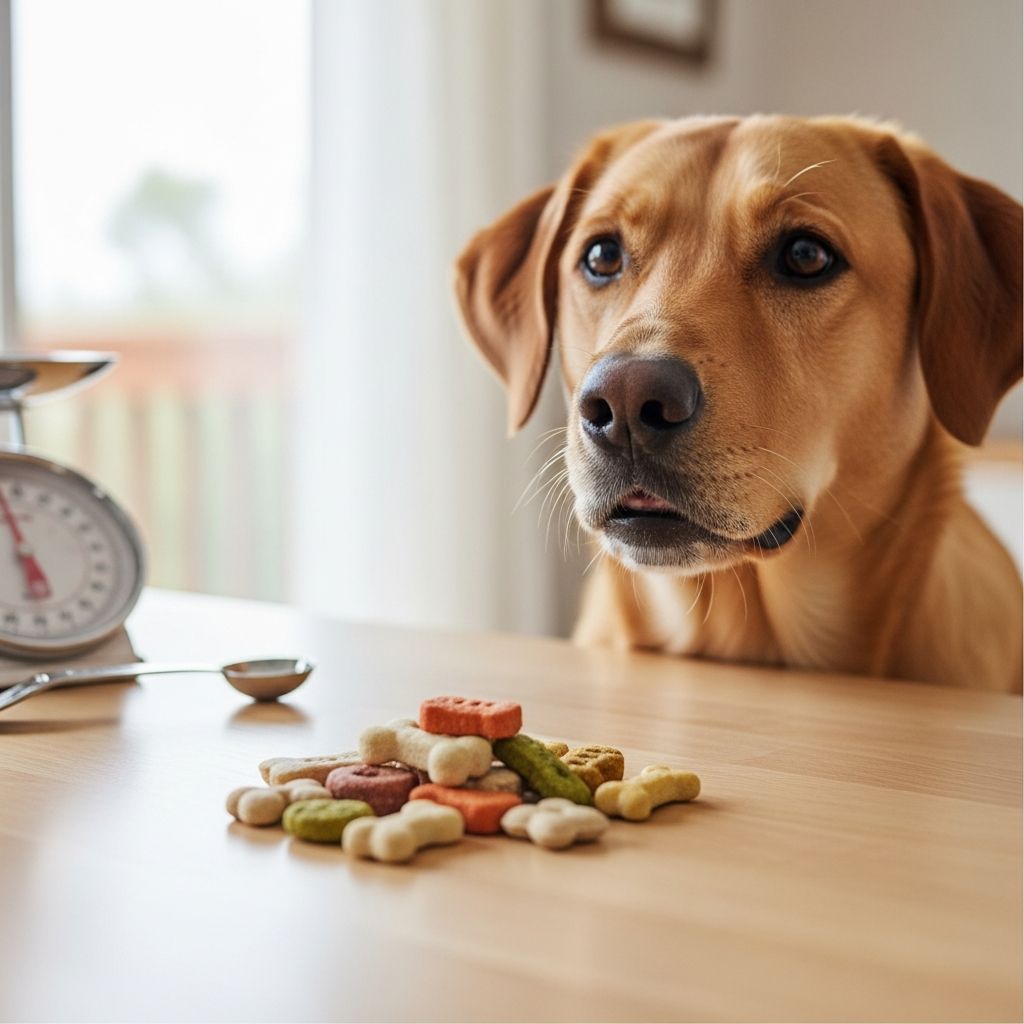
Determining the right number of treats for your dog involves balancing rewards with nutritional needs. Veterinary experts recommend limiting treats to no more than 10% of a dog’s daily caloric intake to support overall health and prevent weight gain.
Understanding the 10% Calorie Guideline
The cornerstone of safe treat feeding is the 10% rule, endorsed by veterinarians across sources. This means treats and any table scraps should not exceed 10% of your dog’s total daily calories, leaving 90% for balanced kibble or fresh food meals. This approach ensures dogs receive essential nutrients without excess calories leading to obesity.
For instance, a dog requiring 1,000 calories daily can have up to 100 calories from treats. Exceeding this risks nutritional imbalances, as most treats lack the complete profile of proteins, fats, vitamins, and minerals found in proper dog food.
Factors That Influence Treat Allowances
No single number fits all dogs; individual needs vary widely. Key factors include:
- Size and Weight: Larger dogs have higher calorie needs and thus larger treat budgets. A 10-pound small dog might get 30 calories from treats, while a 70-pound large dog could handle 150.
- Age: Puppies and seniors often require adjusted calories; growing pups need more for development, while older dogs may need less to manage metabolism slowdowns.
- Activity Level: Active working dogs burn more energy, allowing slightly higher treat portions during training sessions.
- Health Conditions: Dogs with diabetes, allergies, or joint issues benefit from stricter limits or vet-approved low-calorie options.
- Neutered Status: Spayed or neutered dogs have slower metabolisms, often needing 20-30% fewer calories overall.
Consult your veterinarian to tailor these based on your dog’s profile, as generic estimates may not suffice for unique cases.
Step-by-Step Calculation of Treat Calories
Calculating your dog’s treat limit is straightforward with these steps:
- Determine Daily Calorie Requirement: Check your dog’s food packaging for guidelines based on weight, or use a vet calculator. Formulas like Resting Energy Requirement (RER) = 70 x (body weight in kg)^0.75 provide a starting point, then multiply by activity factor (e.g., 1.6 for moderately active adults).
- Apply the 10% Rule: Multiply total calories by 0.1. Example: 800 kcal/day x 0.1 = 80 kcal for treats.
- Review Treat Nutrition Labels: Note calories per piece or per gram. Divide treat budget by per-treat calories (e.g., 80 / 10 kcal each = 8 treats max).
- Adjust Meals Accordingly: Subtract treat calories from daily food portions to avoid overfeeding.
Tools like pet food apps or vet portals simplify this; for precision, weigh treats if labels lack details.
Treat Limits by Dog Size
Here’s a reference table for common sizes, assuming average activity:
| Dog Size | Avg. Weight (lbs) | Daily Calories (kcal) | Max Treat Calories (10%) | Example Treats (5 kcal each) |
|---|---|---|---|---|
| Small | 10-20 | 300-500 | 30-50 | 6-10 |
| Medium | 25-50 | 600-1,000 | 60-100 | 12-20 |
| Large | 55-90 | 1,200-1,800 | 120-180 | 24-36 |
| Giant | 100+ | 2,000+ | 200+ | 40+ |
These are estimates; always verify with your dog’s specific needs.
Choosing Nutritious Treat Options
Not all treats are equal. Prioritize low-calorie, high-quality choices:
- Vegetable-Based: Carrot sticks, green beans (under 5 kcal each) provide fiber without calories.
- Lean Proteins: Bits of boiled chicken or turkey, avoiding fatty skins.
- Commercial Low-Cal: Look for treats under 15 kcal each with natural ingredients, no fillers.
- DIY Options: Freeze broth in ice cube trays or bake sweet potato chews for control over portions.
Avoid high-fat items like cheese unless in tiny amounts, as they quickly exceed limits and cause digestive upset.
Integrating Treats into Training Routines
Treats shine in training but must stay within limits. Use pea-sized pieces of high-value rewards for commands, distributing throughout sessions. For a 30-minute walk with 50 treats, opt for 2-3 kcal micro-treats to fit budgets. Break larger treats into fragments or dilute with kibble (1:4 ratio) to stretch allowances without losing motivation.
Track usage with a daily jar: Pre-portion the allowance each morning. This prevents accidental overfeeding, especially in multi-person households.
Health Risks of Excessive Treats
Overdoing treats leads to serious issues:
- Obesity: Extra calories pack on fat, straining joints and heart.
- Digestive Problems: Sudden high-fat or novel foods cause diarrhea or gas.
- Behavioral Changes: Dogs may beg more or refuse meals, disrupting routines.
- Nutrient Deficiencies: Treat-heavy diets displace balanced nutrition.
Monitor weight monthly; ribs should be palpable without excess fat. If issues arise, reduce treats gradually.
Special Cases and Adjustments
Puppies and Seniors
Puppies under 12 months need calorie-dense nutrition for growth; limit treats to 5-10% initially. Seniors benefit from joint-supporting, low-cal options like fish oil chews.
Overweight or Active Dogs
Overweight pups require under 10% or vet-prescribed weight-loss plans. High-energy dogs like herders can handle closer to 15% on intense days, but recalculate post-exercise.
Medical Diets
For allergies or kidney issues, use prescription treats only. Always get vet approval before changes.
Frequently Asked Questions
Can dogs have treats every day?
Yes, daily treats are fine within the 10% limit, enhancing bonding without harm.
What if my dog won’t eat without treats?
Gradually fade treats by mixing with meals or using praise; consult a trainer if persistent.
Are training treats included in the 10%?
Absolutely—all extras count toward the total.
How do I handle multi-dog homes?
Calculate per dog and label jars to avoid mix-ups.
Can fruit count as treats?
Yes, blueberries or apple slices (no seeds) are low-cal, but watch sugar for diabetics.
Practical Tips for Treat Success
- Use a food scale for precision.
- Rotate flavors to prevent boredom.
- Involve kids in portioning to teach responsibility.
- Opt for bulk low-cal buys for economy.
By adhering to these guidelines, treats remain joyful rewards, supporting your dog’s vitality long-term.
References
- Canine Health Information: Diets to Boost Immunity — Cornell University College of Veterinary Medicine. 2023-10-15. https://www.vet.cornell.edu/departments-centers-and-institutes/riney-canine-health-center/canine-health-information/diets-boost-immunity
- How Many Training Treats to Give a Dog Per Day — Lord Jameson. 2024-05-20. https://www.lordjameson.com/blogs/news/how-many-training-treats-to-give-a-dog-per-day
- How Many Treats Per Day For A Dog? — Nature’s Logic. 2024-02-12. https://natureslogic.com/blog/how-many-treats-should-i-give-my-dog-per-day/
- How Many Treats Per Day for a Dog? — Darwin’s Natural Pet Products. 2023-11-08. https://www.darwinspet.com/blogs/transitioning/how-many-treats-per-day-for-a-dog
- Treat Feeding Guide for Dogs and Cats — Redbarn Pet Products. 2024-01-22. https://www.redbarn.com/blogs/blog/treat-feeding-guide-for-cats-and-dogs
Similar Articles








Read full bio of medha deb




