

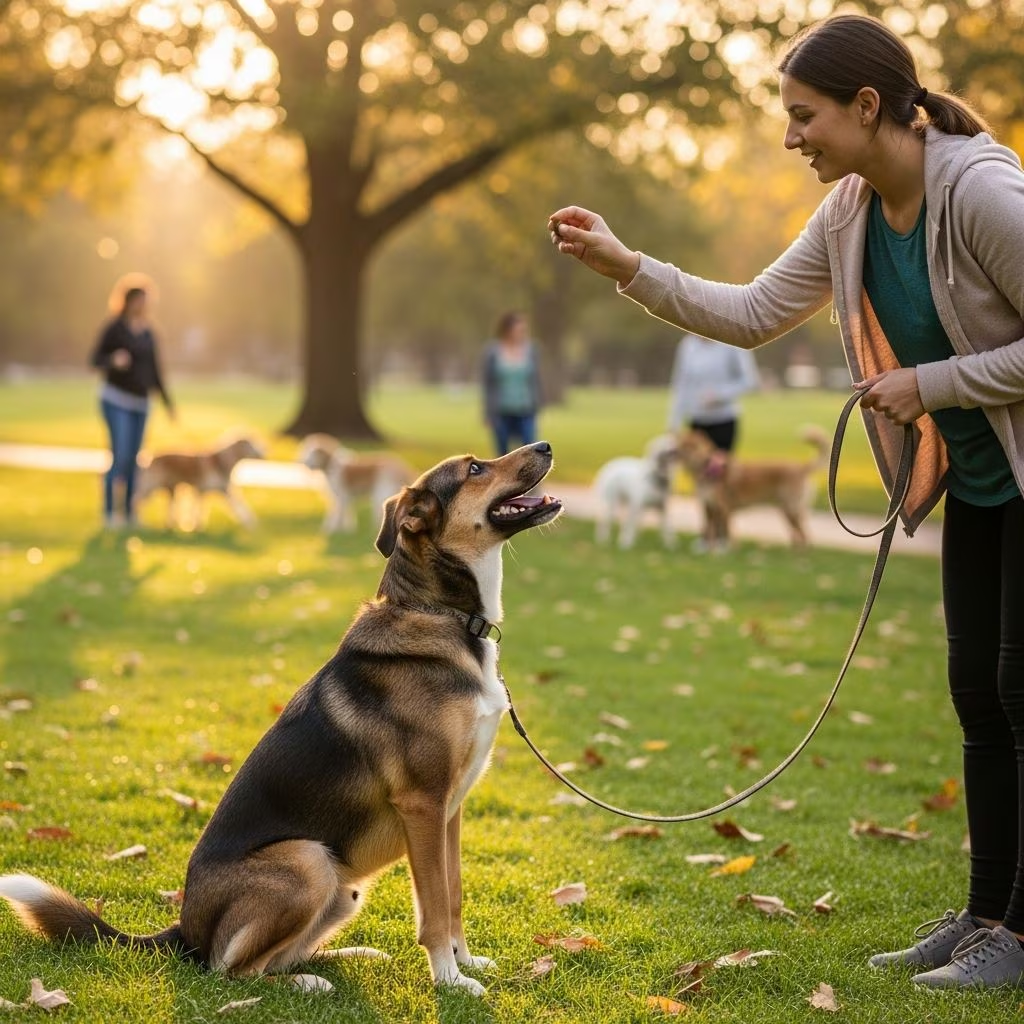
Consistent daily training sessions offer profound advantages for dogs and their owners, accelerating learning, enhancing mental health, and creating stronger relationships through structured, positive reinforcement practices.
Why Frequency Matters in Canine Learning
Dogs thrive on repetition and routine, making daily training far superior to sporadic weekly sessions. Research shows that frequent, brief interactions align with a dog’s natural attention span, leading to better retention and skill mastery. Unlike long gaps between classes that cause forgetting, daily practice reinforces behaviors immediately, embedding them into long-term memory.
Canine brains process information most effectively through short bursts of focused activity. Studies indicate that dogs in programs with multiple daily sessions demonstrate faster progress in obedience and impulse control. This approach prevents the common pitfalls of traditional methods, where skills fade due to lack of reinforcement.
Boosting Mental Health Through Routine Practice
Regular training acts as a cornerstone for dog mental well-being, providing essential stimulation that combats boredom and anxiety. Dogs engaged in daily sessions exhibit lower cortisol levels, the primary stress hormone, proving training’s role as a natural therapeutic tool.
- Mental Stimulation: Activities like problem-solving tasks sharpen cognitive functions, enhancing memory and decision-making skills.
- Stress Reduction: Structured routines create predictability, fostering confidence and reducing fear responses in new situations.
- Emotional Balance: Positive interactions during sessions build trust, leading to calmer demeanors and fewer destructive outbursts.
Without adequate mental exercise, dogs often develop issues like excessive barking or chewing. Daily training channels their energy productively, promoting a happier, more adaptable pet.
Physical and Behavioral Transformations
Daily programs integrate physical exercise with behavioral work, yielding comprehensive improvements. Pack walks, controlled treadmill time, and agility drills keep dogs fit while practicing commands amid real-world distractions.
| Training Element | Physical Benefit | Behavioral Benefit |
|---|---|---|
| Pack Walks | Cardiovascular health | Leash manners, socialization |
| Treadmill Sessions | Weather-independent endurance | Focus and impulse control |
| Mental Games | Overall vitality | Problem-solving, reduced boredom |
Owners report noticeable changes in weeks, such as diminished jumping, pulling, or reactivity, thanks to the intensive daily focus that traditional methods lack.
The Power of Positive Reinforcement
Praise and petting outperform treats alone in promoting joyful learning and retention, especially post-sleep when memory consolidates. Dogs trained permissively with verbal affirmation and gentle touch show less stress and higher success rates.
Positive methods avoid the pitfalls of aversive techniques, which elevate cortisol and pessimistic outlooks. Peer-reviewed studies confirm reward-based training prevents behavioral problems—the top reason for relinquishment—while building reliable responses through high reinforcement rates.
- Praise enhances emotional bonds and motivation.
- Petting reduces training-induced stress.
- Combined rewards lead to faster, happier obedience.
Strengthening the Human-Dog Bond
Daily sessions transform the owner-pet dynamic, turning training into shared fun that deepens mutual understanding. Positive reinforcement makes learning enjoyable, increasing responsiveness to cues like recalls in critical moments.
Experts emphasize that consistent rewards teach dogs expectations clearly, preventing cute puppy habits from becoming adult nuisances. This proactive approach ensures safety and harmony, with trained dogs more likely to heed commands reliably.
Practical Strategies for Daily Implementation
Busy schedules don’t preclude effective training; short 5-15 minute sessions multiple times daily fit seamlessly. Focus on one skill per session, using high-value rewards and immediate feedback.
- Start mornings with basic commands like sit-stay.
- Midday: Incorporate play-based recall games.
- Evenings: Review with loose-leash walks.
Track progress in a journal to adjust methods, ensuring steady advancement. For reinforced success, pair home practice with professional guidance when possible.
Overcoming Common Challenges
Initial resistance or distractions are normal; persistence with positive techniques yields breakthroughs. If progress stalls, vary environments to build generalization—practicing in parks solidifies home-learned skills.
Avoid overload by respecting attention limits, ending sessions on high notes. Consistency trumps perfection; even imperfect daily efforts outperform inconsistency.
Long-Term Maintenance and Advancement
Sustained benefits require ongoing reinforcement. Transition to maintenance with weekly reviews and new challenges to prevent regression. Community group classes offer socialization and shared learning, sustaining motivation.
Advanced skills like off-leash reliability emerge naturally from solid foundations, enriching your dog’s life and yours.
Frequently Asked Questions
How long should daily training sessions last?
Ideal sessions are 5-15 minutes, 3-5 times daily, matching canine focus spans for optimal retention without fatigue.
Is daily training suitable for all dogs?
Yes, adaptable for puppies, adults, and seniors, with modifications for age and energy levels using positive methods.
What if my dog doesn’t respond quickly?
Patience and consistency pay off; track small wins and adjust rewards to maintain engagement.
Can daily training replace professional help?
It complements pros by accelerating home progress, but severe issues may need expert intervention.
Does breed affect training needs?
All breeds benefit, though high-energy ones may require more sessions for channeled outlets.
References
- Improving dog training methods: Efficacy and efficiency of reward… — PMC/NCBI. 2021-02-15. https://pmc.ncbi.nlm.nih.gov/articles/PMC7895348/
- The Impact of Training on Dog Mental Health: A Comprehensive Guide — Off Leash K9 Training. 2023-05-10. https://www.offleashk9training.com/training-dog-mental-health/
- Study Shows Dogs Learn Faster and Happier with Praise and Petting — Greater Good. 2024-01-20. https://greatergood.com/blogs/news/dog-training-praise
- How Important is Dog Training? — Tufts University Cummings School of Veterinary Medicine. 2023-11-05. https://vet.tufts.edu/news-events/news/how-important-dog-training
- Six Great Reasons to Train Your Dog Using Positive Methods — The Zebra. 2025-02-03. https://thezebra.org/2025/02/03/six-great-reasons-to-train-your-dog-using-positive-methods/
- Paws for Thought: A Controlled Study Investigating the Benefits of… — PMC/NCBI. 2019-10-15. https://pmc.ncbi.nlm.nih.gov/articles/PMC6826684/



