

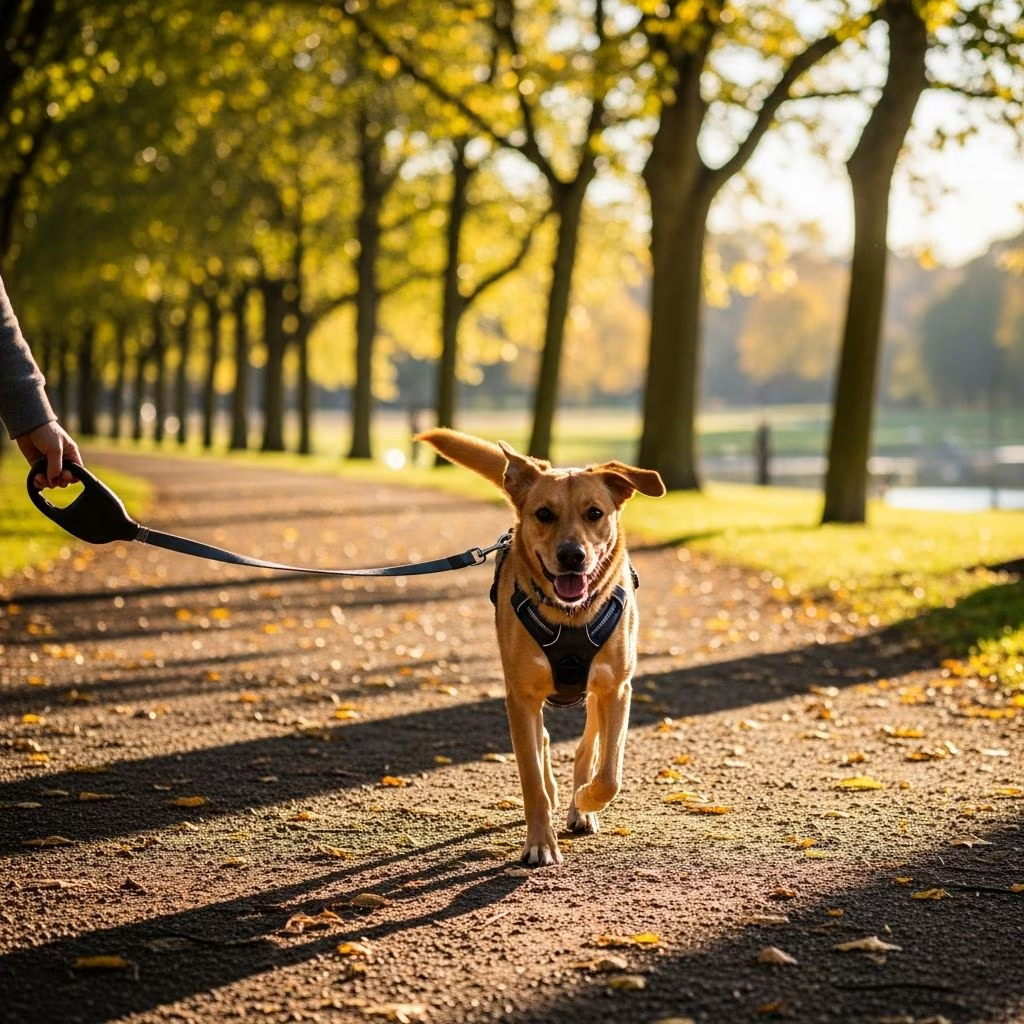
Walking is one of the most fundamental aspects of responsible dog ownership, yet many pet owners struggle to determine the right frequency and duration for their individual animals. The optimal walking schedule is not a one-size-fits-all proposition; instead, it depends on several interconnected factors including your dog’s age, breed characteristics, energy level, overall health status, and your personal lifestyle constraints. Understanding these variables enables you to create a sustainable routine that keeps your dog physically fit, mentally stimulated, and emotionally balanced while fitting seamlessly into your daily life.
Understanding Your Dog’s Life Stages and Exercise Needs
A dog’s exercise requirements change dramatically throughout their lifetime, reflecting their physical development, peak energy years, and eventual aging process. Recognizing these distinct life stages allows owners to adjust their walking routines appropriately, ensuring their pet receives adequate activity without overexertion or injury.
The Puppy Years: Building Healthy Habits Early
Young puppies possess seemingly boundless energy, yet their developing bodies require careful management during exercise. A practical guideline for puppy walking involves using their age in months as a measurement tool. For each month of age, aim for approximately five minutes of walking per session, distributed across multiple daily outings. This means a three-month-old puppy might enjoy three separate 15-minute walks throughout the day, while a six-month-old could handle 30-minute sessions.
This graduated approach protects developing joints and bones from excessive impact, which can cause long-term damage. Rather than a single lengthy walk, multiple short sessions better suit puppies’ natural rhythms and help with house-training consistency. Complementing walks with play sessions in secure areas provides mental enrichment without the joint stress of prolonged walking. For very young puppies under 12 weeks, minimize lengthy outings and focus instead on frequent, brief explorations that build confidence and socialization skills.
Prime Adult Years: Peak Performance and Consistency
Once dogs reach adulthood, typically between one and seven years old, they enter their most physically capable phase. Most adult dogs thrive on a consistent routine of one to two daily walks, each lasting 30 to 60 minutes depending on individual factors. This frequency provides the physical outlet necessary for maintaining cardiovascular health, managing weight, and preventing behavioral problems associated with insufficient exercise.
During these years, dogs can tolerate and benefit from varied walking experiences. Introducing different routes, terrain types, and walking partners provides mental stimulation that equals the physical benefits of the activity itself. Adult dogs in excellent health can handle extended hikes or vigorous exercise sessions lasting up to two hours, while those with less conditioning should build their endurance gradually.
The Senior Years: Maintaining Mobility and Comfort
As dogs age beyond seven years, their exercise tolerance typically decreases, but their need for activity remains significant. Senior dogs benefit from two to three shorter walks daily rather than one long session, as this helps maintain joint flexibility and circulation without causing excessive fatigue. Each walk might last 10 to 30 minutes, depending on the individual dog’s mobility and health status.
Walking becomes particularly valuable for senior dogs as it combats joint stiffness, maintains muscle tone, and supports mental acuity. However, these walks should occur at a gentler pace, avoid challenging terrain that might strain aging joints, and include rest breaks as needed. Monitoring your senior dog for signs of fatigue, limping, or reluctance to continue helps guide appropriate intensity adjustments.
Breed Characteristics: Matching Exercise to Design
Different dog breeds were originally developed for vastly different purposes—from herding cattle to hunting game to simply providing companionship. These historical purposes created distinct physical and temperament traits that continue to influence modern dogs’ exercise requirements and preferences.
High-Energy Breeds: Built for Intensity
Certain breeds possess extraordinary energy levels and mental drive, having been developed for demanding work. Border Collies, Huskies, and Jack Russell Terriers exemplify this category, requiring significantly more exercise than average dogs. These breeds often benefit from three to four activity sessions daily, incorporating not just walking but also running, training exercises, and games that engage their intelligence.
For high-energy breeds, a single 30-minute walk may prove insufficient and potentially lead to behavioral problems including destructiveness, excessive barking, or anxiety. These dogs thrive when owners commit to longer, more intense outings lasting 45 minutes to an hour, combined with training sessions and interactive play that challenge their considerable mental capabilities.
Moderate-Energy Breeds: Balanced Companions
Laboratories, Golden Retrievers, and Beagles represent the moderate-energy category—dogs that enjoy significant activity but don’t require extreme intensity. These breeds typically do well with two standard walks daily, each lasting 30 to 45 minutes, supplemented by playtime and training exercises. This routine maintains their physical fitness while accommodating most owners’ schedules effectively.
Low-Energy Breeds: Comfort-Oriented Companions
Bulldogs, Pugs, Cavalier King Charles Spaniels, and similar breeds were developed for companionship rather than work, resulting in more moderate exercise requirements. These dogs often satisfy their needs through one to two shorter walks daily, lasting 15 to 30 minutes. Their lower exercise tolerance doesn’t indicate laziness but rather reflects their physiology; some breeds are simply not built for extensive exertion.
Individual Health Factors and Exercise Tolerance
Beyond age and breed, individual health status significantly influences appropriate walking frequency and intensity. A dog’s current fitness level, weight status, and any existing health conditions should guide exercise programming.
Body Condition Assessment: Most healthy dogs in good body condition can comfortably tolerate daily 20 to 30-minute walks. Those in excellent physical condition may handle longer sessions or more frequent outings. Conversely, overweight or obese dogs may find even short walks challenging initially, requiring brief 10-minute outings with regular rest breaks. Building exercise capacity gradually prevents injury and builds the dog’s confidence.
Breed-Specific Health Considerations: Flat-faced breeds like Boxers and Pugs require special attention during walks due to their increased tendency toward overheating. These dogs should walk during cooler parts of the day, with owners vigilantly watching for signs of heat stress including excessive panting, drooling, or lethargy. Dogs with joint problems benefit from walking but may need shorter, more frequent sessions to avoid aggravating inflammation.
Practical Walking Schedules by Age Group
| Dog Category | Typical Frequency | Recommended Duration | Additional Notes |
|---|---|---|---|
| Puppies (under 6 months) | 3-5 walks daily | 5-15 minutes each | Use 5-minute-per-month-of-age guideline; avoid high-impact activities |
| Young Adults (1-3 years) | 1-2 walks daily | 30-60 minutes each | Can handle more vigorous activity; build endurance gradually |
| Mature Adults (3-7 years) | 1-2 walks daily | 30-60 minutes each | Prime years for extended hiking or sporting activities |
| Senior Dogs (7+ years) | 2-3 walks daily | 10-30 minutes each | Gentle pace; monitor for fatigue; maintain consistency |
Structuring an Effective Daily Walking Routine
Creating a successful walking schedule requires balancing your dog’s needs with practical life constraints. A well-structured routine might include a consistent morning walk to energize your dog for the day, a midday walk or play session (potentially handled by a dog walker or pet sitter), and an evening walk that provides relaxation and bonding time before rest.
Consistency matters more than perfection; dogs thrive on predictable routines that their bodies and minds come to anticipate. Varying the routes and environments within this consistent schedule maintains mental engagement while providing structure your dog can depend upon. Some days might feature longer, more vigorous walks, while others include shorter sessions combined with indoor play or training exercises.
Frequently Asked Questions About Dog Walking
What if I have a busy schedule and can’t walk my dog frequently?
If daily walking proves challenging, consider alternatives including hiring a professional dog walker, arranging doggy daycare a few days weekly, or creating a secure yard where your dog can exercise independently. Even 10 to 15 minutes of dedicated activity daily provides basic health benefits, though this shouldn’t become the permanent norm. Supplementing walks with indoor play, fetch, or training exercises helps meet exercise needs during particularly demanding periods.
How can I tell if my dog isn’t getting enough exercise?
Dogs receiving insufficient exercise often display restlessness, destructive behaviors including chewing or digging, excessive barking, or weight gain. Some dogs become hyperactive or anxious when their energy isn’t properly channeled. Conversely, sudden lethargy or reluctance to walk may indicate excessive exercise or underlying health problems requiring veterinary attention.
Should weather affect my walking schedule?
Absolutely. Extreme heat requires shorter walks during cooler hours, with increased water breaks and careful monitoring for overheating. Winter walking might require protective gear for certain breeds and vigilance regarding ice salt affecting paws. Rain rarely prevents walking unless severe, though wet-weather gear keeps both dog and owner more comfortable.
Can different walk types serve different purposes?
Yes. Leisurely neighborhood walks with frequent stops for sniffing provide mental stimulation and relaxation. Brisk-paced walks deliver cardiovascular benefits. Training walks interspersed with obedience exercises combine physical and mental work. Hiking on varied terrain builds strength and endurance. Rotating these walk types maintains your dog’s interest while providing well-rounded exercise.
At what point should I increase my puppy’s walking distance?
As your puppy ages, gradually increase walk duration using the five-minutes-per-month guideline. Once your puppy reaches 12 weeks, you can begin introducing slightly longer walks while monitoring for fatigue signs. By six months, most puppies can handle 30-minute walks, though their bones continue developing until around 18 months depending on breed size.
Creating Sustainable Walking Habits
The best walking schedule is one you can maintain long-term. While guidelines provide helpful frameworks, your individual circumstances matter significantly. Some owners enjoy daily extended walks; others prefer shorter, more frequent outings. The key involves honestly assessing your capabilities and designing a routine you’ll actually follow consistently.
Starting conservatively and building gradually creates sustainable habits. If you’ve been walking your dog minimally, begin with two short walks daily and increase duration or frequency gradually over several weeks. This approach allows both you and your dog to build the habit and physical conditioning necessary for longer-term success.
Remember that walking benefits extend far beyond physical health. These daily outings provide bonding opportunities, mental stimulation, socialization experiences, and valuable time together. The walking routine you establish becomes part of your relationship with your dog, creating shared experiences and deepening your connection while maintaining their physical and psychological wellness.
References
- Frequency of Walks for Dogs: Advice by Age and Breed — MonVet. Accessed March 2026. https://monvet.com/en/frequency-of-walks-for-dogs/
- How Often Should I Walk My Dog? — Petworks. Accessed March 2026. https://www.petworks.com/articles/how-often-should-i-walk-my-dog/
- Dog Walking Frequency: Tips & Benefits for Every Breed — DTX Pets. Accessed March 2026. https://dtxpets.com/blog/how-often-does-a-dog-really-need-to-be-walked/
- How Often Should You Walk Your Dog? — Rover.com. Accessed March 2026. https://www.rover.com/blog/how-often-should-i-walk-my-dog/
- How Often Should You Walk Your Dog? — PetMD. Accessed March 2026. https://www.petmd.com/dog/general-health/how-often-should-you-walk-your-dog
- Dog Walking Requirements: Daily Exercise Needs by Size and Breed — The Lille Bjorn. Accessed March 2026. https://thelillebjorn.com/blogs/dog-style-and-health-diaries/how-many-walks-does-your-dog-really-need-per-day
- How Often Should You Walk Your Dog? — American Kennel Club. Accessed March 2026. https://www.akc.org/expert-advice/health/how-often-should-you-walk-your-dog/



