Daffodil Toxicity in Cats: Risks and Emergency Care
Learn why daffodils are dangerous for cats and what to do if exposure occurs.
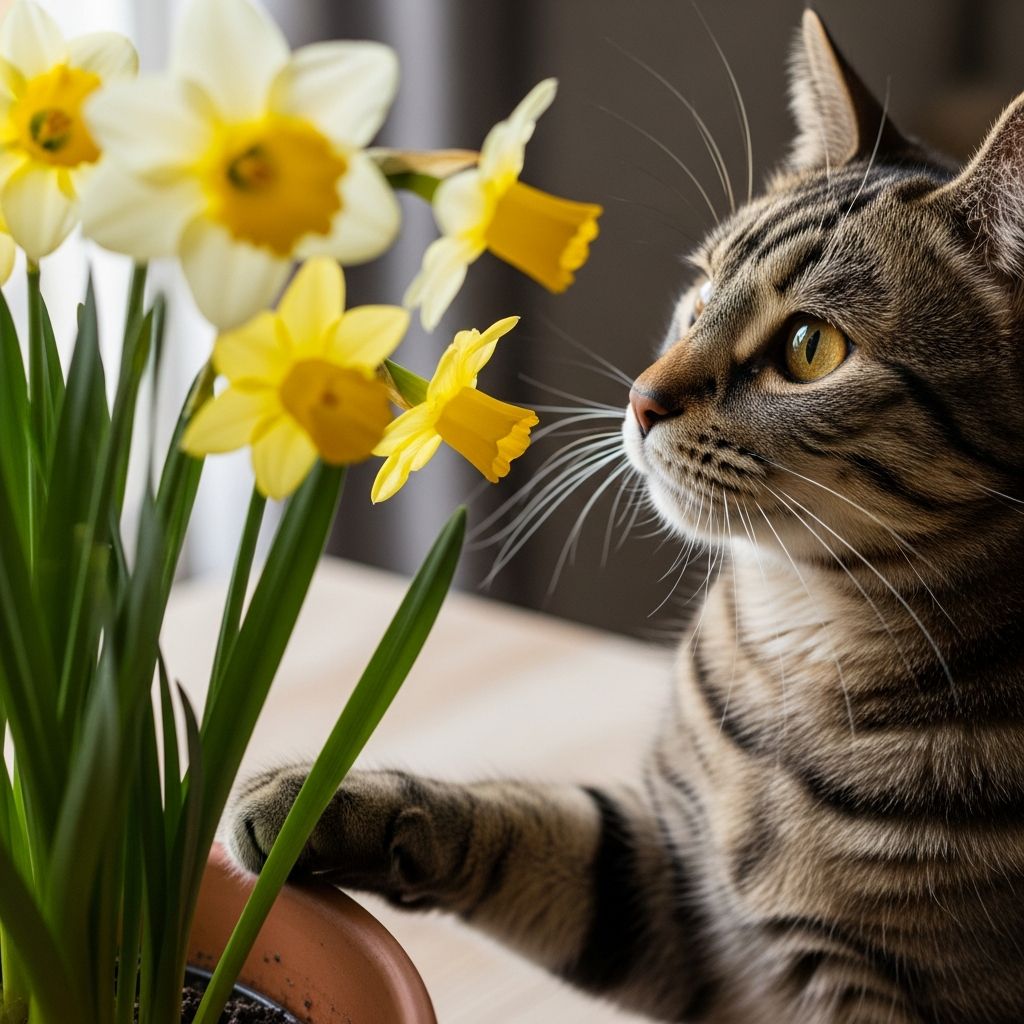
Understanding Daffodil Toxicity in Cats: A Comprehensive Guide to Plant Poisoning and Treatment
Daffodils are beloved springtime flowers that brighten gardens and homes with their cheerful yellow blossoms. However, these seemingly innocent plants present a significant health hazard to cats. If you share your living space with a feline companion, understanding the risks associated with daffodil exposure is essential for maintaining their safety and well-being. This guide explores the toxic properties of daffodils, recognizes warning signs of poisoning, and outlines appropriate emergency response measures.
The Toxic Component of Daffodils
The primary culprit behind daffodil toxicity is lycorine, a crystalline alkaloid with powerful emetic properties. This naturally occurring compound triggers significant physiological responses in cats when ingested, making daffodils far more dangerous than many pet owners realize. Lycorine works by irritating the digestive tract and causing the body to initiate vomiting responses, which is why exposure to daffodils can lead to rapid onset of illness.
The concentration of lycorine varies throughout different parts of the daffodil plant. The bulb—the underground portion that stores nutrients and energy for the plant—contains the highest concentration of this toxic alkaloid. However, the danger extends beyond the bulb. Every part of the daffodil, including the leaves, stems, and flowers, contains varying amounts of lycorine. This means that exposure to any component of the plant poses a genuine risk to cats, regardless of which portion they encounter.
Recognizing Poisoning Symptoms in Your Cat
Understanding the timeline and manifestation of daffodil poisoning symptoms is crucial for early intervention. Symptoms can begin appearing as quickly as 15 minutes after ingestion, though in some cases they may not develop for up to 24 hours. The variability in symptom onset depends on factors including the amount of plant material consumed, the specific part ingested, and individual cat factors such as body size and overall health.
Mild to Moderate Symptoms
When a cat ingests a smaller quantity of daffodil material or has minimal exposure to the toxin, mild to moderate symptoms typically emerge first:
- Excessive drooling and salivation
- Vomiting and regurgitation
- Diarrhea
- Irritation or inflammation of the mouth and oral tissues
- Abdominal discomfort and pain
- Loss of appetite
- Lethargy and reduced activity levels
- Elevated body temperature (pyrexia)
These initial symptoms often cause pet owners to suspect a less serious condition, such as hairball obstruction or minor digestive upset. However, any combination of these signs following potential plant exposure warrants immediate veterinary evaluation.
Severe and Life-Threatening Symptoms
In cases where a cat has consumed substantial amounts of daffodil material or when the bulb—the most concentrated source of toxin—has been ingested, severe symptoms can develop:
- Hypothermia, characterized by dangerously low body temperature
- Hypotension or critically low blood pressure
- Cardiac irregularities and abnormal heart rhythms
- Tremors and involuntary muscle movements
- Seizures and convulsions
- Respiratory failure and labored breathing patterns
- Complete collapse and loss of consciousness
These severe manifestations indicate that the daffodil toxin has progressed beyond gastrointestinal effects and is now affecting the nervous system and vital organ function. Clinical signs may persist for several days even with appropriate treatment, underscoring the serious nature of significant daffodil exposure.
Factors Affecting Poisoning Severity
Not all daffodil exposures result in identical outcomes. Several variables influence the severity of poisoning symptoms and the cat’s prognosis:
| Factor | Impact on Severity |
|---|---|
| Plant Part Ingested | Bulbs cause most severe poisoning; leaves and stems cause moderate effects |
| Quantity Consumed | Larger amounts result in more severe systemic effects |
| Cat’s Body Weight | Smaller cats experience more pronounced effects from the same exposure |
| Individual Health Status | Cats with compromised kidney or liver function face greater risk |
| Time Since Ingestion | Earlier intervention leads to better outcomes |
What to Do If Your Cat Consumes Daffodils
Immediate action is critical when daffodil ingestion is suspected. The window for effective treatment is narrow, particularly for intervention methods that work best when performed shortly after exposure.
First steps you should take:
- Contact your veterinarian immediately, even if no symptoms are currently visible
- Note the time of exposure if possible, as this information guides treatment decisions
- Identify which part of the plant was ingested—bulb, leaves, flowers, or stems
- Estimate the quantity consumed if feasible
- Do not attempt home remedies or induce vomiting without veterinary guidance
- Transport your cat safely to the veterinary clinic, keeping them calm and warm
Avoiding at-home treatment attempts is essential. Well-intentioned but inappropriate interventions can sometimes cause additional harm. For instance, inducing vomiting through unsafe methods can cause aspiration pneumonia or other serious complications. Your veterinarian possesses the knowledge, equipment, and medications necessary to provide safe and effective emergency care.
Professional Treatment Approaches
Upon arrival at the veterinary clinic, your cat will receive a comprehensive evaluation and appropriate treatment based on the severity of exposure and symptoms present.
Gastrointestinal Decontamination
When a cat presents within two hours of daffodil ingestion and is otherwise stable, your veterinarian may induce vomiting using prescription medications. This controlled induction helps remove unabsorbed toxins from the stomach before they enter the bloodstream. For cats presenting with larger quantities of ingested material, gastric lavage—a process of washing out the stomach with fluid—may be recommended to minimize further toxin absorption.
Following vomiting or gastric lavage, activated charcoal is administered. This specially prepared form of carbon binds to remaining toxins in the digestive tract, preventing their absorption into the bloodstream. Multiple doses of activated charcoal may be necessary to effectively trap circulating toxins. It is important to note that activated charcoal products designed for human use should never be given without explicit veterinary instruction, as they may contain additives unsafe for cats.
Supportive and Symptomatic Care
Beyond decontamination, treatment focuses on supporting the cat’s body systems as they recover from toxin exposure. Intravenous fluid therapy serves multiple critical functions. Fluids combat dehydration resulting from vomiting and diarrhea, maintain proper electrolyte balance, and support kidney function during the toxin elimination process. In cases of severe hypothermia, active warming measures—such as heated blankets, warm intravenous fluids, and environmental temperature control—are implemented to restore normal body temperature.
Depending on the individual cat’s condition, additional medications may be necessary. These may include anti-nausea agents to control ongoing vomiting, pain relief medication for abdominal discomfort, anti-seizure medication if tremors or convulsions are present, and cardiac medications if heart rhythm abnormalities develop. Blood tests help veterinarians monitor organ function and guide treatment adjustments throughout the recovery period.
Recovery and Monitoring
Recovery from daffodil poisoning varies based on exposure severity. In a documented case of a cat that ingested dried daffodil stems, complete recovery occurred within 6 days with appropriate medical intervention including atropine, dexamethasone, fluid therapy, and supportive care. However, some cats may require longer hospitalization and monitoring, particularly those with severe systemic effects. During recovery, cats are gradually transitioned from supportive fluids to oral intake as their appetite returns and gastrointestinal function normalizes.
Prevention Strategies for Cat Owners
The most effective approach to daffodil toxicity is prevention through environmental management. If you own cats or have cats visit your home, consider eliminating daffodils from your indoor and outdoor spaces entirely. The risk simply outweighs the aesthetic benefit of these flowers.
If you choose to keep daffodils despite owning cats, strict containment measures are essential:
- Store cut daffodils in locked rooms or areas where cats cannot access them
- Keep potted daffodils on high shelves or in secure cabinets
- Remove daffodils from garden beds where cats roam freely
- Dispose of cut flowers and garden waste safely in sealed containers
- Educate family members and visitors about the toxicity risk
- Consider safer floral alternatives that provide visual appeal without toxicity concerns
Frequently Asked Questions About Daffodil Safety
Can touching daffodils harm my cat?
While the primary risk involves ingestion of plant material, direct contact with daffodils can cause localized irritation to a cat’s skin or mouth. A cat that brushes against a daffodil flower or rubs their face on leaves may experience mild dermatitis or oral irritation. The greater danger arises when cats chew on or consume the plant material.
Are all daffodil varieties equally toxic?
All daffodil species within the Narcissus genus contain lycorine and should be considered toxic to cats. While specific alkaloid concentrations may vary slightly between varieties, no daffodil variety is safe for feline consumption.
How much daffodil exposure is dangerous?
Any exposure to daffodils carries some level of risk. Even small amounts can potentially cause mild gastrointestinal symptoms. The bulb presents the greatest hazard due to its concentrated toxin levels, but consumption of leaves, stems, or flowers can also cause poisoning.
What if my cat only touched a daffodil?
Minimal contact with daffodil flowers is unlikely to cause systemic poisoning. However, monitor your cat for signs of oral or dermal irritation. If your cat actively chewed on any part of the plant, seek veterinary guidance even if symptoms haven’t yet appeared.
Can daffodil poisoning be fatal?
While most daffodil poisoning cases in cats are treatable with appropriate veterinary care, severe cases can be life-threatening. Case reports indicate that some animals have died or required euthanasia following severe daffodil toxicity. Early recognition and treatment dramatically improve survival rates and recovery outcomes.
Comparing Daffodil Toxicity to Other Plants
Daffodils are not alone among household and garden plants that pose risks to cats. However, daffodil toxicity is particularly concerning because the plant is common in spring gardens and indoor arrangements. Understanding daffodil risks as part of a broader awareness of plant toxicity helps create a safer environment for feline companions. Many other popular plants including lilies, sago palms, dieffenbachia, and oleander present similar or greater hazards and should similarly be avoided or carefully managed in homes with cats.
Conclusion: Protecting Your Feline Friend
Daffodils, despite their cheerful appearance and cultural significance as spring bloomers, represent a genuine health threat to cats. The presence of lycorine throughout the plant—particularly concentrated in bulbs—makes every part of the daffodil potentially dangerous for feline consumption. Pet owners must remain vigilant about preventing access to these plants, remain alert to symptoms of poisoning, and know how to respond promptly with emergency veterinary care. By understanding the risks, recognizing warning signs, and implementing preventive measures, you can protect your beloved cat and ensure they enjoy a long, healthy life free from plant toxin exposure.
References
- Are Daffodils Poisonous to Cats? — Kinship. 2024. https://www.kinship.com/uk/cat-health/are-daffodils-poisonous-cats
- Daffodils in Cats – Toxic Plants — Lort Smith Melbourne Animal Hospital. 2024. https://lortsmith.com/need-help-now/cat/poisons-toxins/toxic-plants/daffodils-in-cats/
- Daffodil Toxicosis in an Adult Cat — National Institutes of Health, PubMed Central. 2004. https://pmc.ncbi.nlm.nih.gov/articles/PMC548613/
- Are Daffodils Poisonous to Cats? Signs to Look Out For — Purina US. 2024. https://www.purina.com/articles/cat/health/routine-care/are-daffodils-poisonous-to-cats
- Are Daffodils Poisonous to Cats? — Gardenia.net. 2024. https://www.gardenia.net/guide/are-daffodils-poisonous-to-cats
- Are Daffodils Poisonous to Cats? — Pet Poison Helpline. 2024. https://www.petpoisonhelpline.com/poison/daffodil/
Similar Articles








Read full bio of medha deb