

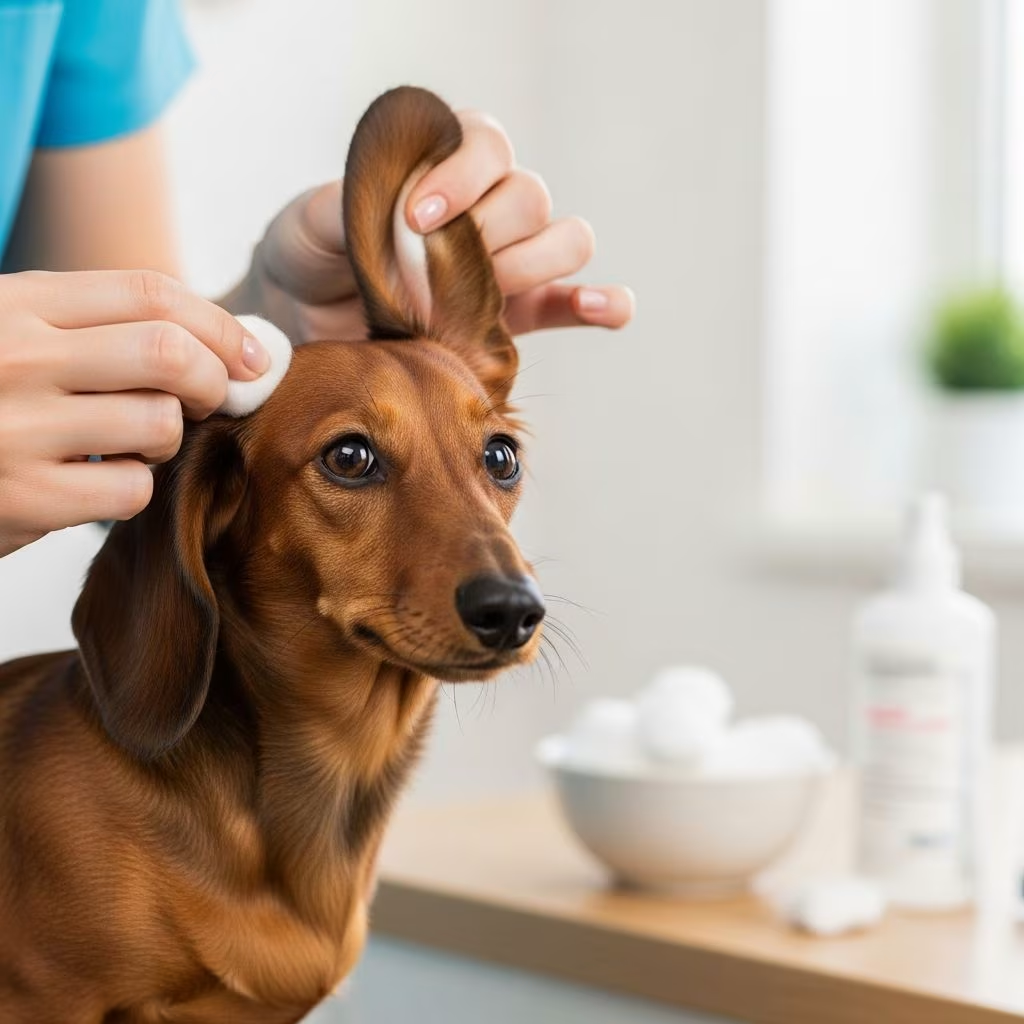
Dachshunds, with their distinctive long, floppy ears, face heightened risks for ear-related problems due to poor airflow and debris accumulation. Regular cleaning prevents infections, discomfort, and costly vet visits. This guide provides a complete approach to maintaining your dog’s ear health through observation, proper techniques, and preventive measures.
Why Dachshunds Need Special Ear Attention
The unique ear structure of Dachshunds traps moisture, wax, and dirt more easily than upright-eared breeds. Floppy ears block ventilation, creating a warm, damp environment ideal for yeast, bacteria, and mites to thrive. Untreated buildup leads to otitis externa, a painful inflammation affecting up to 20% of dogs annually, with long-eared breeds like Dachshunds overrepresented.
Owners must prioritize ear hygiene as part of routine care. Neglect can escalate to chronic issues requiring surgery or medication. Early intervention through home maintenance keeps ears clean and alerts you to brewing problems.
Recognizing Ear Health Red Flags
Monitor your Dachshund daily for subtle changes. Key warning signs include:
- Excessive head shaking or tilting to one side.
- Frequent pawing, scratching, or rubbing ears against furniture.
- Visible redness, swelling, or foul odor from the ear canal.
- Dark, waxy, or crumbly discharge; black specks suggest mites.
- Sensitivity when touching ears, whining, or balance issues.
These symptoms warrant immediate vet evaluation. Do not clean if infection is suspected, as it could worsen damage or rupture the eardrum.
Essential Tools for Safe Cleaning
Gather vet-approved supplies before starting:
| Item | Purpose | Tips |
|---|---|---|
| Ear cleaning solution | Loosens wax and debris | Choose pH-balanced, alcohol-free formulas; consult vet for prescriptions. |
| Cotton balls or pads | Gentle wiping | Softest available; avoid Q-tips to prevent deep insertion. |
| Damp and dry cloths | Surface cleaning and drying | Clean, lint-free; warm water only. |
| Treats | Positive reinforcement | High-value rewards for cooperation. |
Stock up on these to streamline sessions. Improper tools risk injury or incomplete cleaning.
Step-by-Step Ear Cleaning Process
Perform cleanings every 1-2 weeks or after swimming/baths. Sessions last 5-10 minutes per ear. Follow these steps precisely:
- Prepare your dog: Calm your Dachshund in a quiet area. Offer treats to associate handling positively.
- Inspect first: Gently lift the ear flap. Note debris, odor, or inflammation. Stop if painful.
- Apply cleaner: Hold the ear flap upright. Fill the canal with solution (avoid bottle contact). Use enough for spillover.
- Massage base: With one hand elevating the flap, rub the ear base 20-30 seconds. Listen for squishing as debris breaks down.
- Allow shake: Release; let your dog shake out loosened material. Protect yourself with a towel.
- Wipe debris: Use fresh cotton balls to swab visible gunk from the canal entrance and flap. Insert only finger-deep.
- Dry thoroughly: Pat with a dry cloth. Ensure no moisture remains to deter infections.
- Reward and repeat: Treat lavishly. Switch to the other ear.
Practice patience; puppies adapt faster. If resistance persists, seek professional grooming help.
Frequency and Timing Best Practices
Clean monthly for healthy ears, biweekly if active outdoors or prone to wax. Integrate into grooming routines post-walks or baths when dirt accumulates. Avoid over-cleaning, which strips natural oils and irritates skin.
For swimmers or humid climates, increase to weekly but dry ears immediately after water exposure. Puppies need gentle introductions from 8 weeks; adults with history of issues may require vet-monitored schedules.
Common Mistakes to Avoid
Steer clear of these pitfalls for safe results:
- Using Q-tips: Pushes debris deeper, risking perforation.
- Alcohol or hydrogen peroxide: Dries and burns sensitive tissue.
- Forcing during pain: Aggravates infections; vet first.
- Incomplete drying: Moisture breeds bacteria.
- Skipping vet approval: Wrong cleaners harm perforated eardrums.
Always prioritize gentleness. Errors prolong recovery from issues.
When to Call the Vet
Home care supports but doesn’t replace professional diagnosis. Seek care if:
- Symptoms persist post-cleaning.
- Thick discharge, blood, or pus appears.
- Hearing loss, head tilt, or neurological signs emerge.
- Cleaning causes yelping or bleeding.
Vets may scope ears, culture swabs, or prescribe drops/antibiotics. Chronic cases need allergy testing or flushing under sedation.
Preventive Strategies for Lifelong Ear Wellness
Proactive habits minimize troubles:
Daily Checks: Quick visual/olfactory inspections during pets.
Post-Activity Drying: Towel ears after play, swims, or baths.
Diet and Allergies: Feed hypoallergenic food if food sensitivities cause wax overproduction.
Breed-Specific Trims: Keep surrounding fur short to aid airflow.
Supplements: Omega-3s support skin health; vet-recommended only.
Track cleanings in a journal to spot patterns early.
Advanced Home Treatments
For mild buildup, vet-prescribed medicated cleaners double as preventives. Apply as directed post-cleaning. Never self-medicate; dosages vary by weight and condition.
Holistic options like diluted apple cider vinegar (1:1 water) suit some, but test small areas first and vet-approve.
Training Your Dachshund for Ear Handling
Desensitize gradually:
- Touch ears daily with praise/treats, no cleaning.
- Progress to holding flaps open.
- Introduce solution scent on cotton.
- Full sessions with breaks.
Positive reinforcement builds tolerance, reducing stress.
FAQs
How often should I clean my Dachshund’s ears?
Every 1-4 weeks, depending on activity and wax levels. Consult your vet for personalization.
Can I use baby wipes for ears?
No; they contain irritants. Stick to dog-specific products.
What if my dog hates ear cleaning?
Use high-reward treats, two-person teams, or muzzle-train for safety. Professional help if needed.
Is ear cleaning safe for puppies?
Yes, from 8 weeks with gentle, vet-approved methods.
How do I know if it’s an infection vs. wax?
Infections smell foul, cause pain/redness. Wax is dry/crusty without odor.
Long-Term Benefits of Consistent Care
Dedicated owners report fewer vet trips, happier dogs, and better quality of life. Clean ears enhance hearing, balance, and playfulness. Invest time now for a healthier companion.
References
- Instructions for Ear Cleaning in Dogs — VCA Animal Hospitals. 2023-05-15. https://vcahospitals.com/know-your-pet/instructions-for-ear-cleaning-in-dogs
- How to Clean Your Dog’s Ears — Cornell University College of Veterinary Medicine. 2024-02-10. https://www.vet.cornell.edu/departments-centers-and-institutes/riney-canine-health-center/canine-health-topics/how-clean-your-dogs-ears
- Cleaning Your Pet’s Ears — Veterinary Center of Hardyston. 2023-11-20. https://www.hardystonvet.com/services/how-clean-your-pets-ears
- Cleaning Your Dog’s Ears — Virbac. 2024-01-05. https://us.virbac.com/dog/ear-health/cleaning-your-dogs-ears
- CLEANING YOUR PET’S EARS — Dechra. 2022-07-01. https://www.dechra-us.com/Files/Files/SupportMaterialDownloads/us/US-030-BRO.pdf



