

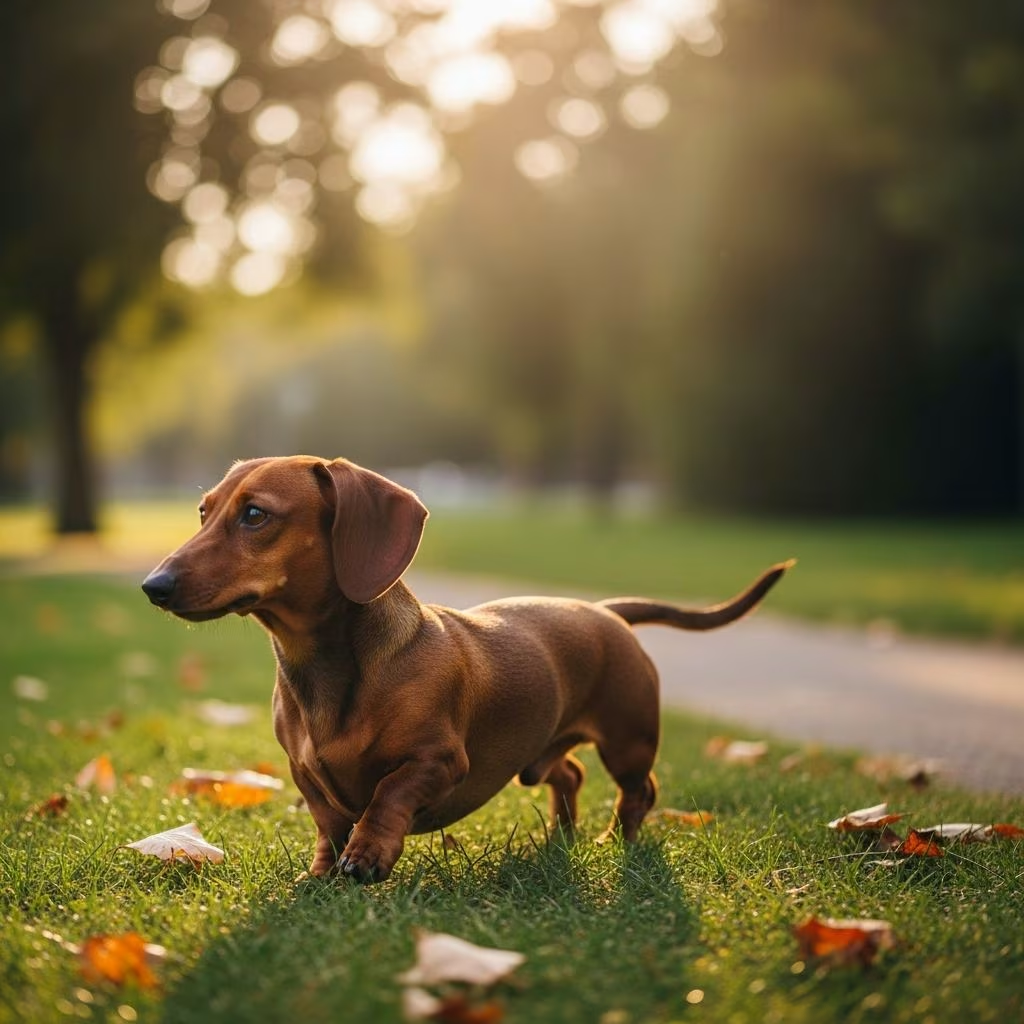
Dachshund Dog Breed: Complete Guide to History, Care, and Characteristics
The Dachshund, whose name translates to “badger dog” in German, is one of the most recognizable and beloved dog breeds worldwide. With their distinctive long bodies, short legs, and charming personalities, Dachshunds have captured the hearts of dog enthusiasts for centuries. Originally developed in Germany during the 15th century, these remarkable dogs were bred specifically to hunt badgers and other burrowing animals. Their unique physical structure and tenacious temperament made them perfectly suited for pursuing prey into underground burrows and confined spaces.
Physical Characteristics and Appearance
The Dachshund is immediately recognizable by its elongated body, short legs, and distinctive silhouette. The breed features a deep chest, tapering muzzle, and characteristically long ears that hang close to the head. This unique body structure, while aesthetically appealing, was purposefully developed to allow these dogs to enter and navigate through badger burrows effectively.
Size Varieties
Dachshunds are bred in two distinct sizes, allowing potential owners to choose based on their living situation and preferences:
Standard Dachshund: These larger dogs typically stand 8-9 inches tall at the withers and weigh between 16-32 pounds. They possess the full hunting prowess of the original badger dogs and maintain the breed’s characteristic vigor and determination.
Miniature Dachshund: Measuring just 5-6 inches in height, miniature versions weigh up to 11 pounds. Despite their smaller stature, miniature Dachshunds retain the bold personality and intelligence of their standard-sized cousins, though they may be slightly more prone to timidity.
Coat Types and Colors
The breed is available in three distinct coat types, each offering different aesthetic qualities and maintenance requirements:
Smooth Coat: The most common variety features a sleek, shiny appearance that requires minimal grooming beyond regular brushing and occasional baths.
Longhaired Coat: These Dachshunds display flowing, feathered fur that requires more frequent grooming. The longhaired variety tends to be less terrier-like in temperament and is generally considered more docile and affectionate than smooth-coated specimens.
Wirehaired Coat: Featuring a rough, wiry texture, this variety is the rarest and tends to display an even more pronounced terrier-like temperament, being particularly brash and feisty.
Dachshunds display a variety of colors and patterns, with the most common being solid reddish-brown or classic black-and-tan combinations. They may also feature brindle, dapple, or piebald patterns that add to their visual appeal.
Temperament and Personality
The Dachshund’s temperament reflects its hunting heritage in fascinating ways. Originally bred to confront badgers in underground chambers, these dogs possess a fearless, relentless, and sometimes reckless nature that belies their small size. This combination of courage and determination makes them engaging companions despite their independent streak.
Key Personality Traits
Dachshunds exhibit a unique blend of hound and terrier characteristics that shape their behavior and interactions:
Fearlessness and Independence: These dogs are not deterred by larger animals or challenging situations. They maintain an independent spirit and enjoy working through problems on their own, which can make them both entertaining and occasionally frustrating for owners.
Affection and Loyalty: Despite their independent nature, Dachshunds form strong bonds with their families. They are affectionate with loved ones and eager to please, though they may remain aloof or suspicious around strangers.
Watchdog Abilities: Even small Dachshunds make excellent watchdogs, alerting their families to potential threats with enthusiasm. Some may attempt to be protection dogs, though their size limits their effectiveness in this role.
Prey Drive and Hunting Instinct: The breed’s hound heritage creates a strong prey drive, causing them to pursue animal scent trails with focused determination. They may ignore calls to return when following an interesting scent, making secure fencing essential.
Vocalization: Dachshunds are known for barking, sometimes quite enthusiastically. This tendency toward vocalization should be considered by apartment dwellers or those with noise-sensitive neighbors.
The breed’s personality varies somewhat by coat type, with wirehaired varieties displaying more pronounced terrier traits and longhaired varieties being generally more docile and affectionate.
Training and Socialization
Dachshunds are highly intelligent dogs that respond well to consistent, reward-based training methods. However, their independent and sometimes stubborn nature can present challenges for inexperienced trainers.
Training Approaches
Positive Reinforcement: These dogs respond exceptionally well to rewards, treats, and affection. Food-oriented by nature, Dachshunds will work enthusiastically when motivated by tasty treats combined with verbal praise and physical affection.
Consistency and Patience: Training requires patience and consistency, as Dachshunds may test boundaries or resist commands they find uninteresting. Establishing clear rules and enforcing them uniformly across all family members ensures better results.
Early Socialization: Introducing puppies to various people, animals, and environments early in life helps develop well-rounded adults. Proper socialization can improve their receptiveness to strangers and reduce excessive wariness.
Distraction Management: Their strong prey drive means Dachshunds can become easily distracted during training sessions, particularly outdoors where scents and small animals capture their attention.
Socialization with Other Pets
With appropriate training and socialization, Dachshunds can coexist peacefully with other dogs and cats. However, they are generally not trustworthy around small rodent pets due to their hunting instincts and prey drive. Early introduction and supervised interactions help establish positive relationships with compatible animals.
Health Considerations and Genetic Concerns
While Dachshunds are generally healthy dogs with impressive longevity, their unique body structure predisposes them to specific health conditions that owners should understand and monitor.
Intervertebral Disc Disease (IVDD)
The most significant health concern for Dachshunds is intervertebral disc disease, a condition in which the cushioning disks between vertebrae bulge or rupture, resulting in pain and potentially paralysis. Research in the early 21st century identified a genetic component to IVDD, revealing that a mutation in short-legged dogs causes disk hardening, eventually leading to herniation. Remarkably, almost all Dachshunds are homozygous for the responsible genes, placing the entire breed at risk, though not all affected dogs develop symptomatic disease. Approximately 1 in 5 Dachshunds carry a gene that creates mineral deposits within spinal discs, further increasing herniation risk.
To minimize IVDD risk, owners should prevent activities that stress the spine, including jumping on or off furniture and running up or down stairs. Limiting sideways or twisting torso movements and maintaining proper weight through appropriate diet and exercise are essential preventive measures.
Other Genetic Health Conditions
Beyond IVDD, Dachshunds may inherit several other health conditions:
Luxating Patellar (Knee Dislocation): This condition involves the kneecap sliding out of its normal position, causing lameness and discomfort.
Bloat (Gastric Torsion): A life-threatening condition where the stomach expands and twists, requiring emergency veterinary intervention.
Ear Infections: The breed’s long, floppy ears trap moisture and debris, creating an environment conducive to bacterial and yeast infections.
Epilepsy: This neurological disorder causes seizures and requires ongoing management and medication.
Eye Problems: Various ocular conditions can affect vision and quality of life.
Responsible breeding practices, including genetic screening before breeding, significantly reduce the incidence of these conditions in puppies.
Lifespan and Longevity
Dachshunds are among the longest-lived dog breeds, with a typical lifespan of 12-16 years. Their small size contributes to their longevity, as smaller dogs generally outlive larger breeds. A well-cared-for Dachshund can potentially reach 16 years or beyond, making them long-term companions.
Factors Affecting Lifespan
Several factors significantly influence a Dachshund’s health and longevity:
Nutrition: A balanced diet containing appropriate protein, fats, carbohydrates, minerals, and vitamins, along with constant access to fresh water, is fundamental to health and longevity.
Exercise and Weight Management: Dachshunds are prone to obesity, which stresses their already vulnerable backs and contributes to various health problems. Regular exercise and portion control are essential.
Genetics and Breeding: Dogs from responsible breeders who screen for genetic conditions typically enjoy better health outcomes than those from irresponsible breeding operations.
Veterinary Care: Regular veterinary check-ups, vaccinations, and microchipping extend lifespan and ensure early detection of health issues. Puppies require more frequent vet visits for vaccinations and health monitoring.
Exercise and Activity Requirements
Despite their small stature, Dachshunds require regular exercise to maintain physical and mental health. Daily activity should include 30-40 minutes of moderate exercise, such as walks, playtime, and interactive games. Their hunting heritage means they enjoy activities that engage their natural instincts, such as nose work or scent games.
Mental stimulation is equally important as physical exercise. Puzzle toys, training sessions, and interactive games help satisfy their intelligent minds and prevent behavioral problems stemming from boredom.
Grooming and Coat Care
Grooming requirements vary by coat type, with smooth-coated Dachshunds requiring minimal grooming beyond regular brushing, while longhaired varieties need more frequent attention to prevent matting and tangling. All coat types benefit from occasional baths, nail trimming, and ear cleaning.
The breed’s ear structure requires special attention, as their long, floppy ears can trap moisture and debris, leading to infections. Regular ear inspection and cleaning help prevent these common problems.
Frequently Asked Questions
Q: Are Dachshunds good family dogs?
A: Yes, Dachshunds make excellent companions for people of all ages. However, they may not be immediately welcoming to visitors and unfamiliar children, though proper socialization can improve this tendency. They are particularly well-suited for families willing to provide training, exercise, and mental stimulation.
Q: How much barking should I expect from a Dachshund?
A: Dachshunds are vocal dogs and may bark considerably, particularly in response to perceived threats or when they’re excited. This is an important consideration for apartment dwellers or noise-sensitive environments.
Q: What is the best way to prevent back problems in Dachshunds?
A: Preventing back problems involves minimizing stress on the spine by avoiding jumping, limiting stair use, maintaining a healthy weight, and providing appropriate exercise. Consulting with a veterinarian about specific preventive measures tailored to your dog’s individual risk factors is recommended.
Q: Can Dachshunds live with cats and other pets?
A: With proper socialization and training, Dachshunds can coexist peacefully with dogs and cats. However, they typically cannot be trusted with small rodent pets due to their strong prey drive.
Q: How often should Dachshunds visit the veterinarian?
A: Healthy adult Dachshunds should visit the veterinarian at least once annually for check-ups and preventive care. Puppies require more frequent visits for vaccinations and health assessments.
Conclusion
Dachshunds are remarkable dogs that combine distinctive physical characteristics with bold, engaging personalities. Their rich hunting heritage continues to influence their behavior and temperament, making them spirited companions for dedicated owners. While they face specific health challenges related to their body structure, responsible breeding, proper care, excellent nutrition, and regular veterinary attention can help these charming dogs enjoy long, healthy, and happy lives. For those willing to provide appropriate training, socialization, exercise, and medical care, a Dachshund makes an outstanding family companion that will provide years of entertainment, loyalty, and unconditional affection.
References
- Dachshund — Britannica. Accessed 2025-11-27. https://www.britannica.com/animal/dachshund
- How Long Do Dachshunds Live? Vet-Reviewed Average Lifespan — Dogster. Accessed 2025-11-27. https://www.dogster.com/lifestyle/dachshund-lifespan-how-long-do-they-live
- Dachshund vs Mini Dachshund: The Differences — Hepper. Accessed 2025-11-27. https://articles.hepper.com/dachshund-vs-mini-dachshund/
- 7 Ways to Treat and Prevent Back Problems in Dachshunds — PetMD. Accessed 2025-11-27. https://www.petmd.com/dog/slideshows/7-ways-treat-and-prevent-back-problems-dachshunds
- Dachshund Dog Breed Information — American Kennel Club. Accessed 2025-11-27. https://www.akc.org/dog-breeds/dachshund/



