

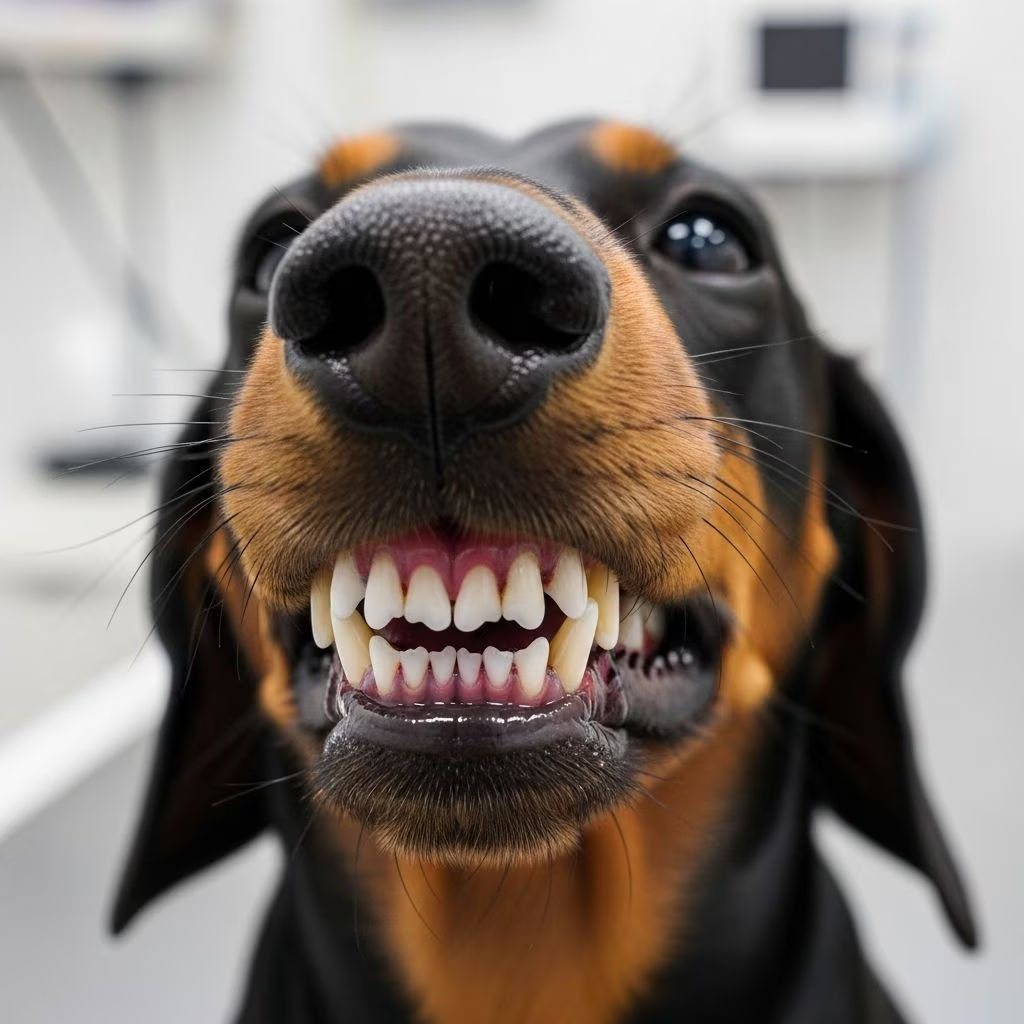
Dachshunds, with their distinctive elongated bodies and compact heads, charm pet owners worldwide, but their unique anatomy predisposes them to a range of oral health challenges. The breed’s narrow jaws and relatively long snouts create a cramped space for their full set of teeth, leading to overcrowding that traps food particles and fosters bacterial growth. This setup accelerates plaque accumulation, tartar formation, and subsequent gum diseases, making dental care a critical aspect of responsible ownership. Statistics indicate that over two-thirds of dogs aged three and older suffer from periodontal disease, with small breeds like Dachshunds at even higher risk due to their physiology.
Neglecting oral hygiene doesn’t just cause local pain; it can contribute to systemic issues such as weakened immunity, cardiac complications, and renal strain as bacteria enter the bloodstream. Early detection and consistent maintenance routines are key to averting these problems. This guide delves into the breed-specific vulnerabilities, recognizable symptoms, professional interventions, and practical at-home strategies to ensure your Dachshund maintains a healthy mouth throughout its life.
Why Dachshunds Face Heightened Oral Risks
The Dachshund’s skull structure plays a pivotal role in their dental predispositions. Unlike larger breeds with broader muzzles, Dachshunds possess elongated yet narrow snouts inherited from their hunting origins, where they were bred to pursue badgers in tight burrows. This results in a mismatch: standard adult teeth in a diminutive jaw space, causing misalignment and rotation.
Genetic factors exacerbate this; selective breeding for miniaturization in both standard and miniature varieties has shrunk head size faster than tooth dimensions have adapted, intensifying crowding. Additionally, their aggressive chewing tendencies—stemming from high prey drive—heighten fracture risks when encountering overly rigid items. Combined with smaller salivary glands producing less cleansing saliva, these traits create an ideal environment for pathogens.
Prevalent Dental Disorders in Dachshunds
Dachshunds encounter a spectrum of teeth troubles, from mild plaque issues to severe structural damage. Understanding these empowers owners to act swiftly.
Plaque and Tartar Accumulation
The foundational culprit begins with plaque, a biofilm of bacteria, food debris, and saliva that adheres to enamel within hours of eating. In Dachshunds, tight tooth spacing hinders natural rinsing, allowing plaque to mineralize into porous tartar within days. This harbors more microbes, inflaming gums and eroding support tissues.
Gum Inflammation Stages
Gingivitis marks the initial reversible phase, characterized by reddened, swollen gums from plaque irritation. Progressing unchecked, it evolves into periodontitis, where infection invades the periodontal ligament and alveolar bone, loosening teeth irreversibly. Small breeds suffer this disproportionately, with visible calculus layers signaling advanced stages.
| Condition | Primary Cause | Key Indicators |
|---|---|---|
| Gingivitis | Plaque buildup | Red gums, halitosis, minor calculus |
| Periodontitis | Untreated gingivitis | Mobile teeth, pus, eating difficulties |
Structural Anomalies and Trauma
Overcrowding leads to malocclusions, where teeth fail to align properly, complicating chewing and cleaning. Retained puppy teeth, failing to shed, compound this by blocking adult eruptions. Fractures often stem from chomping hard objects like antlers or tennis balls, whose gritty surfaces abrade enamel over time.
Enamel defects, or hypoplasia, arise during tooth development from nutritional deficits, infections, or injuries, leaving dentin exposed to staining and decay. Abscesses form when bacteria penetrate root canals, creating pus-filled swellings.
Spotting Trouble: Symptoms to Monitor
Vigilance is vital since Dachshunds mask discomfort stoically. Routine mouth inspections—weekly—reveal early cues. Common red flags include:
- Persistent foul breath beyond typical “doggy odor”
- Excessive drooling or pawing at the mouth
- Facial asymmetry or gum/muzzle swelling
- Hesitancy to eat kibble, preferring soft foods
- Visible tartar, bleeding gums, or loose teeth
- Nasal discharge, sneezing, or unilateral chewing
- Brownish teeth staining or stunted appearance
Older dogs may drop food or shun toys, signaling pain. If multiple signs appear, schedule a vet exam promptly to prevent escalation.
Professional Veterinary Interventions
When home efforts falter, vets employ comprehensive diagnostics like dental radiographs to assess hidden roots and bones. General anesthesia enables thorough scaling, polishing, and extractions for irreparable teeth.
- Prophylactic Cleanings: Remove sub- and supragingival buildup, preventing progression.
- Extractions: For fractured, abscessed, or periodontally compromised teeth; multi-rooted molars often go first.
- Advanced Therapies: Root canals or crowns for salvageable premium teeth; antibiotics and analgesics manage infections.
Frequency depends on risk: high-risk Dachshunds may need annual procedures post-three years.
Empowering Home Dental Regimens
Prevention trumps treatment; integrate these daily/weekly habits:
Brushing Protocols
Use enzymatic dog toothpaste (poultry-flavored appeals) on a dual-headed brush or finger cot. Target outer surfaces twice daily, five days weekly, lifting lips gently. Start slow with positives to acclimate.
Supplementary Aids
- Chews and Toys: VOHC-approved dental chews scrape plaque; avoid rocks, nylon bones, or ice.
- Additives: Water additives or gels with chlorhexidine reduce bacteria.
- Dietary Choices: Kibble designed for dental abrasion; senior formulas for softened needs.
Track progress with before/after photos; combine methods for 20-80% plaque reduction.
Life Stage Considerations for Oral Wellness
Puppies warrant deciduous tooth monitoring; persistent baby canines necessitate extractions to avert permanent misalignment. Adults focus on hygiene amid peak activity. Seniors combat recession and attrition, possibly requiring softer diets or senior dentals.
FAQs on Dachshund Dental Health
Can Dachshunds lose teeth naturally?
Unlike humans, healthy dog teeth don’t fall out with age; loss signals disease. Prompt vet intervention preserves adjacent structures.
Is professional cleaning safe under anesthesia?
For healthy Dachshunds, risks are minimal; pre-op bloodwork ensures safety. Benefits far outweigh untreated decay.
What chews are Dachshund-safe?
Opt for soft, digestible options like rubber toys or vet-recommended edibles; supervise to prevent gulping.
How often should I check my Dachshund’s mouth?
Weekly inspections, daily breath checks; annual vet dental exams for all, biannual for at-risk pups.
Does bad breath always mean dental issues?
Often yes in Dachshunds, but rule out diet or GI problems first.
Maintaining your Dachshund’s oral health demands commitment but yields a pain-free, joyful companion. Consistent routines and proactive veterinary partnerships mitigate breed pitfalls effectively.
References
- Dachshund Teeth: Dental Issues and Breed-Specific Care Tips — The Pet Lab Co. 2023. https://thepetlabco.com/learn/dog/health-wellness/dachshund-teeth
- 10 Common Dachshund Teeth Problems: Vet-Explained Causes — Dogster. 2024. https://www.dogster.com/ask-the-vet/dachshund-teeth-problems
- 6 Common Dachshund Teeth Problems — You Did What With Your Weiner. 2023. https://youdidwhatwithyourweiner.com/common-dachshund-teeth-problems/
- Long-Nosed Dogs Vulnerable to Periodontal Disease — Animal Dental Australia. 2024. https://animaldental.com.au/long-nosed-dogs-periodontal-disease/



