

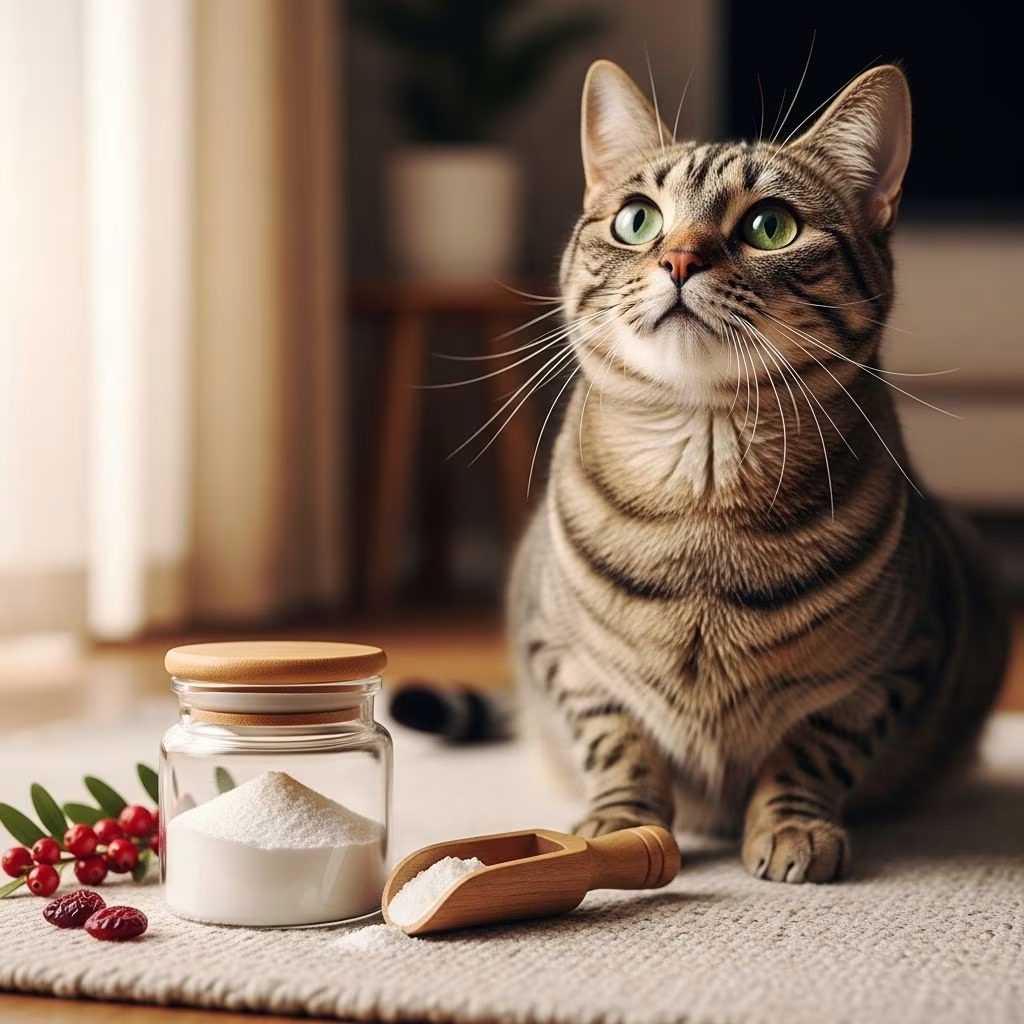
Urinary tract infections remain one of the most common health concerns affecting domestic cats, causing discomfort and distress to both feline companions and their owners. While traditional antibiotic treatments have long been the standard approach, veterinary professionals and pet owners increasingly recognize the value of natural alternatives that can address these issues with fewer side effects. D-mannose represents one such option—a naturally occurring simple sugar that offers promising support for feline urinary tract health.
Understanding D-Mannose: What It Is and How It Works
D-mannose is a six-carbon monosaccharide, a type of natural sugar distinct from the glucose that affects blood sugar levels. Unlike conventional sugars that the body metabolizes for energy, D-mannose passes through the digestive system largely unchanged and is eventually excreted through the urinary tract. This unique characteristic makes it particularly valuable for addressing urinary health concerns in felines.
The mechanism by which D-mannose supports urinary tract health centers on bacterial adhesion prevention. Pathogenic bacteria, particularly Escherichia coli (E. coli), possess specialized structures called fimbriae on their surfaces. These fimbriae contain mannose receptors that naturally bind to mannose molecules. When D-mannose is present in high concentrations within the urinary system, bacteria preferentially attach to the D-mannose rather than to the uroepithelial cells that line the bladder and urethra. This prevents colonization and allows the bacteria to be naturally flushed from the system during normal urination.
Why Cats Benefit from D-Mannose Supplementation
Cats face particular vulnerability to urinary tract complications due to their evolutionary biology and behavioral patterns. Felines produce naturally concentrated urine, and their lower inherent thirst drive compared to other species means they may not consume adequate water throughout the day. These factors create an environment where bacteria can more easily establish infection.
D-mannose supplementation addresses these challenges through multiple pathways:
- Bacterial Prevention: By blocking bacterial attachment mechanisms, D-mannose prevents the initial establishment of infection before it can spread and cause symptomatic disease
- Immune System Support: Recent research demonstrates that D-mannose supplementation elevates immunoglobulin G (IgG) levels in cats, enhancing the body’s natural defense mechanisms
- Microbiota Modulation: The supplement promotes beneficial bacterial communities within the digestive tract, which indirectly supports urinary tract health through improved overall immunity
- Reduced Antibiotic Dependency: By providing effective alternative treatment, D-mannose decreases reliance on antibiotic medications, thereby reducing the risk of developing antibiotic-resistant bacterial strains
Recognizing Feline Urinary Tract Issues
Understanding the signs that suggest your cat may benefit from D-mannose support is essential for proactive pet care. Cats experiencing urinary tract complications typically display recognizable behavioral and physical changes:
| Symptom | Description | Why It Occurs |
|---|---|---|
| Dysuria (Painful Urination) | Straining, vocalization, or reluctance during elimination | Inflammation and irritation of urinary tissues |
| Pollakiuria (Frequent Urination) | Multiple trips to litter box with small volumes | Bacterial irritation triggering frequent urges |
| Hematuria (Blood in Urine) | Visible blood or discoloration in litter box | Tissue damage from bacterial colonization |
| Urinary Urgency | Sudden, insistent need to urinate | Bacterial inflammation of the bladder |
| Behavioral Changes | Lethargy, decreased appetite, or abnormal elimination outside litter box | Systemic response to infection and discomfort |
Hematological and Biochemical Benefits
Beyond its primary function in preventing bacterial adhesion, D-mannose demonstrates broader systemic benefits when administered to cats. Clinical research involving randomized controlled trials has shown that supplementation with D-mannose for 14 days resulted in measurable improvements across multiple health markers.
The supplement enhances oxygen transport efficiency by improving hemoglobin levels and red blood cell indices, including mean corpuscular volume and mean corpuscular hemoglobin. Additionally, D-mannose supplementation improved coagulation function markers, including mean platelet volume and platelet distribution width, suggesting benefits to circulatory health overall.
Prebiotic Properties and Digestive Health
While D-mannose’s most recognized application targets urinary tract health, its prebiotic characteristics deserve particular attention. Prebiotics are indigestible food components that selectively stimulate the growth and activity of beneficial bacterial species within the gastrointestinal tract.
When D-mannose functions as a prebiotic in feline digestive systems, it promotes the proliferation of health-promoting bacterial species while limiting the expansion of potentially pathogenic organisms. This creates a more balanced microbiota composition, which strengthens intestinal barrier function and enhances immune system development. A healthier gut microbiota indirectly supports urinary tract health by strengthening overall immunity and reducing systemic inflammation that could compromise urinary tissue integrity.
Administration Methods and Practical Considerations
D-mannose supplements designed for feline consumption come primarily in powder form, offering flexibility in administration. Pet owners can introduce D-mannose into their cat’s routine through several practical approaches:
- Mixing the powder directly into water bowls or wet food for cats that prefer moist meals
- Sprinkling powder on top of dry kibble for cats that struggle with wet food textures
- Incorporating the supplement into specially formulated treat vehicles designed for palatability
- Combining with wet food immediately before serving to ensure consumption
The typical recommended dosage follows a standardized calculation based on body weight, generally around 0.5 grams per kilogram of body weight daily. Pet owners should consult with their veterinarian regarding appropriate dosing for their individual animal, as specific requirements may vary based on the cat’s health status, age, and existing conditions.
Symptom Resolution Timeline and Expected Outcomes
Cats supplemented with D-mannose often experience noticeable symptom improvement within a relatively short timeframe. Many pet owners report observable reduction in urinary discomfort and frequency within 48 to 72 hours of consistent supplementation initiation. This rapid response reflects the supplement’s direct mechanism of action in the urinary tract.
Pain and discomfort associated with dysuria typically diminish as bacterial populations decrease and tissue inflammation subsides. Urinary frequency normalizes as the urgent sensation caused by bacterial irritation resolves. Energy levels often improve once the systemic stress imposed by active infection decreases, allowing cats to return to normal activity levels and appetite.
Prevention Versus Treatment Applications
D-mannose functions effectively in two distinct therapeutic contexts. Many veterinarians recommend the supplement for preventive purposes in cats with recurring urinary tract problems, using ongoing supplementation to extend intervals between infection episodes or prevent initial infections altogether.
The supplement simultaneously serves as an active treatment for cats currently experiencing symptomatic urinary tract infections. When used therapeutically during acute episodes, D-mannose can reduce symptom severity and accelerate recovery alongside or instead of antibiotic therapy, depending on veterinary recommendations and infection severity.
Safety Profile and Adverse Effect Considerations
Research examining D-mannose safety in veterinary and human populations consistently demonstrates an exceptional safety profile. Multiple clinical trials and literature reviews have documented remarkably low incidence of adverse effects, making the supplement suitable for long-term supplementation in most cats.
The supplement does not accumulate in body tissues or create dependency. Cats can discontinue supplementation without experiencing rebound effects. Because D-mannose bypasses normal metabolic pathways and is primarily excreted unchanged, it does not stress organs like the liver or kidneys the way some medications might.
The low incidence of adverse effects contrasts sharply with antibiotic therapy, which frequently produces gastrointestinal disturbances, allergic reactions, or other complications in sensitive felines. This safety advantage makes D-mannose particularly valuable for senior cats or those with concurrent health conditions that complicate antibiotic use.
Comparing D-Mannose to Traditional Treatment Approaches
Conventional treatment of feline urinary tract infections typically relies on broad-spectrum antibiotics, which effectively eliminate bacterial populations but introduce potential drawbacks. Antibiotic therapy can disrupt healthy bacterial communities throughout the digestive tract, paradoxically creating conditions that promote recurrent infections once treatment concludes.
D-mannose offers a fundamentally different therapeutic approach. Rather than attempting to kill bacteria through chemical mechanisms, it prevents bacterial colonization by blocking adhesion mechanisms. This preventive strategy avoids disrupting the cat’s natural microbiota and carries reduced risk of fostering antibiotic-resistant bacterial strains—an increasingly serious public health concern.
Furthermore, the low cost of D-mannose supplementation compared to prescription medications represents a meaningful consideration for budget-conscious pet owners managing chronic urinary issues. Many cats require ongoing management of recurrent infections, and D-mannose provides an economical maintenance strategy.
Frequently Asked Questions About Feline D-Mannose Use
Can D-mannose be used alongside antibiotic medications?
Yes, D-mannose can complement antibiotic therapy during acute infections and should be continued afterward for preventive purposes. The supplement’s mechanism differs from antibiotics, so concurrent use does not create contraindications. However, veterinary guidance should always be sought regarding specific medication interactions.
How long should a cat receive D-mannose supplementation?
Duration depends on the clinical context. For acute infection treatment, supplementation typically continues for 2-4 weeks or until symptoms resolve completely. For prevention in cats with recurrent infections, ongoing supplementation may be recommended indefinitely, though some cats may successfully transition to periodic supplementation based on individual response patterns.
Does D-mannose work for all types of feline urinary tract infections?
D-mannose demonstrates particular effectiveness against E. coli infections, which cause the majority of bacterial urinary tract problems in cats. Other bacterial species causing urinary infections may not respond as dramatically, though the supplement still provides benefit through its immune-supporting and prebiotic properties.
Are there specific cat breeds or ages that benefit most from D-mannose?
While all cats can benefit from D-mannose supplementation, older cats and breeds predisposed to urinary issues represent ideal candidates for preventive supplementation. Senior cats experiencing age-related immune system changes particularly benefit from the immune-enhancing properties D-mannose provides.
Integrating D-Mannose Into Comprehensive Feline Wellness
Incorporating D-mannose supplementation represents one component of a holistic approach to feline urinary tract health. Supporting supplementation with adequate hydration, appropriate diet composition, and environmental enrichment creates an optimal framework for preventing recurrent infections.
Encouraging water consumption through multiple water sources, wet food diets, or specially designed water fountains complements D-mannose supplementation by diluting urine and promoting frequent urination—both of which naturally flush bacteria from the system. Environmental stress reduction through adequate litter box access, vertical spaces, and predictable routines further supports immune function and urinary health.
Regular veterinary monitoring allows early detection of developing infections before they progress to severe symptomatic disease. Combining these multifaceted approaches with D-mannose supplementation provides cats with comprehensive protection against urinary tract complications.
References
- D-mannose Use for Bacterial Urinary Tract Infections in Dogs and Cats — American Holistic Veterinary Medical Association. 2022. https://www.ahvma.org/wp-content/uploads/D-mannose-Volume-67-Summer-2022.pdf
- D-mannose enhances immune function and modulates gut microbiota composition in adult cats: A randomized controlled trial — Research in Veterinary Science. 2025. https://pubmed.ncbi.nlm.nih.gov/41166862/
- D-Mannose Safe for Older Cats — Goodbye UTI. 2022. https://goodbye-uti.com/blogs/news/d-mannose-is-safe-and-effective-for-older-cats



