
Cystic Right Oviduct: Causes, Diagnosis, And Treatment Guide
Understanding the causes, symptoms, diagnosis, and management of cystic right oviduct in laying hens for better poultry care.
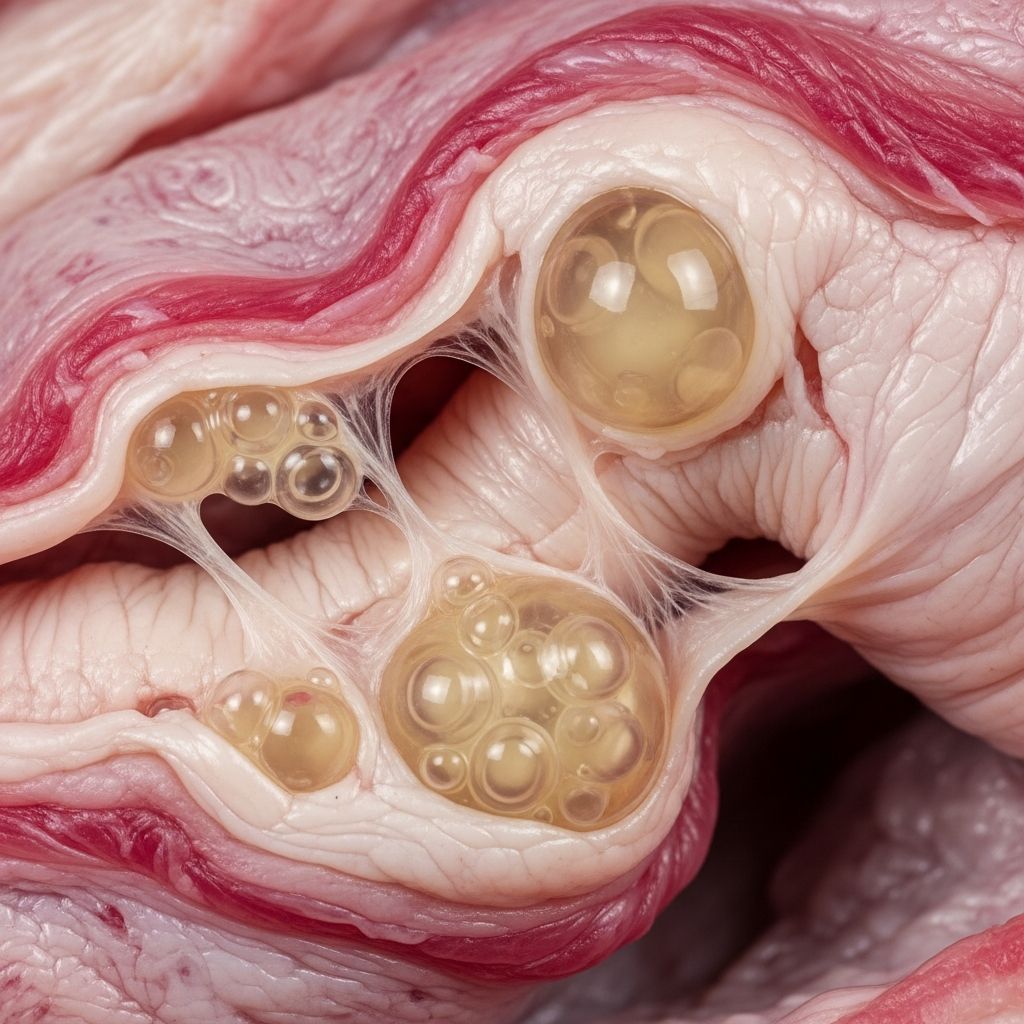
This condition represents a developmental irregularity in the reproductive system of hens, where remnants of the right oviduct fail to regress during embryonic growth, leading to fluid-filled cysts that can impact health and productivity.
Developmental Origins of the Condition
In avian anatomy, hens typically develop a single functional ovary and oviduct on the left side, while the right side structures naturally degenerate before hatching. This regression stems from the right Müllerian duct, which forms early in embryogenesis but normally atrophies completely. When this process falters, vestigial tissues persist and evolve into cysts over time, often becoming evident in mature birds.
Genetic factors may play a role in predisposing certain birds, though environmental influences during incubation or early life can exacerbate the issue. For instance, exposure to pathogens disrupts normal development, highlighting the interplay between heredity and external triggers.
Factors Contributing to Cyst Formation
Several elements contribute to the persistence and enlargement of these right oviduct remnants:
- Viral Infections: Outbreaks of infectious bronchitis virus (IBV), particularly in young chicks under 7 days old, correlate with higher incidences. Strains like DMV/1639 or QX variants damage developing reproductive tissues, promoting cyst development.
- Embryonic Disruptions: Incomplete Müllerian duct regression due to hormonal imbalances or incubation anomalies can leave behind tubular remnants that accumulate clear, serous fluid.
- Breed and Flock Variations: Backyard poultry show elevated rates compared to commercial strains, possibly from diverse genetics or less controlled rearing.
These cysts attach via a thin stalk to the cloacal region, filling with colorless to whitish fluid, and can grow substantially, exerting pressure on surrounding organs.
Recognizing Symptoms in Affected Hens
Many cases remain asymptomatic, discovered only during postmortem exams in culled birds, especially in high-production flocks where impact is minimal. However, larger cysts provoke noticeable changes:
- Abdominal distension resembling a fluid-filled balloon, often fluctuant on palpation.
- General malaise including lethargy, weakness, and diminished feed intake.
- Decline in egg production or complete cessation, signaling reproductive compromise.
- Respiratory distress if cysts compress air sacs or lungs due to the absence of a diaphragm in birds.
Symptoms mimic other disorders like egg yolk peritonitis or ovarian tumors, necessitating careful evaluation. Fluid from cysts is typically clear, distinguishing it from yellowish ascites.
Diagnostic Approaches for Accurate Identification
Veterinarians employ a stepwise process to confirm cystic right oviduct amid differentials such as neoplasia, left oviduct hyperplasia, or free fluid accumulations:
| Method | Description | Advantages |
|---|---|---|
| Physical Exam | Palpation for soft, movable abdominal mass; avoid dorsal positioning to prevent lung compression. | Non-invasive initial screen. |
| Imaging | Radiographs reveal fluid opacity; ultrasound delineates cyst walls and stalks precisely. | Visualizes structure without incision. |
| Aspirate Analysis | Coelomocentesis yields clear fluid for cytology (no cells) and culture (sterile unless infected). | Differentiates from inflammatory conditions. |
| Surgical Exploration | Laparotomy confirms attachment and allows removal. | Definitive but invasive. |
Early detection in pet or backyard hens improves outcomes, while flock-level monitoring focuses on production metrics.
Management and Treatment Strategies
Treatment varies by context—commercial versus individual birds:
- Observation: Small, incidental cysts require no action, as they seldom affect flock performance.
- Drainage: Ultrasound-guided aspiration relieves pressure in symptomatic cases, though recurrence is common without addressing the source.
- Surgical Intervention: Cystectomy via coelotomy removes the structure, but risks include anesthesia complications from space-occupying lesions and poor long-term success.
Prognosis remains guarded; supportive care like fluids and antibiotics for secondary infections aids recovery. Euthanasia may be humane for severe cases in non-commercial settings.
Preventive Measures for Poultry Keepers
Proactive steps mitigate risks, especially in small flocks:
- Vaccinate against IBV per local protocols to shield young chicks.
- Maintain biosecure environments minimizing viral exposure.
- Select breeding stock from reputable sources with low malformation histories.
- Regular health checks, including abdominal palpation during routine exams.
Flock owners should track laying rates and body condition, culling persistent underperformers to preserve overall vitality.
Impacts on Poultry Production and Welfare
In commercial operations, cystic right oviduct rarely disrupts output, but backyard scenarios differ. Affected hens divert energy to cyst maintenance, reducing eggs and vitality. Welfare concerns arise from discomfort and organ compression, underscoring veterinary consultation.
Research links IBV timing to severity; infections at 1-2 weeks provoke hypoplasia or cysts, emphasizing neonatal protection.
Common Misdiagnoses and Clarifications
Owners often confuse this with:
- Ascites: Yellowish fluid from heart/liver failure versus clear cyst fluid.
- Internal Laying: Yolk peritonitis yields inflammatory exudate, not sterile serous fluid.
- Tumors: Solid masses on imaging, unlike fluid-filled cysts.
Postmortem confirmation reveals the stalk attachment, a hallmark feature.
Frequently Asked Questions (FAQs)
Can cystic right oviduct be cured completely?
Surgical removal offers the best chance, but recurrence and surgical risks limit full resolution in many cases.
Is this condition hereditary?
Genetic predisposition exists, so breeding from affected lines may increase flock incidence.
How do I know if my hen has this issue?
Look for a soft, swinging abdomen and laying drop; seek vet imaging for confirmation.
Does draining the cyst help long-term?
It provides temporary relief but cysts often refill without excision.
Is vaccination effective prevention?
IBV vaccines reduce early infections, lowering cyst formation risks.
Advanced Insights for Veterinarians
Histopathology shows simple epithelial lining in cyst walls, confirming developmental origin. Cytology reveals acellular transudates, ruling out infection unless secondarily contaminated. Epidemiologic surveillance post-IBV aids flock management.
Word count: 1678 (excluding metadata and references).
References
- Cystic Right Oviduct in Poultry — Merck Veterinary Manual. 2022. https://www.merckvetmanual.com/poultry/disorders-of-the-reproductive-system-in-poultry/cystic-right-oviduct-in-poultry
- Infection with IBV DMV/1639 at a young age leads to increased incidence of cystic oviduct formation — Viruses. 2022-05-01. https://doi.org/10.3390/v14050852
- Cystic right oviduct — Vetlexicon. Accessed 2026. https://www.vetlexicon.com/avis/reproduction/articles/cystic-right-oviduct/
- Reproductive Tract Illnesses In Hens — Open Sanctuary Project. Accessed 2026. https://opensanctuary.org/excerpts-from-the-compassionate-care-classroom-reproductive-tract-illnesses-in-hens/
- Malformations – Persistent Right Oviduct — The Poultry Site. Accessed 2026. https://www.thepoultrysite.com/publications/diseases-of-poultry/221/malformations
- False Laying in Poultry — MSD Veterinary Manual. Accessed 2026. https://www.msdvetmanual.com/poultry/disorders-of-the-reproductive-system-in-poultry/false-laying-in-poultry
Similar Articles








Read full bio of medha deb


