

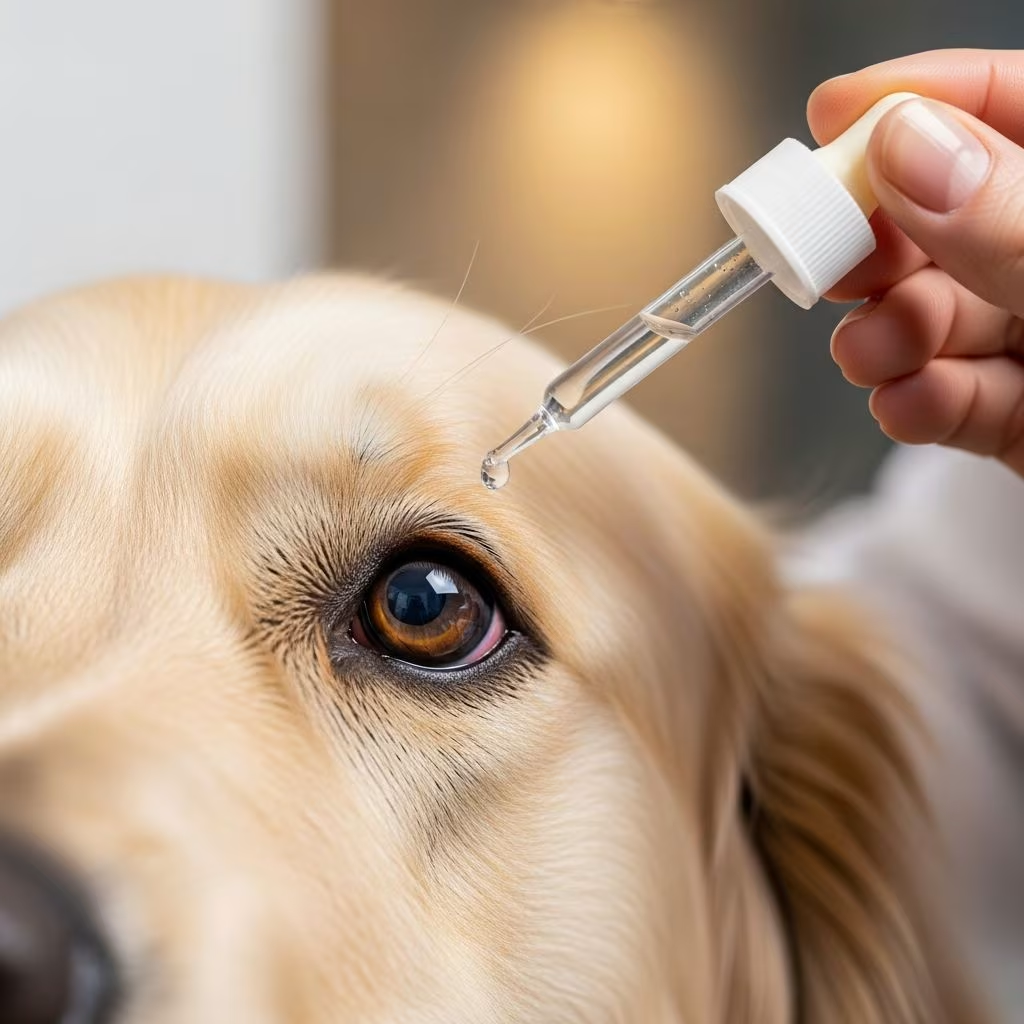
Cyclosporine Ophthalmic: A Complete Guide to Canine Eye Treatment
Cyclosporine ophthalmic ointment is an immunosuppressant medication used in the treatment of eye diseases suspected to be immune-related in dogs. This specialized eye medication has become an important therapeutic tool for veterinarians managing chronic ocular conditions. Understanding how this medication works, how to administer it properly, and what to expect during treatment can help pet owners make informed decisions about their dog’s eye health and ensure optimal therapeutic outcomes.
What Is Cyclosporine Ophthalmic?
Cyclosporine ophthalmic is an FDA-approved veterinary medication specifically formulated for treating chronic eye conditions in dogs. The most common brand name is Optimmune, which contains 0.2% cyclosporine in an ointment formulation. This medication represents a significant advancement in veterinary ophthalmology, as it is the only FDA-approved cyclosporine ophthalmic product designed for animal use. The formulation is sterile and preservative-free, which reduces the chance of secondary infection and chemical irritation to the delicate structures of the eye.
The medication comes as a sterile ointment that can sometimes be compounded into a higher concentration ophthalmic solution for pets that do not respond adequately to the standard ointment formulation. This flexibility in dosage forms allows veterinarians to tailor treatment to individual patient needs and maximize therapeutic effectiveness.
Approved Uses and Indications
Cyclosporine ophthalmic ointment is primarily indicated for the management of two specific chronic eye conditions in dogs:
Keratoconjunctivitis Sicca (KCS) – Dry Eye
Dry eye, medically known as keratoconjunctivitis sicca or KCS, is one of the most common conditions treated with cyclosporine ophthalmic. Dogs with dry eye may exhibit several clinical signs including excessive blinking, swelling around the eye, discharge from the eye, a prominent third eyelid, swollen conjunctival blood vessels, and changes in the cornea. These symptoms occur because the tear glands fail to produce adequate tears to keep the eye moist and protected.
Chronic Superficial Keratitis (CSK) – Pannus
Chronic superficial keratitis, commonly referred to as pannus or pannus keratitis, is another primary indication for cyclosporine ophthalmic treatment. This condition involves chronic inflammation of the cornea and requires long-term management. Like dry eye, pannus is typically a chronic condition that requires consistent, life-long care to maintain vision and ocular comfort.
Off-Label Uses
Veterinarians may also prescribe cyclosporine ophthalmic to treat other inflammatory diseases of the cornea and immune-mediated eye conditions. The use for treating inflammatory conditions of the eye other than KCS is considered “off-label” or “extra-label” use. Many drugs are commonly prescribed for off-label use in veterinary medicine, and in these instances, pet owners should follow their veterinarian’s directions and cautions very carefully.
How Cyclosporine Ophthalmic Works
The therapeutic mechanism of cyclosporine ophthalmic involves dual action on the immune system and tear production. The active ingredient, cyclosporine, inhibits T cells, which are a type of white blood cell involved in the immune response. By inhibiting these T cells, cyclosporine helps regulate the immune system in dogs with dry eye or pannus, effectively decreasing inflammation on the surface of the eye.
Beyond its immunosuppressive action, cyclosporine also appears to stimulate the lacrimal gland, which is responsible for producing tears. This dual mechanism—decreasing inflammation while simultaneously increasing tear production—can significantly improve the clinical signs of dry eye and pannus in dogs. It is important to note that while cyclosporine effectively manages symptoms and improves quality of life, it is not a cure for these chronic conditions.
The medication achieves its therapeutic effect while avoiding systemic toxicity, making it a safe option for long-term ocular use. Because the ointment is applied directly to the eye, the medication works locally where it is needed most, minimizing the risk of systemic side effects that might occur with oral medications.
Administration and Dosage Guidelines
How to Apply Cyclosporine Ointment
Proper administration of cyclosporine ophthalmic is crucial for therapeutic success and safety. When administering this medication, pet owners should wear gloves and be careful not to touch the tube or container tip to their pet’s eye or eyelid. This precaution helps prevent contamination of the medication and reduces the risk of introducing bacteria to the eye.
It is important to administer cyclosporine ophthalmic in the exact amount prescribed by your veterinarian. The applicator tip must not contact the eye during application to avoid contaminating the medication. Your veterinarian will help you develop an administration technique that will be effective and minimally stressful for both you and your dog.
After administering the medication, pet owners should wash their hands thoroughly. If the pet is prescribed more than one eye medication, it is typically recommended to wait 5-10 minutes between instilling different medications into the eye to allow proper absorption and prevent interaction between medications.
Dosage Schedule
Cyclosporine ophthalmic ointment is commonly applied every 12 hours, though the specific dosing schedule should always be determined by your veterinarian based on your individual pet’s condition. The timeline for therapeutic response is important to understand: it can take from 3 to 8 weeks before an increase in tear production becomes noticeable. Pet owners should not become discouraged if immediate improvement is not observed, as this is a normal part of the therapeutic process.
Missed Dose Instructions
If a dose of cyclosporine ophthalmic is forgotten, it should be given when remembered. However, if it is almost time for the next scheduled dose, the missed dose should be skipped and the normal dosing schedule resumed. Under no circumstances should extra or double doses be given to compensate for a missed application. Do not stop using cyclosporine without first consulting your veterinarian, as abrupt discontinuation may result in recurrence of symptoms.
Possible Side Effects
Cyclosporine ophthalmic is generally well tolerated by most dogs. However, like all medications, it can occasionally cause side effects. If your dog develops any new or worsening symptoms during treatment, you should consult your veterinarian promptly. It is important to note that sometimes symptoms may be from worsening of the underlying disease rather than true medication side effects.
Common Ocular Side Effects
Side effects of cyclosporine ophthalmic may include:
- Redness of the eyes
- Watery eyes
- Eye discomfort, manifested as rubbing or “pawing” at the face or eyes
- Eyelid squinting or excessive blinking
- Redness or swelling of the eyelids
- Hair loss around the eyes
Human Safety Considerations
This medication is also used in human medicine, but with different dosages and formulations. If you accidentally ingest cyclosporine ophthalmic or get it in your eye, seek medical attention immediately or call the national Poison Control Center hotline at 800-222-1222.
Monitoring and Follow-Up Care
While no specific monitoring is absolutely required for cyclosporine ophthalmic, your veterinarian may recommend routine testing of tear production and ocular examinations to assess eye inflammation. Additional testing may be recommended depending on your pet’s individual needs, other medications they may be taking, and the specific issue that initially caused your pet to be placed on this medication.
When to Contact Your Veterinarian
You should call your veterinarian if any of the following occur:
- Severe side effects are observed
- Your dog’s condition worsens or does not improve with treatment
- You see or suspect an overdose
Call your veterinarian or pharmacist if you have any additional questions or concerns about the use of cyclosporine ophthalmic.
Overdose Information
Overdose of cyclosporine through ocular application is very rare; however, an overdose may occur if an animal ingests the medication directly. Symptoms of an overdose may include vomiting, diarrhea, loss of appetite, increased thirst, and increased urination. If your pet ingests cyclosporine ophthalmic or its packaging, immediately seek emergency veterinary care or contact an animal poison control center. Consultation fees often apply to these emergency services.
Emergency Contact Numbers:
- Pet Poison Helpline: (855) 764-7661
- ASPCA Animal Poison Control: (888) 426-4435
Special Considerations and Precautions
Long-Term Management
Both dry eye and pannus are chronic conditions that typically require consistent, life-long care. Cyclosporine ophthalmic is prescribed for these conditions to increase tear production and improve the clinical signs of disease, but it is important to understand that it is not a cure. Many dogs will need to continue receiving this medication indefinitely to maintain ocular comfort and prevent vision complications.
Formulation Options
Cyclosporine ophthalmic is available in different formulations to meet varying therapeutic needs. Standard formulations contain 0.2% cyclosporine, while higher concentration solutions (typically 1% to 2%) may be compounded for patients requiring more intensive therapy or those who have not responded adequately to standard formulations. Your veterinarian will determine the most appropriate formulation for your dog’s specific condition.
Frequently Asked Questions
Q: How long does it take for cyclosporine ophthalmic to work?
A: It can take from 3 to 8 weeks before an increase in tear production becomes noticeable. Pet owners should be patient with treatment and maintain consistent application as directed by their veterinarian.
Q: Can cyclosporine ophthalmic be used in cats?
A: While cyclosporine solutions are sometimes used off-label in cats for immune-mediated eye conditions, the FDA-approved formulation (Optimmune) is specifically approved for use in dogs. Always consult your veterinarian before using this medication in cats.
Q: What should I do if I miss a dose?
A: Apply the dose as soon as you remember. If it is almost time for the next scheduled dose, skip the missed dose and resume your normal schedule. Never give double doses.
Q: Is cyclosporine ophthalmic safe for long-term use?
A: Yes, cyclosporine ophthalmic is safe for long-term use and is often prescribed indefinitely for chronic conditions like dry eye and pannus. Many dogs require life-long treatment with this medication.
Q: Can I use cyclosporine ophthalmic with other eye medications?
A: Yes, but wait 5-10 minutes between instilling different eye medications to ensure proper absorption and prevent interaction between medications.
Q: What is the shelf life of cyclosporine ophthalmic?
A: The typical shelf life is up to 24 months with no refrigeration required for the standard ointment formulation, making it convenient for long-term storage.
Q: Will my dog need to use cyclosporine forever?
A: Since dry eye and pannus are chronic conditions, most dogs require ongoing treatment to maintain ocular comfort and prevent complications. Do not stop treatment without consulting your veterinarian.
References
- Optimmune Ophthalmic Ointment Product Information — Merck Animal Health USA. 2024. https://www.merck-animal-health-usa.com/products/optimmune-ophthalmic-ointment-0-2-cyclosporine-usp/
- Cyclosporine Ophthalmic Medication Guide — PetMD. 2024. https://www.petmd.com/pet-medication/cyclosporine-ophthalmic-ointment
- Cyclosporine for Veterinary Use — Avrio Pharmacy. 2024. https://avriorx.com/cyclosporine-for-veterinary-use/
- Cyclosporine – Ophthalmic — VCA Animal Hospitals. 2024. https://vcahospitals.com/know-your-pet/cyclosporine—ophthalmic
- Cyclosporine 1% Ophthalmic Solution Information — PetScript Pharmacy. 2024. https://www.petscriptpharmacy.com/products/cyclosporine-1-ophthalmic-solution-5ml



