

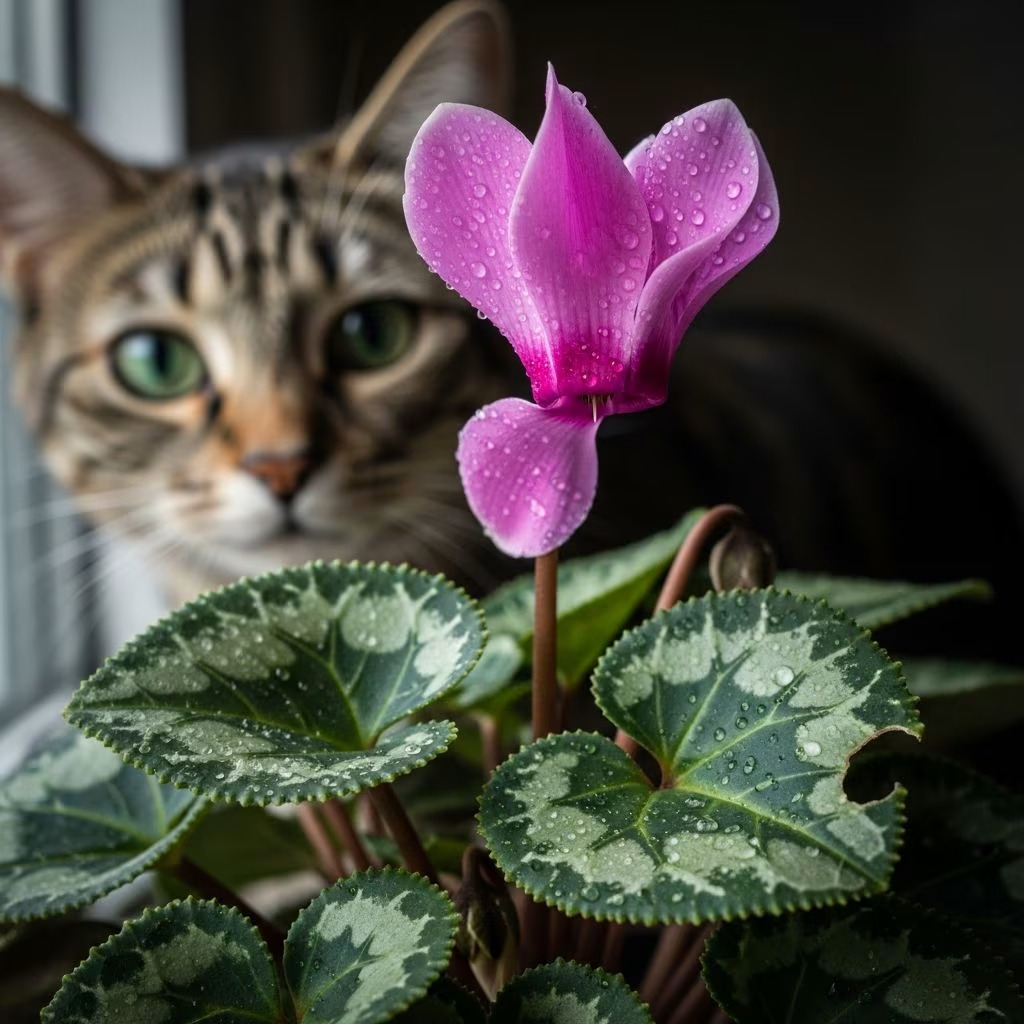
Cyclamen plants, prized for their vibrant blooms and lush foliage, can turn deadly for curious cats. These popular houseplants contain toxic compounds that trigger gastrointestinal distress and, in severe cases, cardiac complications or seizures. Understanding the risks helps cat owners protect their pets from this common indoor danger.
Understanding Cyclamen and Its Appeal in Homes
Cyclamen belongs to the Primulaceae family, featuring heart-shaped leaves and delicate, upswept flowers in shades of pink, white, and red. Homeowners favor them for low-maintenance care and year-round beauty, often placing them on windowsills or shelves within easy reach of agile cats. However, every part harbors irritants, with tubers posing the greatest threat due to concentrated saponins and other chemicals.
These plants thrive in moderate light and cool temperatures, mimicking natural habitats in the Mediterranean and parts of Europe and Asia. While safe for human decoration, feline curiosity—chewing leaves or digging roots—leads to frequent exposures reported by veterinary toxicology centers.
Why Cyclamen Poisons Cats: Breaking Down the Toxins
The primary culprits are saponins, natural detergents that disrupt cell membranes in a cat’s digestive tract, causing irritation and fluid shifts. Tubers contain higher levels, potentially leading to systemic absorption and impacts on the heart and nervous system. Unlike some plants with oxalate crystals, cyclamen’s effects stem from these soaps-like substances, provoking immediate oral and stomach reactions.
Cats lack certain enzymes to metabolize these compounds efficiently, amplifying toxicity even from small nibbles. Factors like plant freshness, cat size, and ingestion amount influence severity—kittens and small adults face higher risks.
Recognizing Early Warning Signs of Exposure
Symptoms often appear within 30 minutes to a few hours post-ingestion. Watch for:
- Excessive drooling and pawing at the mouth from oral irritation.
- Vomiting, sometimes foamy or containing plant matter.
- Diarrhea, which may be loose or bloody in heavier exposures.
- Lethargy and reduced appetite as discomfort sets in.
These initial signs mimic milder upset but warrant attention.
Severe Symptoms Demanding Urgent Intervention
Large ingestions, especially tubers, escalate dangers. Advanced effects include:
- Heart rhythm disturbances like tachycardia or arrhythmias.
- Tremors progressing to convulsions.
- Weakness, collapse, or paralysis in extreme cases.
- Potentially fatal outcomes without prompt care.
Monitoring for breathing issues or abnormal heart rates is critical, as these signal toxin spread beyond the gut.
| Symptom Severity | Common Signs | Onset Time | Action Needed |
|---|---|---|---|
| Mild | Drooling, mild vomiting | 30 min – 2 hrs | Monitor, call vet |
| Moderate | Diarrhea, lethargy | 1-6 hrs | Seek vet care |
| Severe | Seizures, heart issues | 2-12 hrs | Emergency vet |
Immediate Steps for Suspected Ingestion
Act swiftly but safely. First, prevent further exposure by isolating the plant. Gently rinse your cat’s mouth with cool water or milk to soothe irritation—avoid forcing if resistant. Do not induce vomiting at home, as cats risk aspiration; this is a vet-only procedure.
Collect plant samples or photos for identification. Contact a vet or poison hotline like ASPCA at (888) 426-4435 or Pet Poison Helpline at (855) 764-7661 immediately. Note ingestion time, amount, and symptoms for accurate guidance.
Veterinary Diagnosis and Treatment Protocols
Vets confirm via history, exam, and baseline tests: bloodwork for organ function, urinalysis for kidney strain, and ECG for heart rhythm. Treatments include:
- Activated charcoal to bind toxins, often repeated due to recirculation.
- Antiemetics to control nausea and IV fluids for hydration.
- Gastroprotectants for gut lining repair.
- Anti-seizure meds or cardiac support if needed.
Most cats recover fully with early intervention; hospitalization spans 24-72 hours for monitoring.
Prevention: Cat-Proofing Your Green Space
Eliminate risks proactively:
- Opt for hanging baskets or high shelves beyond jumping range.
- Use pet barriers or plant rooms inaccessible to cats.
- Train with deterrents like citrus sprays or aluminum foil around pots.
- Supervise play near greenery and provide cat grass alternatives.
Maintain a toxic plant list from reliable sources and audit your home regularly.
Safe Plant Alternatives for Cat Households
Enhance your space safely:
- Spider plants (Chlorophytum comosum)—non-toxic, air-purifying.
- Parlor palm (Chamaedorea elegans)—tough and feline-friendly.
- Boston fern (Nephrolepis exaltata)—lush without hazards.
- Catnip (Nepeta cataria)—stimulates safely in moderation.
Verify options via ASPCA’s non-toxic list before purchase.
FAQs: Cyclamen and Cat Safety
Is all cyclamen equally toxic?
Tubers are most dangerous; leaves and flowers cause milder issues. Any contact merits caution.
How much cyclamen is lethal for cats?
No safe threshold exists; even small amounts sicken. Tubers amplify risk exponentially.
Can outdoor cyclamen harm cats?
Yes, garden varieties pose identical threats to roaming felines.
What if my cat seems fine after chewing?
Delayed symptoms occur; monitor 24-48 hours and consult a vet preemptively.
Are cyclamen safe for other pets?
Dogs face similar but often milder reactions; birds and small mammals vary.
Long-Term Care Post-Exposure
Recovering cats benefit from bland diets, hydration encouragement, and rest. Follow-up bloodwork ensures no lingering organ damage. Reinforce prevention to avoid repeats, fostering a safer home.
Statistics underscore urgency: plant ingestions rank among top pet poison calls, with cyclamen frequently implicated. Educated owners prevent tragedies.
References
- Houseplants and Ornamentals Toxic to Animals — Merck Veterinary Manual. 2023. https://www.merckvetmanual.com/toxicology/poisonous-plants/houseplants-and-ornamentals-toxic-to-animals
- Some Plants Can Make Your Cat Sick — CVETS. 2024. https://cvets.net/some-plants-can-make-your-cat-sick/
- Garden Plant Toxicity in Cats — PetMD. 2025. https://www.petmd.com/cat/poisoning/garden-plant-toxicity-in-cats
- Cyclamen — American College of Veterinary Pharmacists. 2024. https://vetmeds.org/pet-poison-control-list/cyclamen/
- Top 6 Poisonous Plants for Cats — Veterinary Emergency Group. 2024. https://www.veg.com/post/6-poisonous-plants-for-cats
- Cyclamen – Toxic and Non-toxic Plants — ASPCA. 2025. https://www.aspca.org/pet-care/aspca-poison-control/toxic-and-non-toxic-plants/cyclamen



