

Understanding Cyanosis in Dogs
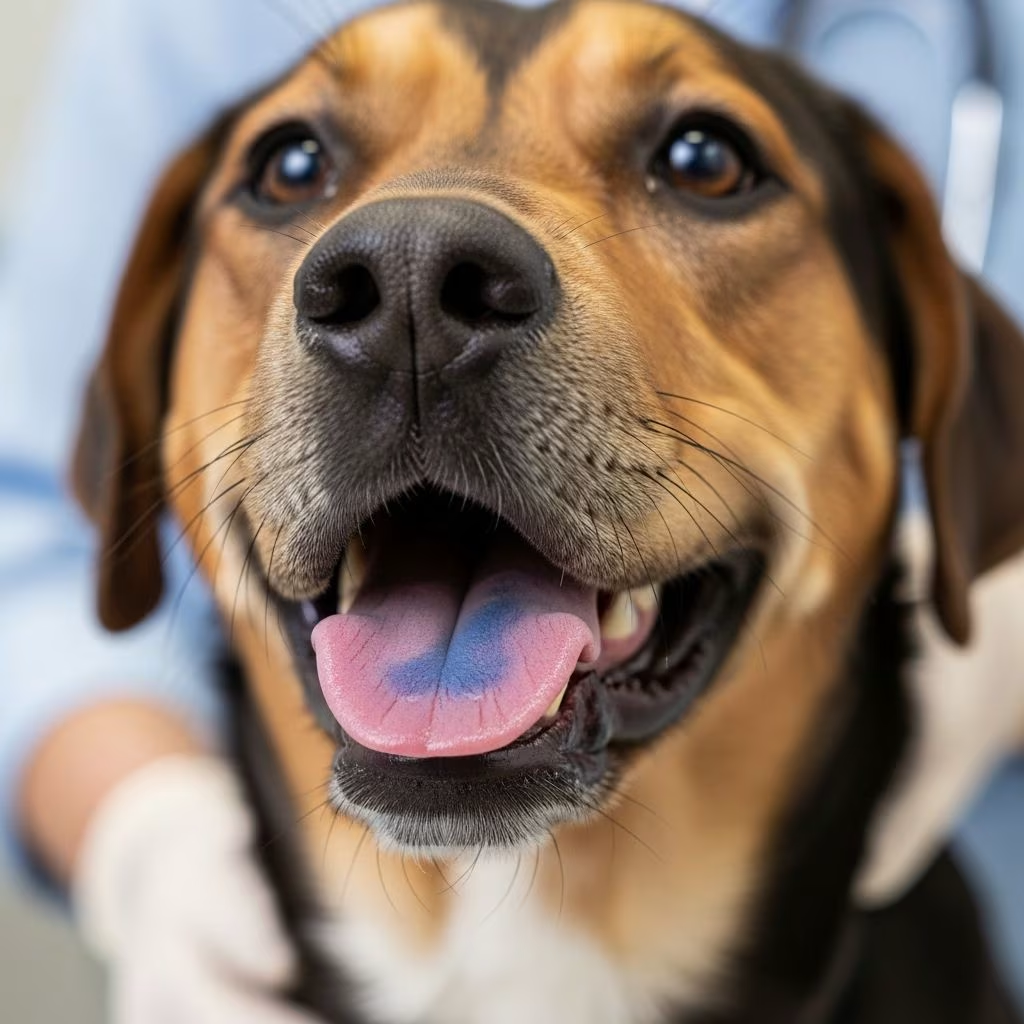
Cyanosis in dogs is a serious medical condition characterized by a blue or purple discoloration of the gums, tongue, and skin. This color change occurs when oxygen levels in the blood become critically low, preventing adequate oxygen delivery to tissues throughout the body. Rather than a disease itself, cyanosis is a clinical sign that indicates a potentially life-threatening underlying condition affecting your dog’s respiratory system, circulatory system, or blood oxygen-carrying capacity. The presence of cyanosis demands immediate emergency veterinary care, as delayed treatment can significantly reduce your dog’s chances of survival and recovery.
What Does Cyanosis Look Like?
The primary sign of cyanosis is a distinctive blue or purple discoloration that is most visible on the gums, tongue, and mucous membranes. You may also notice this color change on the skin, particularly in areas with less fur coverage. The discoloration occurs because deoxygenated hemoglobin in the blood has a blue tint, and when oxygen saturation drops below critical levels, this color becomes visible through the tissues. Additionally, you should watch for a bluish tinge around the lips and inner surfaces of the ears. Any abnormal color change in these areas should be treated as an emergency requiring immediate veterinary attention.
Recognizing Symptoms and Emergency Signs
While blue or purple discoloration of the gums and tongue is the hallmark symptom, cyanosis is typically accompanied by several other clinical signs that indicate your dog is in respiratory distress or cardiovascular compromise:
- Severe respiratory distress, including rapid panting or labored breathing
- Persistent coughing or wheezing
- Visible abdominal muscle contractions during breathing attempts
- Extreme fatigue or lethargy
- Confusion, disorientation, or altered mental status
- Inability to stand or rise from a lying position
- Collapse or loss of consciousness
- Agitation or pacing behavior
Any combination of these symptoms warrants immediate emergency veterinary care. The presence of blue gums or tongue alongside any of these signs indicates your dog requires oxygen therapy and diagnostic evaluation as soon as possible.
Underlying Causes of Cyanosis in Dogs
Cyanosis can result from various medical conditions affecting the lungs, heart, blood vessels, or the blood’s ability to carry oxygen. Understanding these causes helps explain why immediate veterinary intervention is essential.
Respiratory System Causes
Conditions affecting the lungs and airways prevent adequate oxygen from entering the bloodstream. These include severe pneumonia, asthma, bronchitis, smoke inhalation, choking, airway obstruction, and paralysis of the larynx. Brachycephalic breeds, including pugs, bulldogs, Boxers, Shih Tzus, Pekingese, and English Toy Spaniels, are particularly predisposed to respiratory distress due to their anatomical airway limitations, especially when overheated or stressed.
Cardiac Causes
Heart problems represent another major category of cyanosis causes. These cardiac conditions include congestive heart failure, severe cardiac arrhythmias, structural heart disease such as valvular disease, dilated cardiomyopathy, and hypertrophic cardiomyopathy. Congenital heart defects present from birth can also result in cyanosis. Additionally, advanced heartworm disease and pericardial disease with fluid accumulation (pericardial effusion or tamponade) can compromise heart function enough to cause inadequate oxygen delivery.
Systemic Causes
Beyond lung and heart problems, cyanosis can develop from severe anemia, where reduced red blood cell counts limit oxygen-carrying capacity, or from circulatory conditions that prevent adequate oxygen delivery to peripheral tissues.
How Veterinarians Diagnose Cyanosis
Diagnosing the underlying cause of cyanosis requires a systematic approach using multiple diagnostic tools. Your veterinarian will typically begin with a thorough physical examination and patient history. When your dog is stable enough to tolerate testing, diagnostic procedures may include:
- Blood Work: Complete blood counts and blood chemistry panels help identify anemia, infection, electrolyte imbalances, and organ function
- Electrocardiogram (ECG): Records electrical activity of the heart to detect arrhythmias and other cardiac abnormalities
- Cardiac Ultrasound (Echocardiogram): Provides detailed imaging of heart structure and function, revealing valve disease, chamber enlargement, and other cardiac pathology
- Chest X-rays: Reveals lung disease, fluid accumulation, heart enlargement, and other thoracic abnormalities
However, stabilization with oxygen therapy often takes priority over extensive diagnostic testing. Once your dog’s oxygen levels are restored and they are stable, your veterinarian can proceed with these diagnostic investigations to identify the specific underlying condition.
Emergency Treatment and Stabilization
The immediate goal when treating a cyanotic dog is to restore adequate oxygen levels in the blood as quickly as possible. The first treatment step almost always involves supplemental oxygen administration. Your veterinarian may place your dog in an oxygen cage or use an oxygen mask or nasal cannula to deliver high concentrations of oxygen. This initial oxygen therapy is critical and may be administered before extensive diagnostics are performed.
Additionally, minimizing stress is crucial during stabilization, as excitement and anxiety increase oxygen demand. Your veterinarian will keep your dog calm and may use sedation if necessary. Some dogs may need to remain in the oxygen-enriched environment until they are stable enough to be held for diagnostic testing or treatment procedures.
Definitive Treatment Based on Underlying Cause
Once your dog is stabilized with oxygen and the underlying cause has been identified, treatment becomes specific to that diagnosis. Treatment options may include:
- Medications: Diuretic medications help remove excess fluid from the lungs in cases of heart disease or pulmonary edema. Additional heart medications improve cardiac function and output. Antibiotics treat bacterial pneumonia, while bronchodilators and corticosteroids may help with obstructive airway disease.
- Fluid Drainage: Your veterinarian may need to remove excess fluid from the chest cavity to reduce pressure on the lungs and allow them to expand properly, particularly in cases of pericardial effusion or severe pulmonary edema
- Surgical Intervention: Some cases require surgical procedures, such as creating a small opening in the windpipe (tracheostomy) to bypass upper airway obstruction, or correcting structural heart defects
- Heartworm Treatment: Dogs with advanced heartworm disease may require specific antiparasitic treatment protocols
- Oxygen Therapy: Continued supplemental oxygen may be necessary for days or weeks depending on the underlying condition
Prognosis and Long-term Outlook
The prognosis for a dog with cyanosis varies dramatically depending on several factors. The underlying cause, how quickly treatment is initiated, the dog’s response to treatment, and whether the dog can be successfully stabilized all influence outcomes. Some conditions, such as airway obstruction from foreign objects or brachycephalic airway syndrome, may be highly treatable with good recovery potential. Other conditions, such as advanced heart disease or severe anemia, carry more guarded prognoses.
The duration of oxygen deprivation before treatment is also critical. Tissues that have been without adequate oxygen for extended periods may suffer permanent damage. This is why seeking emergency veterinary care immediately upon noticing cyanosis symptoms is absolutely essential—every minute counts in determining your dog’s likelihood of full recovery.
Special Consideration for Brachycephalic Breeds
Certain dog breeds with short muzzles and compressed airways face significantly higher risk for cyanosis. Pugs, Bulldogs, Boxers, Shih Tzus, Pekingese, Lhasa Apsos, and English Toy Spaniels are predisposed to respiratory distress in general, and this risk escalates when they become overheated, stressed, or obese. Owners of these breeds should maintain them in cool environments, avoid excessive exercise in warm weather, and monitor closely for signs of respiratory compromise. Early recognition and emergency care are particularly important for these breed predispositions.
Frequently Asked Questions About Cyanosis in Dogs
Q: Is cyanosis always an emergency?
A: Yes, cyanosis is considered a medical emergency. The presence of blue gums or tongue indicates dangerously low blood oxygen levels that require immediate veterinary intervention. Delaying care can result in organ damage or death.
Q: Can cyanosis be treated at home?
A: No. Cyanosis cannot be effectively treated at home. Your dog requires professional oxygen therapy, diagnostic testing, and medications that only a veterinarian can provide. Home care alone is unlikely to address the underlying problem.
Q: How long does it take to treat cyanosis?
A: Treatment duration depends on the underlying cause. Some cases stabilize within hours with appropriate therapy, while others may require days or weeks of treatment and monitoring.
Q: Will my dog have permanent damage from cyanosis?
A: This depends on how long your dog was oxygen-deprived before treatment began and how successfully the underlying cause is addressed. Early intervention minimizes the risk of permanent neurological or organ damage.
Q: Can cyanosis happen suddenly?
A: Yes, cyanosis can develop suddenly in response to acute conditions like choking, anaphylaxis, or sudden heart problems. Some dogs may also develop it gradually as chronic conditions like heart disease progressively worsen.
Q: Are certain dog breeds more prone to cyanosis?
A: Yes, brachycephalic breeds with shortened airways, including Bulldogs, Pugs, Boxers, and Shih Tzus, are predisposed to cyanosis, especially during heat or stress. However, any dog can develop cyanosis from various medical conditions.
References
- Cyanosis in Dogs: What It Looks Like and How It’s Treated — Vetster. 2025. https://vetster.com/en/wellness/cyanosis-in-dogs-what-it-looks-like-and-how-it-s-treated
- Why Is My Dog’s Skin Turning Purple? Cyanosis in Dogs — Carolina Veterinary Specialists. 2024-09-15. https://www.charlotte.carolinavet.com/site/charlotte-emergency-vet-blog/2024/09/15/cyanosis-dogs
- Cyanosis & Blue Skin in Dogs: Symptoms, Treatment & More — Hill’s Pet Nutrition. 2025. https://www.hillspet.com/dog-care/healthcare/cyanosis-in-dogs-symptoms-and-treatment
- Cyanosis in Dogs and Cats — Pet Health Network. 2025. https://www.pethealthnetwork.com/dog-health/dog-diseases-conditions-a-z/cyanosis-dogs-and-cats
- Why Is My Dog’s Skin Turning Purple? — South Novato Animal Hospital. 2024-05-15. https://www.southnovatoanimalhospital.com/site/blog/2024/05/15/cyanosis-dogs
- Cyanosis in Dogs — PetMD. 2025. https://www.petmd.com/dog/conditions/cardiovascular/cyanosis-dogs



