

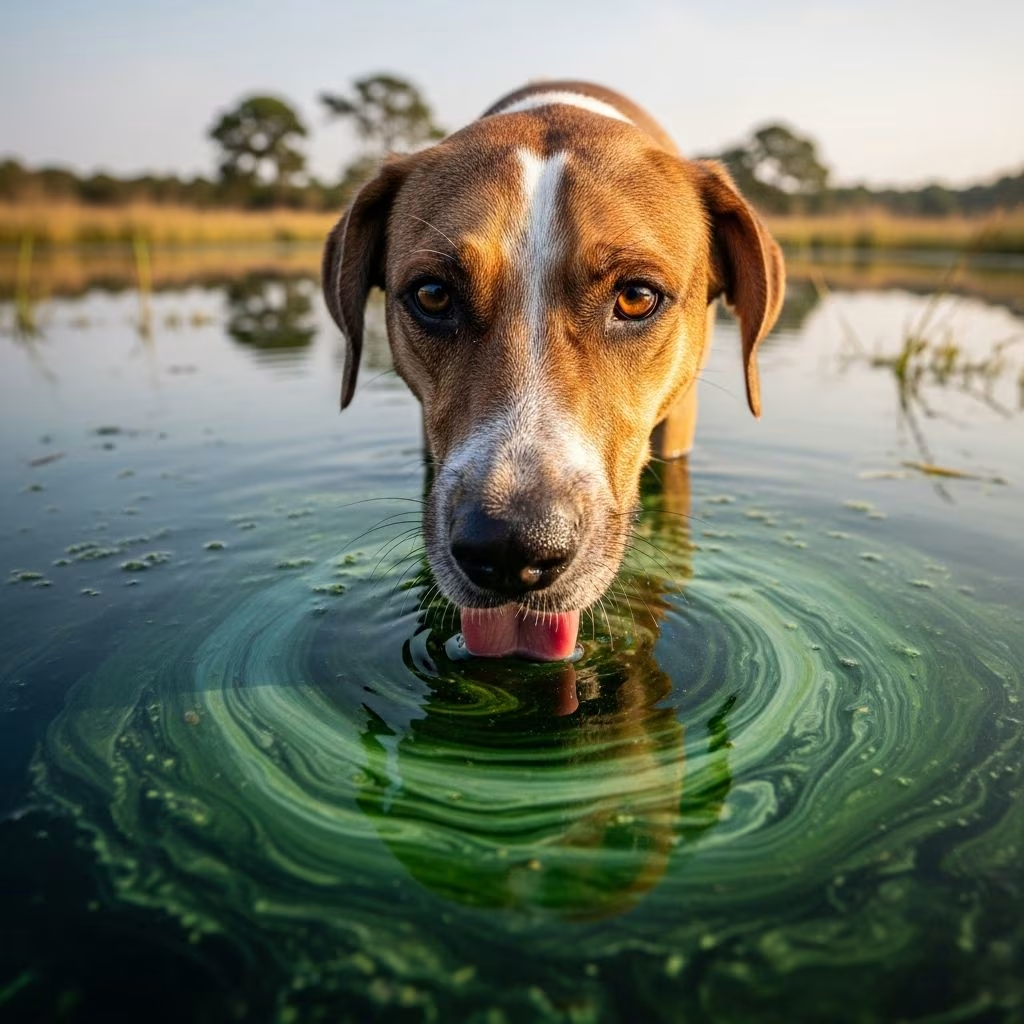
Cyanobacteria, often called blue-green algae, form harmful blooms in freshwater bodies and pose a severe threat to dogs through potent neurotoxins and hepatotoxins. Exposure can lead to rapid onset of life-threatening symptoms, requiring immediate veterinary intervention for any chance of survival.
The Nature of Cyanobacteria Blooms
Cyanobacteria are microscopic organisms that thrive in warm, nutrient-rich waters like lakes, ponds, and reservoirs, especially during summer months. Under favorable conditions such as high temperatures and pollution runoff, they multiply rapidly, creating visible scum layers that appear blue-green, greenish, or brownish on the water surface. These blooms produce cyanotoxins, including microcystins that damage the liver and anatoxins that attack the nervous system.
Not all algal growth is toxic, but cyanobacteria blooms are unpredictable and cannot be identified safely by appearance alone. Warm weather, stagnant water, and eutrophication from agricultural fertilizers exacerbate bloom formation, making recreational water areas risky for pets.
Risks to Canine Health from Water Exposure
Dogs face danger when they drink, swim in, or even walk through contaminated water. The toxins are ingested directly or absorbed through the skin, with smaller dogs at higher risk due to lower body mass. Blooms concentrate near shorelines where dogs play, increasing accidental exposure during fetch or cooling off.
Toxins act swiftly: neurotoxins can cause symptoms in minutes, while hepatotoxins may take hours to days. Even brief contact warrants caution, as residues on fur can lead to ingestion during grooming.
Recognizing Early Warning Signs
Symptoms vary by toxin type but often include gastrointestinal distress followed by neurological crises. Key indicators are:
- Vomiting, sometimes bloody
- Diarrhea, potentially with blood or black tarry stools
- Excessive drooling
- Weakness or staggering
- Muscle tremors or twitching
- Seizures or convulsions
- Difficulty breathing
- Collapse or coma
- Pale or yellow gums indicating liver involvement
Onset ranges from 15 minutes to several days; sudden death can occur without prior signs. If exposure is suspected, do not wait for symptoms—rinse the dog with fresh water and seek emergency care.
Diagnostic Approaches in Veterinary Practice
Veterinarians diagnose based on history of water exposure, clinical signs, and lab tests. Blood work reveals elevated liver enzymes, low blood sugar, clotting issues, and organ damage markers. Water samples or stomach contents may be analyzed for cyanotoxins to confirm.
| Test Type | Indicators of Toxicity |
|---|---|
| Blood Chemistry | Elevated liver enzymes, hypoglycemia, hypoalbuminemia |
| Coagulation Panel | Prolonged PT/PTT, low platelets |
| Toxin Assay | Microcystins or anatoxins in samples |
Early diagnosis improves outcomes, but many cases present too late for full reversal.
Emergency First Response Steps
Act fast upon suspicion:
- Remove dog from water immediately.
- Rinse thoroughly with fresh water to remove algae from fur and skin.
- Prevent licking or vomiting without guidance.
- Contact vet or emergency clinic en route, providing exposure details.
Do not induce vomiting at home, as it risks aspiration. Time is critical—toxins have no household antidote.
Comprehensive Veterinary Treatment Protocols
There is no specific antidote, so care focuses on decontamination, stabilization, and symptom management. Early cases may involve:
- Induced emesis or gastric lavage if within hours.
- Activated charcoal or cholestyramine to bind toxins.
- IV fluids for hydration and flushing.
For advanced cases:
- Oxygen therapy for respiratory distress.
- Anti-seizure drugs like benzodiazepines or phenobarbital.
- Muscle relaxants and atropine for tremors.
- Antibiotics, anti-nausea meds, and liver protectants.
- Blood products for coagulopathy or plasma transfusions.
Intensive care units monitor vitals, with survival depending on toxin load and timeliness. Survivors may face chronic liver issues.
Prognosis and Long-Term Considerations
Prognosis is guarded; neurotoxin cases often fatal within hours, hepatotoxin exposures lead to liver failure in days. Early intervention boosts survival to 50% or better, but many dogs arrive in shock. Post-recovery monitoring includes liver function tests.
Owners should watch for jaundice or bleeding weeks later and consider hepatoprotective diets.
Prevention Strategies for Safe Outings
Avoid scummy waters entirely—signage helps, but blooms shift. Best practices:
- Supervise water play closely.
- Carry fresh water for drinking.
- Rinse dogs post-swim.
- Avoid slow-moving, warm waters.
- Report blooms to authorities.
Educate on bloom reports via local environmental agencies.
Understanding Toxin Mechanisms
Microcystins inhibit protein phosphatases, causing liver cell death and bleeding. Anatoxins mimic acetylcholine, overstimulating nerves to paralysis. Both overwhelm detoxification pathways rapidly.
Seasonal and Environmental Factors
Blooms peak in late summer with phosphorus/nitrogen influx. Climate change intensifies risks via warmer waters.
FAQs
Can all blue-green algae harm dogs?
No, only certain cyanobacteria strains produce toxins; visual ID is unreliable—treat all blooms as hazardous.
How quickly do symptoms appear?
Neurotoxins: minutes to hours; hepatotoxins: hours to days.
Is skin contact dangerous?
Yes, toxins absorb through skin; always rinse thoroughly.
What if my dog seems fine after exposure?
Monitor closely for 48 hours and consult vet; toxins can delay.
Are there home remedies?
No—professional care only; delays worsen outcomes.
Additional Resources for Pet Owners
Check EPA or local health departments for bloom alerts. Train dogs to avoid unknown waters.
References
- Blue-Green Algae Poisoning in Dogs: Symptoms and Prevention — American Kennel Club. 2023. https://www.akc.org/expert-advice/news/blue-green-algae-symptoms-tips/
- Blue Green Algae Poisoning in Dogs — People’s Dispensary for Sick Animals. 2024. https://www.pdsa.org.uk/pet-help-and-advice/pet-health-hub/conditions/blue-green-algae-poisoning-in-dogs
- Blue-green algae poisoning: Cyanobacteria toxicosis — Cornell University College of Veterinary Medicine. 2024. https://www.vet.cornell.edu/departments-centers-and-institutes/riney-canine-health-center/canine-health-topics/blue-green-algae-poisoning-cyanobacteria-toxicosis
- Blue-Green Algae Poisoning | Dangers to Dogs — Vets Now. 2023. https://www.vets-now.com/pet-care-advice/dogs-blue-green-algae-poisoning-treatment/
- Cyanobacteria Poisoning — VCA Animal Hospitals. 2024. https://vcahospitals.com/know-your-pet/algae-poisoning
- Hidden danger in the water: Protecting pets from blue-green algae — Virginia Tech Veterinary Teaching Hospital. 2023. https://vth.vetmed.vt.edu/animal-care-tips/blue-green-algae.html
- Blue-green algae toxicity in dogs — VetGirl Veterinary Continuing Education. 2023. https://vetgirlontherun.com/blue-green-algae-toxicity-in-dogs-vetgirl-veterinary-continuing-education-blog/



