

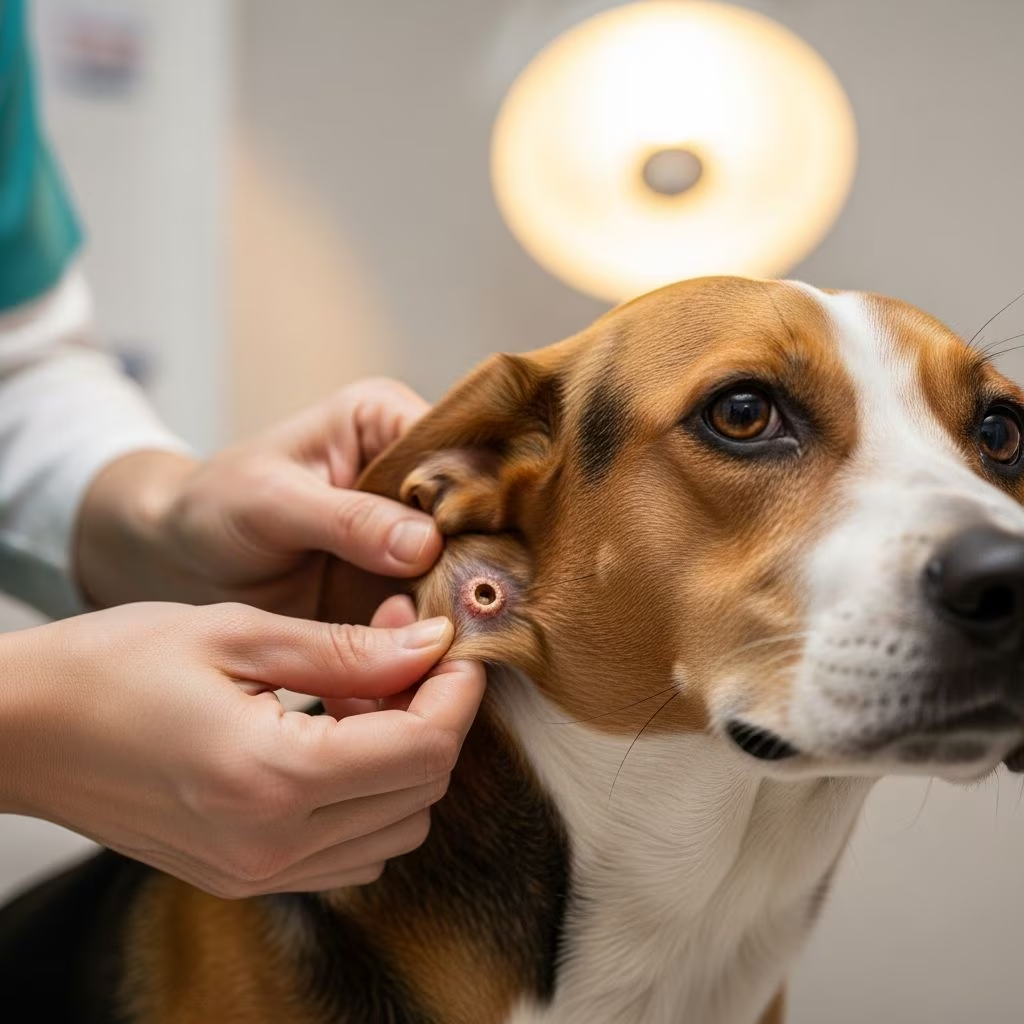
Understanding Cuterebra (Botfly) or Warbles in Dogs
Cuterebra, commonly known as warbles or botflies, represents a parasitic infection that affects dogs and other animals. This condition occurs when botfly larvae burrow beneath the skin, creating characteristic lesions that can cause discomfort and potential complications if left untreated. Understanding this parasitic infection is essential for pet owners who want to protect their dogs from this seasonal threat. The infection typically occurs during warmer months when botflies are most active, making awareness and prevention crucial for dog owners in affected regions.
What Causes Warbles in Dogs?
Cuterebra infestation begins when adult botflies lay eggs near the burrows or nests of small rodents and rabbits. When a dog comes into contact with these eggs or explores areas where rodents live, the eggs can attach to the dog’s body. The host’s body temperature stimulates the botfly eggs to hatch, and the larvae subsequently attach to the dog’s skin. The larvae cannot directly penetrate the skin on their own; instead, they enter through a dog’s mouth, nose, open wounds, or any other natural openings in the skin. Once inside, the larvae migrate through the skin and develop further in the tissue layers beneath the surface. This developmental process typically takes 3-4 weeks before a visible nodule with an external breathing hole becomes apparent on the dog’s skin.
Recognizing Symptoms of Warbles in Dogs
Cutaneous (Skin) Symptoms
The early stages of cuterebra infection are rarely visible from external skin inspection. Most cases of warbles become noticeable only after the larva enlarges and develops into a visible swelling beneath the skin. A distinctive “breathing” hole is often visible in the skin directly over the warble, which enlarges as the warble matures and prepares to exit the host. Beyond the localized swelling, infected dogs may experience lethargy and loss of appetite.
Respiratory Tract Symptoms
When botfly larvae migrate to the upper respiratory tract, dogs may develop sneezing, facial or nasal swelling, nasal discharge, coughing, increased breathing rate, and difficulty breathing. These symptoms can be particularly concerning as they may resemble other respiratory conditions, requiring careful veterinary evaluation to distinguish them from allergies or other parasitic infections.
Ophthalmic (Eye) Symptoms
Eye infestation by cuterebra larvae can cause conjunctivitis (pink eye), eye discharge, eyelid swelling, and inflammation of the inner eye. These symptoms warrant immediate veterinary attention, as eye involvement can lead to more serious complications if not properly managed.
Severe and Systemic Symptoms
In rare but serious cases, larval migration can cause inflammation and damage in critical areas. Affected regions can include the eyes and surrounding tissues, the brain, the nose, larynx, and trachea. In very rare instances, warbles can trigger a severe systemic inflammatory condition called disseminated intravascular coagulopathy (DIC) or Sudden Inflammatory Response Syndrome (SIRS). Additionally, migrating larvae may cause seizures, circling, paralysis, dizziness, depression, and in some cases, blindness.
How Veterinarians Diagnose Warbles
Diagnosis of cutaneous cuterebra infestation is usually straightforward after visualization of the opening in the skin or oral cavity with the posterior portion of the larva visible inside. For skin or respiratory tract infestation cases, veterinarians look for evidence of the fly larvae through physical examination. If your dog presents with respiratory disease characterized by sudden onset of symptoms or symptoms affecting only one side (such as nasal discharge and facial swelling), your veterinarian will evaluate them for botfly larvae within the throat, mouth, or nasal passages. This examination is typically performed under general anesthesia for thorough inspection.
In cases affecting the nervous system, more advanced diagnostic imaging becomes necessary. CT scans, spinal taps, or MRI studies are used to identify evidence of botfly larvae infestation in the brain and spinal cord. These diagnostic tools help veterinarians determine the extent of the infection and plan appropriate treatment strategies.
Treatment Options for Cuterebra Infection
Treatment Before Warble Removal
Treatment depends significantly on when the condition is discovered relative to the warble’s lifecycle. If diagnosed before the warble leaves the skin, the warble will be removed and the injured tissues will be debrided (surgically removed). The removal process typically involves carefully enlarging and probing the breathing pore with specialized instruments such as mosquito forceps. A useful technique involves covering the breathing pore with white petroleum jelly for 10-15 minutes before attempting to grasp the parasite, making extraction easier as the larva attempts to find air.
Antibiotics are usually prescribed to combat any secondary bacterial infection that may develop. Surgery may be required to close the injured site in some cases. Additionally, anti-histamines or corticosteroids are sometimes used to prevent allergic reactions during the removal process. Pretreatment with diphenhydramine before extraction may reduce the risk of anaphylactic hypersensitivity-type reactions.
Treatment After Warble Removal
If the condition is noticed after the warble has left the skin, the infected area is cleaned and debrided, and antibiotics are prescribed. The lesion is cleaned and allowed to heal by natural granulation processes. Many dogs will develop a deep abscess or secondary skin infection at the infection site after the warble has left the skin naturally, and these infections can sometimes cause more damage than the primary warble infection itself.
Specialized Treatment for Complex Cases
For respiratory tract infestation cases, manual removal of the larvae is followed by wound cleaning and supportive care. If the infestation has migrated to the lungs, treatment with corticosteroids is typically recommended. For nervous system involvement, ivermectin (an ingredient commonly used in dog heartworm medications) is used to treat cases affecting a dog’s brain and spinal cord at doses of 0.1-0.3 mg/kg. Ivermectin has been shown to be effective against migrating larvae of cuterebra. This medication can stop symptoms from progressing but may not cure existing neurological damage. Diphenhydramine (Benadryl) is often used in conjunction with ivermectin to prevent allergic reactions.
Post-Treatment Recovery and Management
After botfly removal, careful monitoring of the affected area is essential. Watch for discharge, swelling, or delayed healing at the extraction site. Cases involving eye or brain infestation can take weeks to months to completely resolve. Owner education about the disease and associated risk factors is an important component of managing cuterebra infestation.
It is crucial to monitor for signs of secondary bacterial infection, as these complications can be more problematic than the initial warble infection. Preventive measures such as regular wound care with anti-bacterial and anti-fungal products can help support recovery and prevent additional complications.
Understanding Prognosis for Dogs with Warbles
The prognosis for cuterebra infection varies significantly depending on the number of warbles and their location. When only a few warbles are involved, the prognosis is very good for complete resolution with few, if any, permanent side effects occurring. However, the prognosis becomes worse if a dog is infected with multiple warbles or if a warble migrates through or develops near a nerve or other sensitive tissue or organ.
Some dogs with eye infestation cases do well after larva removal and anti-inflammatory treatment, but others may develop blindness or glaucoma. Cuterebra skin infestations can result in systemic inflammatory response syndrome (SIRS) or disseminated intravascular coagulation (DIC), though these complications are not common. If maggot infestation has progressed to the point where it has caused irreversible neurological damage, the prognosis is poor.
Prevention and Risk Reduction
While treatment is effective when cuterebra is identified early, prevention remains the best approach. Minimize your dog’s exposure to areas where small rodents and rabbits live, particularly during warm months when botflies are active. Regularly inspect your dog’s skin for unusual lumps or breathing holes, especially if they spend time outdoors. Keep any open wounds or injuries clean and protected to prevent larval entry. Consult with your veterinarian about regional parasite risks in your area, as geographic location influences cuterebra prevalence.
When to Seek Veterinary Care
Contact your veterinarian immediately if you notice any unusual lumps or swellings beneath your dog’s skin, particularly if they have a visible breathing hole. Seek urgent care if your dog displays symptoms such as facial or nasal swelling, difficulty breathing, eye discharge, or neurological signs including seizures, head tilting, or confusion.[10] Early intervention significantly improves treatment outcomes and reduces the risk of serious complications.
Frequently Asked Questions About Cuterebra in Dogs
Q: How long does it take for cuterebra symptoms to appear?
A: A nodule with an external breathing hole typically becomes visible 3-4 weeks after initial larval attachment and skin penetration.
Q: Can I remove a warble myself at home?
A: It is not recommended to attempt home removal, as improper extraction can cause the larva to rupture, triggering allergic reactions or leaving fragments in the wound. Veterinary removal is the safest and most effective approach.
Q: Are warbles contagious between dogs?
A: Warbles are not directly contagious between dogs. Infection occurs through direct contact with botfly eggs in the environment, not through dog-to-dog contact.
Q: What is the difference between warbles and other skin infections?
A: Warbles present as a localized swelling with a characteristic breathing hole in the skin. Other infections typically lack this distinctive breathing pore and may present differently on examination.
Q: How can I prevent my dog from getting warbles?
A: Minimize exposure to rodent habitats, keep wounds clean and covered, perform regular skin checks, and maintain awareness during peak botfly season (warmer months).
Q: What happens if a warble migrates internally?
A: Internal migration can cause serious complications affecting the respiratory system, eyes, or nervous system. These cases require specialized veterinary treatment and have a more guarded prognosis.
References
- Cuterebra (Botfly) or Warbles in Dogs — VCA Animal Hospitals. 2025-11-28. https://vcahospitals.com/know-your-pet/cuterebra-or-warbles-in-dogs
- Botflies in Dogs (Warble Fly / Wolf Worm / Cuterebra in Dogs) — PetMD. 2025. https://www.petmd.com/dog/conditions/infectious-parasitic/c_multi_cuterebrosis
- Cuterebra in Cats and Dogs – AKA Warbles — Creative Science. 2025. https://creative.science/education/cuterebra-in-cats-and-dogs-warbles
- Cuterebra or ‘Warbles’ in Dogs — BramptonVeterinarian. 2025. https://bramptonveterinarian.com/cuterebra-or-warbles-in-dogs/
- Cuterebriasis in Dogs and Cats — Today’s Veterinary Practice. 2025. https://todaysveterinarypractice.com/parasitology/cuterebriasis-in-dogs-and-cats/
- Cuterebra Infestation in Small Animals – Integumentary System — MSD Veterinary Manual. 2025. https://www.msdvetmanual.com/integumentary-system/cuterebra-infestation-in-small-animals/cuterebra-infestation-in-small-animals
- Cuterebriasis – Companion Animal Parasite Council — Companion Animal Parasite Council. 2025. https://capcvet.org/guidelines/cuterebriasis/



