

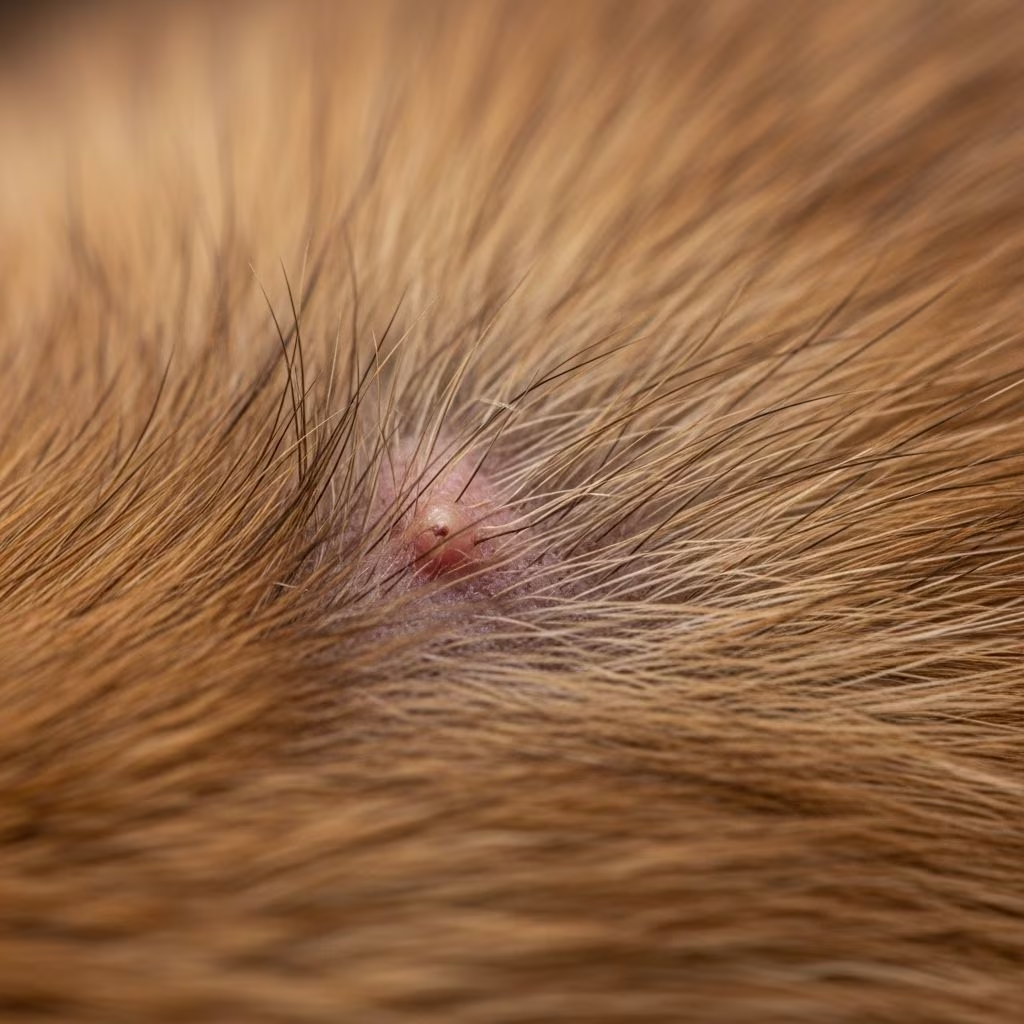
Understanding Cuterebra (Warbles) in Dogs
Cuterebra, commonly known as warbles, bot flies, or wolf worms, represents a parasitic infestation that affects dogs, particularly during late summer and early autumn months. This condition occurs when botfly larvae penetrate the skin of dogs and develop into subcutaneous nodules. While this parasitic infection is not typically life-threatening when promptly treated, understanding its nature, recognition, and treatment options is essential for responsible pet ownership. The larvae cannot directly penetrate healthy skin but enter through existing openings such as the mouth, nose, or any breaks in the skin surface. Once inside, these parasites migrate through tissue layers and develop into visible lumps beneath the skin, each containing a breathing hole that allows the larva to access oxygen.
What Are Warbles and How Do Dogs Get Them?
Warbles are parasitic botfly larvae that belong to the Cuterebra species. These flies lay their eggs in the environment, typically near rodent burrows and other small animal habitats. When a dog encounters these eggs during outdoor activities, the host’s body temperature stimulates the eggs to hatch. The newly emerged larvae then attach to the dog’s skin and seek entry points into the body. Unlike many parasites, Cuterebra larvae cannot directly penetrate intact skin; instead, they exploit natural openings or wounds. Once they gain entry, the larvae migrate through subcutaneous tissue layers and establish themselves in the space beneath the skin, where they continue to develop over several weeks.
Dogs that spend significant time outdoors, particularly in rural or wooded areas during warble season, face the highest risk of infestation. The larvae typically become visible three to four weeks after initial infection, at which point they have developed into noticeable subcutaneous swellings. Each warble represents an individual larva developing within its own cyst-like cavity, which features a small breathing hole through which the larva obtains oxygen.
Recognizing the Signs and Symptoms
Early detection of warble infestation can significantly impact treatment outcomes and reduce complications. However, identifying Cuterebra in its initial stages proves challenging, as external signs are rarely apparent during the early developmental phase.
Skin Infestation Symptoms
The most characteristic sign of cutaneous cuterebriasis is the appearance of a swollen nodule or lump beneath the skin, typically appearing around the face, neck, head, or trunk area. These swellings are usually soft, well-demarcated, and may feel fluctuant or fluid-filled to the touch. A distinctive breathing hole or fistula becomes visible in the skin overlying the warble as the larva matures. Dogs may exhibit signs of discomfort or pain when these lesions are touched or pressed, and some animals display excessive grooming or aggressive licking at the affected area. Additional systemic symptoms may include lethargy, loss of appetite, and fever in more severe cases.
Respiratory Tract Infestation Symptoms
When Cuterebra larvae migrate toward the respiratory tract rather than remaining localized to the skin, dogs may develop respiratory symptoms. These can include sneezing, coughing, nasal discharge, facial or nasal swelling, increased respiratory rate, and in severe cases, difficulty breathing. These symptoms warrant immediate veterinary evaluation, as respiratory compromise requires urgent intervention.
Eye Infestation Symptoms
Ophthalmic infestation occurs when larvae migrate toward or into the eye and surrounding tissues. Signs of ocular involvement include conjunctivitis (pink eye), excessive eye discharge, swelling of the eyelids, and inflammation of the inner eye structures. Some dogs may display sensitivity to light or hold their eyes partially closed due to discomfort.
Neurological Involvement
While uncommon, Cuterebra larvae can migrate toward the central nervous system, including the brain and spinal cord. In these cases, dogs may display neurological abnormalities such as seizures, tremors, abnormal mentation, blindness, or other neurological signs. These migrations represent the most serious form of infestation and typically require emergency veterinary care.
Complications and Secondary Infections
One of the most significant concerns with warble infestation involves secondary bacterial infections that develop after the larva leaves the skin. In many cases, the infection resulting from the empty cyst or abscess causes more tissue damage than the primary parasitic invasion. When a warble naturally exits the host’s skin, it leaves behind an open wound that becomes susceptible to bacterial contamination, potentially leading to deep abscesses or chronic skin infections.
In rare instances, migrating Cuterebra larvae can cause severe systemic inflammatory conditions such as Sudden Inflammatory Response Syndrome (SIRS) or Disseminated Intravascular Coagulation (DIC). These life-threatening conditions involve uncontrolled inflammation or abnormal blood clotting and represent medical emergencies requiring intensive care.
How Veterinarians Diagnose Warbles
Veterinary diagnosis of cutaneous cuterebriasis is typically straightforward once the larva has reached maturity and developed the characteristic breathing hole. Your veterinarian will perform a physical examination and look for evidence of the parasitic bot, including visualization of the larva or its opening in the skin. Direct observation of the breathing pore or fistula with posterior larva visibility confirms the diagnosis.
For cases involving respiratory tract involvement, your veterinarian may evaluate the throat, mouth, and nasal passages using endoscopy or visual inspection, often performed under general anesthesia. This allows for direct visualization of larvae within these anatomical locations.
When neurological symptoms or unusual presentations suggest central nervous system involvement, diagnostic imaging becomes necessary. Computed tomography (CT) scans, magnetic resonance imaging (MRI), or spinal taps may be employed to identify evidence of larval migration in the brain or spinal cord. These advanced diagnostic techniques help determine the extent of infestation and guide treatment planning.
Treatment Options for Warble Infestation
Treatment approaches for Cuterebra infestation vary depending on the timing of diagnosis, the location of the larvae, and the severity of infection. Early detection before the larva exits the skin generally yields better outcomes with fewer complications.
Surgical Removal of Skin Lesions
The primary treatment for cutaneous cuterebriasis is manual extraction of the parasitic larva. Your veterinarian will carefully enlarge the breathing pore or fistula and remove the larva using surgical forceps, taking meticulous care not to rupture the larva, which could release harmful substances into the bloodstream and trigger allergic or inflammatory reactions. Dogs are typically anesthetized intravenously to ensure comfort and allow thorough removal without movement or struggle.
After larval extraction, the wound undergoes thorough cleaning and flushing to remove debris and dead tissue. In some cases, additional surgical debridement or removal of damaged tissue becomes necessary. Depending on the severity of the lesion and the degree of tissue damage, the wound may be sutured closed or allowed to heal by secondary intention (natural granulation).
Post-Removal Care
Following larval extraction, most dogs receive antibiotic therapy to combat secondary bacterial infection and prevent abscess formation. Your veterinarian may prescribe oral antibiotics for a specific duration based on the severity of infection and presence of secondary bacterial complications. Pain management medications may also be recommended to ensure comfort during the healing process.
Treatment of Respiratory and Ocular Infestations
Similar to cutaneous lesions, respiratory and ocular infestations require manual removal of larvae followed by cleaning of the affected area. Your dog may receive antibiotics and anti-inflammatory medications to reduce tissue damage and prevent infection.
Neurological Infestation Treatment
When Cuterebra larvae have migrated to the brain or spinal cord, surgical removal becomes extremely difficult and often impossible. In these cases, veterinarians typically prescribe ivermectin, an anti-parasitic medication effective against migrating larvae at doses of 0.1–0.3 mg/kg. Ivermectin may halt larval progression but may not reverse existing neurological damage. Diphenhydramine (Benadryl) and corticosteroids are often used concurrently to prevent allergic reactions and reduce inflammation. Treatment with steroids is particularly recommended, and pretreatment with diphenhydramine before any intervention may reduce the risk of anaphylactic reactions.
Recovery and Prognosis
The prognosis for dogs with warble infestation varies based on several factors, including the number of larvae involved, the location of infestation, and the presence of complications.
Positive Prognosis Factors: When only a few warbles are involved and are located in accessible areas of the skin, the prognosis is very good for complete resolution with minimal to no permanent side effects. Most dogs recover fully after appropriate treatment and wound care.
Guarded Prognosis Factors: The prognosis becomes more guarded when multiple warbles are present or when a larva migrates to or develops near sensitive tissues, nerves, or vital organs. Dogs with eye infestation may develop blindness or glaucoma despite successful larval removal. Neurological involvement generally carries a more cautious prognosis, as existing neurological damage may be permanent even after ivermectin treatment.
After botfly removal, monitor the surgical site for discharge, excessive swelling, or delayed healing. Cases involving eye or brain infestation may require weeks to months for complete resolution. Some dogs show good recovery after treatment with anti-inflammatory medications, while others may experience lasting complications.
Prevention and Risk Reduction
Preventing warble infestation primarily involves limiting your dog’s exposure to botfly eggs and larvae during high-risk seasons. Keep your dog away from rodent burrows and other small animal habitats, particularly in late summer and early autumn. Regularly inspect your dog’s skin for any unusual lumps or swellings, paying special attention to the face, neck, and trunk areas. Promptly treat any cuts, wounds, or abrasions to prevent larval entry. Consider limiting outdoor access during peak warble season if your dog frequents high-risk environments.
Frequently Asked Questions
Q: How long does it take for warbles to develop?
A: Cuterebra larvae typically become visible as noticeable swellings three to four weeks after initial infection, as they develop within the subcutaneous tissue layers.
Q: Can warbles be treated at home?
A: Warbles require professional veterinary treatment. Attempting home removal risks rupturing the larva and releasing harmful substances into the bloodstream, potentially causing serious allergic or inflammatory reactions.
Q: Are warbles contagious to other dogs?
A: Warbles are not directly contagious between dogs. However, multiple dogs exposed to the same Cuterebra eggs in an environment may all develop infestations.
Q: What should I do if I discover a warble on my dog?
A: Contact your veterinarian promptly for professional evaluation and removal. Early diagnosis and treatment help prevent complications and secondary infections.
Q: Can warbles cause death in dogs?
A: While most warble infestations are not life-threatening when treated, severe cases involving neurological migration or systemic inflammatory responses like DIC can be serious and potentially fatal without emergency intervention.
Q: How are respiratory warbles treated differently?
A: Respiratory infestations require evaluation under anesthesia using endoscopy or direct visualization. Manual larval removal is followed by cleaning and potential antibiotics, similar to skin infestation treatment.
Q: Will my dog need antibiotics after warble removal?
A: Most dogs receive antibiotic therapy following warble removal to prevent secondary bacterial infections and abscess formation at the extraction site.
References
- Cuterebra or Warbles in Dogs — Brampton Veterinarian Care. 2024. https://bramptonveterinarian.com/cuterebra-or-warbles-in-dogs/
- Botflies in Dogs (Warble Fly / Wolf Worm / Cuterebra in Dogs) — PetMD. 2024. https://www.petmd.com/dog/conditions/infectious-parasitic/c_multi_cuterebrosis
- Cuterebra Infestation in Dogs and Cats — FirstVet. 2024. https://firstvet.com/us/articles/cuterebra-infestation-in-dogs-and-cats
- Cuterebriasis in Dogs and Cats — Today’s Veterinary Practice. 2024. https://todaysveterinarypractice.com/parasitology/cuterebriasis-in-dogs-and-cats/
- Cuterebra Infestation in Small Animals – Integumentary System — Merck Veterinary Manual. 2024. https://www.merckvetmanual.com/integumentary-system/cuterebra-infestation-in-small-animals/cuterebra-infestation-in-small-animals
- Cuterebriasis – Companion Animal Parasite Council — Companion Animal Parasite Council. 2024. https://capcvet.org/guidelines/cuterebriasis/



