

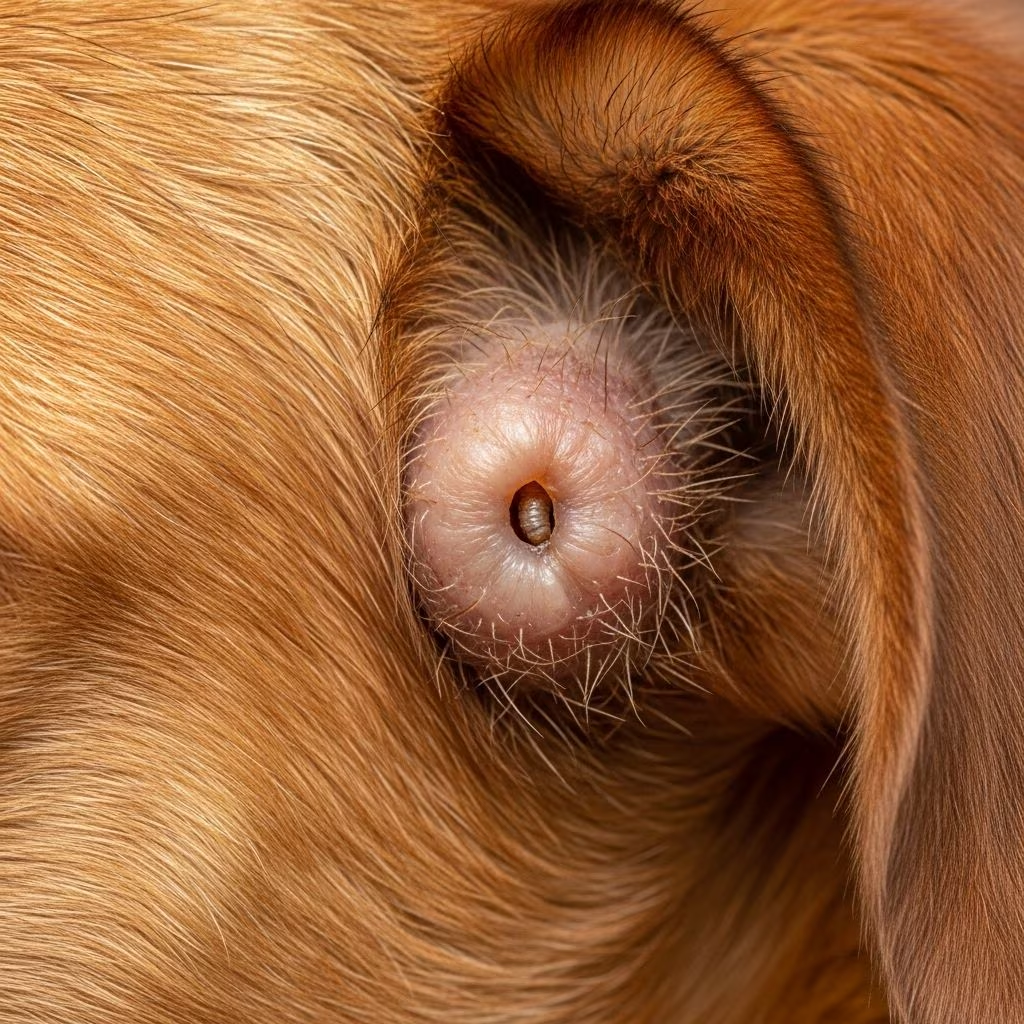
Cuterebra, commonly known as warbles or botflies, represents a parasitic infection that can affect dogs, particularly those with outdoor access. While many pet owners remain unfamiliar with this condition, it occurs with notable frequency in regions where botflies are prevalent. Understanding the nature of this infection, recognizing warning signs, and knowing when to seek veterinary care are essential for dog owners who want to protect their pets from this uncomfortable and potentially serious parasitic problem.
What Exactly Are Warbles and How Do Dogs Contract Them?
Warbles are the larval stage of botflies belonging to the Cuterebra genus. These parasites have a fascinating and complex life cycle that typically involves rodents as their primary hosts, though dogs and cats can become inadvertent victims. The botfly larvae cannot penetrate skin directly; instead, they gain entry through existing openings such as the mouth, nose, or any cuts and abrasions on the dog’s skin. When a dog’s body temperature activates the deposited eggs, the larvae begin their development process, migrating through the skin layers and establishing themselves in the subcutaneous tissue beneath the epidermis.
This parasitic infestation is particularly common in late summer and early autumn, corresponding with peak botfly activity in most geographic regions. Dogs that spend significant time outdoors, explore burrows, or have close contact with rodent habitats face the highest risk of infection. The infection develops gradually, and the visible signs typically emerge approximately three to four weeks after initial larval penetration.
Recognizing the Telltale Signs of Warble Infection
Early-stage cuterebra infections often present no obvious external symptoms, making detection challenging during the initial parasitic establishment phase. However, as the larvae mature and enlarge, several characteristic signs become apparent:
- A noticeable subcutaneous swelling or nodule, frequently appearing around the face, neck, head, or trunk area
- A small breathing hole (fistula) visible in the overlying skin
- Lethargy and general depression in the affected dog
- Reduced appetite or disinterest in normal activities
- Visible pain or sensitivity when the affected area is touched
- Possible discharge from the lesion site
In cases where larvae migrate to uncommon anatomical locations, additional symptoms may develop. Dogs with respiratory tract involvement may experience sneezing, coughing, nasal discharge, and increased respiratory rates. If larvae reach the eyes, symptoms include conjunctivitis, eyelid swelling, and eye discharge. Migration to the central nervous system can cause seizures, tremors, fever, and neurological abnormalities.
The Diagnostic Process: How Veterinarians Identify Warbles
Veterinary diagnosis of cutaneous (skin-based) cuterebra infections is typically straightforward. The veterinarian will perform a physical examination, looking for the characteristic breathing pore and visible or palpable nodules beneath the skin. The presence of the larva’s posterior portion protruding from the skin opening provides definitive confirmation of the infestation.
However, when larvae have migrated to internal locations, more sophisticated diagnostic approaches become necessary. Veterinarians may employ CT scans, ultrasound imaging, MRI studies, or spinal taps to locate and assess the extent of internal larval migration. These diagnostic tools help determine the precise location of the parasites and guide treatment decisions.
Treatment Approaches: From Extraction to Medication
Mechanical Removal for Skin Infestations
The primary treatment for cutaneous cuterebra infestations involves manual extraction of the larvae using surgical instruments. Veterinarians carefully enlarge the breathing pore and use specialized forceps to remove the parasite. In many cases, sedation or general anesthesia facilitates safe and complete removal, particularly when multiple warbles are present or the larvae have become deeply embedded.
A helpful technique to encourage larval emergence involves covering the breathing pore with white petroleum jelly for approximately 10-15 minutes before attempting removal, which may make grasping the parasite easier. Following successful extraction, the wound is thoroughly cleaned and flushed to remove debris, then allowed to heal through the natural granulation process. Antibiotics are frequently prescribed to prevent or treat secondary bacterial infections that commonly develop in the open wound.
Managing Complex and Migrated Infestations
When larvae have migrated to the brain, spinal cord, or respiratory system, mechanical removal becomes significantly more challenging or impossible. In these situations, veterinarians employ medical management strategies. Ivermectin, an antiparasitic medication commonly used in heartworm prevention products, serves as the primary pharmaceutical intervention at doses of 0.1-0.3 mg/kg. This medication can halt symptom progression, though it may not completely resolve existing neurological damage.
To minimize allergic reactions and inflammatory responses when parasites die, veterinarians often administer diphenhydramine (Benadryl) in conjunction with ivermectin. Corticosteroids may also be recommended to reduce inflammation caused by dying larvae. In some cases, pain management medications are prescribed to increase the dog’s comfort during treatment and recovery.
Understanding Complications and Secondary Issues
One critical aspect of warble infections that dog owners must understand involves the potential for secondary complications. In many instances, the bacterial infection that develops in the empty cyst after the larva departs causes more tissue damage than the initial parasitic infestation itself. These secondary infections can develop into deep abscesses requiring additional intervention.
In rare but serious cases, multiple warbles or improperly managed infestations can trigger systemic inflammatory conditions such as Sudden Inflammatory Response Syndrome (SIRS) or Disseminated Intravascular Coagulation (DIC). DIC can cause excessive bleeding or dangerous clot formation that compromises blood supply to vital organs. These severe complications necessitate aggressive veterinary intervention and close monitoring.
Recovery Timeline and Post-Treatment Care
Following larval removal, the recovery period varies depending on infection severity and location. Skin infections typically heal within several weeks with appropriate wound care and antibiotic therapy. Pet owners should monitor extraction sites daily for signs of discharge, swelling, or delayed healing.
Eye and brain infestations require more extended recovery periods, potentially lasting weeks to months for complete resolution. Some dogs with eye infestations recover fully after larval removal and anti-inflammatory treatment, while others may develop long-term complications such as blindness or glaucoma. Dogs with systemic inflammatory complications require hospitalization and intensive care management.
Prognosis: What to Expect
The prognosis for canine cuterebra infections depends significantly on several factors. When only a few warbles are involved and limited to the skin, the prognosis is excellent, with most dogs achieving complete resolution and experiencing minimal permanent effects. However, prognosis worsens considerably when multiple warbles are present, larvae have migrated to sensitive anatomical areas, or parasites develop near nerves or vital organs.
Early detection and prompt veterinary treatment substantially improve outcomes. Dogs that receive attention within the first few weeks of infestation, before larvae migration occurs, typically recover without significant complications.
Preventing Cuterebra Infestations
Prevention strategies focus on reducing your dog’s exposure to botfly habitats and larvae. Key preventive measures include:
- Minimizing outdoor access during peak botfly season (late summer and early autumn)
- Avoiding areas where rodent populations are high or burrows are visible
- Promptly treating any cuts, abrasions, or open wounds to eliminate entry points
- Maintaining regular flea and tick prevention programs, as some antiparasitic medications may offer protection
- Educating yourself about local botfly prevalence in your geographic region
Some newer antiparasitic products containing isoxazolines (such as sarolaner in dogs) have demonstrated effectiveness against myiasis and may provide additional protection.
When to Contact Your Veterinarian
Pet owners should seek veterinary evaluation immediately upon noticing any suspicious skin swellings, nodules with breathing holes, or behavioral changes suggesting pain or discomfort. Early intervention significantly impacts treatment success and reduces the risk of complications. Additionally, if your dog displays respiratory symptoms, neurological signs, or unusual behavioral changes without an obvious cause, warble infestation should be considered as a potential diagnosis.
Frequently Asked Questions About Canine Warbles
Can humans contract cuterebra from infected dogs?
No, cuterebra is host-specific. While botfly larvae occasionally infect humans in tropical regions, the Cuterebra species that affect dogs do not infect humans. However, standard hygiene practices should be maintained when handling infected dogs or contaminated materials.
Will warbles go away on their own?
While larvae will eventually exit the skin naturally to complete their life cycle, this process often results in secondary bacterial infections, abscesses, and prolonged discomfort. Veterinary removal is strongly recommended to prevent these complications.
Are indoor dogs at risk for warble infections?
Indoor dogs face minimal risk unless they have outdoor access or are exposed to infected rodents within the home. However, strict indoor dogs rarely encounter botfly larvae.
How long does treatment take?
Mechanical removal is typically a single procedure, though subsequent wound care and antibiotic therapy may continue for several weeks. Systemic infections or neurological involvement may require prolonged treatment courses.
Is there a vaccine for cuterebra?
Currently, no vaccine exists for cuterebra infestation. Prevention relies on habitat avoidance and early detection of infections.
The Importance of Professional Veterinary Care
While warble infestations may seem like minor skin conditions, they can escalate into serious health problems without appropriate professional intervention. Veterinarians possess the expertise, sterile instruments, and medical resources necessary to safely remove larvae and manage complications. Attempting home removal risks incomplete parasite extraction, severe infection, or allergic reactions that can harm your pet.
Understanding cuterebra warbles empowers dog owners to recognize infections early and seek timely treatment, ultimately protecting their pets from unnecessary suffering and potential serious complications. By combining awareness, preventive measures, and prompt veterinary care, owners can effectively manage this parasitic threat.
References
- Cuterebra or ‘Warbles’ in Dogs — BrampVet Care. 2024. https://bramptonveterinarian.com/cuterebra-or-warbles-in-dogs/
- Botflies in Dogs (Warble Fly / Wolf Worm / Cuterebra in Dogs) — PetMD. 2024. https://www.petmd.com/dog/conditions/infectious-parasitic/c_multi_cuterebrosis
- Cuterebra Infestation in Dogs and Cats — FirstVet. 2024. https://firstvet.com/us/articles/cuterebra-infestation-in-dogs-and-cats
- Cuterebriasis in Dogs and Cats — Today’s Veterinary Practice. 2024. https://todaysveterinarypractice.com/parasitology/cuterebriasis-in-dogs-and-cats/
- Cuterebra Infestation in Small Animals – Integumentary System — Merck Veterinary Manual. 2024. https://www.merckvetmanual.com/integumentary-system/cuterebra-infestation-in-small-animals/cuterebra-infestation-in-small-animals
- Cuterebriasis — Companion Animal Parasite Council. 2024. https://capcvet.org/guidelines/cuterebriasis/
- Cuterebriasis in Dogs: Vet-Approved Causes, Symptoms, Treatments — AskAVet. 2025. https://askavet.com/fr/blogs/news/cuterebriasis-in-dogs-vet-approved-causes-symptoms-treatments-2025-guide-%F0%9F%90%B6



