

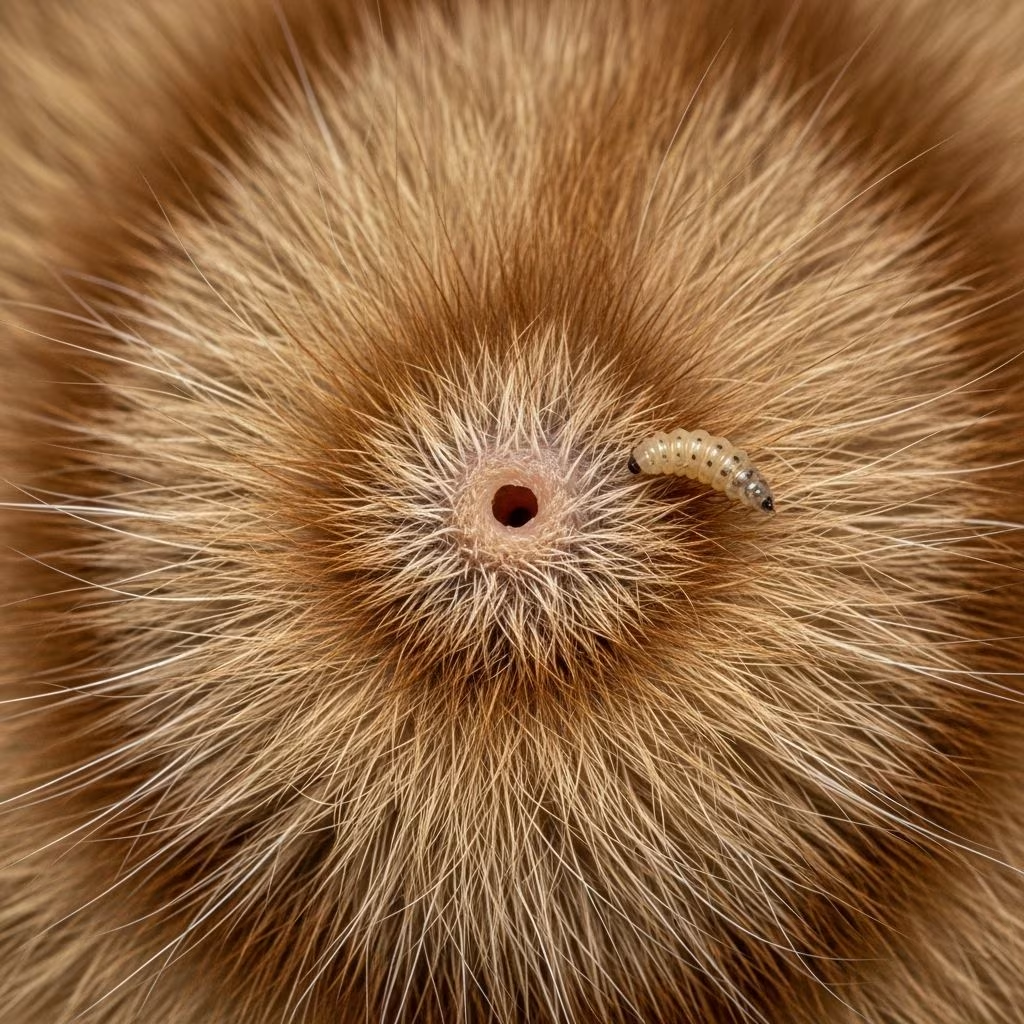
Understanding Cuterebra or Warbles in Cats
Cuterebra, commonly known as warbles or botflies, represents a parasitic infestation that affects cats and other small animals. These parasitic larvae burrow beneath the skin of their hosts, creating distinctive lumps and causing discomfort. Understanding this condition is essential for cat owners, particularly those with outdoor felines, as early detection and proper treatment can prevent serious complications.
The Cuterebra parasite goes through a complex life cycle, with adult botflies laying eggs in areas where small animals frequent, such as rodent burrows and underground passages. When cats explore these environments or come into contact with infected prey, they may accidentally become hosts to the larvae, leading to infestation.
How Do I Know If My Cat Has Warbles?
Detecting warbles in cats requires vigilance, as early-stage infections are often not visible on the outer skin. The condition becomes apparent only when the larva enlarges and creates noticeable changes in the skin and behavior of the infected cat.
Early Detection Signs
In the initial stages of Cuterebra infection, external signs are rarely evident during routine skin inspection. However, as the infestation progresses, several telltale indicators emerge that should prompt immediate veterinary attention:
Physical symptoms include:
– Visible lumps or swellings beneath the skin, typically approximately one centimeter in diameter
– A small “breathing hole” visible in the skin directly over the warble
– Matted or wet fur surrounding the affected area
– Lesional discharge or bleeding from the wound site
– Excessive grooming or scratching of the infected region
– Area of unknown origin or sudden wound appearance
Behavioral and systemic symptoms may include:
– Signs of pain or discomfort when touched
– Depression or lethargy
– Excessive vocalization or signs of distress
– Upper respiratory infection symptoms
– Violent sneezing or nasal discharge
– Head tilting or balance issues
As the warble matures and prepares to exit the host, the breathing hole becomes progressively larger. In some cases, cat owners may notice nothing unusual until after the larva has already left the skin, at which point a deep abscess or secondary skin infection often develops in the empty cyst.
Serious Complications to Watch For
While most warble infestations involve only the skin, complications can arise if larvae migrate to sensitive areas. In severe cases, particularly when larvae move toward or reach internal organs, cats may experience serious neurological symptoms, vision problems, or behavioral changes. These situations require immediate emergency veterinary care.
Multiple warbles or infections near critical tissues and organs create a more guarded prognosis. The condition becomes particularly concerning when larvae develop near nerves or other sensitive tissue, potentially causing seizures or other neurological manifestations.
How Is the Condition Treated?
Treatment approaches for warbles depend significantly on when the infestation is discovered and at what stage the larva is in its development cycle.
Treatment Before the Warble Leaves the Skin
When diagnosed early, before the warble exits the skin, treatment is more straightforward and typically involves:
– Surgical removal or extraction of the larva while under sedation or anesthesia
– Debridement of injured tissues, which may involve removing surrounding affected tissue
– Administration of antibiotics to prevent secondary bacterial infections
– Application of anti-histamines or corticosteroids to prevent allergic reactions during removal
– Pain management medication as needed for comfort
– Possible surgical closure of the wound site in some cases
Important consideration: Never attempt to remove warbles at home. Improper extraction can lead to serious complications, including anaphylactic shock or severe infection. Professional veterinary intervention is essential.
Treatment After the Warble Has Left
If the condition is discovered after the larva has already exited the skin, treatment focuses on managing the resulting infection and wound:
– Thorough cleaning and debridement of the infected area
– Prescription antibiotics to combat secondary bacterial infections
– Regular follow-up appointments to monitor healing progress
– Pain management as needed
Advanced Treatment Options
For cases involving migrating larvae or internal infection, veterinarians may employ additional interventions:
– Ivermectin therapy: Effective against migrating larvae of Cuterebra, typically administered at specific dosages
– Corticosteroid combinations: When combined with other medications, steroids can provide significant relief and help prevent complications
– Topical insecticides: Medications like fipronil may be used for certain presentations
– Anti-parasitic shampoos or medications: Designed to destroy migrating maggots in some cases
Pretreatment with diphenhydramine before extraction may reduce the risk of allergic reactions, and treatment with steroids is often recommended to manage inflammation and prevent hypersensitivity responses.
What Is the Prognosis for My Cat?
The prognosis for cats with warbles varies depending on several factors related to the extent and location of the infestation.
Good Prognosis Scenarios
When only a few warbles are involved, the prognosis is excellent for complete resolution, with few if any permanent side effects occurring. Most cats recover fully with appropriate veterinary treatment and demonstrate no long-term complications.
Guarded Prognosis Scenarios
The prognosis becomes more concerning in the following situations:
– Multiple warble infections throughout the body
– Warbles that migrate through or develop near nerves or sensitive tissues
– Larvae that reach internal organs such as the brain or spinal cord
– Infections that develop near the eyes, nasal sinuses, or mouth area
In these complex cases, treatment becomes significantly more difficult. When larvae affect the brain or spinal cord, removal becomes increasingly challenging and risky. Such situations may cause seizures or other serious neurological complications requiring intensive care and specialized treatment approaches.
Prevention Strategies for Warbles
Preventing warble infestation is far easier than treating established infections. Cat owners can implement several effective prevention measures:
Limiting Outdoor Exposure
The most effective prevention strategy involves keeping cats indoors, particularly during the summer and early fall months when adult botflies are active and laying eggs. Indoor cats face significantly lower risk of contracting warbles compared to those spending extensive time outdoors. Outdoor cats are more prone to infection as they encounter animal burrows and other habitats where Cuterebra larvae thrive.
Regular Health Monitoring
Consistent vigilance helps catch infestations early:
– Perform regular physical inspections of your cat’s skin and coat
– Check for any unusual lumps, bumps, or matted fur
– Monitor for signs of excessive grooming or scratching
– Maintain your cat’s hygiene and grooming routine
– Schedule regular veterinary check-ups, especially during high-risk seasons
Environmental Management
When outdoor exposure cannot be entirely avoided, consider these precautions:
– Avoid areas with known rodent populations or animal burrows
– Minimize time spent in tall grass or wooded areas during peak botfly season
– Use preventive topical treatments as recommended by your veterinarian
– Maintain a clean outdoor environment around your home
Frequently Asked Questions
Q: What exactly is a Cuterebra warble?
A: A Cuterebra warble is a parasitic botfly larva that burrows beneath the skin of cats and other small animals. The larva creates a small breathing hole in the skin as it develops, eventually forming a visible lump before exiting the host.
Q: Can warbles be fatal in cats?
A: While most warble infestations are not fatal with proper treatment, serious complications can arise if larvae migrate to critical areas like the brain or spinal cord. Prompt veterinary care is essential to prevent potentially life-threatening situations.
Q: How long does it take for a warble to develop?
A: The warble development timeline varies, but larvae typically mature and become visible within several weeks of initial infection. The exact timeline depends on environmental factors and the individual cat’s condition.
Q: Is it safe to squeeze or pop a warble?
A: No, attempting to squeeze, pop, or remove a warble at home is dangerous and can result in serious complications including anaphylactic shock, infection, or incomplete removal leaving larvae behind. Always seek professional veterinary treatment.
Q: What should I do if I suspect my cat has warbles?
A: Contact your veterinarian immediately for examination and diagnosis. Early professional intervention significantly improves outcomes and reduces the risk of complications or secondary infections.
Q: Can indoor cats get warbles?
A: While indoor cats face much lower risk, infestation is possible if they come into contact with infected prey or if adult botflies gain entry to the home. However, outdoor cats are substantially more susceptible.
Q: What is the secondary infection risk after warble removal?
A: After a warble exits or is removed, the empty cyst is prone to severe secondary bacterial infection. In many cases, this secondary infection causes more damage than the original infestation and requires antibiotic treatment.
References
- Cuterebra (Botfly) or Warbles in Cats — VCA Animal Hospitals. Accessed November 28, 2025. https://vcahospitals.com/know-your-pet/cuterebra-or-warbles-in-cats
- Cuterebriasis in Dogs and Cats — Today’s Veterinary Practice. Accessed November 28, 2025. https://todaysveterinarypractice.com/parasitology/cuterebriasis-in-dogs-and-cats/
- Cuterebra Infestation in Small Animals — Merck Veterinary Manual. Accessed November 28, 2025. https://www.merckvetmanual.com/integumentary-system/cuterebra-infestation-in-small-animals/cuterebra-infestation-in-small-animals
- Cuterebriasis — Companion Animal Parasite Council — Companion Animal Parasite Council. Accessed November 28, 2025. https://capcvet.org/guidelines/cuterebriasis/
- Wolf Worm in Cats: Symptoms, Treatment & Prevention — PetsCare. Accessed November 28, 2025. https://www.petscare.com/news/post/wolf-worm-cats-treatment-prevention
- How to Handle Warbles in Your Cat — PetCareRx. Accessed November 28, 2025. https://www.petcarerx.com/article/how-to-handle-warbles-in-your-cat/4723



