

Understanding Cuterebra and Warbles in Cats
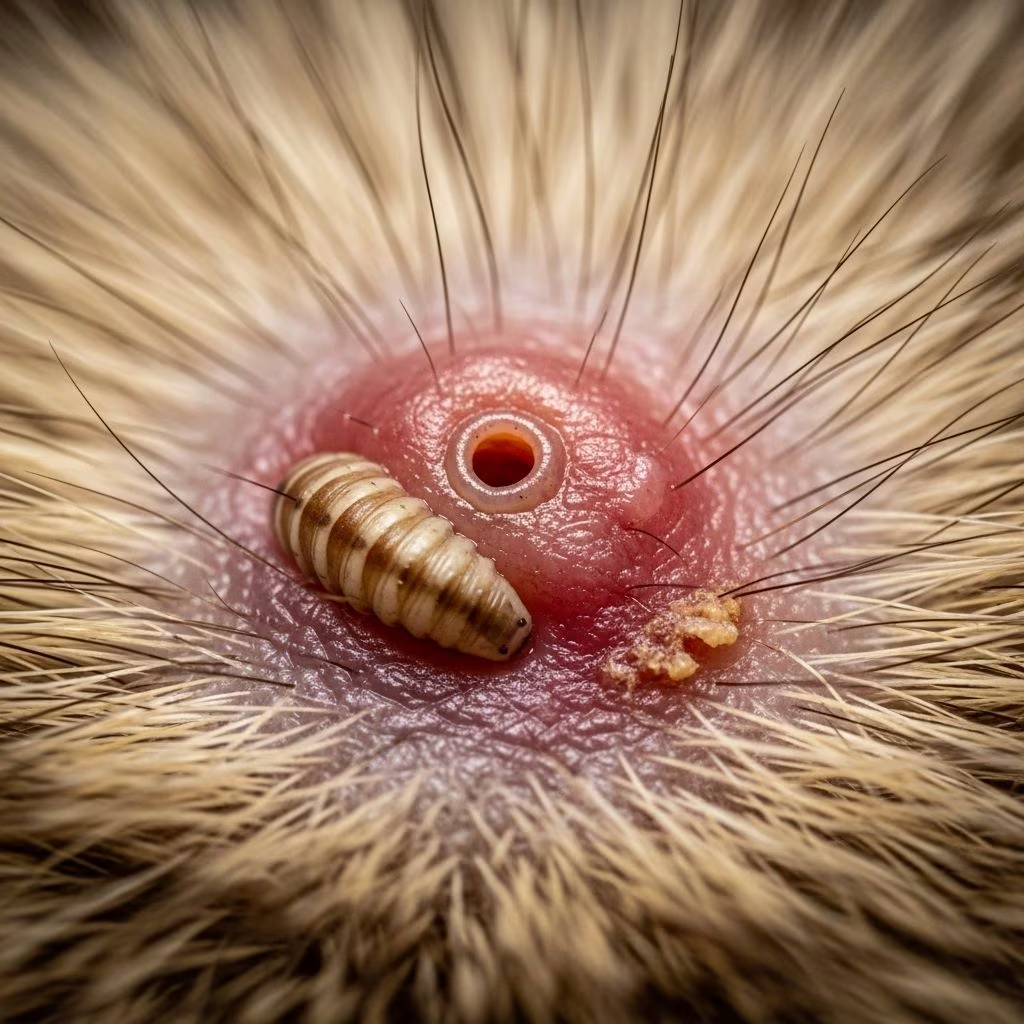
Cuterebra, commonly known as warbles, represents a parasitic infestation that affects cats and other small animals. These parasites are botflies whose larvae burrow beneath the skin of host animals, creating painful swellings and potentially serious health complications. While cats are not the natural hosts for Cuterebra larvae—rodents typically serve this role—felines can become accidental hosts when they encounter infected animals or contaminated environments. Understanding this condition is essential for cat owners, particularly those with outdoor cats or those living in regions where botflies are prevalent.
The warble condition occurs when Cuterebra larvae penetrate the skin and establish themselves in subcutaneous tissues. This parasitic infestation typically manifests during late summer and early fall, when adult botflies are most active in laying eggs. The resulting swellings, or warbles, can appear in various locations on a cat’s body, creating noticeable lumps that require professional veterinary attention for safe removal and appropriate care.
What Causes Cuterebra Infestation in Cats
Cuterebra infestation occurs when cats come into contact with botfly larvae in their environment. Adult botflies lay eggs near animal burrows, particularly those inhabited by rodents, which serve as their natural hosts. Cats exploring these areas may inadvertently encounter larvae that penetrate their skin. Outdoor cats face significantly higher risk than indoor felines, as they have greater exposure to wildlife habitats and contaminated environments where botflies thrive.
The lifecycle of botflies contributes to seasonal patterns in Cuterebra infections. Adult botflies emerge during warm months and lay eggs strategically near rodent burrows. When cats investigate these areas through hunting, play, or exploration, larvae can attach to their fur and skin. The larvae then burrow into subcutaneous tissues, where they develop and create the characteristic warbles. Environmental factors such as geographic location, season, and outdoor access significantly influence a cat’s risk of developing this parasitic infection.
Recognizing Symptoms of Warbles in Cats
Identifying warbles early is crucial for effective treatment and preventing complications. However, early-stage infections often present subtle signs that may be easily overlooked during routine pet observation. Understanding the range of symptoms associated with Cuterebra infestation helps cat owners recognize problems before they become severe.
Skin and Physical Signs
The most obvious indicator of warbles is a small, firm swelling beneath the skin, typically measuring approximately one centimeter in diameter. This swelling usually appears on the head, neck, or trunk, though larvae occasionally migrate to unusual locations such as the eyes, nasal passages, or mouth. A distinctive breathing hole, or fistula, becomes visible in the skin overlying the warble, distinguishing it from other types of skin conditions. This opening may enlarge as the larva matures and prepares to exit the host. Additional physical signs include areas of matted fur, lesional discharge from the warble site, and visible skin wounds of unknown origin.
Behavioral Changes
Cats infected with warbles often display behavioral modifications indicating discomfort or distress. Excessive and aggressive grooming of affected areas represents one of the most common behavioral signs. Cats may obsessively lick, bite, or scratch at warble sites, sometimes causing secondary damage to surrounding tissues. Pain sensitivity increases around infected areas, and affected cats react noticeably when these regions are touched. Additionally, infected cats may display lethargy, depression, and reduced activity levels as systemic responses to parasitic infection.
Neurological and Respiratory Complications
When Cuterebra larvae migrate to uncommon locations, more serious symptoms can develop. Migration toward the brain or nervous system may cause neurological manifestations including seizures, tremors, head tilting, and altered behavior. Respiratory involvement occurs when larvae migrate into nasal passages or respiratory tissues, resulting in symptoms such as violent sneezing, coughing, respiratory discharge, and upper respiratory infection signs. In some cases, infected cats may develop fever as a systemic response to the parasitic infection. These severe presentations require immediate veterinary intervention to prevent life-threatening complications.
Diagnosis and Veterinary Evaluation
Professional veterinary diagnosis of warbles typically involves straightforward visual examination. Veterinarians can usually identify Cuterebra infestation by observing the characteristic breathing opening in the skin or oral cavity with the posterior portion of the larva visible inside. A definitive diagnosis requires visualization of the Cuterebra larva itself, either through direct observation or careful exploration of affected skin lesions.
In cases where larvae have migrated to unusual or internal locations, diagnostic imaging becomes necessary. Ultrasound and CT scans can reveal larval location and extent of tissue involvement, particularly important for cases involving potential brain or nervous system migration. Proper diagnostic assessment ensures appropriate treatment selection and helps veterinarians prepare for any complications that might arise during larval removal.
Treatment Options for Cuterebra Infestation
Treating warbles requires professional veterinary care and varies depending on infection severity and larval location. The fundamental goal of any treatment approach is complete larval removal without causing damage to the parasite’s body, as crushing or fragmenting the larva can trigger severe complications including chronic infections or potentially fatal allergic reactions.
Surgical Extraction Methods
Surgical removal represents the most common and effective treatment approach for cutaneous warbles. The veterinarian anesthetizes the cat and carefully enlarges the breathing hole in the skin using surgical instruments. Once adequate access is established, the veterinarian uses hemostats or tweezers to gently grasp and remove the entire larva in one continuous piece. This method proves particularly valuable when the breathing hole is small or the warble is located in sensitive tissue areas near the eyes, nasal passages, or mouth. After larval removal, the surgical site is cleaned and debrided to remove any damaged or infected tissue, promoting proper healing and preventing infection.
Non-Surgical Extraction Techniques
In cases where the breathing hole is sufficiently large, the larva is relatively small, and the cat remains cooperative, surgical intervention may not be necessary. Veterinarians may sedate the larva with local anesthesia and carefully withdraw it using forceps or tweezers. An alternative non-surgical approach involves applying petroleum jelly or other occlusive substances over the breathing pore for ten to fifteen minutes. This technique restricts the larva’s air supply, causing it to emerge from its burrow as it seeks oxygen. Once the larva begins to protrude, the veterinarian can grasp and remove it carefully.
Pharmacological Treatments
For warbles located in difficult-to-access areas or cases involving neurological involvement, pharmacological interventions complement or replace mechanical extraction. Ivermectin, an antiparasitic medication, has demonstrated effectiveness against migrating Cuterebra larvae at dosages of 0.1 to 0.3 milligrams per kilogram. When combined with corticosteroids and diphenhydramine, ivermectin provides relief and reduces the risk of anaphylactic reactions during or after treatment. Corticosteroids help prevent parasitic effects on the lungs and other organs, while diphenhydramine pretreatment reduces hypersensitivity responses.
Post-Treatment Care
Following larval removal, antibiotics are typically prescribed to combat secondary bacterial infections that may have developed at the infection site. Pain management medications address discomfort during the healing process. The surgical site requires cleaning and is allowed to heal through granulation, a natural wound healing process. In some cases, surgical closure of the infected site may be necessary to promote proper healing and prevent complications.
Complications and When to Seek Immediate Care
While single warbles generally resolve without significant complications, multiple infestations or larvae in sensitive locations can create serious health challenges. Anaphylactic shock represents the most severe potential complication, occurring when the larva is crushed or killed in situ, releasing antigens that trigger severe hypersensitivity reactions. This life-threatening condition requires emergency veterinary intervention.
Secondary bacterial infections develop when warble sites are not properly cleaned or when the larva is incompletely removed. These infections can progress to systemic complications if left untreated. Neurological disease occurs when larvae migrate toward or into the brain or spinal cord, potentially causing permanent neurological damage. Respiratory complications arise from larval migration into nasal passages or respiratory tissues.
Prevention Strategies for Cat Owners
Preventing Cuterebra infestation proves significantly more effective than managing active infections. The most reliable prevention method involves keeping cats indoors, particularly during high-risk seasons. Indoor cats have dramatically lower infestation rates compared to outdoor felines, as they lack exposure to botfly-infested environments.
For cats that must spend time outdoors, regular inspection of the skin and fur helps identify early warble development. Cat owners should check for unusual lumps, breathing holes, matted fur areas, and any signs of skin lesions. Early detection enables prompt veterinary intervention before complications develop.
Topical insecticides containing fipronil provide chemical protection against ectoparasites and can reduce warble risk. Organic compounds designed to control larvae migration offer natural prevention alternatives for concerned cat owners. Regular grooming sessions provide opportunities to examine the skin thoroughly and detect parasitic infestations early.
Minimizing outdoor exposure, particularly during late summer and early fall when botflies are most active, significantly reduces infection risk. If outdoor access cannot be eliminated entirely, restricting the duration and frequency of outdoor time provides meaningful protection. Avoiding areas known to harbor rodent populations and their associated burrows reduces the likelihood of larval contact.
Prognosis and Long-Term Outcomes
The prognosis for cats with warble infestation depends heavily on several factors. When only a few warbles are involved and treatment is initiated promptly, the prognosis is excellent, with complete resolution and few permanent side effects. Most cats recover uneventfully following proper larval removal and post-treatment care.
However, prognosis becomes more guarded in cases involving multiple warbles or larvae that have migrated to sensitive tissue areas near nerves or vital organs. Cats infected with Cuterebra larvae in the brain or spinal cord face potentially serious long-term complications despite treatment efforts. Neurological damage from larval migration may result in permanent behavioral or functional changes.
Frequently Asked Questions About Warbles in Cats
Q: Can indoor cats get warbles?
A: While indoor cats have significantly lower risk, they can still develop warbles if exposed to infected environments or contaminated materials brought indoors. However, the incidence is substantially lower than in outdoor cats.
Q: How long does it take for warbles to develop?
A: After initial larval penetration, it typically takes several weeks for warbles to become visible and palpable. Most cases become noticeable during late summer and early fall when larvae have enlarged sufficiently to create visible swellings.
Q: Is warble removal painful for cats?
A: Professional veterinary removal involves anesthesia or sedation to minimize pain and ensure cat safety during the procedure. Post-operative pain management with appropriate medications helps cats recover comfortably.
Q: What should I do if I notice a warble on my cat?
A: Schedule an immediate veterinary appointment. Do not attempt home removal, as improper extraction can crush the larva and trigger severe complications. Professional removal ensures complete larval extraction and appropriate aftercare.
Q: Can cats transmit warbles to humans or other pets?
A: Cats cannot transmit Cuterebra larvae to humans or other cats. The larvae require specific environmental conditions for development and specific host species for infection. However, pets in the same environment may independently contract warbles from the same larval source.
Q: Are there any home remedies for treating warbles?
A: Attempting home treatment of warbles is not recommended. Professional veterinary removal is necessary to ensure complete larval extraction without complications. Improper home removal can result in infection, chronic conditions, or severe allergic reactions.
References
- Merck Veterinary Manual: Cuterebra Infestation in Small Animals — Merck & Co. 2024. https://www.merckvetmanual.com/integumentary-system/cuterebra-infestation-in-small-animals/cuterebra-infestation-in-small-animals
- Cuterebriasis in Dogs and Cats — Today’s Veterinary Practice. 2023. https://todaysveterinarypractice.com/parasitology/cuterebriasis-in-dogs-and-cats/
- Companion Animal Parasite Council Guidelines: Cuterebriasis — Companion Animal Parasite Council. 2024. https://capcvet.org/guidelines/cuterebriasis/
- Cuterebra Infestation in Dogs and Cats: Symptoms, Causes, Diagnosis and Treatment — FirstVet. 2023. https://firstvet.com/us/articles/cuterebra-infestation-in-dogs-and-cats
- Botfly Infestation: How to Handle Warbles in Cats — PetMD. 2023. https://www.petmd.com/cat/parasites/botfly-infestation-how-handle-warbles-cats



