

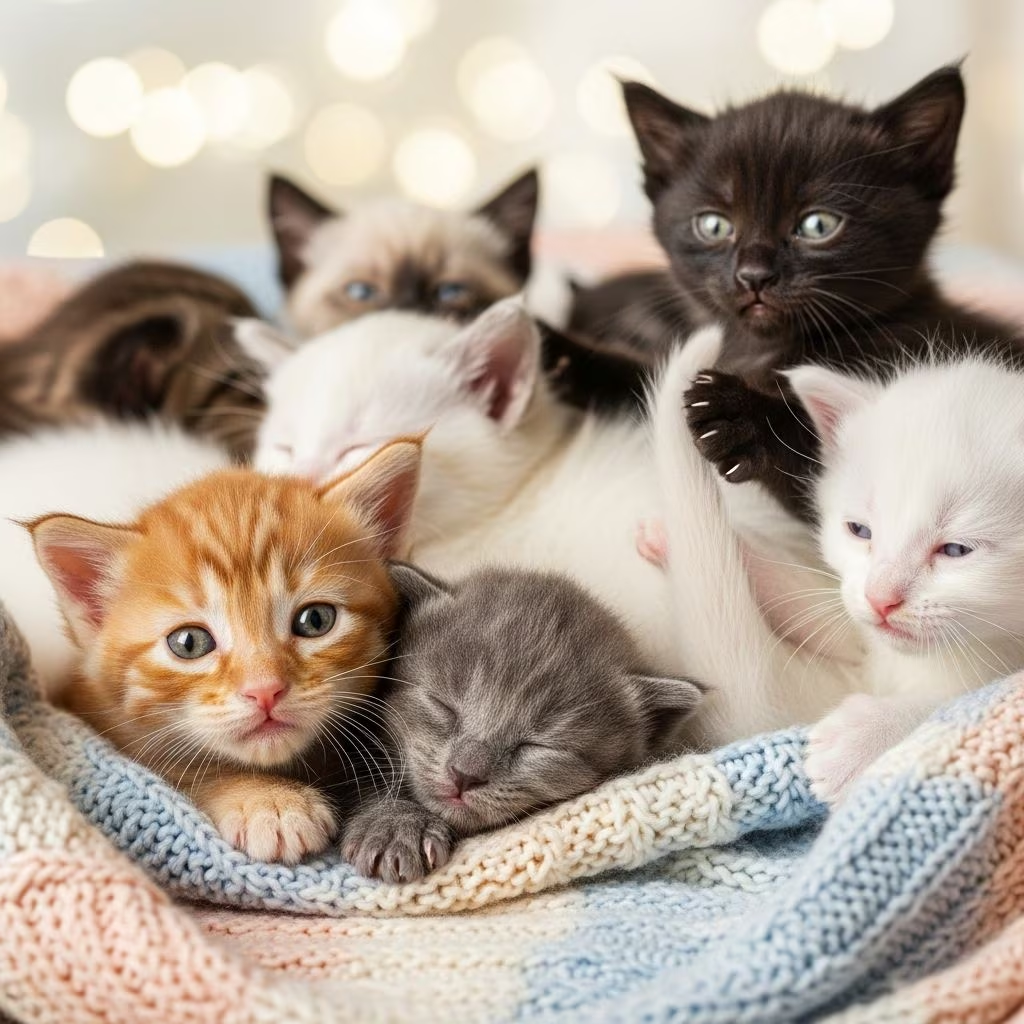
Cute Kitten Overload: Adorable Pictures and Irresistible Facts
What could possibly be cuter than a baby kitten? The honest answer is: not much. Whether they’re right side up or upside down, kittens possess an almost magical ability to melt even the hardest hearts. These tiny furballs combine adorable features with entertaining behaviors that make them some of the most captivating creatures in the animal kingdom. From their miniature paws to their oversized ears and expressive eyes, every aspect of a kitten seems designed to invoke an “aww” response. In this comprehensive guide, we’ll explore the many reasons why kittens are utterly irresistible and what makes their behaviors so endearingly entertaining.
Eight Reasons Why Kittens Are Absolutely Adorable
1. They Look Incredibly Cute Upside Down
One of the most charming things about kittens is their ability to contort themselves into awkward positions that somehow make them even cuter. When a kitten flips onto its back, exposing its tiny belly and splaying its paws in the air, the result is pure cuteness overload. Their serene expression while lying upside down creates an irresistible combination of vulnerability and playfulness that makes you want to scoop them up immediately. Whether they’re sleeping deeply or batting at imaginary objects above their heads, upside-down kittens have mastered the art of adorability.
2. Their Stuffed Animals Are Often Bigger Than They Are
Watching a kitten interact with a stuffed animal that’s nearly as large as their entire body is a delightful experience. These tiny creatures fearlessly pounce on, wrestle with, and “hunt” toys that tower over them, demonstrating remarkable courage and determination. The sight of a small kitten attempting to drag a stuffed animal across the room, or snuggling up to one for a nap, showcases their endearing personality. It’s a perfect reminder of how brave and ambitious kittens are, despite their diminutive size.
3. They Can Squeeze Into Boxes for No Apparent Reason
One of the most puzzling yet adorable kitten behaviors is their inexplicable attraction to boxes. No matter the size or shape, if there’s a box available, a kitten will find a way to squeeze into it. Even when the box is clearly too small or uncomfortable, kittens persist in their attempts to fit inside. This quirky behavior provides endless entertainment and photo opportunities, as kittens peek out from their cardboard hideaways with wide, curious eyes. The determination with which they contort their flexible bodies to fit into impossible spaces showcases their amusing problem-solving skills and playful nature.
4. They Have Absolutely No Table Manners
Watching kittens eat is an exercise in hilarious entertainment. These tiny creatures tackle their meals with unbridled enthusiasm, often ending up with food all over their faces, paws, and fur. They pounce on kibble as if it’s live prey, scatter food across the floor with reckless abandon, and frequently get their whiskers and noses covered in gravy or milk. Their complete lack of elegance while dining is endearing rather than off-putting, reminding us that kittens are still learning about the world and proper decorum is the last thing on their minds.
5. They Don’t Understand Personal Space
Kittens are notorious boundary violators in the most lovable way possible. They’ll climb into your lap uninvited, knead your chest with their tiny paws, and press their little faces against yours without warning. These affectionate creatures seem to believe that personal space is merely a suggestion. Whether they’re attempting to sit directly on whatever you’re reading or inserting themselves between you and your keyboard, kittens demonstrate their complete disregard for boundaries through constant, adorable invasions of personal space.
6. They’re Cute Even When Yelling at You
One of the most surprising discoveries about kittens is that they’re cute even when they’re angry or demanding. When a kitten opens its tiny mouth to meow, hiss, or cry out in protest, the sound that emerges is squeaky, high-pitched, and absolutely precious. Whether they’re yelling at you for being late with meals, expressing displeasure at being picked up, or protesting being placed in the bathroom for time-out, their miniature protests are more endearing than intimidating. Their fierce expressions combined with their diminutive size create an irresistible contrast that makes it nearly impossible to take their demands seriously.
7. They Fit in Incredibly Tight Spaces
The flexibility and adaptability of kittens is truly remarkable. These tiny creatures can fit into spaces that seem physically impossible for any creature to occupy, including the palm of your hand, narrow crevices behind furniture, and impossibly small hiding spots. Their boneless-seeming bodies allow them to squeeze, twist, and contort themselves into positions that defy understanding. When a kitten curls up in the palm of your hand, their miniature size and vulnerability create an overwhelming urge to protect and cherish them.
8. You Can Hold Multiple Kittens at Once
One of the most delightful experiences is holding three kittens in your arms simultaneously. Their combined weight is barely noticeable, yet the joy they bring is immeasurable. A trio of purring kittens nestled against your chest, their tiny claws gently kneading your clothing while their rumbling purrs create a soothing vibration, is an experience that transcends simple cuteness. This ability to hold multiple kittens at once makes them perfect for cuddling, photography, and creating heartwarming memories.
Beyond Cuteness: The Deeper Side of Kittens
While their adorable appearance and entertaining antics are undeniably charming, kittens are far more than just cute. These remarkable creatures are silly, sweet, mischievous, and full of personality. They’re learning about the world around them, developing their hunting instincts through play, and building bonds with the humans and animals in their lives. As kittens grow and mature, they transform into adult cats that retain many of these endearing characteristics throughout their lives.
However, the journey from kitten to adult cat is not without challenges. Many kittens find themselves in precarious situations, particularly when they arrive at shelters. Unfortunately, newborn kittens require round-the-clock care that many shelters struggle to provide due to limited resources, funding, and staffing. This critical care gap means that despite their adorability, kittens can be among the most vulnerable animals in shelter systems across the country.
The Challenge of Kitten Season
While kittens are undeniably cute, the reality behind kitten overpopulation in shelters is sobering. “Kitten Season,” which occurs from spring through fall, inundates animal shelters with orphaned kittens who require intensive, specialized care. Unspayed female cats can become pregnant as early as four months old, and with pregnancies lasting approximately two months, a single unspayed cat can produce multiple litters within a single season. This biological reality creates overwhelming challenges for shelter systems with already-stretched resources.
During kitten season, shelters face difficult decisions regarding limited funding, food, space, and staffing. The sheer volume of kittens arriving at shelters during peak season places these tiny creatures at significant risk. Many shelters operate continuous kitten nurseries that provide round-the-clock care, including bottle-feeding every two hours for the youngest kittens. Despite these dedicated efforts, the demand often exceeds available resources, creating life-or-death situations for vulnerable kittens who depend on human intervention for survival.
How Specialized Kitten Care Works
Organizations like Best Friends Animal Society have developed comprehensive kitten care programs that address the complex medical and developmental needs of vulnerable kittens. These programs operate as specialized neonatal intensive care units designed specifically for extremely young, fragile kittens. Caregivers monitor each kitten’s progress through daily weigh-ins, tracking growth in ounces and celebrating each milestone. Round-the-clock feeding schedules, medication administration, playtime, and development tracking ensure that kittens receive comprehensive care necessary for survival and healthy development.
The most rewarding aspect of this specialized care isn’t just the numbers on a scale, but witnessing the profound milestones that mark a kitten’s growth journey. A baby kitten’s eyes opening for the first time, wobbly steps developing into confident pounces, and the transition from bottle-feeding to eating from a bowl represent victories that extend far beyond physical measurements. These moments remind caregivers why they dedicate themselves to this demanding work.
What You Can Do to Help Kittens
If You Find Kittens Outside
Discovering kittens outside presents an ethical dilemma that requires careful consideration. According to veterinary experts, leaving outdoor kittens in place is often the best course of action, even when they appear abandoned or homeless. In most cases, the mother cat is likely to return and retrieve her kittens, and removing them may actually place them in greater danger. Kittens removed from their mother and placed in an already-overcrowded shelter system may face worse outcomes than they would facing outdoor challenges.
Fostering Kittens
One of the most impactful ways to help kittens is through fostering. By providing temporary homes for young kittens, you free up shelter resources and allow kittens to receive individualized care in a home environment. Fostering provides kittens with better socialization opportunities, reduces their stress levels, and helps prepare them for eventual adoption into permanent homes.
Volunteering at Shelters
Shelters operating kitten nurseries require assistance with multiple tasks including bottle-feeding, food preparation, laundry, and cage cleaning. Even a few hours of volunteer time can significantly impact a kitten’s quality of life and free up paid staff to focus on medical care and other critical tasks.
Supporting Spay and Neuter Programs
The root cause of kitten overpopulation is preventable: unspayed and unneutered community cats. Supporting or donating to spay and neuter initiatives addresses the source of the problem and prevents future generations of kittens from entering the shelter system in crisis situations.
Making Donations
Financial contributions directly support kitten care programs, enabling shelters to expand nursery facilities, hire additional staff, purchase specialized equipment, and provide medical services to vulnerable kittens. Organizations like Best Friends are working to build additional kitten nurseries to accommodate the overwhelming demand during peak season.
The Path to No-Kill Communities
Los Angeles is on the brink of becoming the largest no-kill city in the nation, setting a precedent for the rest of the country to follow. In this vision of no-kill communities, every dog and cat in a shelter who can be saved receives the opportunity to live. Kittens, despite their adorability, represent one of the biggest challenges on the pathway to achieving no-kill status. Addressing kitten overpopulation through comprehensive prevention, care expansion, and community engagement is essential for reaching this critical goal.
The journey toward no-kill communities requires collaborative effort between shelter staff, veterinarians, volunteers, foster families, and community members. No single entity can accomplish this goal alone; rather, it requires collective commitment, transparent communication, and honest assessment of challenges and solutions.
Frequently Asked Questions About Kittens
Q: At what age can kittens be adopted?
A: Kittens can typically be adopted between 8-12 weeks of age, after they’ve been weaned from their mother and have received initial vaccinations. However, adoption ages vary by shelter and organization, so it’s best to check with your local shelter for specific requirements.
Q: How often should kittens eat?
A: Young kittens require frequent meals throughout the day. Kittens under 3 months old should eat every 2-3 hours if bottle-fed, while older kittens can transition to 3-4 meals per day. Always consult with a veterinarian for specific feeding guidance based on your kitten’s age and health status.
Q: What should I do if I find an orphaned kitten?
A: First, wait and observe to see if the mother cat returns. If you cannot locate the mother after several hours, contact your local animal shelter or rescue organization for guidance. They can provide resources for bottle-feeding, formula recommendations, and care instructions.
Q: How can I help during kitten season?
A: You can help by fostering kittens, volunteering at shelters, supporting spay and neuter programs, making donations to kitten care initiatives, and educating your community about preventing kitten overpopulation through spaying and neutering.
Q: Why are newborn kittens at risk in shelters?
A: Newborn kittens require specialized 24-hour care including bottle-feeding, temperature control, and medical monitoring. Many shelters lack the resources, funding, staffing, and specialized facilities to provide this level of care, placing vulnerable kittens at significant risk.
References
- Cute kitten overload: Adorable pictures of kittens — Best Friends Animal Society. 2025. https://bestfriends.org/stories/features/cute-kitten-overload-adorable-pictures-kittens
- Where copious kitten cuteness meets lifesaving care — Best Friends Animal Society. 2025. https://bestfriends.org/stories/videos/where-copious-kitten-cuteness-meets-lifesaving-care
- Kitten Season is Anything but Cute for Animal Shelters: Best Friends Animal Society Offers Tips on How You Can Help — Best Friends Animal Society. 2025. https://bestfriends.org/who-we-are/media/kitten-season-anything-cute-animal-shelters-best-friends-animal-society-offers-tips-how



