

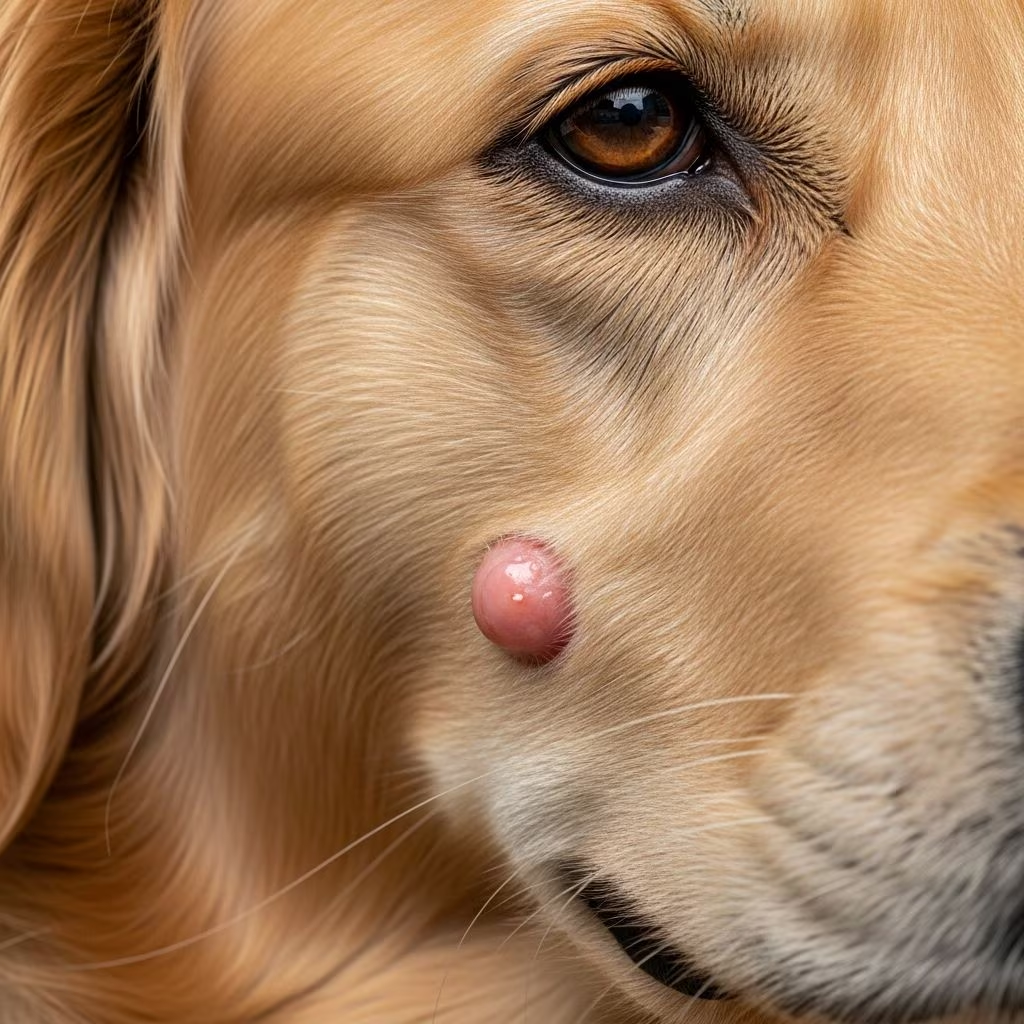
Understanding Cutaneous Histiocytoma in Dogs
Cutaneous histiocytoma is a common and benign (harmless) skin tumor that primarily affects dogs, with younger canines being more susceptible to this condition. This growth develops from Langerhans cells, which are specialized immune system components found in the skin. Understanding this tumor, its characteristics, and treatment options is essential for pet owners who notice unusual growths on their dogs’ skin.
While cutaneous histiocytoma can appear alarming, it is important to note that it is not cancerous and typically does not pose a serious threat to your dog’s health. However, prompt diagnosis and appropriate management are crucial to prevent complications such as infection, ulceration, and excessive itching.
What Are Histiocyte Cells and Their Function?
Histiocyte cells form a critical part of the body’s immune surveillance system, working continuously to protect against harmful invaders. These specialized cells serve several important functions in maintaining your dog’s health and immune response.
Histiocyte cells are responsible for taking up and processing foreign antigens, including pollen, viruses, bacteria, and fungal organisms. Once these cells capture these foreign materials, they migrate to local lymph nodes where they present the antigens to other immune system cells called T lymphocytes. This presentation stimulates T lymphocytes into action, triggering a variety of protective activities designed to safeguard the body against infection and disease.
The specific histiocyte cells involved in cutaneous histiocytoma are known as Langerhans cells. These cells reside in the outer layers of the skin and serve as the first line of defense against pathogens entering through the skin. When these cells proliferate abnormally, they form the benign tumor known as cutaneous histiocytoma.
What Is Cutaneous Histiocytoma?
Cutaneous histiocytoma (not to be confused with cutaneous histiocytosis, which is a different and rarer condition) is a common and benign tumor composed of Langerhans cells. This tumor represents an overgrowth of these normally protective immune cells, resulting in a visible skin growth that requires veterinary attention and diagnosis.
Growth Pattern and Characteristics
The development of cutaneous histiocytoma follows a predictable pattern. During the early stages of development, typically spanning the first one to four weeks, the cells grow rapidly. This rapid growth phase is often accompanied by ulceration (breakdown of the skin surface) and may result in secondary bacterial infection. Despite these initial complications, many tumors may regress spontaneously without intervention.
These tumors typically appear as solitary lesions on affected dogs. However, it is unusual for more than one tumor to be present simultaneously on the same dog or for the tumor to recur at a different location. When multiple tumors do develop or recurrence occurs, this may indicate a more serious condition called cutaneous Langerhans Cell Histiocytosis, which is a rare disease in which histiocytomas spread (metastasize) to other sites in the skin, lymph nodes, or even internal organs. This condition is more commonly observed in Shar Pei dogs.
Affected Dog Breeds and Age Groups
While cutaneous histiocytoma can develop in dogs of any age, it is most commonly seen in younger dogs, particularly those three years of age or younger. Certain breeds show a higher predisposition to developing these tumors, including Boxers, Boston Terriers, Labrador Retrievers, Bulldogs, Greyhounds, and Scottish Terriers. Additionally, cats can also develop similar cutaneous histiocytomas, though the condition is more prevalent in canines.
Clinical Presentation and Symptoms
Pet owners should be aware of the typical symptoms and clinical signs associated with cutaneous histiocytoma to enable early detection and veterinary intervention. Understanding what to look for can help you identify potential concerns during regular grooming or petting sessions.
Common Symptoms
Dogs with cutaneous histiocytoma may experience various symptoms, although many cases present with minimal clinical signs. Common symptoms include:
- Hairless, raised, red skin bump or growth
- Bleeding from the affected area
- Itching or pruritus at the tumor site
- Open sores with pus if secondary infection develops
- Swelling around the lump, particularly if infection is present
Typical Appearance and Location
Clinically, cutaneous histiocytoma has a distinctive button-like appearance—a red and/or ulcerated bump that is typically less than an inch in width. These growths most commonly develop on a dog’s head, face, ears, or legs, though they can appear anywhere on the body. The tumor usually presents as a rounded, firm, red growth on the superficial layers of the skin. The surface is generally smooth, though it can become an open wound if the dog repeatedly licks the area.
Often, pet owners first notice the skin bump incidentally while petting or grooming their dogs. In many cases, histiocytomas do not cause significant discomfort initially, allowing them to progress unnoticed until they become large enough to be visually apparent or cause complications.
Diagnosis of Cutaneous Histiocytoma
Accurate diagnosis of cutaneous histiocytoma is crucial to differentiate it from other more serious skin tumors that may have similar appearances. While clinical presentation can provide helpful clues, definitive diagnosis relies upon microscopic examination of tissue samples.
Diagnostic Methods
Your veterinarian may recommend one or more methods of obtaining a tissue sample for diagnosis, depending on the location and characteristics of the growth. The most common diagnostic methods include:
- Needle Aspiration: A minimally invasive technique that uses a small needle to extract cells from the tumor for microscopic examination
- Punch Biopsy: A procedure in which a small circular piece of tissue is removed using a specialized instrument
- Full Excision Biopsy: Complete surgical removal of the growth, which also serves as a treatment option
Laboratory Examination Techniques
Once a tissue sample is obtained, it will be examined using one of two primary laboratory methods. Cytology involves the microscopic examination of aspirated cell samples and is used for rapid or preliminary assessment of the tumor. This technique is quick and can often provide enough information for initial diagnosis.
Histopathology, on the other hand, involves the microscopic examination of tissue sections and is used for more accurate diagnosis, prediction of disease behavior (prognosis), and to determine whether a tumor has been completely removed during surgical procedures. Histopathology is particularly important because cutaneous histiocytomas can be easily confused with more serious conditions, and these tumors are often wrongly diagnosed as malignant by human pathologists. Therefore, it is crucial that histopathology is performed by an experienced veterinary pathologist to ensure accurate diagnosis.
Treatment Options for Cutaneous Histiocytoma
Treatment approaches for cutaneous histiocytoma vary depending on the severity of symptoms and the presence of complications. The good news is that this tumor is one of the rare types that a dog’s own immune system can eliminate without intervention.
Conservative Management
In many cases, cutaneous histiocytomas regress spontaneously within two to three months without any treatment. The tumor’s growth typically reaches a peak and then gradually diminishes as the dog’s immune system recognizes and eliminates the abnormal cell growth. This natural resolution makes watchful waiting an appropriate approach in many situations, particularly when the tumor is not causing significant discomfort or complications.
Symptomatic Management
However, ulceration, itching, secondary infection, and bleeding may often require intervention to ensure your dog’s comfort and prevent further complications. Your veterinarian may recommend topical treatments such as antibacterial ointments or wound care to manage surface infections and promote healing. Systemic antibiotics may be prescribed if secondary bacterial infection develops, preventing the infection from spreading or causing systemic illness.
Surgical Removal
In most cases, surgical removal of the tumor provides a permanent cure. This is particularly recommended when the histiocytoma is causing significant symptoms, interfering with the dog’s quality of life, or when rapid resolution is desired. The surgical procedure is typically straightforward and involves complete excision of the growth.
Your veterinarian may recommend sending the removed tumor to a pathologist to confirm it is indeed a cutaneous histiocytoma and that it has been completely removed, with no microscopic cells remaining in the surrounding tissue. This confirmation is important for ensuring that no tumor cells are left behind and to rule out other potentially serious conditions.
Prognosis and Prevention
The prognosis for cutaneous histiocytoma is excellent. Most dogs recover completely whether the tumor regresses spontaneously or is surgically removed. Recurrence is unusual once the tumor has resolved, making this one of the most favorable skin conditions to treat in veterinary medicine.
While there is no specific prevention strategy for cutaneous histiocytoma, maintaining your dog’s overall health through proper nutrition, regular exercise, and routine veterinary care can support immune function. Early detection through regular grooming and skin inspections can help identify any new growths promptly, allowing for timely intervention if needed.
Frequently Asked Questions
Q: Is cutaneous histiocytoma cancerous?
A: No, cutaneous histiocytoma is a benign (non-cancerous) tumor. While it is not cancerous, accurate diagnosis by a veterinarian is important to rule out other more serious skin conditions that may appear similar.
Q: How quickly does cutaneous histiocytoma grow?
A: These tumors typically grow rapidly during the first one to four weeks of development. After this initial growth phase, they often stabilize and may begin to regress spontaneously over the following weeks to months.
Q: Can cutaneous histiocytoma spread to other parts of the body?
A: It is unusual for cutaneous histiocytoma to spread to other areas. If multiple tumors develop or the tumor recurs at another site, this may indicate cutaneous Langerhans Cell Histiocytosis, a rare condition more commonly seen in Shar Pei dogs.
Q: Will my dog’s immune system eliminate the tumor on its own?
A: In many cases, yes. Cutaneous histiocytoma is one of the rare tumors that a dog’s own immune system can eliminate without intervention. Most tumors regress spontaneously within two to three months.
Q: What should I do if I notice a bump on my dog’s skin?
A: Schedule an appointment with your veterinarian as soon as possible. While the bump may be a benign histiocytoma, proper diagnosis is essential to rule out more serious skin conditions and determine the appropriate course of action.
Q: Is surgical removal necessary?
A: Surgical removal is not always necessary, as many histiocytomas resolve on their own. However, if the tumor is causing symptoms such as itching, bleeding, or infection, or if rapid resolution is desired, your veterinarian may recommend surgical removal.
Q: Can cutaneous histiocytoma recur after treatment?
A: Recurrence is unusual once a cutaneous histiocytoma has resolved, either through spontaneous regression or surgical removal. Most dogs experience complete resolution without recurrence.
References
- Cutaneous Histiocytoma in Dogs — VCA Animal Hospitals. 2024. https://vcahospitals.com/know-your-pet/skin-cutaneous-histiocytoma
- Histiocytomas in Dogs: Symptoms, Treatment, and More — PetMD Editorial. 2024. https://www.petmd.com/dog/conditions/skin/c_dg_histiocytoma
- Lymphocytic, Histiocytic, and Related Cutaneous Tumors in Animals — Merck Veterinary Manual. 2024. https://www.merckvetmanual.com/integumentary-system/tumors-of-the-skin-and-soft-tissues/lymphocytic-histiocytic-and-related-cutaneous-tumors-in-animals
- Canine Cutaneous Histiocytoma is an Epidermotropic Langerhans — National Center for Biotechnology Information. 2007. https://pmc.ncbi.nlm.nih.gov/articles/PMC1861573/
- 4 Skin Cancers of Dogs and Cats — Twin Maples Veterinary Hospital. 2024. https://twinmaplesvethospital.com/4-skin-cancers-of-dogs-and-cats/



