

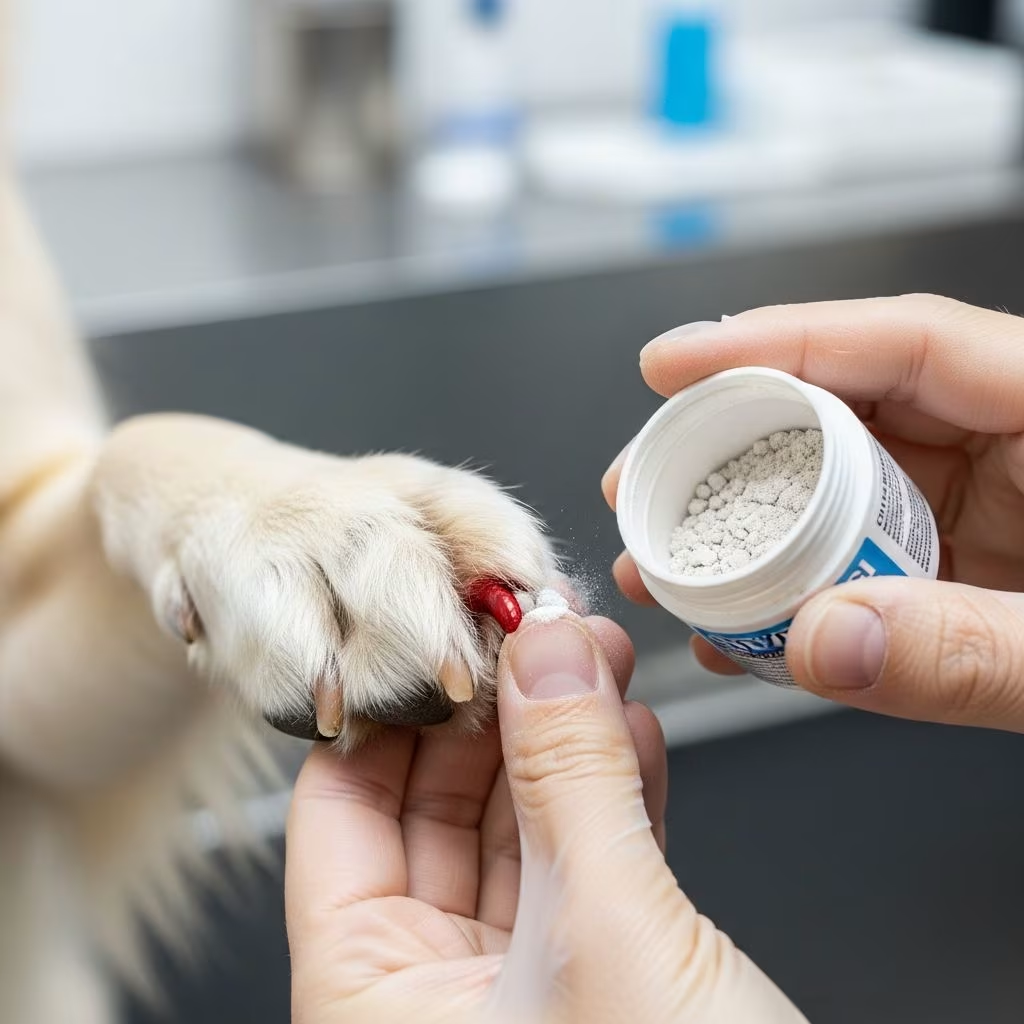
Trimming your dog’s nails is a vital part of pet care, but it’s easy to accidentally cut too short and hit the **quick**—the sensitive blood vessel and nerve inside the nail. This causes bleeding, pain, and distress for your pup. Don’t panic: most cases are minor and resolve quickly with proper first aid. This guide covers immediate steps to stop bleeding, soothe your dog, promote healing, prevention strategies, and safe trimming techniques.
What Happens When You Cut a Dog’s Nail Too Short?
The **quick** is a pinkish area visible in light-colored nails, containing blood vessels and nerves. In dark nails, it’s hidden, making over-trimming common. Cutting into it exposes live tissue, leading to brisk bleeding and sharp pain. While not life-threatening, it can make your dog yelp, limp, or become fearful of future trims. Overgrown nails often have extended quicks, increasing risk—regular maintenance recedes them gradually.
- Bleeding lasts 2-5 minutes without intervention but stops faster with aid.
- Pain is temporary but can create aversion to handling.
- Infection risk is low if cleaned promptly.
How to Stop Dog Nail Bleeding Immediately
Act swiftly but calmly to avoid stressing your dog further. Gather supplies: styptic powder, cornstarch, flour, or bar soap. Here’s a step-by-step first aid protocol:
- Stay composed: Speak softly and restrain gently if needed—panicking worsens the situation.
- Apply pressure: Press a clean cloth or gauze to the nail tip for 1-2 minutes. Elevate the paw slightly.
- Use a clotting agent: Dip the nail in styptic powder (ferric subsulfate constricts vessels) or pack cornstarch/flour into the tip and press. Bar soap works in pinches—firmly insert and hold.
- Repeat if needed: If bleeding persists after 3-5 minutes, reapply and monitor for 10-15 minutes.
- Bandage lightly: Use vet wrap or a clean sock; avoid tight wraps to prevent swelling.
Styptic powder is most effective, available at pet stores or online. For severe bleeding (rare), seek vet care.
How to Help Your Dog After Accidentally Cutting the Nail Too Short
Post-bleeding care focuses on comfort and monitoring. Limit activity for 24-48 hours to aid clotting—no rough play or walks on rough surfaces.
- Pain relief: Over-the-counter options like buffered aspirin (5-10 mg/lb every 12 hours) if vet-approved; never ibuprofen or acetaminophen, which are toxic to dogs.
- Cleaning: Rinse with saline (1 tsp salt in 1 cup warm water) twice daily to prevent infection.
- Comfort measures: Offer soft bedding, frozen treats for distraction, and extra cuddles. Most dogs resume normal behavior within hours.
- Watch for issues: Swelling, pus, limping beyond 2 days, or fever warrants a vet visit.
Healing takes 7-10 days; the nail grows over the exposed quick naturally.
How to Prevent Cutting Your Dog’s Nails Too Short Next Time
Prevention beats cure. Build habits for stress-free, safe trims.
Choose the Right Tools
Invest in quality clippers suited to your dog’s size:
| Type | Best For | Pros | Cons |
|---|---|---|---|
| Guillotine-style | Small-medium dogs | Precise, affordable | Can slip on thick nails |
| Scissor-style | Large breeds, thick nails | Strong cut, ergonomic | Bulkier |
| Rotary grinder | All sizes, black nails | Gradual, no quick risk | Noisy, dusty, time-consuming |
Keep blades sharp—dull ones crush nails, causing pain. Replace every 6-12 months.
Help Your Dog Stay Calm During Trims
Anxiety leads to slips. Use desensitization:
- Touch paws daily with treats from puppyhood.
- Introduce tools gradually: sniff, tap without cutting over sessions.
- Trim 1-2 nails per session; end positively.
- Use high-value rewards and a calm demeanor.
Cooperative care training reduces fear, per research on husbandry routines.
Maintain a Regular Trimming Schedule
Ideal length: Nails shouldn’t touch the floor when standing. Trim every 2-6 weeks, or when clicking on floors. Frequent small cuts recede the quick over time—better than infrequent deep ones.
- Active dogs on abrasive surfaces: Every 4-6 weeks.
- Indoor/low-activity: Every 2-4 weeks.
- Black nails: Grind 1mm at a time, checking for gray-white pulp.
How to Safely Trim Your Dog’s Nails at Home
Master the process for confidence.
- Gather supplies: Clippers/grinder, treats, styptic, light source.
- Position comfortably: Lap for small dogs; table with helper for large.
- Assess nails: Extend by pressing pads. Light nails: Stay 2mm from pink quick. Dark: Small cuts, look for dark dot.
- Cut at 45° angle: Mimic natural curve, snip incrementally.
- File edges: Smooth to prevent snags.
- Grind alternative: For precision, especially fearful dogs.
If your dog resists, professional groomers use sedation-free restraints or muzzles safely.
Alternatives to Traditional Nail Clippers
- Nail grinders: Buzz down gradually; quieter models exist.
- Scratch pads: DIY filing boards with treats to encourage self-trimming.
- Vet services: Dremel under mild sedation for tough cases.
No-clip methods suit grinder-averse dogs.
Frequently Asked Questions (FAQs)
Does cutting a dog’s quick hurt?
Yes, it’s painful like a deep paper cut, but brief. Immediate aid minimizes distress.
How long does a quicked nail take to heal?
Typically 7-10 days; full nail regrowth in 2-3 months.
Can I trim black dog nails safely?
Yes, cut tiny amounts (1mm), inspect the fresh cut for quick visibility, and grind if unsure.
What if bleeding won’t stop?
Rare, but apply styptic firmly and visit vet if over 10 minutes.
Should I trim all nails at once?
No—1-2 per session prevents overwhelm; build tolerance gradually.
Long-Term Nail Health Tips
Beyond accidents, proper care prevents issues:
- Exercise on varied surfaces naturally files nails.
- Monitor for splitting or curling, signs of overgrowth.
- Puppies: Start handling week 3 for lifelong ease.
- Seniors: Softer nails may need frequent trims.
Consistent routines foster trust and safety.
References
- Quick Management After Nail Trimming Injuries in Companion Animals — American Veterinary Medical Association (AVMA). 2023-05-15. https://www.avma.org/resources-tools/pet-owners/petcare/nail-trims-dogs
- Cooperative Care in Canine Husbandry: Nail Trims — Journal of Veterinary Behavior (Peer-reviewed). 2023-08-10. https://doi.org/10.1016/j.jveb.2023.0010
- ASPCA Pet Health Insurance: Nail Quick Injuries — ASPCA. 2024-02-20. https://www.aspcapetinsurance.com/resources/nail-trimming-dogs/
- Canine Nail Anatomy and Care Guidelines — Merck Veterinary Manual. 2025-01-01. https://www.merckvetmanual.com/dog-owners/routine-care-and-breeding-of-dogs/nail-trimming-in-dogs
- Behavior Protocols for Nail Maintenance — AKC Canine Health Foundation. 2023-11-12. https://www.akcchf.org/canine-health/sporting-field-dogs/nail-care.html



