

Understanding Why Your Cat Benefits From Elevated Feeding Positions
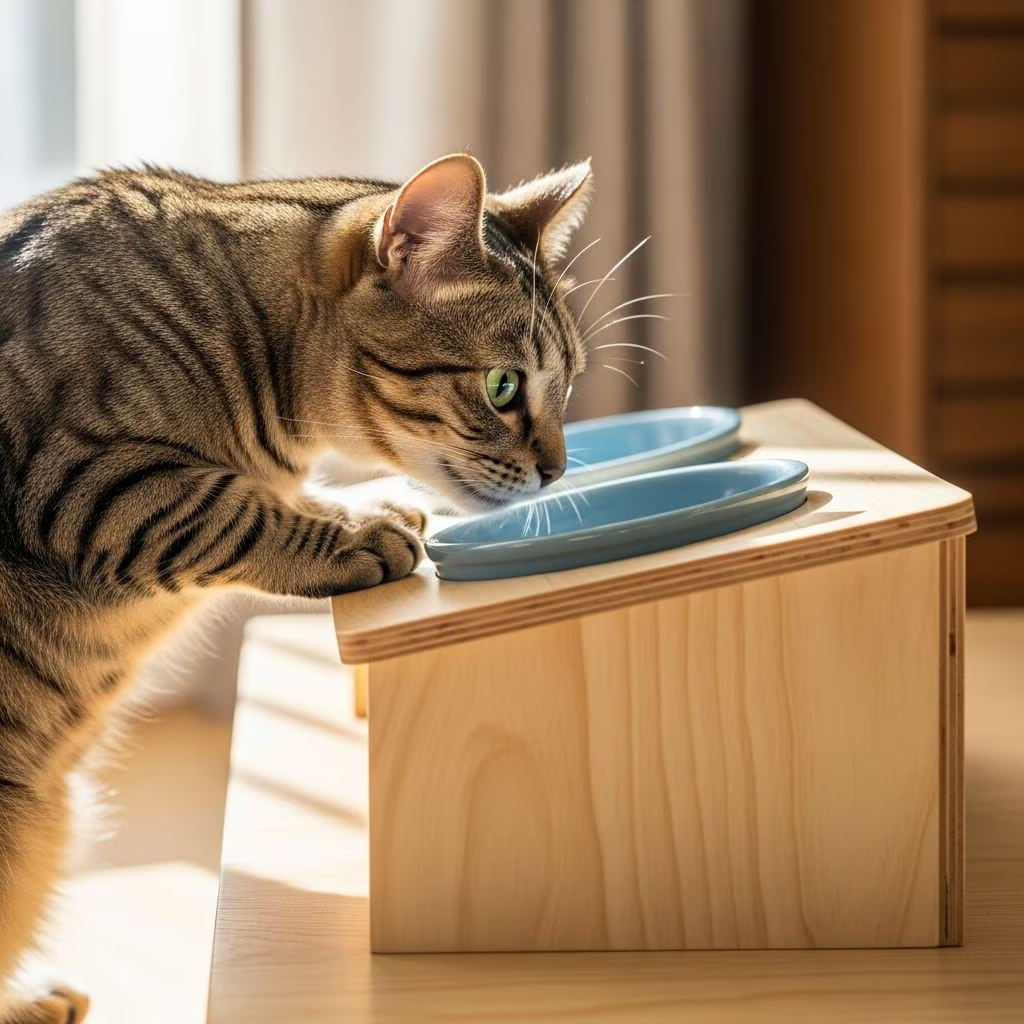
When cats eat from bowls placed directly on the floor, they must bend their necks downward at an unnatural angle to reach their food and water. This posture mimics the hunting position of wild felines when they consume prey at ground level, but domestic cats eating from standard bowls experience unnecessary strain. Elevated feeding stations reduce stress on the neck, spine, and joints by allowing cats to maintain a more upright, comfortable eating posture. This ergonomic improvement becomes increasingly important for senior cats, those with arthritis, or felines recovering from spinal injuries.
Beyond postural benefits, raised feeding positions can significantly improve your cat’s digestive health. When a cat’s esophagus aligns more naturally with their stomach during feeding, swallowing becomes easier and more efficient. Many cat owners report that elevated bowls reduce instances of regurgitation and vomiting after meals, as the improved alignment helps food travel smoothly into the stomach rather than being propelled back up the esophagus.
Additionally, elevated feeding stations minimize mealtime mess. Cats are less likely to knock water or food out of raised bowls, and the elevated position keeps food away from dust and bacteria that accumulate on floors, promoting better overall hygiene.
Assessing Your Cat’s Individual Needs and Feeding Requirements
Before beginning any DIY project, evaluate whether your cat would benefit from an elevated feeding station. Consider your cat’s age, health status, eating habits, and current feeding challenges.
- Senior cats and those with arthritis: Cats over seven years old, or those diagnosed with joint conditions, experience the most immediate benefits from reduced bending during meals
- Cats with digestive issues: Felines prone to vomiting or regurgitation often show improvement with elevated feeding positions
- Messy eaters: If your cat scatters food across your kitchen floor, an elevated station can contain the mess more effectively
- Whisker-sensitive cats: Some cats experience discomfort when their sensitive facial whiskers contact the sides of deep bowls, and elevated wide-diameter options alleviate this irritation
- Rapid eaters: Cats that consume food too quickly and experience digestive upset may eat more deliberately when feeding from a raised position
If your cat shows signs of neck stiffness, hesitates before eating, or displays post-meal vomiting, an elevated station addresses these concerns effectively.
Selecting Appropriate Materials for Durability and Safety
Choosing safe, durable materials is essential for a functional DIY elevated feeding station that will withstand daily use and remain hygienic.
| Material Type | Advantages | Considerations |
|---|---|---|
| Wood (untreated) | Sturdy, attractive, easy to customize height | Requires sealing to prevent water damage; splinters possible if not sanded smooth |
| PVC Pipe | Lightweight, waterproof, affordable, simple assembly | Less aesthetically polished; can scratch floors without protective feet |
| Metal (stainless steel framework) | Extremely durable, easy to clean, professional appearance | Higher cost; requires welding or specialized fasteners |
| Ceramic or concrete base | Weighted stability, elegant look, non-slip surface | Heavy to move; may crack if dropped |
| Recycled materials (sturdy boxes, crates) | Economical, repurposes existing items, quick assembly | Limited lifespan; may not support heavier bowls long-term |
When selecting any material, verify it is non-toxic and food-safe. Avoid treated woods containing harmful chemicals, and ensure all finishes, paints, or stains are pet-safe. The surface should be smooth to prevent splinters and easy to clean to maintain hygiene standards.
Determining the Optimal Height for Your Specific Cat
The ideal elevation height varies based on your cat’s size, breed, and individual proportions. An incorrectly elevated bowl can still create strain or discomfort.
To determine proper height, observe your cat in a natural standing position. The bowl should be positioned so that your cat’s front legs are only slightly bent when eating, and their head remains neutral rather than angled downward. For most medium-sized adult cats, a height of 4-6 inches (10-15 cm) provides comfortable access. Larger breeds like Maine Coons may require 6-8 inches, while smaller cats or kittens need only 2-4 inches of elevation.
A practical measurement method involves having your cat stand naturally, then measuring from the floor to their elbows. The bowl surface should be approximately at this height. Remember that as your cat ages or if mobility issues develop, you may need to adjust the elevation.
Building a Basic Elevated Platform: Step-by-Step Instructions
This foundational design works for most cats and uses commonly available materials:
Materials Needed:
- One wooden board (12\” x 12\” x 0.75\” thick) or equivalent sturdy flat base
- Four support legs (wood dowels, PVC pipes, or metal brackets) cut to desired height
- Wood screws or bolts (stainless steel to prevent rust)
- Two food-grade bowls (stainless steel or ceramic, sized appropriately for your cat)
- Sandpaper (medium and fine grit)
- Non-toxic wood sealant or food-safe finish
- Non-slip pads or rubber feet
Construction Process:
- Prepare the base: Sand all wooden surfaces thoroughly, removing any splinters or rough edges. Round the board’s corners slightly for safety.
- Apply protective finish: Seal the wood with food-safe polyurethane or plant-based oil to protect against water damage from spills and cleaning.
- Attach support legs: Secure all four legs equidistant from corners using rust-resistant fasteners. Ensure legs are cut to exact identical lengths for stable, level placement.
- Test for stability: Place the platform on a level floor and apply downward pressure to verify it doesn’t wobble or shift.
- Install non-slip protection: Attach rubber pads or adhesive feet to the bottom of each leg to prevent sliding on flooring.
- Position bowls: Place food and water bowls on the platform with adequate spacing (at least 6 inches apart) to prevent cross-contamination.
Advanced Design Options for Enhanced Functionality
Once you master the basic elevated platform, consider these enhancements for improved functionality:
Bowl Retention System
Prevent your cat from pushing bowls off the platform by creating shallow recessed areas or using raised edge borders. A simple solution involves mounting small wooden or plastic lips around bowl positions, containing spillage and preventing movement.
Drainage-Friendly Design
Add drainage holes or a slight slope toward the edges if your platform is solid rather than slatted. This prevents standing water from accumulating during spills and cleaning. Include a removable tray underneath to catch excess liquid.
Tiered Multi-Cat Configurations
If you have multiple cats, create separate elevated stations at staggered heights to accommodate different sizes and reduce feeding competition. This prevents dominant cats from monopolizing resources and ensures each cat eats comfortably.
Integrated Storage
Design elevated feeders with storage compartments beneath the platform to organize food, treats, and feeding accessories. This keeps everything within easy reach and maintains an organized feeding area.
Installation and Placement Considerations
Where you position the elevated feeding station significantly impacts your cat’s eating experience and your household’s organization.
- Choose a quiet location: Place the feeder away from high-traffic areas, loud appliances, or spaces where family members frequently walk. Cats eat more relaxed when undisturbed.
- Ensure accessibility: Position it where your cat can easily approach without jumping or excessive navigation around obstacles.
- Protect flooring: Use a waterproof mat beneath the entire installation to protect floors from water spills and splashes during cleaning.
- Maintain distance from litter: Keep feeding stations at least 3-4 feet away from litter boxes, as cats instinctively avoid eating near elimination areas.
- Provide escape routes: Ensure your cat isn’t cornered while eating and has easy exit access, reducing feeding anxiety.
- Check lighting: Position the feeder where your cat can see food clearly, avoiding dim corners that might discourage eating.
Maintenance Protocols for Long-Term Use and Hygiene
Proper maintenance extends the lifespan of your DIY feeder and ensures it remains safe for your cat:
- Daily cleaning: Wash bowls with hot, soapy water after each feeding and dry immediately to prevent bacterial growth
- Weekly platform cleaning: Wipe down the entire platform with a damp cloth and mild pet-safe cleaner
- Monthly deep cleaning: Disassemble if possible and thoroughly clean all surfaces, including underneath and between support legs
- Regular inspection: Check for splinters, cracks, rust, or instability monthly and repair immediately
- Seasonal adjustments: Review the height and positioning quarterly as your cat ages or if health changes occur
Common Challenges and Troubleshooting Solutions
Cat Refuses to Use the Elevated Feeder
Some cats initially resist changes to their feeding environment. Transition gradually by placing the elevated feeder next to the old one, then slowly moving it to the desired location over several days. Reward your cat with treats or praise when approaching the new feeder.
Platform Wobbles or Feels Unstable
Check that all support legs are identically cut and that the base surface is level. Add additional cross-bracing if needed, or increase the diameter of support legs for greater stability.
Spills and Water Damage
Ensure the protective finish is fully intact and reapply as needed. Use wider, more shallow bowls that minimize splashing, and consider placement on water-resistant mats with raised edges.
Inadequate Height Adjustments
If your initial height estimate proves incorrect, shim the platform with temporary supports or rebuild with adjusted leg lengths. It’s better to fine-tune early than allow prolonged feeding discomfort.
Health Benefits Summary and Long-Term Outcomes
Investing time in building a custom elevated feeding station yields substantial health benefits for your feline companion. Cats using elevated feeders demonstrate improved digestion, reduced instances of vomiting, better postural alignment, and decreased strain on aging joints. Senior cats, in particular, show renewed enthusiasm for mealtimes when feeding-related discomfort is eliminated.
The combination of ergonomic positioning, reduced whisker irritation, and improved eating pace creates a holistic improvement to your cat’s nutritional intake and digestive efficiency. These benefits accumulate over months and years, contributing to better overall health and quality of life.
Frequently Asked Questions
What’s the difference between slightly elevated and significantly elevated bowls?
Slightly elevated bowls (2-4 inches) provide modest postural improvement for younger, healthy cats. Significantly elevated stations (6-8+ inches) offer greater benefits for senior cats, those with arthritis, or cats with specific digestive issues. The ideal height depends on individual cat proportions.
Can elevated feeders help with obesity management?
While elevated feeders alone don’t cause weight loss, they can support weight management by slowing eating pace and improving digestion, potentially reducing overeating-related discomfort that discourages activity.
Are expensive commercial elevated feeders better than DIY versions?
Quality matters more than cost. A well-constructed DIY feeder using proper materials often outperforms inexpensive commercial options. Commercial feeders offer convenience and aesthetics, but DIY versions provide customization advantages.
How do I transition a kitten to an elevated feeder as they grow?
Start with a very low elevation and gradually increase height as your kitten matures and reaches adult size. Adjust the height every few months during the growth phase to maintain optimal positioning.
References
- 5 Benefits of Raised Cat Food Bowls — The Kind Pet. 2024. https://thekindpet.com/blogs/blog/5-benefits-of-raised-cat-food-bowls
- Improving Health and Wellness with Raised Cat Bowls — Leo’s Paw. 2024. https://leospaw.com/blogs/help-advice/improving-health-and-wellness-with-raised-cat-bowls
- Should You Get an Elevated Cat Bowl: Pros and Cons of Elevated Food Bowls for Cats — Vetic. 2024. https://vetic.in/blog/healthy-lifestyle/should-you-use-an-elevated-cat-bowl-a-look-at-the-pros-and-cons-of-elevated-food-bowls-for-cats/



