

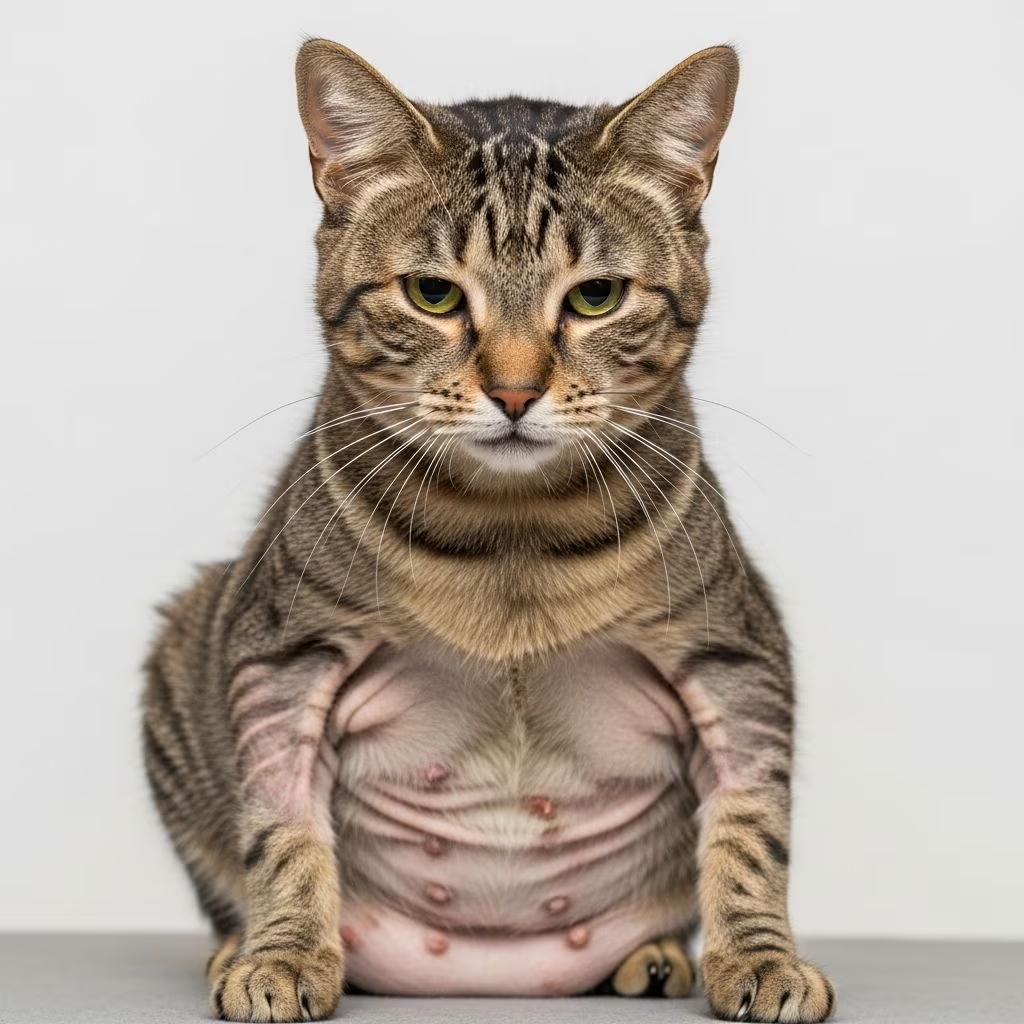
Understanding Cushing’s Disease in Cats
Cushing’s disease, also known as hyperadrenocorticism, is a serious endocrine disorder that occurs when a cat’s body produces excessive amounts of cortisol, a hormone naturally secreted by the adrenal glands. This condition is relatively rare in cats compared to dogs, but when it does occur, it can significantly impact your feline companion’s quality of life. Understanding this disease, its causes, symptoms, and available treatment options is essential for cat owners who want to provide the best possible care for their pets.
The adrenal glands are two small glands located near the kidneys that play a crucial role in regulating various body functions through hormone production. When these glands malfunction and produce excessive cortisol, they can cause a cascade of health problems affecting multiple organ systems. Early recognition and appropriate management can help improve your cat’s quality of life and extend their survival time.
Types and Causes of Cushing’s Disease
Cushing’s disease in cats can be categorized into two main types, each with different underlying causes and treatment approaches.
Iatrogenic Hyperadrenocorticism
Iatrogenic hyperadrenocorticism is the most common form of Cushing’s disease in cats and accounts for the majority of cases. This type occurs when excessive cortisol is present in the body as a direct result of prolonged administration of corticosteroid medications. Cats receiving long-term steroid therapy for conditions such as allergies, asthma, inflammatory bowel disease, or immune-mediated diseases can develop this form of the disease. The steroids, which may be administered orally, via injection, or even topically, accumulate in the system and cause the body to produce abnormally high cortisol levels. The duration and dosage of steroid therapy directly influence the likelihood of developing this condition.
Naturally Occurring Hyperadrenocorticism
Naturally occurring hyperadrenocorticism develops when the adrenal glands themselves malfunction without external steroid administration. This form can further be divided into two categories: pituitary-dependent and adrenal-dependent disease. In pituitary-dependent cases, a tumor or dysfunction of the pituitary gland causes excessive stimulation of the adrenal glands, leading to cortisol overproduction. In adrenal-dependent cases, a tumor or disease of the adrenal gland itself causes uncontrolled cortisol secretion. Naturally occurring Cushing’s disease is less common than the iatrogenic form but typically requires more aggressive treatment interventions.
Clinical Signs and Symptoms
The clinical manifestations of Cushing’s disease in cats vary widely and can develop gradually, making early detection challenging. Recognizing these symptoms is crucial for prompt diagnosis and treatment initiation.
Early Stage Symptoms
In the early stages of Cushing’s disease, cats may exhibit subtle changes in their physical appearance and behavior. Weight gain is often among the first noticeable changes, though some cats may paradoxically experience weight loss. A bloated or pendulous abdomen develops as the liver enlarges and abdominal muscle tone diminishes. Muscle loss over the spine becomes apparent, giving the cat a weakened appearance. Many owners also notice a general lethargy or lack of activity, with their formerly active cats spending more time resting.
Progressive Symptoms
As Cushing’s disease progresses, additional symptoms become more pronounced. Excessive drinking (polydipsia) and excessive urination (polyuria) are hallmark signs of advanced disease. Cats may also develop an increased appetite (polyphagia). Hair loss (alopecia) becomes more evident, and affected cats develop a poor or unkempt haircoat. Fragile skin that tears easily is characteristic of advanced Cushing’s disease. Some cats experience curling of the ear tips, a distinctive sign of the condition. Recurrent urinary tract infections may occur due to immunosuppression from elevated cortisol levels.
Physical Changes
The “fragile skin syndrome” is a classic presentation in cats with Cushing’s disease, where the skin becomes thin, delicate, and prone to tearing or bruising with minimal trauma. Abdominal enlargement continues to progress, sometimes creating a “potbellied pig” appearance. Cats may develop a general appearance of poor health and malaise as the disease advances.
Diagnosis of Cushing’s Disease
Accurate diagnosis of Cushing’s disease requires a combination of clinical observation, laboratory testing, and specialized diagnostic procedures. Your veterinarian will take a comprehensive approach to confirm the diagnosis.
Initial Assessment
The diagnostic process begins with a thorough history and physical examination. Your veterinarian will inquire about your cat’s symptoms, medical history, medications, and any recent changes in behavior or appearance. A complete physical examination allows the veterinarian to assess muscle condition, skin integrity, abdominal enlargement, and other clinical signs consistent with Cushing’s disease.
Laboratory Testing
Laboratory tests provide objective evidence of adrenal dysfunction. Blood work may reveal elevated liver enzymes, elevated glucose levels, and abnormal electrolyte concentrations. Urinalysis might show signs of urinary tract infection or abnormal glucose levels in the urine. However, definitive diagnosis requires specific adrenal function tests.
Adrenal Screening Tests
Several specialized tests can confirm Cushing’s disease by evaluating adrenal gland function. The low-dose dexamethasone suppression test (LDDST) is commonly used, though the adrenal-pituitary axis in cats is not as easily suppressed as in dogs and requires different dosing protocols. High-dose dexamethasone suppression testing may be performed to help differentiate between pituitary-dependent and adrenal-dependent disease. The ACTH stimulation test evaluates how the adrenal glands respond to pituitary stimulation. Elevated resting cortisol levels and abnormal responses to these suppression tests support a diagnosis of Cushing’s disease.
Treatment Options for Cushing’s Disease
Treatment approaches vary depending on the underlying cause of Cushing’s disease and the individual cat’s condition. Multiple options are available to help manage this serious condition.
Management of Iatrogenic Hyperadrenocorticism
When Cushing’s disease is caused by prolonged steroid administration, the primary treatment involves a controlled and gradual withdrawal of the offending medication. Abruptly stopping steroid therapy can be dangerous, potentially causing life-threatening complications. Instead, your veterinarian will develop a tapering schedule to slowly reduce the steroid dose over weeks or months. During this withdrawal period, alternative medications will be prescribed to treat the underlying condition for which the steroids were originally prescribed. For example, if steroids were used to manage allergies, your veterinarian may recommend antihistamines, omega-3 supplements, or other allergy management strategies. Many cats with iatrogenic hyperadrenocorticism respond remarkably well to steroid withdrawal and live comfortable lives for many months or years.
Drug Therapy for Naturally Occurring Disease
When Cushing’s disease occurs naturally, pharmaceutical options are available to suppress cortisol production. Trilostane (brand name Vetoryl®) is considered the most effective medication for cats and is the most commonly prescribed treatment. This medication works by inhibiting enzymes necessary for cortisol synthesis, effectively reducing cortisol production by the adrenal glands. Trilostane is administered orally once or twice daily, with dosages typically ranging from 2 to 3 mg/kg per day. However, trilostane may take considerable time to produce noticeable improvement in clinical signs, and some cats show only minimal improvement even when cortisol levels normalize.
Mitotane (brand name Lysodren®) is another medication option, though it is typically reserved for cats that have failed to respond adequately to trilostane due to concerns about toxicity. Other medications such as metyrapone, ketoconazole, and selegiline have been evaluated, but they have shown limited effectiveness or significant side effects in feline patients.
Surgical Treatment
Surgical intervention may be considered for certain cases of naturally occurring Cushing’s disease, particularly when imaging reveals an adrenal tumor.
Adrenalectomy: Surgical removal of an affected adrenal gland can be an effective treatment option, especially if diagnostic imaging confirms that only one gland is involved in the disease process. Successful removal of an adrenal tumor can actually cure Cushing’s disease in these cases, offering the potential for longer survival times. However, adrenalectomy carries significant surgical risks, and affected cats often have poor wound healing and are prone to blood clot formation, necessitating careful perioperative management.
Hypophysectomy: Surgical removal of the pituitary gland is an extremely challenging and potentially risky procedure that is typically reserved only for severe cases. This surgery is only available at specialized veterinary centers and universities due to its technical complexity and the high complication rate associated with it. When successful, hypophysectomy can address pituitary-dependent disease at its source.
Radiation Therapy
Radiation therapy is particularly effective for treating cats with Cushing’s disease caused by pituitary tumors. This treatment is especially beneficial for cats that develop neurological signs such as stumbling, drooling, or seizures in addition to their Cushing’s symptoms. However, the availability of this treatment may be limited geographically, as it requires specialized equipment and expertise only available at certain veterinary centers. When available, radiation often proves highly effective in controlling pituitary-dependent disease.
Monitoring and Drug Management
Cats receiving trilostane or other cortisol-suppressing medications require careful monitoring to ensure the treatment is effective and safe. Your veterinarian will recommend rechecking electrolytes and performing ACTH stimulation testing approximately seven to ten days after starting therapy. If initial results are satisfactory, follow-up testing should be performed one month after initiation, and then every three to four months thereafter. This monitoring ensures that cortisol levels are adequately controlled and helps prevent complications from over-suppression of cortisol production.
Prognosis and Quality of Life
The prognosis for cats with Cushing’s disease varies significantly based on the underlying cause, the cat’s individual response to treatment, and access to appropriate veterinary care. Cats with iatrogenic hyperadrenocorticism that respond well to steroid withdrawal and receive appropriate alternative medications typically enjoy an improved quality of life with a generally favorable outlook.
For naturally occurring hyperadrenocorticism, while a complete cure is rarely possible, appropriate treatment allows many cats to enjoy many months or even years with an excellent quality of life. Cats that successfully undergo surgical removal of adrenal tumors have the longest survival times, though surgery itself carries significant risks. When Cushing’s disease is caused by a cancerous adrenal tumor, the prognosis is more guarded despite treatment. Many cats that respond well to treatment and maintain good management demonstrate remarkable improvement in their daily quality of life and overall wellbeing.
Frequently Asked Questions About Cushing’s Disease in Cats
Q: Is Cushing’s disease common in cats?
A: No, Cushing’s disease is relatively rare in cats compared to dogs. However, when it does occur, it requires appropriate management and treatment to maintain quality of life.
Q: Can Cushing’s disease be cured in cats?
A: Cure depends on the type. Iatrogenic Cushing’s can be effectively managed through gradual steroid withdrawal. For adrenal tumors, surgical removal may provide a cure. However, naturally occurring pituitary-dependent disease can be managed but rarely cured.
Q: How long does it take for trilostane to work?
A: Trilostane can take considerable time to show clinical improvement in cats, sometimes weeks or months. Some cats show only minimal improvement even after cortisol levels return to normal ranges.
Q: What should I do if my cat is on long-term steroid therapy?
A: Discuss with your veterinarian about the possibility of gradual steroid withdrawal or exploring alternative medications to reduce the risk of iatrogenic Cushing’s disease development.
Q: Can indoor cats get Cushing’s disease?
A: Yes, both indoor and outdoor cats can develop Cushing’s disease. The condition is not related to lifestyle but rather to adrenal gland dysfunction or prolonged steroid medication use.
Q: How often does my cat need monitoring if treated with trilostane?
A: Initial monitoring occurs 7-10 days after starting therapy, then one month after initiation, followed by every three to four months to ensure proper cortisol control and medication adjustment.
References
- Cushing’s Disease (Hyperadrenocorticism) in Cats — VCA Animal Hospitals. Accessed November 2025. https://vcahospitals.com/know-your-pet/cushings-disease-in-cats
- Cushing’s Disease in Cats: Causes, Symptoms, and Treatment — PetMD. Accessed November 2025. https://www.petmd.com/cat/conditions/endocrine/cushings-disease-hyperadrenocorticism-cats
- Hyperadrenocorticism (Cushing’s Disease) — International Cat Care. Accessed November 2025. https://icatcare.org/articles/hyperadrenocorticism-cushings-disease
- The Feline Facets of Cushing’s Disease — DVM360. Accessed November 2025. https://www.dvm360.com/view/feline-facets-cushings-disease
- Cushing’s Disease in Cats: Cause, Signs & Treatment Options — Long Beach Animal Hospital. Accessed November 2025. https://lbah.com/feline/cushings-disease-in-cats/



