

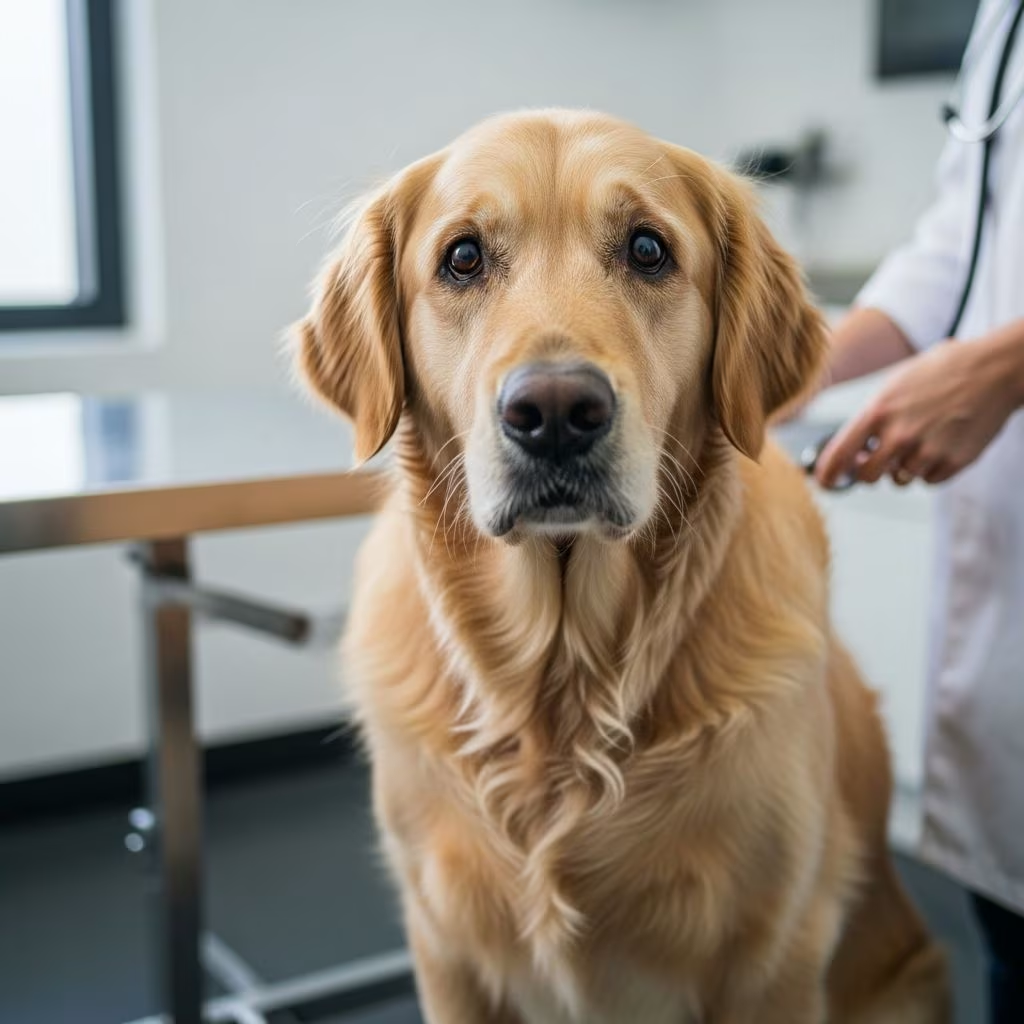
Cushing’s disease, also known as hyperadrenocorticism, is a common endocrine disorder in dogs where the body produces excessive cortisol, a vital stress hormone. This overproduction leads to a cascade of symptoms affecting skin, appetite, energy levels, and organ function, primarily impacting middle-aged and senior dogs.
What is Cushing’s Disease in Dogs?
Cushing’s disease occurs when the adrenal glands overproduce cortisol due to tumors on the pituitary gland (pituitary-dependent, ~85% of cases) or adrenal glands (adrenal-dependent). This excess cortisol disrupts normal body functions, causing muscle weakness, immune suppression, and metabolic changes. While not curable in most cases, it is manageable with medication and lifestyle adjustments to improve quality of life.
The pituitary-dependent form stems from a benign tumor signaling excessive ACTH production, stimulating the adrenals. Adrenal-dependent cases involve direct tumors on the adrenal glands. Rarely, iatrogenic Cushing’s results from prolonged steroid use.
Symptoms of Cushing’s Disease in Dogs
Symptoms develop gradually, often mimicking aging. Key signs include:
- Increased thirst (polydipsia) and urination (polyuria): Dogs drink and urinate excessively, leading to accidents.
- Ravenous appetite (polyphagia): Constant hunger drives begging or scavenging.
- Pot-bellied appearance: Fat redistribution and weakened abdominal muscles create a sagging belly.
- Hair loss (alopecia) and thin skin: Symmetrical hair thinning on flanks, with fragile, easily bruised skin.
- Lethargy and muscle weakness: Reduced energy, difficulty rising, or climbing stairs.
- Panting and skin infections: Recurrent UTIs, slow-healing wounds, and darkened skin patches.
Behavioral changes like irritability or restlessness may also occur. Early detection via routine vet checks is crucial, as untreated cases raise risks for diabetes, hypertension, and organ damage.
Causes of Cushing’s Disease in Dogs
The primary causes are:
- Pituitary-dependent (PDH): Small pituitary tumor (85-90% cases), overproducing ACTH.
- Adrenal-dependent (ADH): Tumor on one or both adrenal glands (10-15%).
- Iatrogenic: From long-term corticosteroid therapy.
Breeds like Poodles, Dachshunds, Terriers, Boxers, and Beagles are predisposed, with females overrepresented. Age typically 7-10 years.
Diagnosis of Cushing’s Disease in Dogs
Diagnosis starts with history, physical exam noting pot-belly or alopecia, and baseline bloodwork (CBC, chemistry panel showing elevated ALP, cholesterol). Confirmatory tests include:
- ACTH Stimulation Test: Measures cortisol before/after ACTH injection; exaggerated response in Cushing’s.
- Low-Dose Dexamethasone Suppression Test (LDDST): Dexamethasone injection; failure to suppress cortisol indicates disease.
- Ultrasound/Abdominal Imaging: Identifies adrenal tumors.
- Endogenous ACTH Levels: Differentiates pituitary vs. adrenal origin.
These tests distinguish Cushing’s from mimics like diabetes or hypothyroidism. Urine cortisol:creatinine ratio screens initially.
Treatment for Cushing’s Disease in Dogs
Treatment targets cortisol reduction; most cases managed lifelong.
| Type | Treatment | Notes |
|---|---|---|
| Pituitary-Dependent (85%) | Medications: Trilostane (Vetoryl®) or Mitotane (Lysodren®) | Daily dosing; monitors via ACTH tests. |
| Adrenal-Dependent | Surgery (adrenalectomy) or medication | Curable if benign tumor; high risk. |
| Iatrogenic | Taper steroids gradually | Adrenals recover over months. |
Trilostane blocks cortisol synthesis (preferred); Mitotane destroys adrenal tissue. Success rates: 80-90% symptom improvement within months, but lifelong monitoring needed.
Management and Prognosis
Post-diagnosis, recheck bloodwork/ACTH every 1-3 months initially, then 3-6 months. Adjust doses to avoid over-suppression. Supportive care:
- Diet: Low-fat, high-quality protein (e.g., Hill’s i/d Low Fat); limit sodium.
- Exercise: Moderate daily activity to combat weakness.
- Supplements: Omega-3s for skin; vet-approved antioxidants.
- Monitor: For UTIs, hypertension; annual exams.
Prognosis: 1-5 years survival with treatment; untreated, 6-24 months due to complications. Quality of life improves significantly.
Living with Cushing’s: Quality of Life Considerations
Monitor for good days (energy, appetite control) vs. bad (incontinence, infections). When symptoms overwhelm despite treatment, discuss euthanasia compassionately. Holistic aids like acupressure may complement but not replace vet care.
Frequently Asked Questions (FAQs)
Q: How long can a dog live with Cushing’s disease?
A: With treatment, 1-5 years; depends on response and complications.
Q: What are early signs of Cushing’s in dogs?
A: Increased thirst/urination, appetite, panting, and lethargy.
Q: Is Cushing’s disease curable?
A: Rarely; most managed lifelong with meds.
Q: What diet is best for dogs with Cushing’s?
A: Low-fat, high-protein, low-sodium; vet-recommended prescription diets.
Q: Can surgery cure Cushing’s?
A: Possible for adrenal tumors; pituitary cases usually medical management.
References
- Cushing’s Disease in Dogs: Signs and Treatment — MedVet. 2023. https://www.medvet.com/cushings-disease-in-dogs/
- A Veterinarian’s Guide To Cushing Disease In Dogs — Ancare Veterinary. 2024. https://www.ancarevet.com/services/dogs/blog/veterinarians-guide-cushing-disease-dogs
- Canine Cushing’s Syndrome: A Comprehensive Guide — Poll to Pastern. 2023. https://www.polltopastern.com/post/canine-cushing-s-syndrome-a-comprehensive-guide-and-the-role-of-acupressure
- Cushing’s Disease in Dogs: A Comprehensive Guide — Lap of Love. 2024. https://www.lapoflove.com/blog/common-pet-diseases-and-symptoms/cushings-disease-in-dogs-when-its-time-guide
- Cushing’s Disease in Dogs: Symptoms, Diagnosis, and Treatment — PetMD. 2025-01-10. https://www.petmd.com/dog/conditions/endocrine/cushings-disease-in-dogs-symptoms-diagnosis
- Cushing’s Disease in Dogs — VCA Animal Hospitals. 2024. https://vcahospitals.com/know-your-pet/cushings-disease-in-dogs



