

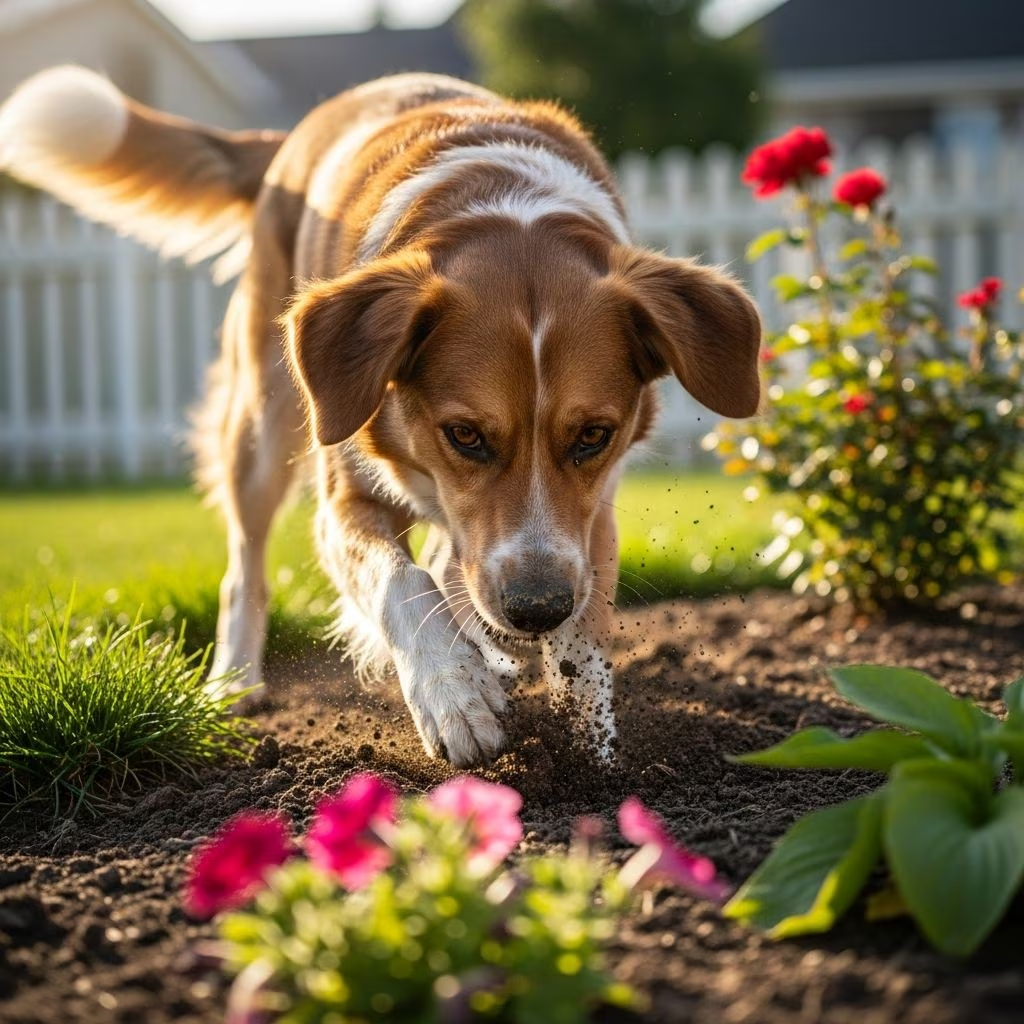
Dogs often dig in yards due to innate drives or unmet needs, but targeted interventions can redirect this behavior without frustration for owners or pets. This guide explores underlying motivations and actionable steps to foster better habits.
Decoding the Instinct Behind Digging
Understanding why dogs engage in digging is the foundation for effective management. Many canines exhibit this trait as a remnant of ancestral survival tactics, where excavating soil served purposes like hunting prey or creating shelters.
- Boredom and Energy Surplus: When lacking stimulation, dogs turn to digging as self-entertainment, especially if left alone outdoors for long stretches.
- Temperature Control: On hot days, pets burrow to reach cooler earth layers; in cooler weather, they dig for warmth.
- Prey Pursuit: Scents or sounds from rodents underground trigger excavation frenzies in breeds like terriers.
- Escape Attempts: Frustrated by confinement, some dogs dig under fences seeking adventure beyond boundaries.
- Nesting or Hoarding: Females may prepare whelping sites, while others bury valuables for later retrieval.
Breeds such as Dachshunds, terriers, and hounds carry strong genetic predispositions, making suppression alone ineffective. Instead, address the specific trigger for lasting results.
Boosting Activity Levels to Reduce Digging
Physical and mental exertion ranks as a top remedy, tiring dogs enough to diminish destructive impulses. Owners report marked improvements after incorporating structured routines.
Enhance daily walks with interval sprints or hill climbs for high-energy breeds. Supplement with fetch sessions using balls or frisbees, aiming for 30-60 minutes of vigorous play.
| Activity Type | Benefits | Suitable Breeds |
|---|---|---|
| Fetch/Tug-of-War | Burns physical energy quickly | Retrievers, herders |
| Dog Park Visits | Socialization + exercise | All energetic types |
| Obedience Classes | Mental focus + fitness | Working breeds |
| Nosework Games | Stimulates scent instincts | Hounds, terriers |
Mental puzzles like treat-dispensing toys or ‘find it’ games engage the brain, mimicking hunting behaviors that prevent idle paws from targeting turf. Daycare options provide supervised outlets for socialization and play, ideal for working owners.
Designing a Designated Digging Zone
Channeling instincts into approved areas preserves landscapes while satisfying urges. A custom dig pit—essentially a sandbox alternative—becomes a reward hub.
- Select a sunny, accessible yard corner (3×6 feet minimum for larger dogs).
- Line with plywood or plastic sheeting to contain fill material like play sand or loose soil.
- Bury enticing items: toys, bones, or treats at varying depths.
- Lead your dog there post-meal or during playtime, praising excavations enthusiastically.
- Rotate rewards weekly to sustain interest; refresh sand periodically.
Train by interrupting yard digs and guiding to the pit with commands like ‘dig here.’ Consistency yields preference for the zone within weeks. For hoarders, this spot doubles as a safe burial site.
Implementing Safe Deterrents and Barriers
While positive reinforcement builds habits, deterrents protect vulnerable spots temporarily. Prioritize non-toxic, humane methods to avoid harm.
- Natural Repellents: Scatter citrus peels, cayenne mixes, or crushed eggshells—odors and textures dogs aversion without residue.
- Motion Devices: Sprinklers or ultrasonic emitters activate on approach, startling without pain.
- Physical Blocks: Chicken wire buried shallowly or low fences around plants/fence lines thwart access.
- Prey Control: Castor oil-soap blends flush rodents from tunnels; avoid pesticides toxic to pets.
Supervise initially to pair deterrents with redirection. Limit unsupervised yard time via indoor crating or gated zones until patterns shift.
Breed-Specific Insights and Adjustments
Tailor approaches to genetics for optimal outcomes. Terriers and Dachshunds thrive on scent games emulating vermin hunts, reducing yard pursuits.
Northern breeds like Huskies benefit from shaded, cooled rests to curb heat-seeking burrows. High-drive herders need jobs like agility drills to expend herding energy productively.
Consult vets to rule out anxiety or nutritional gaps prompting unusual digging. Balanced diets prevent pica-like behaviors mistaken for play.
Long-Term Prevention Strategies
Sustain progress through routine monitoring and adaptation. Track digging episodes in a journal, noting triggers like time of day or weather, to refine tactics.
Integrate family involvement: children tossing toys to the dig pit reinforces rules playfully. Seasonal checks ensure barriers hold against erosion.
For persistent cases, professional trainers offer customized plans, especially for escape artists or anxiety-driven diggers. Patience prevails—most dogs adapt within 4-6 weeks of consistent effort.
Frequently Asked Questions
Why does my dog dig only at night?
Night digs often stem from cooler soil temps or nocturnal prey activity. Increase evening exercise and inspect for rodents.
Can punishment stop digging?
No—scolding reinforces anxiety, worsening habits. Focus on prevention and rewards for alternatives.
Is a dig pit messy to maintain?
Minimal upkeep: hose down weekly, sift debris monthly. Containment prevents yard spread.
What if my dog ignores the dig pit?
Enhance appeal with frozen treats or rotating toys. Block off-limits areas firmly during training.
Does spaying/neutering help with digging?
It may reduce hormone-driven nesting in females, but core fixes remain exercise and outlets.
Key Takeaways for a Dig-Free Yard
Combine root-cause diagnosis with multifaceted solutions: amplify exercise, erect dig zones, deploy deterrents judiciously. This holistic path respects canine nature while safeguarding properties, yielding harmonious pet-owner dynamics.
References
- Managing Digging Behavior in Dogs — Operation Kindness. 2023. https://www.operationkindness.org/managing-digging-behavior-in-dogs/
- Dog Behavior: Digging — Oregon Veterinary Medical Association. 2024-01-15. https://www.oregonvma.org/care-health/companion-animals/behavior/dog-behavior-digging
- Problem Behaviours: Digging and Escaping — Woof Like To Meet. 2017-03-01. https://www.woofliketomeet.com/2017/03/problem-behaviours-digging-and-escaping/
- How to Correct (or Reward) a Dog’s Digging Habit — Spay Neuter Network. 2023-06-10. https://spayneuternet.org/pet-education/how-to-correct-or-reward-a-dogs-digging-habit/
- How To Stop a Dog From Digging — PetMD. 2025-02-01. https://www.petmd.com/dog/behavior/how-to-stop-dog-digging
- Understanding the Dog Who Digs — Arizona Humane Society. 2022-08-20. https://www.azhumane.org/wp-content/uploads/Understanding-the-Dog-Who-Digs-1.pdf
- Digging and Burying Behavior — Animal Humane Society. 2024. https://www.animalhumanesociety.org/resource/digging-and-burying-behavior



