

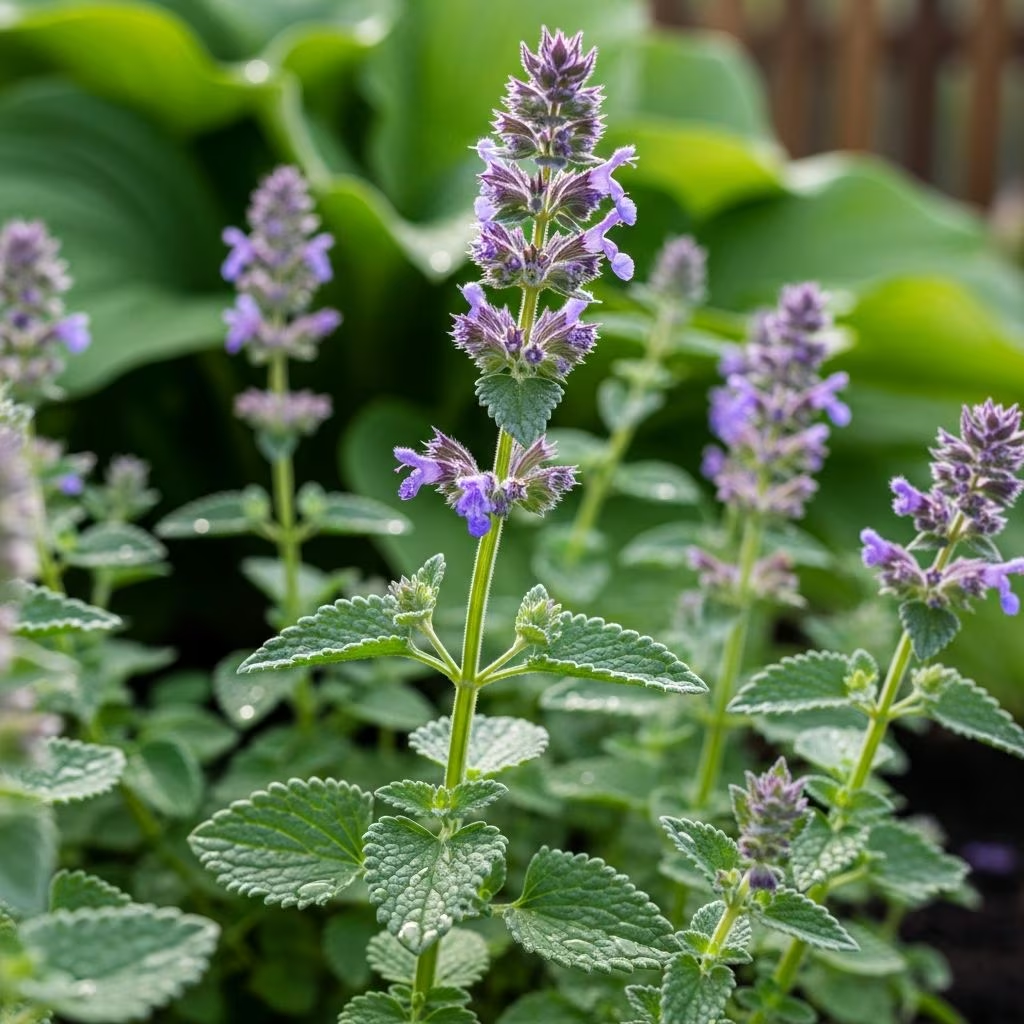
Catnip, scientifically known as Nepeta cataria, stands out as a versatile perennial herb cherished by feline companions and gardeners alike. This member of the mint family not only induces playful euphoria in cats but also serves humans in teas, culinary dishes, and natural remedies for minor digestive issues. Growing your own catnip ensures a fresh, pesticide-free supply, promoting both pet health and self-sufficiency. This guide draws from horticultural best practices to walk you through every stage, from seed selection to long-term storage, enabling bountiful yields even for novices.
Understanding Catnip’s Appeal and Benefits
Renowned for its nepetalactone compound, catnip triggers euphoric responses in about 70-80% of cats, mimicking feline pheromones to spark rolling, rubbing, and energetic play. Beyond pets, its minty aroma flavors herbal infusions that may ease headaches, colds, or stomach discomfort, akin to traditional mint uses. Gardeners value its hardiness; once established, catnip thrives with minimal intervention, deterring pests like aphids while attracting pollinators. In optimal conditions, plants reach 2-3 feet tall and wide, yielding multiple harvests per season.
Selecting the Right Varieties for Your Needs
Choose between true catnip (Nepeta cataria) for maximum feline attraction and catmint (Nepeta faassenii) for ornamental purple blooms with milder effects. Seed packets from reputable suppliers offer hybrids like ‘Six Hills Giant’ for vigorous growth or compact ‘Walker’s Low’ for containers. Prioritize organic, untreated seeds to avoid chemical residues, especially for pet use.
Preparing Catnip Seeds for Optimal Germination
Catnip seeds possess a tough coat requiring stratification to break dormancy and boost sprout rates. Follow these steps for success:
- Place seeds in a freezer bag and chill overnight to simulate winter conditions.
- Transfer to a bowl of room-temperature water (avoid boiling) and soak 12-24 hours; do not exceed 48 hours to prevent rot.
- Drain thoroughly before sowing, as excess moisture hinders germination.
This process cuts germination time from up to four weeks to 10-14 days, ensuring robust seedlings.
Ideal Conditions for Sowing Catnip Seeds
Catnip flourishes in USDA zones 3-9, preferring full sun (at least 6 hours daily) and well-drained, sandy loam soil with pH 6.0-7.5. Indoors, start seeds 6-8 weeks before the last frost using peat pellets or seed trays. Steps include:
- Moisten pellets in a tray until they expand like sponges.
- Tear a small opening in each and plant 3-4 seeds 1/8 inch deep.
- Cover lightly, dome with plastic for humidity, and position in a warm (70-75°F), dark spot.
- Mist daily; move to sunlight once sprouts emerge.
Outdoors, direct-sow post-frost in rows, thinning to 18-20 inches apart to accommodate mature spread.
Transplanting Seedlings to Permanent Spots
When seedlings hit 4-5 inches with true leaves, harden off over a week by gradual outdoor exposure. Plant in spring after frost risk, spacing 18-24 inches in fertile, loamy beds or 12-inch pots with drainage holes. Bury pots sideways in gardens to curb invasiveness, as catnip self-seeds aggressively. Water deeply post-planting, then weekly until rooted—about four weeks.
| Location | Soil Type | Spacing | Depth |
|---|---|---|---|
| Garden Bed | Well-drained loam, pH 6-7.5 | 18-24 inches | 1/8 inch seeds |
| Containers | Potting mix with sand | 12-inch pots | Surface sow |
| Indoors | Cactus mix | 6-8 inches apart | Shallow |
Daily Care and Maintenance Routines
Water when the top inch of soil dries, avoiding soggy conditions that invite root rot. Full sun maximizes oil concentration for potency; partial shade works in hot climates but reduces aroma. Fertilize sparingly with balanced, water-soluble formulas every 4-6 weeks during growth; overfeeding leads to leggy stems. Pinch tips weekly from 6-8 inches tall to promote bushiness—offer trimmings to cats for instant joy.
To manage invasiveness:
- Deadhead flowers promptly to halt seeding.
- Mulch around bases to suppress weeds without blocking drainage.
- Divide clumps every 3 years in spring for renewed vigor.
Recognizing and Solving Common Challenges
Catnip resists most pests, but watch for aphids or spider mites—blast with water or use neem oil. Fungal issues arise in poor drainage; ensure air circulation by spacing properly. If cats trample young plants, use barriers like chicken wire until established. Legginess signals insufficient light; relocate accordingly. In drought, supplemental water preserves yields, though catnip’s drought tolerance shines in sandy soils.
Mastering the Harvest: Timing and Techniques
Harvest peaks mid-summer during flowering when nepetalactone levels soar, yielding 2-3 cuts per season in temperate zones, up to 4 in warmer areas. Later-day picks post-dew minimize mold. Methods include:
- Stems: Shear entire stems near base for regrowth; aim for even cuts.
- Leaves/Flowers: Pinch individuals anytime, but flowers just post-opening.
- Leave 2-3 inches of growth for quick rebound.
Fall harvest provides winter stock; avoid post-frost for quality.
Drying, Storing, and Preserving Your Harvest
Air-dry stems in a shaded, ventilated area away from cats—use screens or hang bundles upside down for 1-2 weeks until brittle. Strip leaves, store whole or crumbled in airtight jars in cool, dark cupboards; potency lasts 1-2 years. For freshness, freeze in bags or stuff directly into toys/sachets. Seeds from spent flowers enable future crops.
Creative Uses for Homegrown Catnip
For Cats: Fresh sprigs for play, dried in toys, or garden patches for natural enrichment.
For Humans: Steep 1-2 tsp dried leaves in hot water for tea; add to salads or pestos for minty zest.
Experiment with infused oils or bath soaks, always starting small to test tolerance.
Seasonal Calendar for Catnip Success
| Season | Key Tasks |
|---|---|
| Winter | Stratify seeds; plan layout |
| Spring | Sow indoors; transplant post-frost; pinch tips |
| Summer | Harvest 1st-2nd cuts; deadhead; water as needed |
| Fall | Final harvest; mulch; collect seeds |
Frequently Asked Questions
Is catnip safe for all cats?
Yes, in moderation; effects last 5-15 minutes, with tolerance building over time. Avoid overexposure.
Can I grow catnip indoors year-round?
Absolutely—use south-facing windows or grow lights for 6+ hours sun equivalent.
How do I stop catnip from spreading?
Deadhead religiously, use containers, or bury pots.
What’s the difference between catnip and catmint?
Catnip (N. cataria) intoxicates cats strongly; catmint offers visual appeal with subtler effects.
How often can I harvest?
Twice standardly (summer/fall), up to four times in ideal climates.
References
- When And How To Pick Catnip – Tips For Harvesting Catnip Plants — Gardening Know How. Accessed 2026. https://www.gardeningknowhow.com/edible/herbs/catnip/harvesting-catnip-plants.htm
- From Seed to Harvest: A beginner’s guide to growing Catnip — Urban Farmer Seeds. Accessed 2026. https://www.ufseeds.com/catnip-seed-to-harvest.html
- How to grow catnip from seed to harvest — Chirpy Cats. Accessed 2026. https://www.chirpycats.com/how-to-grow-catnip-from-seed-to-harvest/
- Catnip Grow Guide — GrowVeg. Accessed 2026. https://www.growveg.com/plants/us-and-canada/how-to-grow-catnip/
- How to Grow Catnip Plants in Your Garden or Indoors — Bonnie Plants. Accessed 2026. https://bonnieplants.com/blogs/how-to-grow/growing-catnip
- Catnip – How to Grow and Harvest with Michael Pilarski “Skeeter” — YouTube (Friends of the Trees Botanicals). 2022-06-20. https://www.youtube.com/watch?v=pBslEPWkrp0



