

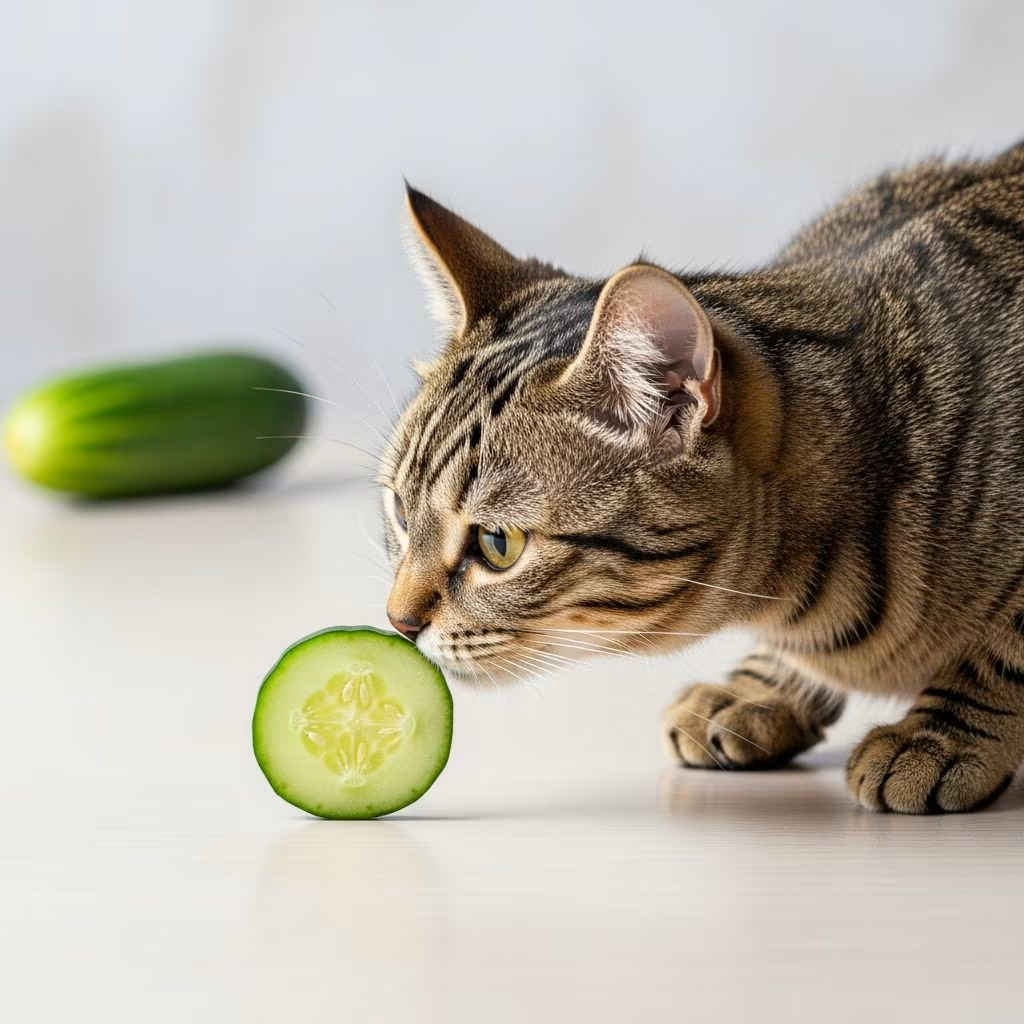
As a cat owner, you may have wondered whether it’s safe to share your fresh vegetables with your feline companion. Cucumbers are a common kitchen staple that many pet owners consider offering to their cats. Understanding whether this crunchy vegetable is appropriate for your cat requires knowledge of feline nutritional needs and potential risks associated with plant-based foods.
Understanding Your Cat’s Dietary Requirements
Cats are obligate carnivores, meaning their bodies are specifically adapted to derive nutrition primarily from animal-based sources. Unlike humans or omnivorous pets, cats cannot synthesize certain essential nutrients from plant materials and rely on meat to obtain vital amino acids such as taurine and arginine. When considering any vegetable for your cat’s diet, it’s crucial to remember that such foods should never replace the protein-rich meals that form the foundation of feline nutrition.
The nutritional architecture of a cat’s digestive system is fundamentally different from that of humans. Cats have shorter digestive tracts and lack certain enzymes that enable other species to efficiently break down and absorb nutrients from plant matter. This biological reality means that while some vegetables may not be harmful, they provide minimal nutritional benefit to cats and should be treated as occasional supplements rather than dietary staples.
The Safety Profile of Cucumbers for Feline Consumption
Cucumbers are not toxic to cats and can be safely offered in controlled quantities. The vegetable itself contains no compounds that are harmful to feline health, making it one of the safer vegetable options for curious cats. This safety profile extends to all parts of the plant commonly encountered in households, including the leaves and stems, which are not poisonous to cats.
The absence of toxicity does not automatically make cucumbers an ideal food choice for cats. Pet owners must distinguish between foods that are non-toxic and foods that provide meaningful nutritional value or health benefits to their specific pets. With cucumbers, the primary consideration is moderation and appropriate preparation methods rather than concern about poisoning.
Hydration and Its Role in Feline Health
One of the most compelling reasons to occasionally offer cucumber to your cat relates to its exceptional water content. Cucumbers are approximately 95 percent water by weight, making them an excellent natural source of hydration. This characteristic becomes particularly relevant when considering the hydration challenges many domesticated cats face.
Cats are naturally inclined to obtain most of their water intake through food rather than drinking from bowls or water fountains. Cats that consume exclusively dry kibble-based diets often experience insufficient water intake, leading to dehydration. This inadequate hydration can precipitate serious health complications, including kidney disease and urinary tract infections, which are among the most common health issues affecting cats.
For cats with specific medical conditions requiring elevated water consumption, such as kidney disease or urinary system disorders, small quantities of cucumber can serve as a practical supplementary hydration source. On warm days or for cats showing reluctance to drink water independently, offering chilled cucumber slices provides a refreshing and hydrating treat that may encourage increased fluid intake.
Nutritional Content and Vitamin Profile
Beyond hydration, cucumbers provide several micronutrients that contribute to overall wellness. Cucumbers contain vitamin K, vitamin C, and various B vitamins, along with beneficial antioxidants and the mineral molybdenum, which supports metabolic function. The skin of the cucumber concentrates many of these beneficial compounds, appearing just beneath the outer layer.
However, the nutritional contribution of cucumbers to feline diets should not be overstated. Cats synthesize vitamin C independently and do not require dietary sources of this nutrient. The beta-carotene present in cucumbers cannot be converted to vitamin A in feline bodies as it can in humans and some other animals. While potassium is present in cucumbers, excessive consumption could theoretically affect kidney function in cats sensitive to mineral levels.
The fiber content of cucumbers, particularly concentrated in the skin, offers potential benefits for digestive health. Fiber can assist in addressing both constipation and diarrhea in cats, though commercial feline foods typically contain adequate fiber amounts. The key to leveraging fiber benefits without causing digestive distress lies in providing only small quantities of cucumber.
Portion Guidelines and Serving Recommendations
When introducing cucumber to your cat, adherence to strict portion control is essential for preventing adverse effects. The recommended approach involves offering only one or two small pieces of cucumber as an occasional treat, rather than incorporating it regularly into meal schedules.
The optimal preparation method involves peeling the cucumber before serving to your cat. While the skin contains concentrated nutrients, it also harbors potential pesticide residues and presents a texture that may be difficult for cats to digest properly. Starting with minimal quantities allows you to observe your individual cat’s response and tolerance before offering larger portions.
Frequency considerations:
- Occasional treats only—no more than a few times weekly
- Never as a meal replacement or primary food source
- Individual tolerance varies; monitor your specific cat’s response
- Suitable only for healthy cats without underlying digestive conditions
Potential Risks and Digestive Considerations
While cucumbers are not inherently dangerous, the high water content that makes them beneficial for hydration can create digestive challenges when consumed in excessive quantities. The fiber in cucumber skin, combined with the water volume, may cause digestive upset manifested as loose stools or diarrhea, particularly in cats with sensitive digestive systems.
Cats’ digestive systems have not evolved to process substantial amounts of plant material efficiently. The combination of high water content and fiber can overwhelm a cat’s digestive capacity, particularly if the cat consumes multiple cucumber pieces in a short timeframe or if the cat’s digestive system is already compromised by illness or sensitivity.
Additional preparation precautions:
- Always wash cucumbers thoroughly before offering to remove surface contaminants
- Remove the peel to minimize pesticide exposure and reduce fiber density
- Avoid any seasoning, flavoring, or additives on the cucumber
- Never offer pickled cucumbers, which contain excessive salt and vinegar
Allergic Reactions and Individual Sensitivities
Although rare, cats can develop allergies to any food substance, including cucumbers. Pet owners should monitor their cats closely after introducing cucumber for the first time, watching for signs of allergic response such as itching, skin swelling, facial swelling, or breathing difficulties.
If any concerning symptoms emerge following cucumber consumption, discontinue offering the food immediately and consult with a veterinarian. Most cats tolerate small amounts of cucumber without incident, but individual sensitivity varies based on each cat’s unique immune system and digestive health.
Comparison Table: Plant-Based Treat Options for Cats
| Vegetable | Water Content | Primary Benefit | Safety Rating | Recommended Frequency |
|---|---|---|---|---|
| Cucumber | 95% | Hydration | Safe in moderation | Occasional |
| Carrot | 88% | Dental health | Safe in moderation | Occasional |
| Pumpkin | 90% | Digestive support | Safe | Regular (as needed) |
| Watermelon | 92% | Hydration | Safe in moderation | Occasional |
Frequently Asked Questions
Are cucumber plants and leaves safe for cats?
Yes, cucumber plants, including stems and leaves, are not toxic to cats. If your cat has access to a home garden or plants near a windowsill, accidental ingestion of cucumber plant material poses no poisoning risk. However, cats should still not have unlimited access, as excessive plant consumption might cause minor digestive upset.
Can cats eat cucumber with the skin on?
While cats can technically consume cucumber skin without harm, the skin contains higher fiber concentrations and potential pesticide residues. For safety and to minimize digestive risk, peeling the cucumber before offering it to your cat is the recommended practice. This simple preparation step removes the waxy coating and reduces fiber density.
What about cucumber seeds?
Cucumber seeds pose no toxicity concern for cats and are safe to consume. However, when preparing cucumber for your cat, removing seeds is not necessary, though some owners prefer to offer only the flesh portion for easier consumption.
Can kittens eat cucumber?
Kittens can technically tolerate small amounts of cucumber, but their digestive systems are still developing. It’s generally advisable to introduce vegetables only to adult cats and to prioritize kitten nutrition with high-quality feline food formulated specifically for growing cats.
What about cucumber water or juice?
Offering water infused with cucumber is generally safe for cats, though the benefit is minimal compared to plain water. Pure cucumber juice should be avoided due to concentrated sugar and fiber content in small volumes.
How should I introduce cucumber to my cat?
Begin by offering a single small piece of peeled, plain cucumber. Observe your cat for 24 hours following this initial introduction, watching for any signs of digestive upset or allergic response. If your cat tolerates the small portion well, you may gradually increase the quantity on future occasional occasions.
Best Practices for Vegetable Introduction
If you decide to offer cucumber to your cat, implementing proper introduction protocols minimizes the risk of adverse reactions. Start with the smallest possible portion—typically one small cube of peeled cucumber—and monitor your cat’s response before offering more.
Introduce new foods when your cat is healthy and not experiencing any digestive issues. Avoid offering vegetables if your cat is currently experiencing diarrhea, constipation, or other gastrointestinal symptoms, as this may complicate identifying the cause of any problems.
Always prioritize your cat’s primary nutrition through high-quality commercial cat food formulated to meet feline nutritional requirements. Vegetables like cucumber should constitute less than 10 percent of your cat’s total caloric intake, with the remainder coming from appropriate protein-based foods.
When to Consult Your Veterinarian
Contact your veterinarian if your cat experiences persistent digestive issues after consuming cucumber, shows signs of allergic reaction, or if you have questions about your specific cat’s dietary needs. Cats with pre-existing digestive conditions, kidney disease, or other health concerns may benefit from veterinary guidance before introducing any new foods.
Your veterinarian can provide personalized recommendations based on your cat’s individual health status, age, and nutritional requirements, ensuring that any treats align with their comprehensive health management plan.
Conclusion: Making Informed Feeding Decisions
Cucumbers represent a safe, non-toxic vegetable option that can be occasionally offered to healthy adult cats in strictly limited quantities. The primary advantage lies in their exceptional hydration properties, which may benefit cats who struggle with adequate water intake. However, cucumbers should never replace the meat-based nutrition that forms the foundation of appropriate feline diets.
By understanding your cat’s carnivorous nutritional requirements and implementing proper preparation and portion control methods, you can safely share this refreshing vegetable with your feline companion as an occasional treat. Always prioritize commercial feline nutrition formulated to meet your cat’s specific needs, and consult your veterinarian when introducing new foods or if your cat experiences any adverse reactions.
References
- Chewy Education: Can Cats Eat Cucumbers? — Chewy Inc. https://www.chewy.com/education/cat/food-and-nutrition/can-cats-eat-cucumbers
- Can Cats Eat Cucumbers? — Cats.com. https://cats.com/can-cats-eat-cucumbers
- Can Cats Eat Cucumber? A Guide to Safety — Purina US. https://www.purina.com/articles/cat/feeding/can-cats-eat/cucumber
- Health Benefits of Cucumbers for Cats — Wag! Walking. https://wagwalking.com/wellness/can-cats-eat-cucumbers
- Healthy Cucumber Tuna Salad for Cats — Sweden Care USA. https://us.swedencare.com/blog/healthy-cucumber-tuna-salad-for-cats/



