

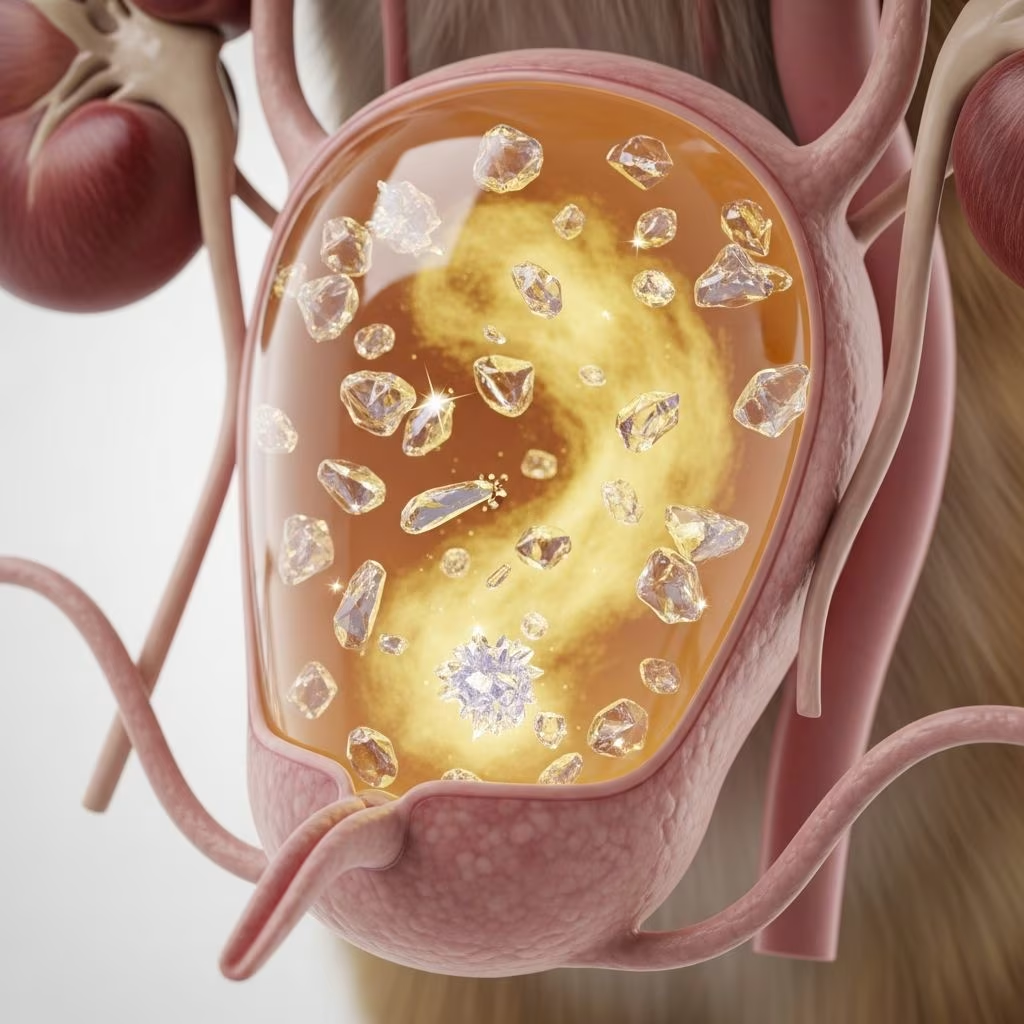
Understanding Crystalluria in Cats
Crystalluria refers to the presence of crystals in a cat’s urine, a condition that affects many feline companions and requires careful monitoring and management. While microscopic crystals in cat urine are sometimes considered normal, certain types and concentrations of crystals can lead to significant health complications if left untreated. Understanding this condition is essential for cat owners who want to maintain their pet’s urinary health and prevent potentially life-threatening complications.
What Are Urinary Crystals?
Urinary crystals are mineral formations that develop in the bladder or urethra when minerals in the urine become supersaturated and precipitate out of solution. These crystalline structures can range from microscopic particles visible only under a microscope to larger stones that may cause physical obstruction. The presence of crystals can irritate the bladder lining and urethra, leading to inflammation and various clinical symptoms that indicate your cat requires veterinary attention.
Types of Urinary Crystals in Cats
Several types of crystals can develop in feline urine, with the most common being struvite and calcium oxalate crystals. Each type has distinct characteristics and treatment requirements:
Struvite Crystals
Struvite crystals, also known as magnesium ammonium phosphate crystals, are the most frequently encountered type in cats. These crystals often develop in alkaline urine environments and are frequently associated with urinary tract infections. Struvite crystals are particularly significant because they can often be dissolved through dietary intervention without requiring surgical removal.
Calcium Oxalate Crystals
Calcium oxalate crystals form in acidic urine and are becoming increasingly common in cats. Unlike struvite crystals, calcium oxalate crystals cannot be dissolved through dietary management alone and typically require surgical removal if they form larger stones that cause obstruction or clinical symptoms.
Causes of Crystalluria in Cats
Crystalluria develops through various pathways, and understanding these causes helps in both prevention and management of the condition. Multiple factors can contribute to crystal formation in feline urine:
Diet and Mineral Composition
Dietary factors play a significant role in crystal formation. Foods high in magnesium, phosphorus, and other minerals can increase the mineral concentration in urine, creating an environment favorable for crystal precipitation. Additionally, diets that produce inappropriate urine pH levels can predispose cats to specific crystal types. Dehydration resulting from inadequate water intake concentrates urine minerals, significantly increasing crystalluria risk.
Urinary Tract Infections
Bacterial urinary tract infections can alter the urinary environment in ways that promote crystal formation. Certain bacteria produce urease, an enzyme that changes urine acidity and facilitates struvite crystal accumulation and stone formation. This is why infection management is an important component of crystalluria treatment.
Genetic and Breed Predisposition
Specific cat breeds demonstrate higher predisposition to urinary crystal development. Persian and Siamese cats are particularly susceptible, suggesting a genetic component to crystal formation. Genetic factors may influence urine pH regulation, mineral metabolism, or other physiological processes that affect crystalluria risk.
Underlying Medical Conditions
Various metabolic and kidney diseases can increase crystalluria risk. Cats with difficulty metabolizing uric acid, for example, may be prone to stone formation. Additionally, conditions affecting kidney function or electrolyte balance can influence urine composition and crystal development. Some crystals, such as uric acid crystals, are never considered normal in healthy cats and typically indicate underlying liver disease.
Clinical Signs and Symptoms
Cat owners should recognize the clinical manifestations of crystalluria, which may include behavioral and urinary changes. Early recognition of these signs enables prompt veterinary intervention:
Common Symptoms
Affected cats frequently display the following clinical signs:
- Frequent urination with only small amounts of urine passed
- Straining to urinate or interrupted urinary flow
- Blood in the urine, appearing as pink or red-tinged urine
- Excessive licking of the genital area due to discomfort and pain
- Urinating outside the litter box, particularly in unusual locations
- Vocalizing or crying when attempting to urinate
Severe Complications
In severe cases, cats may develop complete urinary obstruction, a medical emergency where the cat cannot urinate at all. This life-threatening condition requires immediate veterinary intervention, as it can lead to kidney failure and death within hours if not promptly treated. Male cats are more susceptible to obstruction due to their narrow urethra, though females can also develop this complication.
Diagnostic Procedures
Accurate diagnosis of crystalluria requires specific veterinary diagnostic protocols beyond simple visual observation of symptoms. A comprehensive diagnostic approach ensures proper identification and guides effective treatment planning:
Urinalysis
Veterinary urinalysis is the primary diagnostic tool for confirming crystalluria. This specialized laboratory test examines urine composition in detail and clearly identifies the presence of crystals. The urinalysis determines the specific crystal type, whether struvite or calcium oxalate, and measures important factors such as urine pH and concentration.
Imaging Studies
Radiographic examination using X-rays helps visualize larger stones or deposits in the urinary tract. Ultrasound may provide additional information about the bladder, urethra, and kidneys. These imaging studies are particularly valuable for assessing whether stones are present and their location and size.
Culture and Sensitivity Testing
If urinary tract infection is suspected or identified, culture testing determines which bacteria are present. Sensitivity testing identifies which antibiotics will effectively treat the infection, ensuring appropriate antimicrobial selection.
Treatment Options for Crystalluria
Treatment approaches vary based on crystal type, symptom severity, presence of obstruction, and underlying causes. A comprehensive treatment strategy often employs multiple modalities:
Dietary Management
Prescription therapeutic diets form the cornerstone of crystalluria management. These specially formulated diets adjust urine pH and mineral composition to either dissolve existing crystals (particularly struvite) or prevent new crystal formation. Prescription struvite‐dissolving diets can resolve crystals within one to two months through careful urine chemistry modification.
Dietary recommendations typically include:
- High‐quality, complete and balanced formulations appropriate for the cat’s life stage
- Foods with optimal magnesium levels and mineral composition
- Diets formulated to produce appropriate urine pH for the specific crystal type
- High‐moisture content foods to increase water intake and dilute urine
Fluid Therapy and Hydration
Increasing water intake represents a critical component of crystalluria management. Dilute urine contains lower mineral concentrations, reducing crystal formation risk. Strategies to enhance hydration include providing multiple water sources throughout the home, using cat water fountains to encourage drinking, and incorporating wet or canned foods that contain substantially more moisture than dry kibble.
Surgical Intervention
Calcium oxalate crystals that form larger stones typically require surgical removal, as they cannot be dissolved through dietary management. Surgical procedures may also be necessary when crystals cause complete urinary obstruction. Emergency catheterization procedures may be needed to relieve acute obstructions and allow the urethra to heal.
Antibiotic Therapy
When urinary tract infection is present, appropriate antibiotics selected based on culture and sensitivity results help eliminate infection and restore normal urine chemistry. Treatment of underlying infection is essential for preventing recurrent struvite crystal formation.
Supportive Care and Stress Reduction
Reducing environmental stressors helps normalize urinary function and reduce recurrence risk. Providing multiple litter boxes, maintaining consistent routines, and using pheromone products can help reduce stress‐related urinary symptoms. Supportive care addresses pain and inflammation while the urinary tract heals.
Long-Term Management and Prevention
Preventing recurrent crystalluria requires a sustained, comprehensive approach rather than short‐term intervention. Long‐term prevention strategies include:
Ongoing Dietary Management
Many cats with crystalluria history require permanent prescription diet management to prevent recurrence. Strict adherence to prescribed diets without treats or supplemental foods is essential, as even small dietary deviations can alter urine chemistry sufficiently to trigger crystal reformation.
Regular Veterinary Monitoring
Periodic urinalysis and imaging studies help monitor urine composition and detect early signs of recurrence. Regular veterinary check‐ups enable prompt intervention if complications develop and allow adjustment of treatment protocols as needed.
Monitoring Litter Box Habits
Owners should maintain vigilance regarding changes in urinary frequency, litter box behavior, or urine appearance. Early recognition of returning symptoms enables prompt veterinary assessment and intervention before serious complications develop.
When Professional Treatment Is Necessary
Not all cats with detectable urinary crystals require veterinary treatment, as microscopic crystals are sometimes found in healthy cats. However, professional veterinary care is essential when:
- Clinical symptoms are present, such as straining or frequent urination
- Blood appears in the urine
- The cat is unable to urinate completely
- Imaging reveals stones or obstruction
- The cat shows signs of pain or discomfort during urination
- Prevention of life-threatening obstruction is necessary
Gender Differences in Crystalluria
While female cats actually contract urinary tract crystals more frequently than males, the clinical significance differs between sexes. Male cats face substantially greater risk of life‐threatening obstruction due to their anatomically narrower urethra, which crystals can more easily block. This anatomical difference makes prompt recognition and treatment of male cat crystalluria especially critical.
Frequently Asked Questions About Crystalluria
Q: Are urinary crystals hereditary in cats?
A: Certain breeds and genetic lines show increased predisposition to crystalluria. Genetic factors influence urine pH regulation and mineral metabolism, making some cats more susceptible. If your cat has crystalluria, genetic considerations may apply to any offspring.
Q: Can I treat my cat’s crystals at home?
A: While supportive measures like increasing water intake and providing a balanced diet help prevent crystalluria, definitive diagnosis and treatment require veterinary evaluation. Prescription dietary management should only be implemented under veterinary guidance after proper diagnosis confirms crystal type.
Q: How long does it take to dissolve struvite crystals?
A: With appropriate prescription diet and strict adherence, struvite crystals typically dissolve within one to two months. Your veterinarian will monitor progress with periodic X-rays during this treatment period.
Q: Will my cat need lifelong treatment?
A: Many cats with crystalluria history require permanent prescription diet management to prevent recurrence. Your veterinarian will determine the appropriate long‐term management strategy based on your cat’s specific situation and response to treatment.
Q: Can wet food prevent urinary crystals?
A: Wet food’s high moisture content helps increase hydration and dilute urine, reducing crystal formation risk. However, wet food alone may not prevent crystals if other contributing factors are present. A comprehensive approach combining appropriate diet, hydration, and medical management is most effective.
References
- Cat Urinary Tract Infection Crystals: Causes, Diagnosis & Management — VetandTech. 2024. https://www.vetandtech.com/blogs/cat-urinary-tract-infection-crystals-veterinary-management
- What You Need to Know About Urinary Crystals in Cats — Vetster Wellness. 2024. https://vetster.com/en/wellness/what-you-need-to-know-about-urinary-crystals-in-cats
- Urine Crystals and Bladder Stones in Cats — PetMD. 2024. https://www.petmd.com/cat/conditions/urinary/urine-crystals-and-bladder-stones-in-cats
- Crystals in Cat Urine: Signs, Causes, & Treatment — Litter-Robot Blog. 2024. https://www.litter-robot.com/blog/crystals-in-cat-urine/
- Guide to Crystals in Cat Urine: Causes & Treatments — RAWZ Natural Pet Food. 2024. https://rawznaturalpetfood.com/cat-urine-crystals-struvite/



