

What is Crystalluria in Cats?
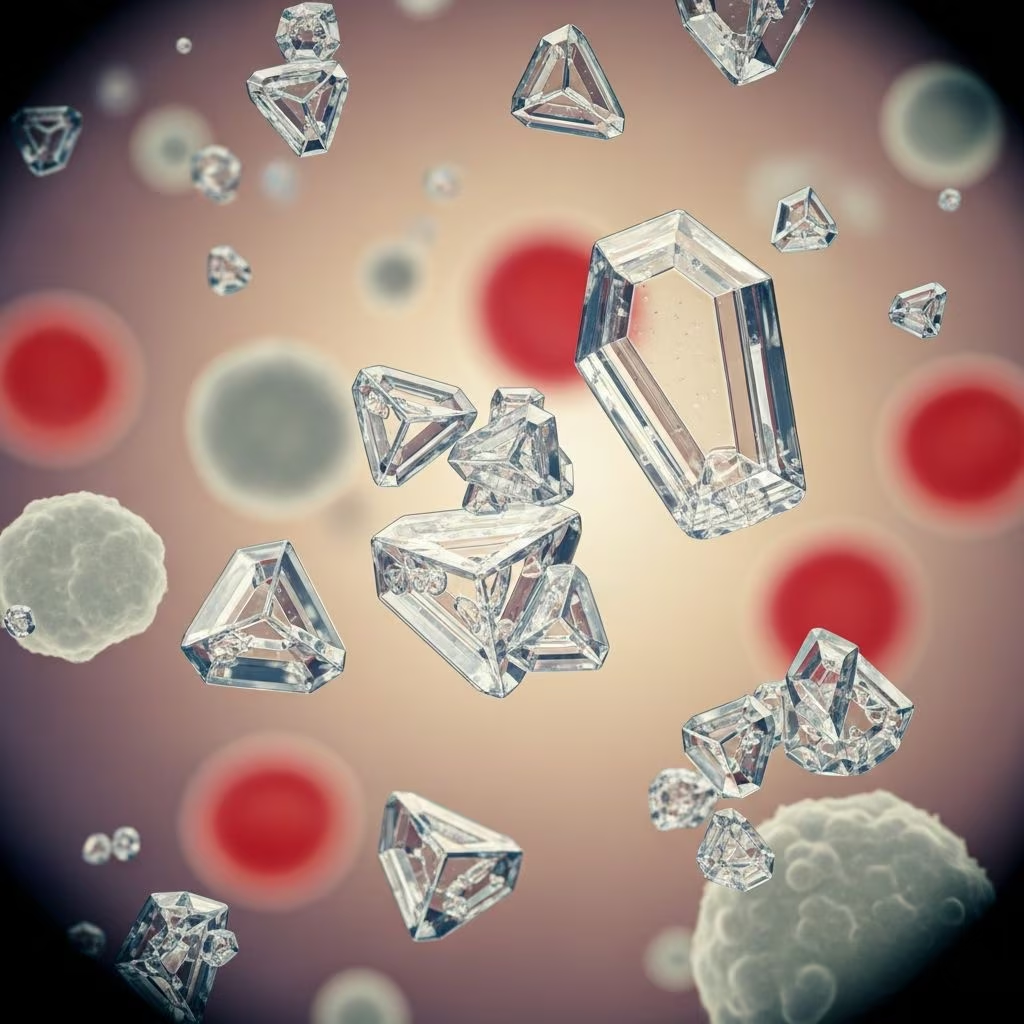
Crystalluria refers to the presence of crystals in a cat’s urine, a condition that can range from asymptomatic to severely problematic. These microscopic mineral formations develop when certain substances in the urine become supersaturated, leading to crystal precipitation. While some cats may have crystals present without experiencing any clinical signs, others can develop serious complications including urinary tract infections, bladder stones, and potentially life-threatening urinary obstructions. Understanding this condition is essential for cat owners who want to maintain their pet’s urinary health and prevent complications.
Types of Urinary Crystals in Cats
Several different types of crystals can form in feline urine, with each type having distinct characteristics and treatment implications.
Struvite Crystals
Struvite crystals are among the most common types found in cats. These crystals form when magnesium ammonium phosphate combines in specific urine conditions. Struvite crystals are often associated with urinary tract infections and alkaline urine pH levels. The good news is that struvite crystals often respond well to dietary management and can sometimes be dissolved through appropriate therapeutic intervention.
Calcium Oxalate Crystals
Calcium oxalate crystals represent another prevalent form of crystalluria in cats. Unlike struvite crystals, calcium oxalate crystals are associated with acidic urine and typically form when cats have elevated levels of calcium and oxalate in their urine. These crystals are more challenging to manage and often require surgical removal rather than dissolution through dietary changes.
Other Crystal Types
Less common crystal types include uric acid crystals, ammonium urate crystals, and xanthine crystals. Xanthine crystalluria is particularly rare and typically results from a hereditary defect causing a deficiency of the enzyme xanthine oxidase, leading to improper breakdown of xanthine in the urine. These uncommon variants may require specialized diagnostic approaches and individualized treatment plans developed in consultation with your veterinarian.
Causes and Risk Factors
Multiple factors contribute to the development of crystalluria in cats, and understanding these risk elements can help with prevention strategies.
Diet and Mineral Content
Diet plays a significant role in crystal formation. Foods containing high levels of magnesium, calcium, and phosphorus can increase the risk of crystalluria development. Additionally, excessive ash content in lower-quality cat foods may contribute to mineral oversaturation in the urine. The moisture content of food also matters significantly; cats consuming primarily dry kibble may not drink enough water to maintain proper urine dilution, increasing crystal formation risk.
Dehydration and Water Intake
Inadequate water consumption leads to concentrated urine, which increases the likelihood of crystal precipitation. Cats that don’t drink sufficient water are at higher risk for crystalluria, making hydration status a critical preventive factor. This is why veterinarians often recommend incorporating wet food into a cat’s diet and providing multiple water sources throughout the home.
Urinary Tract Infections
Bacterial urinary tract infections can significantly alter the urinary environment. Bacteria produce urease, a chemical that changes urine acidity and creates conditions favorable for crystal formation, particularly struvite crystals. Addressing infections promptly is important for preventing secondary crystalluria.
Genetic and Breed Predisposition
Certain cat breeds demonstrate higher susceptibility to crystalluria. Persian, Siamese, Burmese, and Himalayan cats are particularly prone to developing urinary crystals. Additionally, genetic variations affecting metabolism of certain compounds can predispose individual cats to specific crystal types.
Urine pH Imbalance
The acidity or alkalinity of urine significantly influences crystal formation. Both overly acidic and excessively alkaline urine can promote crystalluria, with different crystal types favoring different pH ranges. Maintaining optimal urine pH through diet is crucial for prevention.
Underlying Medical Conditions
Metabolic disorders, kidney diseases, and hormonal imbalances can predispose cats to crystal formation. Some cats have difficulty properly metabolizing certain compounds, leading to their accumulation in urine and subsequent stone formation.
Recognizing Symptoms
Early recognition of crystalluria symptoms enables prompt veterinary intervention and better outcomes. Cat owners should monitor for the following clinical signs:
- Frequent urination with only small amounts of urine passed
- Straining during urination or difficulty urinating
- Blood in the urine or bloody appearance of urine
- Urinating outside the litter box (inappropriate urination)
- Vocalization or crying while in or near the litter box
- Excessive grooming of the urogenital area
- Increased water consumption and thirst
- Lethargy or behavioral changes
- Complete inability to urinate (medical emergency)
It’s important to note that some cats with crystals present in their urine may show no clinical symptoms at all. However, when symptoms do develop, they typically relate to inflammation, infection, or obstruction of the urinary tract. Female cats contract urinary tract crystals more frequently than male cats, though urinary obstruction represents a more serious concern in males due to their narrower urethras.
Diagnostic Procedures
Accurate diagnosis requires comprehensive veterinary evaluation rather than relying solely on symptoms.
Urinalysis
A veterinary urinalysis is the primary diagnostic tool for identifying crystalluria. This specialized test goes beyond basic urine examination and provides detailed information about urine composition, crystal type present, pH level, and concentration of various substances. The urinalysis can definitively identify whether struvite crystals, calcium oxalate crystals, or other crystal types are present.
Imaging Studies
Radiographs (X-rays) may be performed to identify stones that have formed from accumulated crystals. Ultrasound imaging can also visualize stones and assess bladder health. These imaging techniques help determine whether surgical intervention may be necessary.
Urine Culture
When infection is suspected, urine culture identifies specific bacterial organisms and guides appropriate antibiotic selection. This test is particularly important because bacterial urinary tract infections can both cause and complicate crystalluria.
Treatment Approaches
Treatment strategy depends on crystal type, presence of symptoms, risk of obstruction, and underlying causes.
Dietary Management
Prescription therapeutic diets represent the first-line treatment for many crystalluria cases. These specially formulated foods are designed to adjust urine pH, reduce levels of crystallogenic minerals, and promote urinary health. For struvite crystals, prescription diets can actually dissolve existing crystals by modifying mineral composition and urine acidity. For calcium oxalate crystals, diet focuses on reducing calcium and oxalate saturation levels.
Increased Hydration
Promoting increased water intake is fundamental to crystalluria management and prevention. Strategies include offering wet or canned food, placing multiple water bowls throughout the home, installing water fountains to encourage drinking, and ensuring constant access to fresh water. Wet food contains approximately seven times more moisture than dry kibble, making it particularly beneficial for hydration.
Medication and Supportive Therapy
Antibiotics may be prescribed if bacterial infection is present. Pain management medications can address discomfort associated with crystalluria. Fluid therapy, either administered intravenously or subcutaneously, helps dilute urine and flush out crystals.
Bladder Flushing
Urinary catheterization with bladder flushing can be performed to mechanically remove crystals and flush the urinary tract. This procedure provides relief and reduces symptoms in many cases.
Surgical Intervention
When stones have formed and cannot be dissolved through medical management, surgical removal may be necessary. Minimally invasive procedures such as lithotripsy can break down stones into smaller fragments that can be expelled naturally. In cases of complete urinary obstruction, emergency surgery may be required to restore normal urine flow.
Stress Reduction
Environmental stress can contribute to crystalluria development and recurrence. Strategies to reduce stress include providing adequate litter boxes (one per cat plus one extra), maintaining consistent routines, providing hiding places, and using feline pheromone products.
| Crystal Type | Preferred Urine pH | Primary Treatment | Prognosis |
|---|---|---|---|
| Struvite | Acidic (6.0-6.5) | Prescription diet, antibiotics if infected | Good; crystals often dissolve |
| Calcium Oxalate | Neutral to slightly alkaline | Prescription diet, surgical removal if needed | Moderate; prevention focus |
| Other Types | Varies by type | Individualized approach | Variable |
Prevention Strategies
Preventing crystalluria recurrence requires long-term management commitment and lifestyle modifications.
- Feed a complete and balanced prescription or therapeutic diet specifically formulated for urinary health
- Ensure adequate hydration by providing multiple water sources and incorporating wet food
- Maintain optimal urine pH through appropriate diet selection
- Promote regular urination by providing adequate, clean litter boxes
- Minimize stress through environmental enrichment and consistent routines
- Schedule regular veterinary check-ups and urinalysis screening
- Address urinary tract infections promptly with appropriate antibiotic therapy
- Monitor for recurrence of clinical signs
When Asymptomatic Crystals Don’t Require Treatment
Not all crystals warrant aggressive treatment. When crystals are discovered incidentally on urinalysis without accompanying symptoms or other evidence of urinary tract disease, treatment may be limited to dietary modification and environmental adjustments like increasing water access. However, regular monitoring is important to ensure the condition doesn’t progress. Your veterinarian can help determine whether your cat’s specific situation requires active intervention or conservative management.
Urinary Obstruction: A Medical Emergency
Complete urinary obstruction represents a life-threatening emergency requiring immediate veterinary intervention. A cat experiencing complete inability to urinate, often accompanied by vocalization, lethargy, and abdominal pain, needs emergency treatment within hours to prevent kidney damage or death. Emergency treatment typically includes urinary catheterization, fluid therapy, and hospitalization to allow the urethra to heal and normal urine flow to resume.
Frequently Asked Questions
Q: Can crystalluria be cured permanently?
A: While crystalluria cannot always be permanently cured, it can be effectively managed long-term through appropriate diet, hydration, and preventive care. Some cats may experience recurrence and require ongoing management throughout their lives.
Q: How often should my cat be screened for crystalluria?
A: Cats with a history of crystalluria should have periodic urinalysis performed as recommended by your veterinarian, typically annually or more frequently if symptoms recur.
Q: Is crystalluria painful for cats?
A: Yes, crystalluria can cause significant pain and discomfort, particularly when inflammation or infection develops. Cats may show signs of pain through inappropriate urination, straining, and excessive grooming of the genital area.
Q: Can I prevent crystalluria through diet alone?
A: While diet is crucial for prevention, a comprehensive approach including adequate hydration, stress management, regular litter box maintenance, and veterinary monitoring provides the best prevention strategy.
Q: What is the difference between crystalluria and urolithiasis?
A: Crystalluria refers to crystals present in urine, while urolithiasis involves the formation of stones (larger mineral deposits) in the urinary tract. Crystalluria can progress to urolithiasis if not properly managed.
Q: Are male cats more susceptible to complications from crystalluria?
A: While female cats develop crystalluria more frequently, male cats are at higher risk for dangerous urinary obstruction due to their narrower urethras, making complications more severe when they occur.
References
- Crystals in Cat Urine: Signs, Causes, & Treatment — Litter Robot. 2024. https://www.litter-robot.com/blog/crystals-in-cat-urine/
- Cat Urinary Tract Infection Crystals: Causes, Diagnosis & Management — Vet and Tech. 2024. https://www.vetandtech.com/blogs/cat-urinary-tract-infection-crystals-veterinary-management
- What you need to know about urinary crystals in cats — Vetster. 2024. https://vetster.com/en/wellness/what-you-need-to-know-about-urinary-crystals-in-cats
- Guide to Crystals in Cat Urine [Causes & Treatments] — RAWZ Natural Pet Food. 2024. https://rawznaturalpetfood.com/cat-urine-crystals-struvite/
- Urine Crystals and Bladder Stones in Cats — PetMD. 2024. https://www.petmd.com/cat/conditions/urinary/urine-crystals-and-bladder-stones-in-cats
- Crystals in the Urine in Cats – Symptoms, Causes, Diagnosis — Wag Walking. 2024. https://wagwalking.com/cat/condition/crystals-urine



