

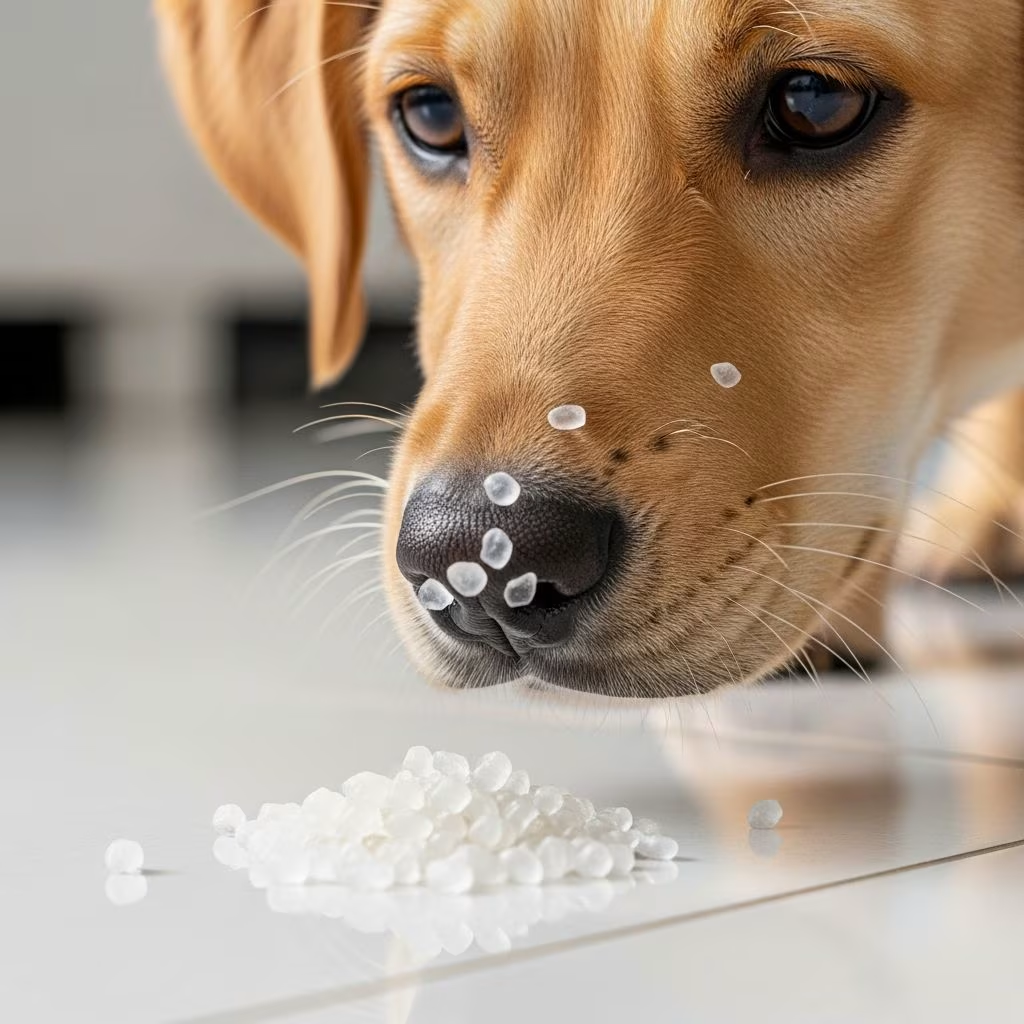
Dogs possess natural curiosity that often leads them into situations their owners didn’t anticipate. When households contain both felines and canines, the cat’s litter box becomes an unexpected attraction for inquisitive pups. While crystal cat litter—composed of silica gel and sodium silicate sand—is manufactured to be non-toxic to pets, the act of a dog consuming it raises legitimate health concerns that extend far beyond simple toxicity considerations.
The Composition and Intended Safety Profile of Crystal Litter
Crystal cat litter represents a popular choice among cat owners due to its superior moisture absorption capabilities. The material can absorb moisture up to 40 times its own weight, making it highly efficient for managing waste odors and moisture in litter boxes. From a manufacturing perspective, these crystals are specifically engineered using amorphous silica gel—a form that poses minimal direct toxicity threats to both humans and animals when ingested in typical quantities.
The non-toxic designation applies because the silica gel compound doesn’t actively poison the digestive system through chemical means. However, this safety classification creates a false sense of security among some pet owners who may believe their dogs face no health risks whatsoever from consuming cat litter. This misconception overlooks the multifaceted ways that ingesting these crystals can compromise canine health and wellbeing.
Why Dogs Are Attracted to Litter Boxes
Understanding the motivations behind litter box consumption helps pet owners implement more effective prevention strategies. Dogs don’t simply eat cat litter out of boredom or misbehavior—several biological and environmental factors drive this behavior.
- Nutritional Attraction: Cat feces contain concentrated proteins and other nutrients that appeal to dogs seeking dietary supplementation. The scent and composition trigger instinctive foraging behaviors inherited from their wild ancestors.
- Odor Investigation: Dogs experience the world primarily through olfaction, making the litter box an intensely stimulating environment worthy of investigation and exploration.
- Territorial Marking: Some dogs consume cat litter as a means of asserting dominance or establishing territorial claims within shared living spaces.
- Learned Behavior: Once a dog discovers that litter boxes contain accessible materials, repeated access reinforces the behavior through positive reinforcement.
Distinguishing Between Toxicity and Physical Health Complications
The critical distinction between non-toxic and safe deserves clarification. Crystal cat litter’s non-toxic status refers specifically to its chemical composition—the silica gel itself won’t cause poisoning through systemic toxicity. However, this designation fails to account for the physical consequences resulting from the material’s properties and characteristics.
When silica gel crystals enter a dog’s gastrointestinal system, they begin interacting with digestive fluids and processes in ways that can create secondary health problems. The very moisture-absorbing capability that makes these crystals effective for litter becomes problematic within the dog’s body, potentially extracting fluids from the digestive tract and causing dehydration. Additionally, the material’s tendency to maintain structural integrity can create physical obstructions rather than dissolving safely.
Gastrointestinal Irritation and Inflammation
Both crystal and clumping litters possess inherent moisture-absorbing properties that irritate the delicate tissues lining a dog’s digestive tract. As these materials pass through the esophagus, stomach, and intestines, they draw moisture from the surrounding tissues. This dehydrating effect produces inflammation and irritation that manifests through various uncomfortable symptoms.
Dogs experiencing gastrointestinal irritation from litter ingestion may display behaviors including excessive drooling, loss of appetite, or reluctance to eat their normal meals. The inflammation can trigger nausea, leading to vomiting episodes that may contain particles of the ingested litter. Some dogs experience diarrhea as their digestive systems attempt to expel the irritating material quickly, while others develop constipation due to the moisture-absorbing effects.
Constipation and Absorption-Related Complications
When dogs consume significant quantities of crystal litter, constipation frequently emerges as a primary concern. The crystals’ extraordinary moisture-absorbing capacity means they continue extracting water from the digestive contents as they travel through the intestinal tract. This excessive water removal transforms normal stool into hard, compacted material that becomes difficult or impossible to eliminate.
Affected dogs may strain during bathroom visits, produce minimal output, or display signs of abdominal discomfort and pain. In severe cases, the accumulated material can create partial or complete blockages that prevent normal bowel function. Pet owners should never administer laxatives without veterinary guidance, as inappropriate medications could worsen the situation or mask underlying complications requiring professional intervention.
The Blockage Risk: A Serious Physical Threat
While crystal litter presents lower blockage risk compared to clumping varieties, the potential still exists—particularly when dogs consume large quantities. The crystals can accumulate within the digestive system, especially in smaller dogs with proportionally limited intestinal capacity. Unlike clumping litter, which deliberately expands and forms solid masses, crystal accumulation creates density problems rather than expansion issues.
Complete intestinal blockages represent emergencies requiring immediate surgical intervention. Symptoms of blockage include persistent vomiting, complete cessation of bowel movements, abdominal pain and distension, lethargy, and loss of appetite. Dogs exhibiting these signs require emergency veterinary care to prevent organ damage, bacterial translocation, and potentially fatal complications.
Parasitic and Bacterial Infections from Fecal Contamination
Beyond the physical properties of the litter itself, the fecal matter present in litter boxes creates significant infection risks. Cat feces can harbor numerous pathogens dangerous to canine health, and consuming litter effectively exposes dogs to these infectious agents.
Toxoplasma gondii represents a particularly concerning parasite found in cat feces. Dogs ingesting contaminated litter may contract toxoplasmosis, manifesting as flu-like symptoms including fever, lethargy, muscle pain, and respiratory issues. While most dogs have favorable prognoses due to their robust immune systems, immunocompromised dogs face greater risks of severe complications requiring hospitalization.
Additional bacterial threats include Salmonella, E. coli, and Campylobacter species—all capable of causing severe gastrointestinal illness. Dogs infected with these bacteria experience diarrhea (sometimes bloody), vomiting, fever, and systemic illness. Parasitic threats include roundworms, hookworms, and protozoal organisms like Giardia that establish infections capable of causing chronic digestive issues, weight loss, and anemia.
Immediate Actions When Dogs Consume Crystal Litter
Pet owners discovering or suspecting litter consumption should prioritize contacting their veterinarian rather than attempting home remedies or observation alone. Veterinary professionals can assess the situation, estimate consumption quantity, and recommend appropriate monitoring or treatment protocols.
- Document the Incident: Note the approximate time of consumption, estimated quantity ingested, and any visible symptoms already present in your dog.
- Contact Veterinary Services: Call your veterinarian immediately, providing detailed information about the ingestion event. If it occurs outside normal business hours, contact emergency veterinary clinics.
- Avoid Self-Treatment: Don’t administer laxatives, activated charcoal, or other home remedies without explicit veterinary authorization, as these may complicate the situation.
- Monitor Vital Symptoms: Observe your dog for vomiting, diarrhea, constipation, abdominal pain, lethargy, or appetite changes in the hours and days following ingestion.
- Ensure Hydration: Provide access to fresh water, as crystal litter consumption increases dehydration risks. Some veterinarians recommend increased water intake to help crystals pass through the digestive system.
Veterinary Examination and Diagnostic Procedures
Veterinary assessment typically begins with a thorough physical examination, including abdominal palpation to detect pain, masses, or abnormal findings. Veterinarians may recommend diagnostic imaging such as X-rays or ultrasound to visualize the gastrointestinal tract and identify potential blockages or accumulations.
Blood work can provide valuable information about organ function, electrolyte balance, and evidence of infection or systemic illness. Some cases require additional diagnostics to rule out complications or infections acquired through fecal contamination.
Treatment Approaches Based on Consumption Severity
Treatment depends on the quantity consumed, symptom presence, and diagnostic findings. Minor ingestion with no symptoms may warrant monitoring with instructions to observe for emerging complications. Moderate consumption typically involves supportive care including increased water intake, dietary modification, and monitoring for symptom development.
Significant ingestion or confirmed blockages may necessitate more aggressive intervention. Enemas might help expel accumulated material, while severe blockages require surgical removal. Infections require appropriate antimicrobial therapy, while parasitic infections demand specific antiparasitic medications tailored to the identified organism.
Prevention Strategies for Multi-Pet Households
Preventing litter consumption proves far more effective than managing complications after ingestion occurs. Strategic environmental modifications significantly reduce a dog’s access to litter boxes and the temptation they represent.
| Prevention Strategy | Description | Effectiveness |
|---|---|---|
| Physical Separation | Relocate litter boxes to areas inaccessible to dogs, such as rooms dogs cannot enter or elevated locations out of reach | High |
| Gated Barriers | Install pet gates that allow cats passage while blocking larger dogs from box access | High |
| Covered Boxes | Use enclosed litter boxes with small entry ports sized for cats but not dogs | Moderate to High |
| Behavioral Training | Teach dogs to avoid litter boxes through consistent commands and positive reinforcement | Variable |
| Distraction Alternatives | Provide engaging toys and activities that redirect focus away from litter boxes | Moderate |
Frequently Asked Questions About Crystal Litter and Dogs
Q: If crystal litter is non-toxic, why is consumption still concerning?
A: Non-toxic refers to chemical composition, not physical safety. The litter’s moisture-absorbing properties, blockage potential, and fecal contamination create health risks unrelated to toxicity.
Q: How quickly do symptoms appear after litter consumption?
A: Symptoms can develop within hours or may take several days to emerge, depending on consumption quantity and individual dog factors. Immediate veterinary contact is preferable to home observation.
Q: Can small amounts of crystal litter harm my dog?
A: Small quantities rarely cause serious complications, but even minor consumption carries infection risks from fecal contamination. Veterinary consultation remains advisable.
Q: Should I induce vomiting if I catch my dog eating litter?
A: Don’t induce vomiting without veterinary guidance. Vomiting can cause additional damage and is only appropriate in specific circumstances veterinarians determine.
Q: Is crystal litter safer than clumping litter for dogs?
A: Crystal litter presents lower blockage risk than clumping varieties, but both pose health concerns. Neither is truly safe for dog consumption.
Long-Term Health Monitoring and Follow-Up Care
After litter ingestion incidents, dogs may require extended monitoring even if initial symptoms resolve. Some infections take days or weeks to fully develop, and certain complications emerge gradually. Pet owners should maintain awareness of behavioral changes, appetite alterations, or digestive issues persisting beyond the immediate incident.
Veterinarians may recommend follow-up examinations, repeat laboratory work, or imaging studies depending on the initial consumption severity and treatment provided. Chronic diarrhea, weight loss, or behavioral changes warrant veterinary reassessment to ensure complete resolution without lingering complications.
Creating a Safer Multi-Pet Environment
Beyond immediate litter box management, broader environmental modifications support safer cohabitation between dogs and cats. Establishing separate feeding areas, designated rest zones, and restricted access pathways reduces overall conflict and unwanted interactions. Installing baby gates, using pet doors calibrated for specific sizes, or designating cat-only rooms provides cats safe spaces while preventing dog access to sensitive areas like litter boxes.
Behavioral training strengthens the prevention strategy, teaching dogs appropriate boundaries and acceptable behaviors around feline spaces. Consistent reinforcement of commands like “leave it” or “no” helps dogs develop reliable impulse control around tempting litter boxes.
References
- Is Cat Litter Toxic to Dogs? Why and How to Do — Magnet Cat Litter. 2024. https://magnetcatlitter.com/is-cat-litter-toxic-to-dogs/
- My Dog Ate Cat Litter Crystals: Here Is What To Do — Dogster. 2024. https://www.dogster.com/dog-health-care/my-dog-ate-cat-litter-crystals
- Are Cat Litter Crystals Dangerous? – Dog Health Alert! — MichuPet. 2024. https://michupet.com/blogs/pet-care/are-cat-litter-toxic-for-dogs
- Is Cat Litter Toxic to Dogs? Here’s What to Do if Your Pup Takes a Bit — Skoon Cat Litter. 2024. https://skooncatlitter.com/blogs/cat-health-and-wellness/is-cat-litter-toxic-to-dogs
- My Dog Ate Silica Gel. Now What? — PetMD. 2024. https://www.petmd.com/dog/poisons/my-dog-ate-silica-gel-now-what



