

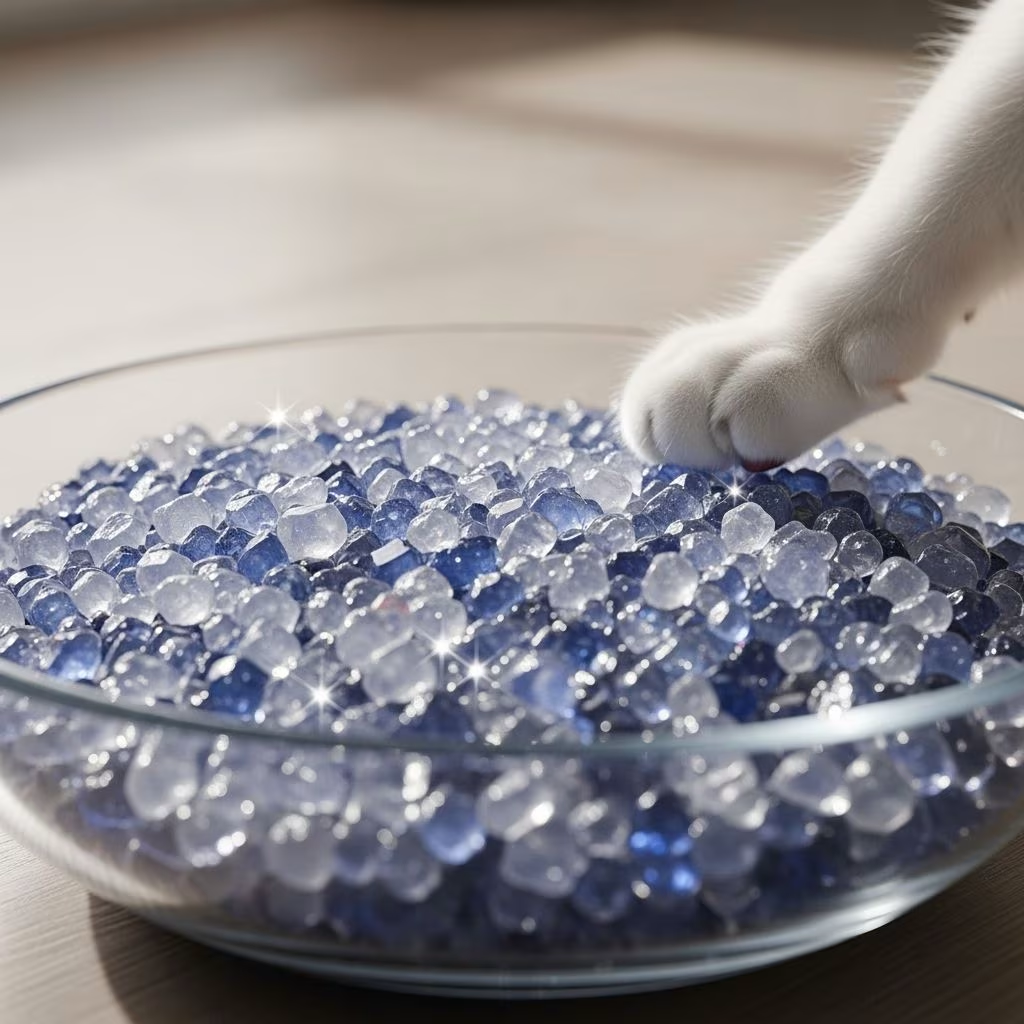
Crystal cat litter, crafted from silica gel crystals, provides cat owners with a modern alternative to traditional options. These porous beads excel at wicking away moisture and neutralizing smells, making them popular in homes seeking cleaner, low-maintenance solutions. However, potential downsides like higher pricing and tracking warrant careful consideration before switching.
What Makes Crystal Cat Litter Unique?
Silica-based crystal litter functions through its highly absorbent structure. Each crystal features microscopic pores that draw in liquids rapidly, holding up to 40% of their weight in moisture while trapping odor molecules like ammonia. Unlike clay litters that clump, crystals distribute absorption evenly across the tray, requiring less frequent full changes—often lasting 3-4 weeks for one cat with daily stirring and solid waste removal.
This design minimizes dust production, a common issue with clay products, improving air quality for allergy sufferers. The lightweight nature of the crystals also simplifies handling, especially for those managing multiple cats or limited mobility. Some varieties even change color when saturated, offering a visual cue for replacement timing.
Top Advantages of Using Crystal Cat Litter
Crystal litter stands out for several practical benefits that enhance daily pet care routines.
- Superior Odor Neutralization: By absorbing ammonia effectively, it reduces smells by up to 80% compared to clay, ideal for apartments or small spaces.
- Reduced Cleaning Frequency: Owners scoop solids daily but skip urine removal, extending tray life and saving time.
- Minimal Dust: Nearly dust-free pouring and scooping prevent respiratory irritation and keep floors cleaner.
- Lightweight Convenience: Easier to carry and pour than heavy clay bags, benefiting seniors or busy households.
- Compatibility with Automation: Works seamlessly with self-cleaning boxes, avoiding clogs from clumps.
Key Disadvantages to Consider
Despite its strengths, crystal litter has limitations that may deter some users.
- Urine Pooling Risk: Over-saturation can lead to liquid pooling if not stirred regularly, potentially causing odors.
- Higher Cost: Upfront prices exceed clay, though longevity may balance long-term expenses in single-cat homes.
- Tracking Issues: Small crystals scatter easily outside the box, requiring mats for containment.
- Non-Biodegradable: Silica doesn’t break down, raising environmental concerns compared to plant-based alternatives.
- Paw Discomfort: Harder texture may bother sensitive-pawed cats, leading to box avoidance.
Crystal vs. Other Litters: Side-by-Side Comparison
To evaluate suitability, compare crystal litter against popular alternatives using key metrics.
| Feature | Crystal (Silica) | Clumping Clay | Plant-Based (Tofu/Corn) |
|---|---|---|---|
| Odor Control | Excellent | Good | Medium-High |
| Dust Level | Very Low | High | Low |
| Maintenance | Low (Stir + Scoop Solids) | High (Daily Scoop) | Medium |
| Cost per Month (1 Cat) | Higher Initial, Balanced Long-Term | Lower | Medium |
| Environmental Impact | Non-Biodegradable | Non-Biodegradable | Biodegradable |
| Weight | Light | Heavy | Light |
This table highlights crystal’s edge in odor and dust control but lags in eco-friendliness.
Safety and Health Considerations for Cats
Crystal litter uses amorphous silica gel, deemed non-toxic and safe for cats and humans by veterinary standards. It produces no harmful dust like crystalline silica in some materials. Ingestion risks are low, though kittens should be monitored to prevent rare gastrointestinal upset from chewing beads.
For multi-cat homes or those with health-monitoring needs, the lack of visible urine clumps can complicate output tracking, unlike clumping litters. Most cats adapt well, but introduce gradually to avoid rejection due to texture.
Practical Tips for Success with Crystal Litter
Maximize benefits and minimize issues with these strategies:
- Stir daily after scooping solids to prevent pooling and ensure even absorption.
- Use a high-sided box or litter mat to curb tracking.
- Start with a small amount mixed with current litter for transition.
- Monitor color-changing varieties for timely full changes every 3-4 weeks.
- Pair with enclosed or automated boxes for best results in busy or odorous environments.
Pet owners report 35% preference for its convenience, per market data.
Who Benefits Most from Crystal Cat Litter?
Ideal For:
- Allergy-prone households valuing low dust.
- Busy professionals seeking low-maintenance options.
- Multi-cat owners battling persistent odors.
- Users of self-cleaning systems.
Less Suitable For:
- Budget-conscious single-cat owners.
- Eco-focused pet parents preferring biodegradables.
- Cats with paw sensitivity or litter-chewing habits.
- Those needing precise urine monitoring for health.
Cost Analysis Over Time
Initial bags cost more—often double clay—but last longer. For one cat: crystal might run $20-30/month vs. $15-20 for clay, factoring reduced changes. Multi-cat setups tip costs higher due to faster saturation. Long-term savings emerge in time and effort, not always dollars.
Environmental and Sustainability Angle
Silica mining and non-degradability pose challenges. Unlike tofu or pine litters, crystals end in landfills. As sustainability rises in pet care, plant alternatives gain traction, though crystal’s efficiency appeals to urban dwellers prioritizing performance over green credentials.
Frequently Asked Questions
Is crystal cat litter safe if cats ingest it?
Yes, amorphous silica is non-toxic, but limit access for chew-prone kittens to avoid minor irritation.
How often should I change crystal litter?
Scoop solids daily, stir, and replace fully every 3-4 weeks for one cat, sooner for multiples.
Does crystal litter work for odor in multi-cat homes?
Exceptionally well, absorbing more volume and locking odors effectively.
Can I mix crystal litter with clay?
Possible for transitions, but differing absorption may cause uneven performance; full switch recommended.
Why do some cats reject crystal litter?
Texture feels sharp to sensitive paws; try finer crystals or gradual introduction.
Making the Right Choice for Your Cat
Crystal cat litter shines in absorption, dust control, and convenience, suiting modern lifestyles. Weigh personal priorities—odor vs. cost, maintenance vs. eco-impact—to decide. Test a small pack to gauge your cat’s acceptance and your household’s fit.
References
- Crystal Cat Litter: Vet-Verified Overview, Pros, Cons & Alternatives — Catster. 2023. https://www.catster.com/lifestyle/crystal-cat-litter-pros-cons/
- Pros and Cons of Crystal Cat Litter — Green Pet Care. 2023. https://www.greenpetcare.com.cn/Pros-and-Cons-of-Crystal-Cat-Litter_1891.html
- Crystal Silica Cat Litter: Benefits, Risks, and Safety for Cats — The Refined Feline. 2023. https://www.therefinedfeline.com/pros-cons-of-crystal-silica-cat-litter/
- Is Crystal Litter Safe for Cats? Toxicity & Risks Explained — Lady N Pet. 2023. https://ladynpet.com/us/blog/crystal-cat-litter/
- Which Cat Litter to Use: Silica vs. Clay-Based — Chewy Education. 2023. https://www.chewy.com/education/cat/health-and-wellness/which-cat-litter-to-use-silica-vs-clay-based



