

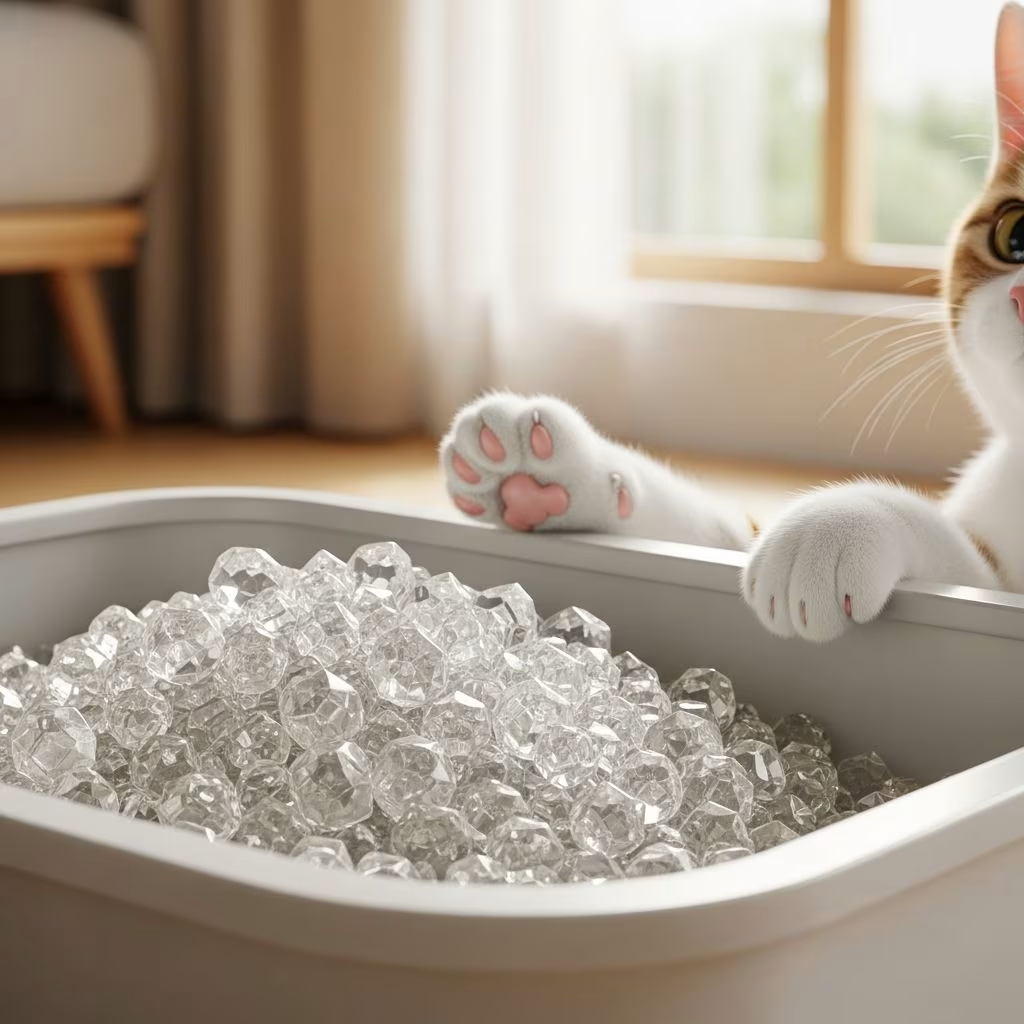
Crystal cat litter, made from silica gel crystals, provides cat owners with a modern alternative to traditional clay litters. These translucent beads excel in moisture absorption and odor trapping, potentially lasting weeks in a single tray. This guide examines its features, advantages, limitations, and practical advice for implementation.
Understanding Crystal Cat Litter Composition
Silica gel forms the basis of crystal litters through a process that creates porous structures capable of holding significant liquid volumes. Each crystal features microscopic pores that draw in urine and feces moisture, transforming it into gel within the bead. This mechanism not only dehydrates waste but also neutralizes ammonia odors effectively.
Unlike clay or plant-based options, crystals remain solid, avoiding the dust clouds common in bentonite products. Manufacturers design them to be non-toxic when used as directed, with food-grade silica ensuring safety for household pets. Recent formulations include color-changing indicators that shift hues upon saturation, signaling replacement time visually.
Key Advantages of Using Crystal Cat Litter
Crystal litters stand out for several practical benefits that appeal to busy pet parents and those prioritizing cleanliness.
- Superior Moisture Absorption: Crystals hold up to 40% of their weight in liquids, far exceeding many clay variants. This capacity dries solid waste quickly, reducing bacterial growth.
- Exceptional Odor Neutralization: By locking ammonia molecules inside, odors diminish by up to 80% compared to standard litters, according to veterinary studies.
- Minimal Dust Production: Low-dust properties benefit households with allergy sufferers or respiratory-sensitive cats, producing nearly no airborne particles during pouring or scooping.
- Extended Usage Duration: A single fill often suffices for 3-4 weeks per cat, minimizing refill frequency and waste volume.
- Lightweight Design: Bags weigh considerably less than clay equivalents, easing transport for seniors or multi-cat owners.
Potential Drawbacks and Challenges
Despite strengths, crystal litters present hurdles that may deter some users.
- Non-Clumping Nature: Without forming solid clumps, urine spreads across crystals, requiring full tray stirring rather than targeted scooping.
- Higher Initial Expense: Upfront costs exceed clay by 2-3 times, though longevity may offset this over time.
- Texture Discomfort: Hard, gravel-like feel under paws discourages some cats, particularly those accustomed to softer substrates.
- Pooling Risk: Over-saturation leads to liquid accumulation if not agitated regularly.
- Ingestion Concerns: Kittens may chew beads, risking mild digestive upset, though severe incidents remain rare.
Comparative Analysis: Crystal vs. Other Litters
To aid decision-making, consider this table comparing crystal litter to popular alternatives:
| Feature | Crystal (Silica) | Clumping Clay | Plant-Based (Tofu/Corn) |
|---|---|---|---|
| Absorption Capacity | High (40% weight) | Medium | High |
| Odor Control | Excellent | Good | Good |
| Dust Level | Low | High | Low |
| Clumping | No | Yes | Yes |
| Duration per Fill | 3-4 weeks | 1-2 weeks | 2-3 weeks |
| Cost per Month (1 cat) | Medium | Low | Medium-High |
| Biodegradable | No | No | Yes |
| Weight | Light | Heavy | Light |
Crystal excels in longevity and low maintenance but lags in clumping and eco-friendliness compared to plant options.
Implementation Tips for Success
Maximize crystal litter effectiveness with these strategies:
- Stir daily after solid waste removal to redistribute moisture evenly and prevent pooling.
- Introduce gradually by mixing with current litter over 7-10 days to ease cat transition.
- Select larger boxes for multi-cat homes to accommodate volume without quick saturation.
- Pair with high-sided mats to capture tracking crystals, which tend to scatter more than clay.
- Monitor color changes in indicator varieties for timely full replacements, typically every 4 weeks.
Safety Considerations for Cats and Homes
Veterinarians confirm crystal litters’ safety for adult cats when used properly. Silica gel avoids chemical additives, reducing respiratory risks. However, supervise kittens under 6 months, as exploratory chewing poses ingestion hazards. No widespread toxicity reports exist, but discontinue if vomiting or lethargy appears post-introduction.
For humans, low dust minimizes inhalation concerns, making it suitable for asthmatic environments. Dispose as regular trash, as non-biodegradable nature precludes composting or flushing.
Ideal Scenarios for Crystal Cat Litter
This litter suits specific lifestyles:
- Busy Professionals: Reduced scooping saves daily time.
- Apartment Dwellers: Odor lockdown prevents neighbor complaints.
- Allergy Households: Dust-free air improves comfort.
- Automated Box Users: Compatibility with self-cleaners avoids jams.
- Multi-Cat Owners: High capacity handles increased usage.
Avoid for kittens, paw-sensitive cats, or budget-focused eco-conscious owners preferring flushable naturals.
Frequently Asked Questions
Can all cats adapt to crystal litter?
Most do, but 20-30% reject the texture. Transition slowly and provide alternatives if refusal persists.
Is crystal litter cost-effective long-term?
Yes, for single cats; one bag lasts a month versus weekly clay refills, balancing higher per-bag price.
Does it work in self-cleaning litter boxes?
Perfectly, as non-clumping prevents mechanisms from clogging, enhancing automation efficiency.
How often should I fully replace crystal litter?
Every 3-4 weeks for one cat, sooner with multiples or high output; watch for odor or color shifts.
Is it environmentally friendly?
No, silica mining impacts resources, and it’s non-biodegradable; opt for plant litters for green choices.
Transitioning Your Cat to Crystal Litter
Successful switches involve patience. Start with 25% crystals mixed into existing litter, increasing weekly to 100%. Place boxes side-by-side initially for choice. Reward usage with treats to build positive associations. If rejection occurs, revert and retry later, as preferences evolve.
Observe elimination habits post-change; increased tracking requires better mats, while acceptance shows via consistent box visits.
Maintenance Best Practices
Daily: Scoop solids, stir thoroughly.
Weekly: Spot-check saturation, top off if low.
Monthly: Full dump, wash box with mild soap, dry completely before refilling.
These routines sustain performance and hygiene.
References
- Veterinary Medicine International: Ammonia Reduction in Cat Litters — Veterinary Medicine International. 2018-01-01. https://www.hindawi.com/journals/vmi/2018/
- Pet Market Insights Report — Pet Market Insights. 2023-01-01. https://www.petmarketinsights.com/report2023
- American Veterinary Medical Association: Pet Litter Safety Guidelines — AVMA. 2024-06-15. https://www.avma.org/resources-tools/pet-owners/petcare/litter-safety
- Journal of Feline Medicine and Surgery: Litter Preferences Study — Sage Journals. 2022-03-10. https://journals.sagepub.com/doi/full/10.1177/1098612X221
- Environmental Protection Agency: Silica Gel Waste Disposal — EPA. 2025-01-20. https://www.epa.gov/hw/sw-846-test-method



