

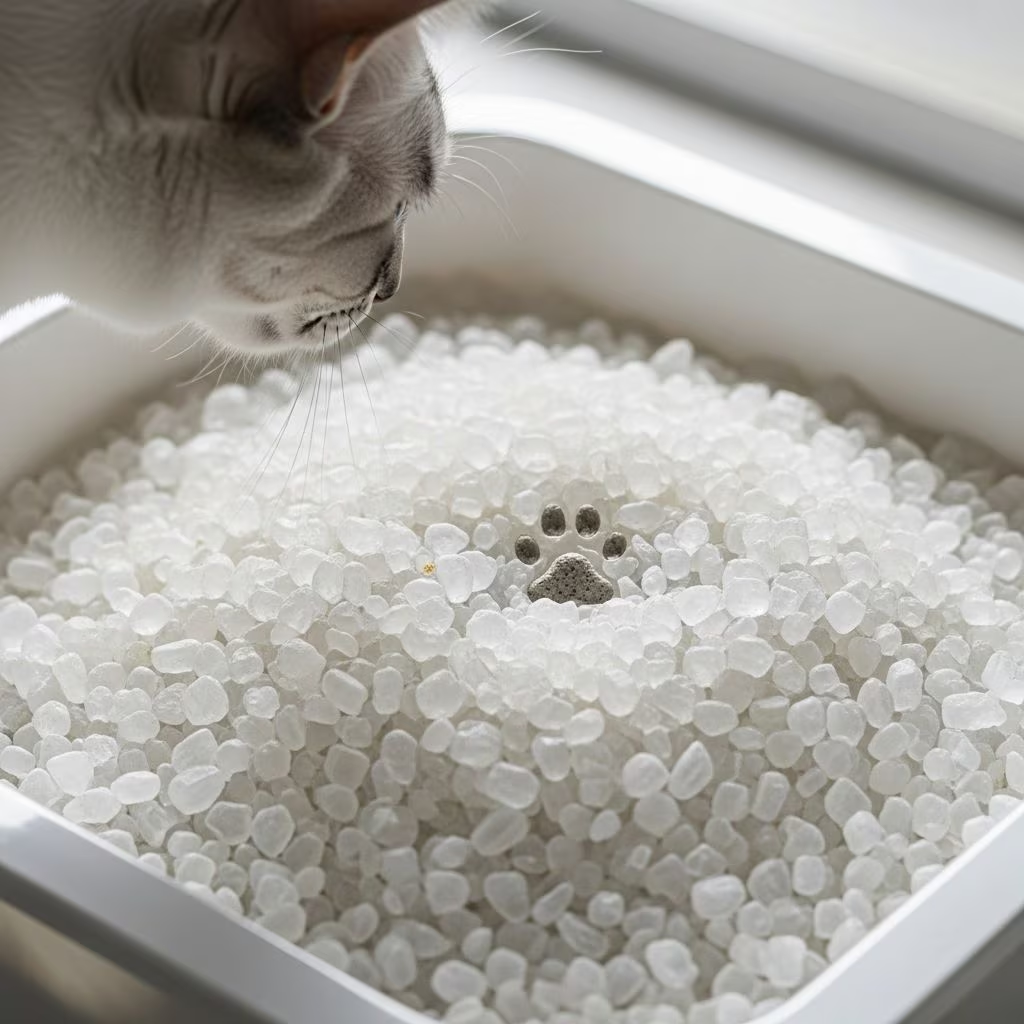
Crystal cat litter, made from silica gel beads, has gained popularity among cat owners for its unique moisture-absorbing properties and effective odor neutralization. This guide examines its features, advantages, limitations, safety considerations, and practical usage tips to help you decide if it’s right for your household.
How Crystal Cat Litter Functions
Silica gel crystals in cat litter are highly porous materials derived from amorphous silica, designed to absorb up to 40 times their weight in liquid. When a cat urinates, the moisture is drawn into the beads, where it evaporates slowly while odors like ammonia are trapped within the structure. Unlike clay litters that form clumps, crystals distribute saturation evenly across the tray, requiring only daily stirring to prevent pooling.
This mechanism provides a visual change in some products, where beads shift from clear to yellow or blue upon saturation, signaling replacement time. The process reduces bacterial growth by keeping surfaces dry, contributing to overall hygiene in the litter box.
Key Advantages of Silica-Based Litter
Crystal litter stands out for several practical benefits that appeal to modern pet parents.
- Superior Odor Management: Crystals excel at locking away ammonia, reducing detectable smells by up to 80% compared to clay options. This is particularly valuable in confined spaces like apartments.
- Minimal Dust Production: Marketed as 99% dust-free, it minimizes airborne particles, benefiting cats and owners with respiratory issues or allergies.
- Extended Usage Duration: A single tray can last 3-4 weeks for one cat, far outpacing traditional litters that require weekly full changes.
- Lightweight Design: Bags weigh significantly less than clay equivalents, easing handling for seniors or those managing multiple cats.
- Compatibility with Automation: Non-clumping nature suits self-cleaning litter boxes, preventing jams and ensuring smooth operation.
Potential Drawbacks to Consider
Despite its strengths, crystal litter isn’t ideal for every situation or cat.
- Higher Initial Expense: Upfront costs are elevated, though longevity may balance monthly spending in single-cat homes.
- Non-Biodegradable Composition: Silica doesn’t break down naturally, raising environmental concerns for eco-conscious users.
- Texture Sensitivity: The hard, bead-like feel can deter cats with tender paws, leading to box avoidance.
- No Clumping Action: Lacks the satisfying scoop of wet clumps, requiring full tray dumps periodically.
- Saturation Management: Daily stirring is essential; neglect can cause overflow or intensified odors.
Safety Profile for Felines
Amorphous silica gel, the base of most crystal litters, is deemed non-toxic for adult cats by veterinary standards. It differs from hazardous crystalline silica in construction dust, posing no inhalation risks when low-dust formulas are chosen. However, kittens may ingest beads during play, potentially causing mild gastrointestinal upset, though severe cases are uncommon.
Post-box paw licking introduces negligible risks, as silica doesn’t expand like some clay additives. For health monitoring, the lack of visible urine clumps can complicate output tracking in ill cats, so owners of seniors or those with urinary issues might prefer clumping alternatives.
Comparative Analysis with Other Litters
To contextualize crystal litter’s role, consider this comparison table based on key performance metrics:
| Feature | Crystal (Silica) | Clumping Clay | Pine | Tofu |
|---|---|---|---|---|
| Odor Control | High | Medium-High | Medium | High |
| Dust Levels | Low | Moderate-High | Low | Low |
| Environmental Impact | Non-Biodegradable | Non-Biodegradable | Biodegradable | Biodegradable |
| Avg. Monthly Cost (1 Cat) | Higher | Lower | Medium | Medium-High |
| Replacement Frequency | 3-4 Weeks | 1-2 Weeks | 1-2 Weeks | 1 Week |
Crystal litter leads in longevity and dust control but trails biodegradables in sustainability.
Optimal Usage Strategies
Maximize crystal litter’s effectiveness with these steps:
- Select a spacious box (1.5 times cat length) to accommodate bead movement.
- Fill to 3-4 inches deep for proper absorption.
- Scoop solids daily and stir thoroughly to redistribute moisture.
- Replace entirely every 3-4 weeks or at color change.
- Use a high-quality mat to capture tracking beads.
- Transition gradually over 7-10 days by mixing with current litter.
For multi-cat setups, increase tray count to one per cat plus one extra, and monitor saturation closely.
Ideal Scenarios for Crystal Litter
This litter shines in specific contexts:
- Allergy Households: Low dust preserves air quality.
- Busy Lifestyles: Reduced scooping saves time.
- Compact Living: Odor lockdown prevents pervasive smells.
- Tech-Savvy Owners: Pairs seamlessly with robotic cleaners.
Conversely, avoid for kittens under 6 months, paw-sensitive cats, or budget-focused eco households.
Frequently Asked Questions
Is crystal cat litter safe if swallowed?
Generally yes for adults; amorphous silica is non-toxic, but supervise kittens to prevent ingestion.
Does it track less than clay?
Yes, though beads can scatter; a litter mat helps contain them.
How often should I fully change the tray?
Every 3-4 weeks for one cat, sooner with multiples or high urine output.
Can I mix crystal litter with other types?
Possible during transitions, but uniform use prevents inconsistencies.
Is it better for odor than pine litter?
Often superior due to ammonia trapping, per user reports and tests.
What if my cat rejects it?
Try finer beads or gradual introduction; some prefer softer textures.
Cost-Benefit Evaluation
While pricier per bag ($20-30 for 15-20 lbs), longevity offsets this: one bag serves 3-4 weeks versus clay’s frequent refills. Multi-cat homes may see parity or savings with diligent management. Long-term, dust reduction cuts cleaning supplies, and odor control avoids air fresheners.
Environmental and Future Trends
Silica’s non-degradability prompts shifts toward plant-based alternatives, but innovations like recyclable silica are emerging. Pet owners increasingly weigh sustainability, with 35% favoring longer-lasting options despite eco drawbacks.
In summary, crystal cat litter offers unmatched convenience and cleanliness for suitable homes, balancing modern needs with feline comfort when chosen wisely.
References
- Pros and Cons of Crystal Cat Litter — Green Pet Care. 2023. https://www.greenpetcare.com.cn/Pros-and-Cons-of-Crystal-Cat-Litter_1891.html
- Crystal Silica Cat Litter: Benefits, Risks, and Safety for Cats — The Refined Feline. 2023. https://www.therefinedfeline.com/pros-cons-of-crystal-silica-cat-litter/
- Is Crystal Litter Safe for Cats? Toxicity & Risks Explained — Lady N Pet. 2024. https://ladynpet.com/us/blog/crystal-cat-litter/
- Different Types of Cat Litter: Overview & Comparison — VCA Animal Hospitals. 2025. https://vcahospitals.com/pediatric/kitten/prep-supplies/different-types-of-cat-litter



