

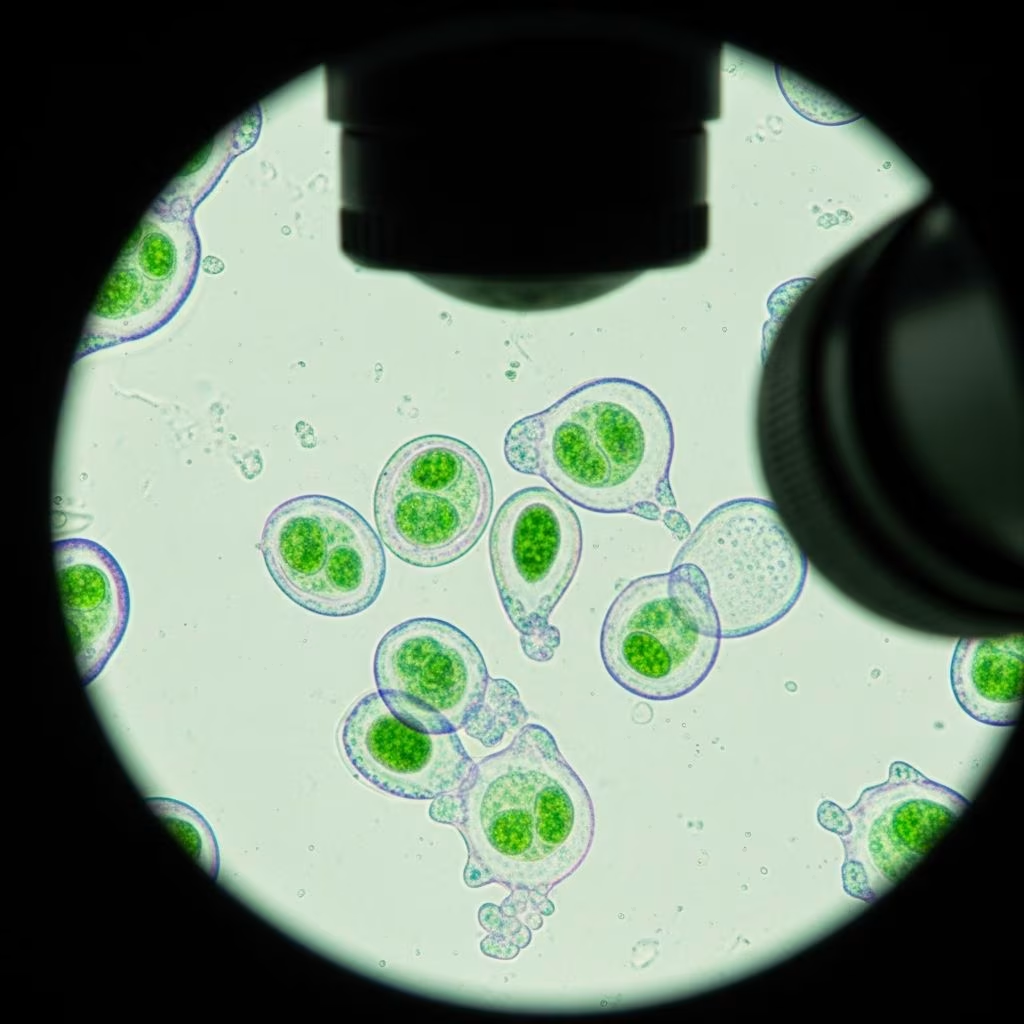
Cryptosporidium is a microscopic parasite that affects the intestinal tract of dogs and many other animals worldwide. While this parasitic infection is relatively common in canine populations, the presence of the organism does not necessarily mean a dog will develop clinical disease. Understanding how this infection develops, recognizing warning signs, and knowing when to seek veterinary care are essential for responsible dog ownership.
What Is Cryptosporidium and How Does It Affect Dogs?
Cryptosporidium represents a group of single-celled parasites capable of infecting a broad range of animals, including dogs, cats, humans, and livestock. The parasite primarily targets the intestinal lining, where it reproduces and sheds microscopic structures called oocysts into the digestive system. These oocysts are subsequently eliminated through fecal matter, allowing the parasite to spread to other animals and contaminate the environment.
The infection cycle begins when a dog ingests contaminated water, food, or material containing cryptosporidium oocysts. Once inside the digestive tract, the parasite invades the intestinal cells and begins reproducing. In many cases, particularly in healthy adult dogs, the immune system effectively controls the infection without producing noticeable symptoms. However, certain populations of dogs face significantly greater risk of developing active disease.
Puppies and immunocompromised dogs represent the most vulnerable groups, as their immune systems lack the maturity or capability to combat the infection effectively. Additionally, dogs with underlying conditions such as canine distemper or those receiving immunosuppressive medications may experience more severe manifestations of the disease.
Recognition of Clinical Presentation
The most distinctive feature of cryptosporidium infection is its variable presentation across different dog populations. Many infected dogs display no symptoms whatsoever and serve as asymptomatic carriers, shedding oocysts into the environment without experiencing illness themselves. This characteristic makes cryptosporidium particularly challenging to detect in some cases, as infected dogs may appear completely healthy.
When symptoms do develop, they typically center on gastrointestinal disturbances. The primary clinical sign is diarrhea, which can range from mild to severe depending on the individual dog’s immune status and age. Accompanying symptoms may include:
- Watery or loose stools
- Appetite reduction or complete loss of interest in food
- General lethargy and decreased energy levels
- Visible signs of dehydration
- Abdominal discomfort or cramping
Dehydration represents one of the most serious consequences of cryptosporidium infection, particularly in puppies. Young dogs can deteriorate rapidly when experiencing diarrhea-induced fluid loss, making dehydration a potential veterinary emergency. Any puppy experiencing diarrhea lasting beyond 24 hours warrants immediate professional evaluation to prevent potentially fatal complications.
Diagnostic Procedures and Identification Methods
Identifying cryptosporidium infection requires a systematic diagnostic approach, as the parasite cannot be detected through casual observation. Veterinarians employ multiple diagnostic tools to confirm or rule out this infection when a dog presents with persistent diarrhea or related gastrointestinal symptoms.
The diagnostic process typically begins with a thorough physical examination, during which the veterinarian assesses the dog’s overall condition, checks for fever, and evaluates hydration status. This initial assessment provides important baseline information about the dog’s systemic health.
Laboratory investigations form the cornerstone of cryptosporidium diagnosis and may include:
- Fecal examination: Direct microscopic evaluation of stool samples to identify parasite oocysts using specialized staining techniques
- Specific protein testing: Advanced fecal tests designed to detect cryptosporidium antigens or nucleic acids with greater sensitivity than traditional microscopy
- Complete blood count (CBC): Blood work to evaluate white blood cell populations and identify signs of systemic infection
- Biochemistry profile: Laboratory assessment of organ function and electrolyte balance, particularly important in cases of severe diarrhea
Because many cryptosporidium infections are subclinical, routine testing of asymptomatic dogs is not typically recommended. Diagnostic testing becomes necessary when a dog exhibits clinical signs suggestive of parasitic infection or when other causes of diarrhea have been excluded.
Treatment Approaches and Management Strategies
The treatment approach for cryptosporidium infection varies substantially depending on whether the infected dog displays symptoms and the severity of clinical manifestations. This variation reflects the fundamental difference between infection and disease—a dog may harbor the parasite without requiring medical intervention.
Management of Asymptomatic and Mildly Affected Dogs
Healthy, adult dogs with cryptosporidium infection typically require no specific antiparasitic medication. The immune system effectively eliminates the infection naturally within a relatively short timeframe, usually resolving within two weeks. These dogs may continue their normal activities and diet while the infection self-resolves.
Supportive Care for Symptomatic Cases
Dogs experiencing active symptoms benefit from supportive care focused on maintaining hydration and allowing the gastrointestinal tract to recover. This approach represents the foundation of cryptosporidium management across all age groups and immune statuses.
Supportive care measures include:
- Fluid and electrolyte replacement: Oral rehydration solutions or intravenous fluid therapy for dogs experiencing significant dehydration
- Dietary modification: Temporary food restriction for 24-48 hours followed by introduction of bland, easily digestible foods
- Nutritional support: Gradual return to regular diet as gastrointestinal function improves
- Probiotic supplementation: Addition of beneficial bacteria to promote intestinal health and restore normal flora
- Dietary fiber: Introduction of soluble fiber to support digestive recovery
Antimicrobial Therapy
Few medications have demonstrated consistent effectiveness against cryptosporidium infection. For puppies and immunocompromised dogs with persistent diarrhea, veterinarians may prescribe antimicrobial agents with some demonstrated efficacy. Commonly used medications include azithromycin and paromomycin, selected based on the individual dog’s condition and response to initial supportive care. These medications are typically reserved for cases demonstrating persistent symptoms despite supportive measures, as they are not universally effective and require careful dosing and monitoring.
Hospitalization and Intensive Care
Dogs experiencing severe dehydration or unable to maintain adequate fluid and nutrient intake may require hospitalization for intensive monitoring and treatment. Intravenous fluid therapy allows rapid correction of electrolyte imbalances and dehydration, while professional nursing care ensures the dog’s comfort and recovery.
Expected Recovery and Long-Term Prognosis
The prognosis for cryptosporidium infection is generally excellent across all dog populations when appropriate care is provided. Healthy adult dogs typically recover completely within a few days to two weeks, with no lasting complications or chronic effects. Puppies and immunocompromised dogs, despite requiring more intensive management, also generally achieve full recovery when receiving proper supportive care.
The timeline for symptom resolution varies among individual dogs but typically ranges from several days to two weeks. Some dogs may clear the infection even more rapidly with appropriate treatment. Veterinarians may recommend follow-up fecal examinations to confirm complete elimination of the parasite from the dog’s system.
Prevention and Environmental Control
Preventing cryptosporidium infection requires attention to environmental sanitation and water quality. The parasite’s oocysts demonstrate remarkable resistance to many common disinfectants and can persist in the environment for extended periods under favorable conditions. Cryptosporidial oocysts can survive for several months in cool, moist environments but are destroyed by extreme temperatures or specific chemical agents.
Effective prevention strategies include:
- Providing access to clean, fresh drinking water from reliable sources
- Maintaining rigorous hygiene practices, particularly when handling puppies or immunocompromised dogs
- Regular cleaning of food and water bowls with hot water
- Prompt removal and proper disposal of fecal material
- Use of appropriate disinfectants, such as ammonium hydroxide or hydrogen peroxide, for contaminated areas
- Limiting exposure to potentially contaminated water sources, such as stagnant ponds or community water bowls
Distinguishing Cryptosporidium from Other Parasitic Infections
Several other parasites cause similar gastrointestinal symptoms in dogs, making proper diagnosis essential for appropriate treatment. Giardia, roundworms, hookworms, and other intestinal parasites produce diarrhea but require different treatment approaches. This distinction underscores the importance of veterinary diagnostic testing rather than attempting to treat presumed parasitic infections based solely on symptom observation.
When to Seek Veterinary Care
Pet owners should contact their veterinarian promptly if their dog experiences:
- Diarrhea lasting more than 24 hours
- Severe or bloody diarrhea
- Signs of dehydration, including dry mucous membranes or loss of skin turgor
- Lethargy or significant behavioral changes
- Loss of appetite persisting beyond a few hours
- Vomiting accompanying diarrhea
- Symptoms in very young puppies or elderly dogs
- Any signs of systemic illness such as fever or abdominal pain
For puppies specifically, any diarrhea warrants veterinary evaluation, as young dogs can deteriorate rapidly and dehydration can quickly become life-threatening.
Living With an Infected Dog
Dogs with cryptosporidium infection pose minimal risk to human household members when basic hygiene practices are followed. Regular handwashing, particularly after handling an infected dog or its waste, provides effective protection. This differs from some other zoonotic parasites and reflects the species-specific nature of many cryptosporidium strains.
Infected dogs can continue living normally within the household while receiving treatment. Maintaining good hygiene practices protects both human family members and other pets in the home from potential exposure to oocysts shed in the feces.
Frequently Asked Questions
- Can cryptosporidium be transmitted to humans?
- Certain cryptosporidium species can infect humans, though dog-specific strains have limited zoonotic potential. Practicing good hygiene—including handwashing after handling infected dogs—provides effective protection.
- How long does cryptosporidium infection last?
- In healthy dogs, cryptosporidiosis typically resolves within two weeks. Symptomatic cases may show improvement within days with appropriate supportive care.
- Is cryptosporidium contagious between dogs?
- Yes, infected dogs shed oocysts in their feces, which can transmit the infection to other dogs. Proper sanitation practices reduce transmission risk.
- Can cryptosporidium cause permanent damage?
- No, cryptosporidium does not cause permanent intestinal damage in healthy dogs. Complete recovery with no lasting effects is the typical outcome.
- Are certain dog breeds more susceptible?
- Susceptibility relates primarily to age and immune status rather than breed. Puppies and immunocompromised dogs of any breed face higher risk of developing symptoms.
References
- Cryptosporidium in Dogs — PetMD. 2024. https://www.petmd.com/dog/conditions/infectious-parasitic/cryptosporidium-dogs
- Cryptosporidium Guidelines — Companion Animal Parasite Council. 2024. https://capcvet.org/guidelines/cryptosporidium/
- Intestinal Parasite (Cryptosporidium) in Dogs — Vetster. 2024. https://vetster.com/en/conditions/dog/intestinal-parasite-cryptosporidium
- Cryptosporidiosis in Animals – Digestive System — Merck Veterinary Manual. 2024. https://www.merckvetmanual.com/digestive-system/cryptosporidiosis/cryptosporidiosis-in-animals
- Treating Crypto — Centers for Disease Control and Prevention. 2024. https://www.cdc.gov/cryptosporidium/treatment/index.html



