
Cryptosporidiosis in Dogs: Symptoms, Diagnosis, and Treatment
Complete guide to understanding, diagnosing, and treating cryptosporidiosis in dogs.
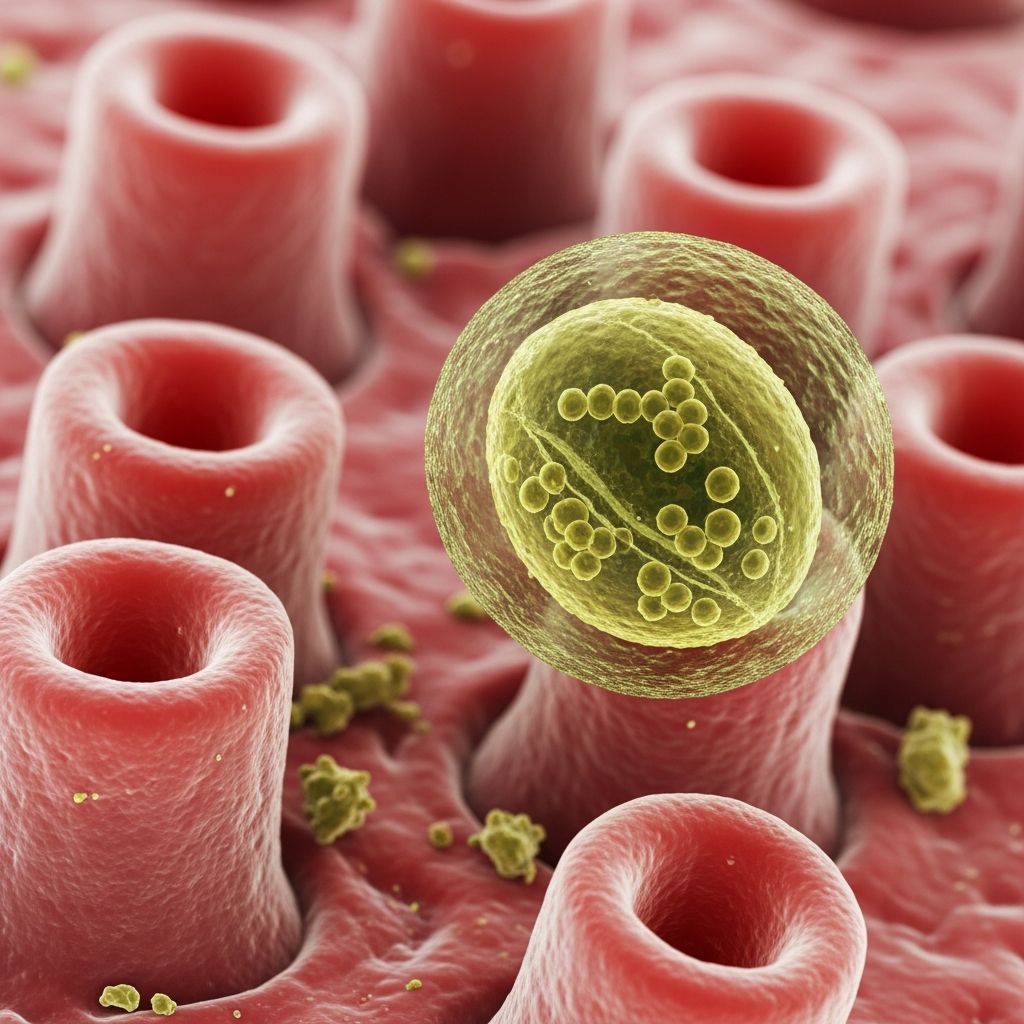
Understanding Cryptosporidiosis in Dogs
Cryptosporidiosis is a parasitic infection caused by the protozoan parasite Cryptosporidium, which affects the intestinal tract of dogs and numerous other animals. This microscopic organism is a common cause of gastrointestinal illness in canines, though the severity of infection varies significantly depending on the dog’s age, immune status, and overall health. While cryptosporidiosis is relatively common in dogs, it’s important to understand that many infected dogs show no symptoms at all. The infection occurs when a dog ingests Cryptosporidium oocysts, which are highly resistant microscopic cysts capable of surviving in the environment for extended periods under cool, moist conditions.
The parasite primarily affects the intestinal epithelium, causing damage that can range from minimal in healthy dogs to severe in immunocompromised animals. Understanding this infection is crucial for dog owners, as it can affect puppies, senior dogs, and immunosuppressed individuals more severely than healthy adult dogs. The disease is transmitted through the fecal-oral route, making sanitation and hygiene practices essential in preventing transmission.
Symptoms and Clinical Signs
The presentation of cryptosporidiosis varies considerably among infected dogs. Most dogs infected with Cryptosporidium show no clinical signs whatsoever and may be asymptomatic carriers. However, when symptoms do develop, they are typically gastrointestinal in nature.
The primary clinical signs of cryptosporidiosis include:
- Diarrhea — The most common symptom, ranging from mild to severe
- Dehydration — Resulting from fluid loss through diarrhea
- Abdominal discomfort — Dogs may show signs of digestive distress
- Loss of appetite — Some affected dogs may refuse to eat
- Lethargy — Affected dogs may appear tired or lack energy
- Weight loss — May occur with prolonged infections
Diarrhea and dehydration are considered the primary clinical signs of cryptosporidiosis. In immunocompetent and healthy dogs, infections are usually self-limiting, meaning they resolve on their own without intervention. However, puppies and immunocompromised dogs are significantly more susceptible to developing symptoms. Diarrhea in puppies is particularly concerning, as puppies can quickly become dehydrated, which can be life-threatening if not addressed promptly.
Dogs showing symptoms of diarrhea lasting more than 24 hours or accompanied by other symptoms such as appetite loss and lethargy require prompt veterinary attention to determine the underlying cause and prevent severe dehydration.
Diagnosis of Cryptosporidiosis
Accurate diagnosis of cryptosporidiosis involves a combination of clinical evaluation and diagnostic testing. Most cases go undetected because dogs typically show no symptoms, but when a dog presents with gastrointestinal issues, veterinarians employ several diagnostic approaches.
Physical Examination
Your veterinarian will begin with a comprehensive physical examination to assess your dog’s overall condition. During this exam, the vet will check for signs of fever, dehydration, abdominal tenderness, and other abnormalities that might indicate infection or systemic illness. This initial assessment helps guide subsequent diagnostic testing.
Blood Work
Veterinarians may recommend blood work, such as a complete blood count (CBC) and biochemistry profile, to evaluate your dog’s organ function and check for abnormalities in their white blood cell count, which can indicate an infection. Blood tests can help identify secondary complications and assess the overall health status of the dog.
Fecal Examination
The most direct diagnostic approach involves fecal testing. Diagnosis of Cryptosporidium can be made by finding the oocysts in a fecal examination using zinc sulfate flotation or direct saline smear. Additionally, veterinarians may use specific testing for parasitic proteins in the feces through antigen detection tests, which are often more sensitive than traditional flotation methods for identifying Cryptosporidium oocysts.
Specific testing for Cryptosporidium proteins in fecal samples is increasingly used because it can detect infections that might be missed by routine fecal flotation alone. These diagnostic tests may need to be repeated to confirm the infection has been cleared following treatment.
Treatment Options for Cryptosporidiosis
Treatment approaches for cryptosporidiosis vary significantly depending on the dog’s immune status, age, and severity of symptoms.
Treatment in Healthy Dogs
Cryptosporidiosis typically resolves without treatment in healthy dogs, as their immune systems effectively clear the infection. Most healthy adult dogs will recover within several days to two weeks without any specific antiparasitic medications. The infection is generally self-limiting in immunocompetent animals, meaning the dog’s own immune response is sufficient to eliminate the parasite.
Treatment in Puppies and Immunocompromised Dogs
Puppies and immunocompromised dogs require more aggressive management. For these vulnerable populations, fluid therapy may be necessary to correct dehydration and electrolyte imbalances caused by diarrhea. Intravenous (IV) fluids are often administered to restore hydration and maintain electrolyte balance, particularly in severe cases.
Medications
Few drugs are consistently effective against Cryptosporidium, and no drugs are licensed specifically for treating this infection in dogs in the United States. However, various medications have been used with some success in cases where animals have persistent diarrhea with oocyst shedding:
| Medication | Dosage (Dogs) | Duration |
|---|---|---|
| Azithromycin | 5 to 10 mg/kg BID | 5 to 7 days |
| Paromomycin | 100 mg/kg daily | Variable |
| Nitazoxanide | 100-200 mg BID | 5 days |
Supportive Care
Supportive care is the cornerstone of cryptosporidiosis management for most dogs. Key supportive measures include:
- Providing IV fluids or electrolytes to maintain hydration
- Withholding food for 24-48 hours to allow the gastrointestinal tract to rest
- Offering bland, easily digestible food once feeding resumes
- Adding fiber or probiotics to diet to support digestive health
- Using anti-diarrheal medications in some cases, though evidence for their efficacy is limited
In severe cases requiring hospitalization, patients receive ongoing monitoring to prevent dehydration and manage symptoms. Most cases of cryptosporidiosis recover within several days of appropriate supportive care.
Recovery and Prognosis
The prognosis for cryptosporidiosis in dogs is generally excellent, with most dogs recovering rapidly following appropriate care. Symptoms typically resolve in less than two weeks in healthy dogs. Puppies and immunocompromised dogs also generally have a good outcome if they receive appropriate treatment, though their recovery may take longer and require more intensive management.
During the recovery phase, limiting food or offering bland food while your dog is recovering can help their gastrointestinal tract heal quickly. Some dogs benefit when fiber or a probiotic is added to their diet to restore healthy intestinal flora and support digestive function.
Repeated fecal examinations are recommended to confirm the infection has been cleared, as there may be a risk of further environmental contamination if shedding of oocysts continues. Complete recovery is typically expected within days to weeks for most dogs.
Prevention and Environmental Management
Preventing cryptosporidiosis involves understanding how the parasite survives in the environment and implementing appropriate sanitation measures.
Environmental Resistance
Cryptosporidial oocysts are highly resistant to most disinfectants and can survive for several months in cool, moist conditions. This resistance makes the parasite particularly challenging to eliminate from contaminated environments. Standard cleaning protocols may not be sufficient to completely decontaminate areas where infected dogs have defecated.
Effective Disinfection Methods
Oocyst infectivity can be destroyed by freeze-drying and exposure to temperatures below -20°C (-4°F) or above 65°C (149°F). Ammonium hydroxide (5%) and hydrogen peroxide (10%) are effective at destroying oocyst infectivity after approximately 30 minutes of exposure. These disinfectants should be used when cleaning areas contaminated with feces from infected dogs.
Prevention Strategies
To prevent cryptosporidiosis transmission:
- Practice good hygiene, including handwashing after handling potentially infected animals
- Clean water and food bowls regularly with hot water
- Remove feces promptly from living areas and yards
- Use appropriate disinfectants for contaminated areas
- Isolate infected dogs from other animals when possible
- Provide clean drinking water and avoid contamination
Frequently Asked Questions
Q: Can cryptosporidiosis be transmitted to humans?
A: Yes, Cryptosporidium can potentially be transmitted to humans, particularly to immunocompromised individuals. This zoonotic potential makes good hygiene practices essential when handling infected dogs or their feces.
Q: How long does cryptosporidiosis last in dogs?
A: In healthy dogs, symptoms typically resolve within two weeks. Most dogs recover within several days to two weeks with appropriate supportive care, though some cases may persist longer, especially in immunocompromised animals.
Q: Is cryptosporidiosis fatal in dogs?
A: The prognosis for cryptosporidiosis is excellent in most dogs. However, severe dehydration in puppies can be life-threatening if not treated promptly, making early veterinary intervention crucial.
Q: Do all infected dogs show symptoms?
A: No, most dogs infected with Cryptosporidium show no symptoms. Symptoms are more likely in puppies, senior dogs, and immunocompromised dogs, while healthy adult dogs often shed the parasite without developing clinical signs.
Q: How is cryptosporidiosis diagnosed?
A: Diagnosis involves physical examination, blood work, fecal examination with specialized flotation techniques, and antigen detection tests. Multiple tests may be necessary to confirm the diagnosis.
Q: What should I do if my dog has diarrhea lasting more than 24 hours?
A: Contact your veterinarian promptly. Diarrhea lasting more than 24 hours, especially if accompanied by other symptoms like loss of appetite or lethargy, requires professional evaluation to determine the cause and prevent complications like dehydration.
References
- Cryptosporidium in Dogs — PetMD. 2025. https://www.petmd.com/dog/conditions/infectious-parasitic/cryptosporidium-dogs
- Cryptosporidium Guidelines — Companion Animal Parasite Council. https://capcvet.org/guidelines/cryptosporidium/
- Intestinal Parasite (Cryptosporidium) in Dogs — Vetster. https://vetster.com/en/conditions/dog/intestinal-parasite-cryptosporidium
- Canine and Feline Cryptosporidiosis and Giardiasis — DVM360. https://www.dvm360.com/view/canine-and-feline-cryptosporidiosis-and-giardiasis-proceedings
- Cryptosporidiosis in Animals — Digestive System — Merck Veterinary Manual. https://www.merckvetmanual.com/digestive-system/cryptosporidiosis/cryptosporidiosis-in-animals
Similar Articles








Read full bio of Sneha Tete




