

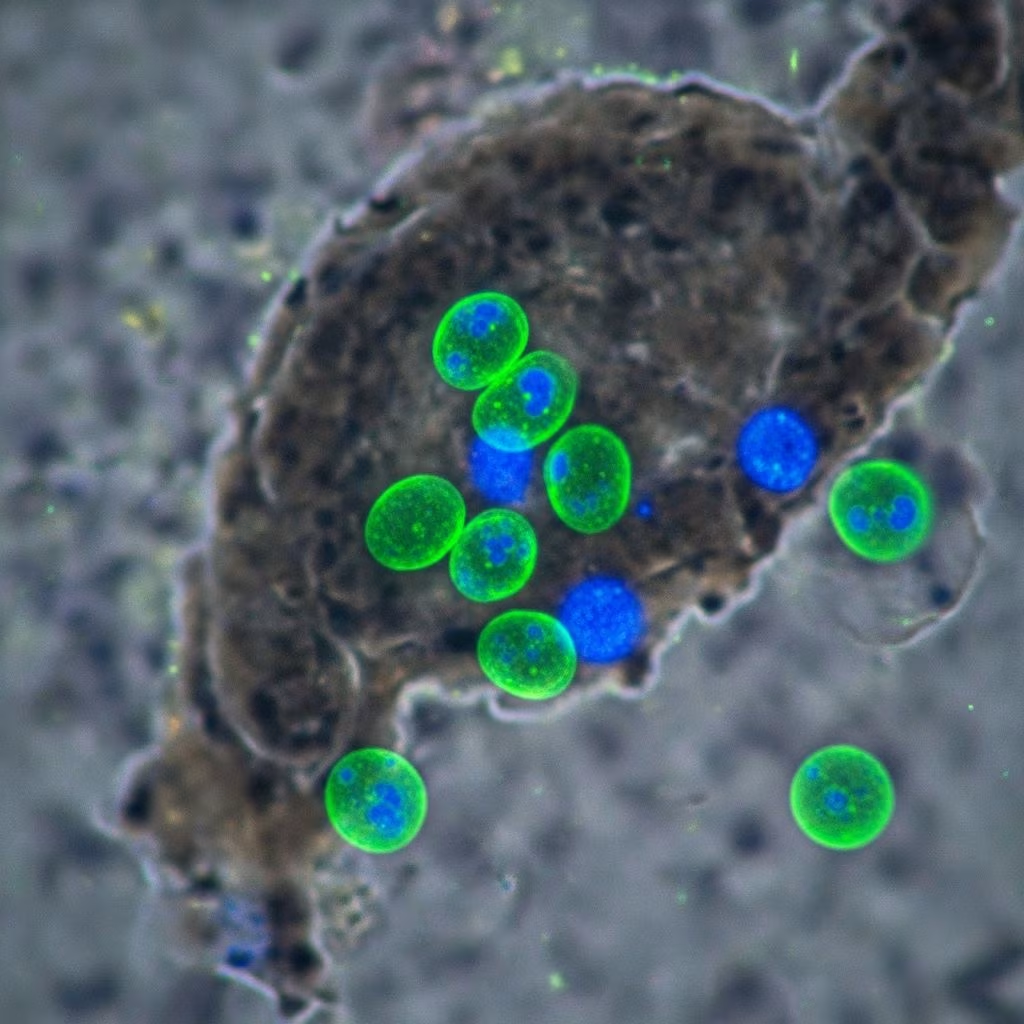
Understanding Cryptosporidiosis in Dogs
Cryptosporidiosis is a parasitic infection caused by the protozoan parasite Cryptosporidium, which affects the intestinal tract of dogs and other animals. This microscopic parasite is relatively common in dogs, though it typically goes unnoticed because most dogs remain asymptomatic. The infection becomes more concerning in specific populations, particularly puppies and immunocompromised dogs, where it can cause significant clinical signs and health complications. Understanding this condition is essential for dog owners, veterinarians, and animal care professionals to ensure proper diagnosis, treatment, and prevention strategies.
The parasite spreads through fecal-oral transmission, meaning dogs can become infected by ingesting contaminated water, food, or environmental material containing Cryptosporidium oocysts. The oocysts are remarkably resilient and can survive for extended periods in cool, moist environments, making prevention and sanitation particularly important in managing this infection.
What Causes Cryptosporidiosis in Dogs
Cryptosporidiosis in dogs is caused by infection with the Cryptosporidium parasite, an intestinal protozoan that colonizes the small intestine epithelium. The infection occurs when dogs ingest oocysts—the infectious stage of the parasite—through contaminated sources.
Risk Factors and Susceptibility
While any dog can potentially contract cryptosporidiosis, certain factors significantly increase susceptibility to clinical disease. Puppies under six months of age are particularly vulnerable due to their developing immune systems and increased exposure risks in environments with multiple animals. Immunocompromised dogs, including those with canine distemper, other underlying viral infections, malignancies, or dogs receiving immunosuppressive medications, are at substantially higher risk for developing severe symptoms.
Elderly dogs may shed the parasite without showing symptoms themselves, serving as potential sources of infection for other animals in their environment. Dogs living in crowded conditions, such as shelters or breeding facilities, also face elevated infection risks due to increased exposure to contaminated feces and poor sanitation conditions.
Recognizing Symptoms of Cryptosporidium in Dogs
One of the most notable aspects of cryptosporidiosis is that most infected dogs remain completely asymptomatic. However, when clinical signs do develop, they are typically related to gastrointestinal disturbance. Symptom severity depends on the dog’s immune status, age, and whether concurrent infections or underlying conditions are present.
Primary Clinical Signs
The primary and most common symptom of cryptosporidiosis is diarrhea. In healthy adult dogs with clinical symptoms, diarrhea is usually mild and self-limiting. However, in puppies and immunocompromised dogs, diarrhea can be more severe and persistent. Additional symptoms that may accompany diarrhea include:
– Dehydration- Loss of appetite- Lethargy and reduced activity levels- Abdominal discomfort- Weight loss in chronic cases- Fever in some cases
Any dog experiencing diarrhea lasting more than 24 hours, particularly when accompanied by other symptoms like appetite loss and lethargy, requires prompt veterinary attention. This is especially critical for puppies, as they can become dangerously dehydrated within hours, making this situation a potential veterinary emergency.
Diagnosis of Cryptosporidiosis
Diagnosing cryptosporidiosis can be challenging because many infected dogs show no symptoms, and the infection often goes undetected. Veterinarians typically pursue diagnosis only when dogs present with unexplained gastrointestinal symptoms.
Diagnostic Methods
When cryptosporidiosis is suspected, veterinarians employ several diagnostic techniques to confirm the infection:
– Physical Examination: The veterinarian performs a comprehensive physical exam to assess overall health, check for fever, and evaluate signs of dehydration or other abnormalities.- Fecal Examination: Direct fecal examination using zinc sulfate flotation or direct saline smear can reveal Cryptosporidium oocysts or trophozoites.- Antigen Detection Testing: Specific fecal antigen detection tests can identify Cryptosporidium parasitic proteins in stool samples, providing a more sensitive and specific diagnosis than routine fecal examination.- Blood Work: Blood tests, including a complete blood count (CBC) and biochemistry profile, help evaluate overall organ function and detect abnormalities in white blood cell counts that might indicate infection.
Repeated fecal examinations may be recommended to confirm infection clearance and ensure the dog is no longer shedding oocysts into the environment.
Treatment Options for Cryptosporidiosis
Treatment approaches for cryptosporidiosis vary significantly based on the dog’s health status, immune competence, and symptom severity. The encouraging news is that most healthy adult dogs recover without specific anti-parasitic treatment.
Treatment for Healthy Adult Dogs
Healthy, immunocompetent dogs typically require no specific treatment for cryptosporidiosis. Their immune systems are capable of clearing the infection independently. In these cases, management focuses on supportive care and monitoring until the infection resolves naturally, which typically occurs within less than two weeks.
Treatment for Puppies and Immunocompromised Dogs
Puppies and immunocompromised dogs require more aggressive intervention to prevent serious complications and support recovery. Treatment options include:
– Fluid Therapy: Intravenous (IV) fluids and electrolyte replacement are essential to correct dehydration and electrolyte imbalances caused by severe diarrhea.- Oral Rehydration: For milder cases, oral fluids and electrolytes may suffice to maintain hydration status.- Anti-Parasitic Medications: Few drugs are consistently effective against Cryptosporidium, but several have demonstrated some success in managing persistent infections: – Azithromycin: 5 to 10 mg/kg twice daily for 5 to 7 days in dogs – Paromomycin: Used in cases with persistent symptoms and oocyst shedding – Nitazoxanide: A newer option with emerging approval in veterinary medicine- Anti-Diarrheal Medications: These may be used to reduce symptom severity, though evidence supporting their efficacy is limited.- Nutritional Support: In severe cases requiring hospitalization, parenteral (intravenous) nutrition may be considered to support recovery and prevent weight loss.
Supportive Care Measures
Regardless of treatment approach, supportive care forms the foundation of managing cryptosporidiosis:
– Withholding food for 24-48 hours to allow the gastrointestinal tract to rest- Offering bland, easily digestible foods during recovery- Adding fiber to the diet to support digestive health- Administering probiotics to restore beneficial gut bacteria- Close monitoring for signs of worsening dehydration or secondary infections
Patients with severe symptoms requiring hospitalization need ongoing veterinary monitoring to prevent life-threatening dehydration.
Recovery and Prognosis
The prognosis for cryptosporidiosis is generally excellent across most dog populations. Healthy adult dogs typically recover completely within several days to two weeks with appropriate supportive care. Most cases resolve within 3-12 days of symptom onset, with dogs recovering rapidly once supportive measures are implemented.
Puppies and immunocompromised dogs also typically achieve good outcomes when they receive appropriate veterinary treatment and supportive care. The key to successful recovery in these vulnerable populations is early recognition of symptoms and prompt intervention to prevent severe dehydration and secondary complications.
Prevention and Environmental Management
Preventing cryptosporidiosis involves both individual animal management and environmental sanitation. Cryptosporidial oocysts are remarkably resistant to most standard disinfectants and can survive for several months in cool, moist conditions. Effective sanitation measures include:
– Using ammonium hydroxide (5%) or hydrogen peroxide (10%) for disinfection, requiring approximately 30 minutes of exposure to destroy oocyst infectivity- Exposing contaminated surfaces to temperatures below –20°C (–4°F) or above 65°C (149°F) to kill oocysts- Regular bathing of affected dogs after treatment to prevent reinfection- Maintaining clean water sources and preventing fecal contamination of food and water bowls- Practicing good hygiene when handling infected dogs or their feces
Frequently Asked Questions
Q: Can humans catch cryptosporidiosis from infected dogs?
A: Yes, Cryptosporidium is a zoonotic parasite that can potentially be transmitted to humans. Proper hygiene practices, including handwashing after handling infected dogs or their feces, are essential for preventing human infection. Individuals with compromised immune systems should exercise particular caution around infected animals.
Q: How long does cryptosporidiosis take to resolve in healthy dogs?
A: In healthy adult dogs, cryptosporidiosis typically resolves within less than two weeks, with most cases clearing within 3-12 days of symptom onset. Puppies and immunocompromised dogs may take longer to recover and require active treatment intervention.
Q: Is cryptosporidiosis common in dogs?
A: Cryptosporidiosis infections are relatively common, but the development of actual clinical disease is rare. Most infected dogs remain completely asymptomatic and never develop symptoms despite harboring the parasite.
Q: What should I feed my dog during cryptosporidiosis recovery?
A: During recovery, offer bland, easily digestible foods in small quantities. Many veterinarians recommend withholding food for 24-48 hours initially, then gradually introducing bland diet options. Adding fiber or probiotics to the diet can support gastrointestinal tract healing.
Q: When should I contact my veterinarian about cryptosporidiosis?
A: Contact your veterinarian immediately if your dog experiences diarrhea lasting more than 24 hours, especially when accompanied by loss of appetite or lethargy. For puppies with diarrhea, seek immediate veterinary care, as dehydration can become life-threatening rapidly.
References
- Cryptosporidium in Dogs — PetMD. 2024. https://www.petmd.com/dog/conditions/infectious-parasitic/cryptosporidium-dogs
- Cryptosporidium Guidelines — Companion Animal Parasite Council (CAPC). 2024. https://capcvet.org/guidelines/cryptosporidium/
- Intestinal Parasite (Cryptosporidium) in Dogs — Vetster. 2024. https://vetster.com/en/conditions/dog/intestinal-parasite-cryptosporidium
- Cryptosporidiosis in Animals – Digestive System — Merck Veterinary Manual. 2024. https://www.merckvetmanual.com/digestive-system/cryptosporidiosis/cryptosporidiosis-in-animals
- Zoonotic Risk and Treatment of Cryptosporidium — University of Wisconsin School of Veterinary Medicine Shelter Medicine Program. 2024. https://sheltermedicine.wisc.edu/library/resources/zoonotic-risk-and-treatment-of-cryptosporidium



