

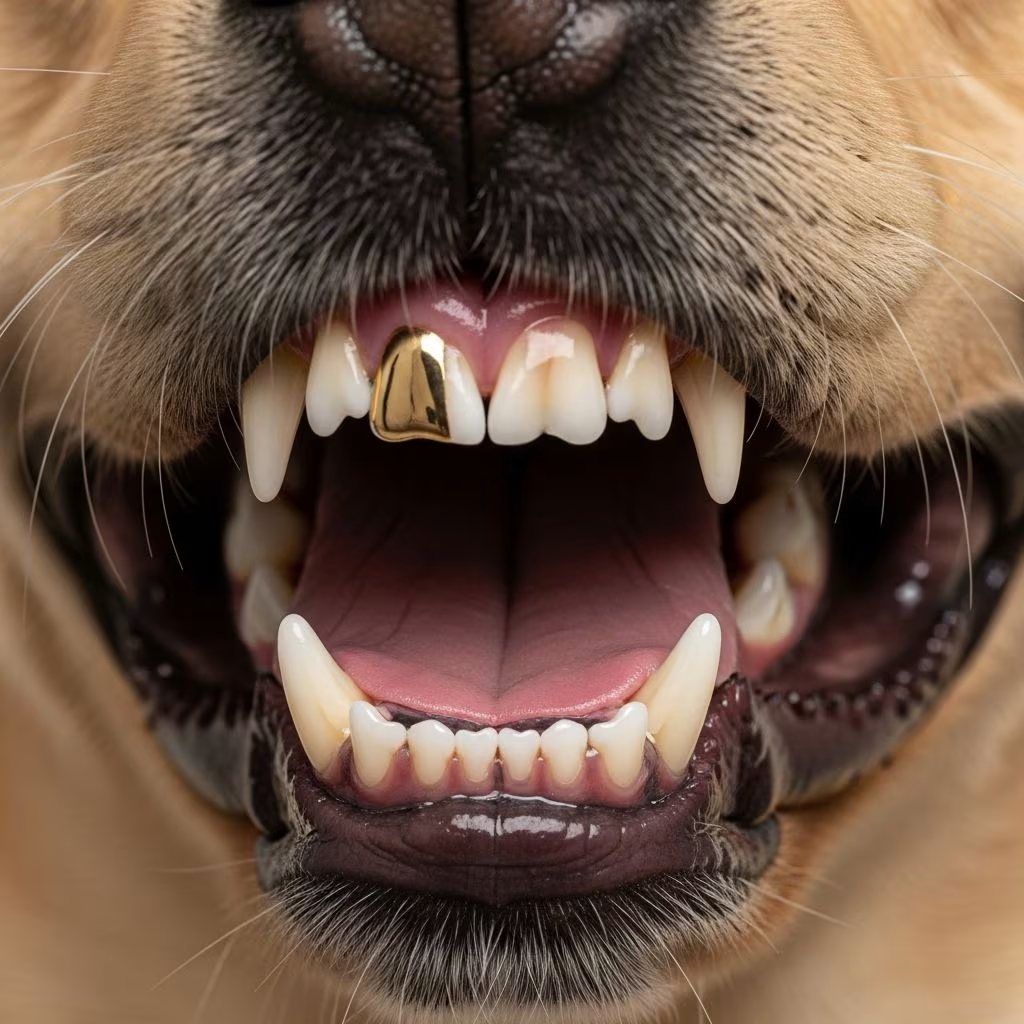
Crowning Teeth in Dogs: A Complete Guide to Dental Restoration
Dental health is a critical component of your dog’s overall wellbeing, yet it often receives less attention than other aspects of pet care. When a dog sustains a tooth fracture, develops severe decay, or requires root canal therapy, veterinarians may recommend a dental crown as part of the treatment plan. Understanding what dental crowns are, why they’re necessary, and what the procedure entails can help you make informed decisions about your dog’s oral health care.
What Is a Dental Crown?
A dental crown is a tooth-shaped prosthetic cap designed to cover a damaged, weakened, or treated tooth in dogs. Custom-fabricated to match the specific dimensions of your dog’s tooth, the crown encases the entire visible portion of the tooth to restore both its appearance and function. Crowns are typically made from durable materials such as metal alloys, ceramics, or composite resins, chosen based on the tooth’s location, your dog’s size, and specific dental needs.
Unlike temporary solutions, when properly placed by a board-certified veterinary dentist, dental crowns are considered permanent restorations. They are commonly used in both companion animals and working dogs, including police and military canines, with excellent long-term success rates.
Why Dogs Need Dental Crowns
Several circumstances may necessitate a dental crown for your dog. The most common reasons include:
- Post-Root Canal Protection: After endodontic therapy, the tooth becomes more brittle and vulnerable to fractures since the pulp—which provides natural hydration and nourishment—has been removed. A crown protects this weakened tooth from further damage.
- Tooth Fractures: Severe fractures that compromise the tooth’s structural integrity can be restored with crowns to maintain functionality.
- Preventative Coverage: Teeth with enamel defects, excessive wear, or other vulnerabilities that make them prone to breaking can receive crowns preventatively.
- Large Fillings: Teeth requiring extensive filling material may be supported and strengthened with a crown.
- Malformed Teeth: Teeth that are structurally abnormal can be reinforced and functionally improved with a crown.
Which Teeth Are Commonly Crowned?
Not all of your dog’s teeth are equally suitable for crowning. The canine teeth (the prominent fang teeth) are the most frequently crowned teeth in dogs. These teeth are critical for grasping food and play behavior, making them high-priority candidates for restoration.
The upper fourth premolars and lower first molars—known as the carnassial or primary chewing teeth—are also common recipients of crowns. These large, strategically important teeth bear significant force during mastication and are essential for your dog’s ability to chew and process food effectively. While other teeth can technically receive crowns, this is rarely performed in veterinary practice.
The Dental Crown Procedure: A Two-Stage Process
Placing a dental crown on a dog’s tooth is not a single-visit procedure. Instead, it requires two separate anesthetic sessions, each involving specific steps to ensure proper fit, function, and longevity.
First Procedure: Tooth Preparation and Impression
During the initial appointment, your veterinary dentist will conduct a thorough dental examination and take radiographs to assess the tooth’s condition and any underlying issues. If the tooth requires prior treatment—such as root canal therapy or removal of extensive decay—this is addressed first to ensure the tooth structure is sound and capable of supporting the crown.
Once the tooth is ready, the veterinarian carefully prepares it by removing a small amount of enamel from the surface. This preparation is essential to ensure the crown will fit precisely and function properly. A precise mold of the prepared tooth is then taken using specialized dental materials or digital scanning technology. This impression is sent to a dental laboratory where skilled technicians fabricate a custom metal, ceramic, or composite crown tailored specifically to your dog’s tooth.
If a temporary restoration is needed, your veterinarian may place a temporary crown to protect the prepared tooth during the waiting period.
Second Procedure: Crown Fitting and Cementation
Approximately two to three weeks after the first procedure, your dog returns for the final stage. During this second anesthetic appointment, the completed crown is fitted onto the prepared tooth. Your veterinarian ensures that the crown aligns perfectly with the surrounding teeth, maintains proper bite alignment, and fits comfortably.
Once the fit is confirmed to be satisfactory, the crown is permanently bonded to the tooth using specialized veterinary dental cement or adhesive. This cementation process secures the crown in place and provides the stability and longevity necessary for long-term function.
Benefits of Dental Crowns for Dogs
Dental crowns provide multiple important benefits that extend well beyond simple cosmetic improvement:
Protection Against Fracture
One of the most significant advantages of a crown is its protective function. After a root canal, the tooth loses its internal nourishment and becomes more susceptible to fractures, especially in dogs who engage in heavy chewing or object play. The crown acts as a protective shield, absorbing the forces of biting and chewing and preventing the weakened tooth from breaking.
Restoration of Function
Dogs rely on their teeth for eating, playing, and various daily activities. A tooth compromised by disease or treatment may not perform these functions effectively. By restoring the tooth’s structural integrity and strength, a crown allows your dog to chew and bite with confidence and comfort.
Prevention of Re-infection
A properly fitting and cemented crown creates a seal over the treated tooth, preventing bacterial contamination and eliminating the possibility of re-infection after root canal therapy.
Long-Term Durability
When properly placed and maintained, dental crowns are permanent restorations that can serve your dog for years, providing reliable protection and functionality.
Preservation of Tooth Structure
By covering and protecting the compromised tooth, crowns prevent further deterioration and potential tooth loss, allowing your dog to maintain a functional and healthy set of teeth.
Crown Materials: Choosing the Right Option
Dental crowns can be fabricated from various materials, each with distinct advantages:
| Material | Characteristics | Best For |
|---|---|---|
| Metal Alloys | Highly durable, excellent bite force resistance, silvery appearance | Working dogs, high-energy dogs, primary chewing teeth |
| Ceramics | Natural appearance, aesthetic appeal, good durability | Dogs where appearance is a concern, visible front teeth |
| Composite Resins | Tooth-colored, moderate durability, less expensive than other options | Minor restorations, cosmetic improvements |
Your veterinary dentist will recommend the most appropriate material based on the tooth’s location, the forces it must withstand, and your specific preferences.
Anesthesia and Safety Considerations
Both procedures require general anesthesia to ensure your dog remains completely still during the precise and delicate work involved. General anesthesia is essential because it prevents pain and stress, allows the veterinarian to perform thorough examinations of all oral structures, and enables detailed tooth preparation without discomfort to your dog.
Experienced veterinary dental teams monitor patients continuously throughout the procedure using modern anesthetic monitoring equipment to ensure safety and comfort. Before scheduling the procedure, your veterinarian will discuss your dog’s overall health, any pre-existing conditions, and perform pre-anesthetic blood work if necessary.
Post-Procedure Care and Maintenance
After your dog’s crown is placed, proper care is essential to ensure its longevity and continued effectiveness:
- Avoid Hard Objects: Prevent your dog from chewing on hard toys, bones, or treats that could damage the crown or cause discomfort.
- Modify Diet if Necessary: Your veterinarian may recommend temporarily softening food or providing a modified diet during the initial healing period.
- Regular Dental Checkups: Schedule regular dental examinations to ensure the crown remains secure and the underlying tooth stays healthy.
- Maintain Oral Hygiene: Continue with home dental care, including tooth brushing if your dog tolerates it, to maintain overall oral health.
- Monitor for Problems: Watch for signs of problems such as bad breath, swelling, pawing at the mouth, or difficulty eating, and contact your veterinarian if these occur.
Cost Considerations
Dental crown procedures represent a significant investment in your dog’s health. Costs vary based on factors such as the tooth type, whether root canal therapy is required beforehand, the crown material selected, and your geographic location. While the expense is considerable, many pet owners find the investment worthwhile given the long-term functionality, comfort, and quality of life benefits the crown provides for their dog.
Frequently Asked Questions About Dental Crowns in Dogs
Q: How long do dental crowns last in dogs?
A: When properly placed and maintained by a board-certified veterinary dentist, dental crowns are permanent restorations that can last for many years, often for the remainder of your dog’s life.
Q: Is the procedure painful for my dog?
A: No. Both procedures require general anesthesia, which ensures your dog feels no pain or discomfort during tooth preparation, impression taking, or crown placement.
Q: Can my dog eat normally with a crown?
A: Yes. Once the crown is fully healed and seated, it restores the tooth’s full functionality, allowing your dog to chew and eat normally. Your veterinarian may recommend avoiding extremely hard foods initially.
Q: What happens if the crown falls off?
A: While uncommon with properly placed crowns, if a crown becomes loose or falls off, contact your veterinarian immediately. The tooth will be vulnerable to damage and re-infection, and prompt professional attention is necessary.
Q: Are there alternatives to crowns?
A: Depending on the tooth’s condition, alternatives such as dental sealants for minor fractures or composite restorations for moderate damage may be options. However, for teeth requiring root canal therapy or extensive restoration, crowns are typically the most durable and effective solution.
Q: Will my dog’s bite be affected by a crown?
A: No. Your veterinary dentist carefully ensures that the crown fits perfectly and maintains proper bite alignment, so it should not affect your dog’s normal bite or jaw function.
Q: How long does the entire process take from start to finish?
A: The complete process typically takes three to four weeks, with the two anesthetic procedures occurring about two to three weeks apart.
Q: Are dental crowns suitable for all dog breeds and ages?
A: Dental crowns can be placed on dogs of various breeds and ages. However, your veterinarian will assess your dog’s overall health and suitability for anesthesia before recommending the procedure.
Conclusion
Dental crowns represent an important advancement in veterinary dentistry, offering dogs a way to preserve damaged or diseased teeth and maintain proper oral function. Whether your dog requires a crown after root canal therapy, to protect a fractured tooth, or to strengthen a vulnerable tooth, the procedure can significantly enhance your dog’s quality of life. By understanding what the procedure involves, why it may be recommended, and how to care for your dog’s crown afterward, you can make informed decisions about your dog’s dental health and ensure your beloved companion enjoys the benefits of a healthy, functional set of teeth for years to come. Working with a board-certified veterinary dentist ensures your dog receives the highest standard of care throughout the process.
References
- Dental Crowns for Dogs: What You Need to Know — Animal Dental Specialists. https://animaldentalspecialists.com/dental-crowns-for-dogs-what-you-need-to-know/
- Crown Placement in Veterinary Dentistry: Enhancing Oral Health — Veterinary Dentistry Wisconsin. https://vetdentistwi.com/crown-placement-in-veterinary-dentistry-enhancing-oral-health/
- Crown Restorations — Pet Dental Center. https://petdental.center/crown-restorations/
- Crowns — Veterinary Dental Specialties. https://www.vdspets.com/services/crowns/
- The Importance of Dental Crowns for Dogs — Your Pet Dentist. https://yourpetdentist.com/dental-crowns-for-dogs/
- Pet Prosthodontics & Restorative Dentistry — Ohio Veterinary Dentist. https://ohiovetdentist.com/prosthodontics-restorative/
- The Role of Prosthodontic Crowns: How Metal Caps Protect Damaged Teeth — North Bay Veterinary Dentist. https://northbayvetdentist.com/the-role-of-prosthodontic-crowns-how-metal-caps-protect-damaged-teeth/



