

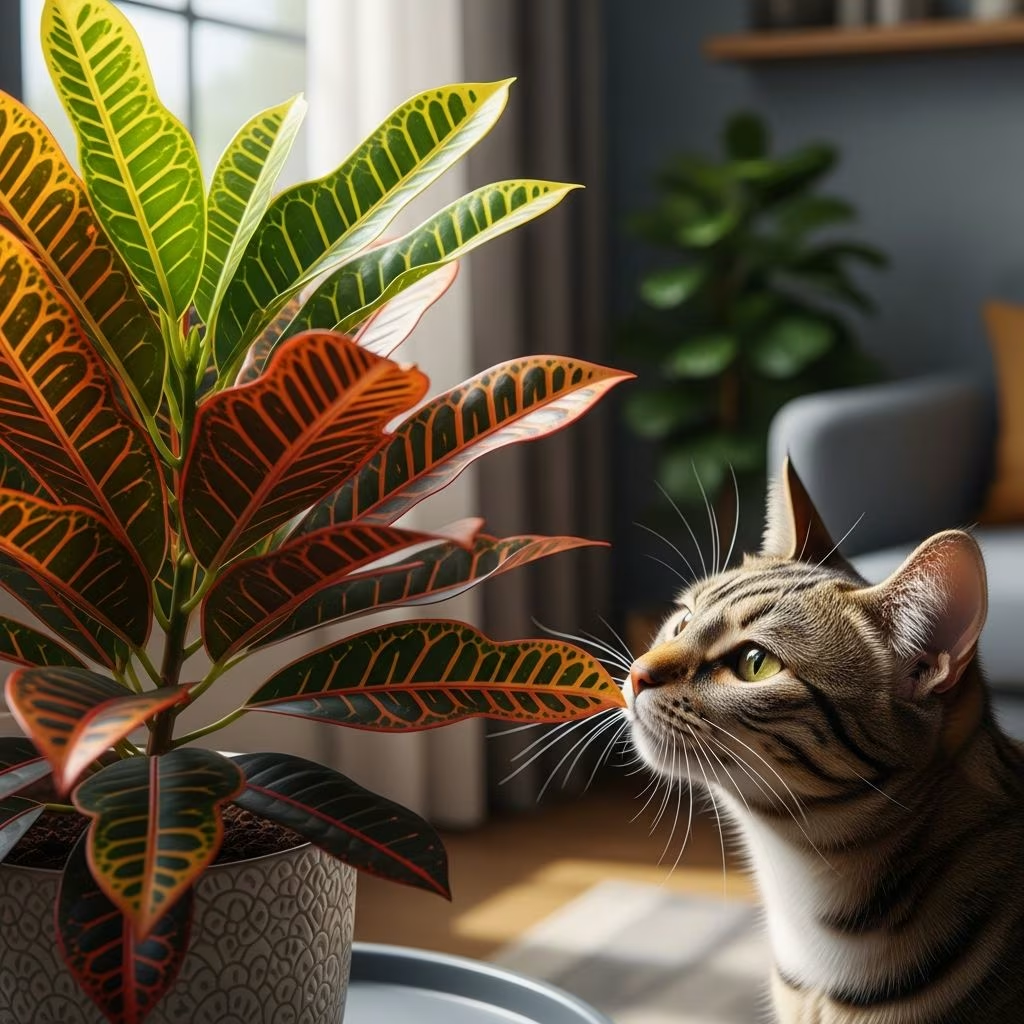
Many cat owners love decorating their homes with vibrant houseplants, but not all greenery is friendly to feline companions. Croton plants, known for their striking multicolored leaves, fall into the category of common indoor foliage that can spell trouble for cats. These tropical beauties contain natural compounds that irritate a cat’s digestive system and mouth upon ingestion. Understanding the risks associated with these plants is crucial for any pet parent aiming to create a safe living environment.
Understanding Croton Plants and Their Appeal
Croton, scientifically named Codiaeum variegatum, originates from tropical regions and thrives indoors with its eye-catching foliage in shades of red, yellow, green, and orange. Varieties like gold dust, evening embers, and Zanzibar gem add a splash of color to living spaces. However, their allure comes at a cost when cats are present. Every part of the plant—from leaves to stems and roots—harbors toxic substances that make it unsuitable for households with curious felines.
These toxins, primarily phorbol esters, trigger irritation by activating protein kinase C in the body. Cats, being natural explorers, often nibble on plants out of curiosity or boredom, leading to unintended exposure. While the plant’s bitter taste may deter some cats, others ignore the warning and chew anyway, resulting in health issues.
Why Crotons Are Toxic to Cats: The Science Behind It
The danger lies in the plant’s sap and cellular structure. When a cat bites into a croton leaf, it releases irritants that penetrate mouth tissues, causing immediate discomfort. This can escalate to gastrointestinal distress as the material moves through the digestive tract. Unlike dogs, cats are particularly sensitive due to their smaller size and unique metabolism as obligate carnivores, which isn’t equipped to handle plant matter efficiently.
- Key Toxic Components: Phorbol esters and calcium oxalate-like crystals that inflame soft tissues.
- Affected Areas: Mouth, throat, stomach, and intestines.
- Severity Level: Generally mild to moderate, but large quantities can lead to dehydration or secondary complications.
According to veterinary toxicology resources, even small amounts can provoke reactions, emphasizing the need for vigilance.
Recognizing Signs of Croton Poisoning in Cats
Spotting poisoning early can make all the difference. Cats may not show symptoms immediately, but watch for these common indicators within hours of exposure:
| Symptom | Description | Severity |
|---|---|---|
| Vomiting | Frequent expulsion of stomach contents, possibly with plant material | Common |
| Diarrhea | Loose, watery stools that may contain blood in severe cases | Common |
| Drooling | Excessive saliva due to mouth pain and irritation | Frequent |
| Lethargy | Unusual tiredness or reluctance to move | Moderate |
| Skin Irritation | Redness or paw licking if sap contacts skin | Mild |
| Breathing Changes | Rapid or labored breathing in rare severe instances | Rare |
If multiple symptoms appear, especially vomiting paired with lethargy, act swiftly. Note the time of suspected ingestion and any plant parts involved to aid your vet.
Immediate Steps: What to Do If Your Cat Ingests Croton
Panicking helps no one—stay composed to help your cat effectively. Follow this step-by-step protocol:
- Assess and Remove: Check your cat’s mouth and body for plant remnants. Gently wipe away any visible pieces with a damp cloth. Avoid forcing the mouth open to prevent bites.
- Prevent Further Access: Isolate the plant immediately, moving it out of reach or discarding it.
- Monitor Closely: Observe for symptoms over the next few hours. Offer water to keep hydrated, but do not induce vomiting without professional advice.
- Contact Professionals: Call your veterinarian or a pet poison hotline right away. Provide details like plant type, amount ingested, and symptom onset.
- Seek Veterinary Care: If symptoms worsen, transport your cat promptly. Bring a plant sample or photo for identification.
Treatment often involves anti-emetics, fluids for hydration, and activated charcoal to bind toxins. Most cases resolve with supportive care, but prompt intervention prevents escalation.
Preventing Plant-Related Mishaps in Cat Homes
Proactive measures keep both plants and pets safe. Start by auditing your home for toxic greenery using reliable databases.
- Elevate Plants: Suspend pots from ceilings or high shelves beyond jumping range. Acrobatic breeds like Abyssinians may still reach them, so test stability.
- Use Barriers: Enclose plants in heavy terrariums or pet-proof enclosures that resist tipping and scratching.
- Deter Curiosity: Apply pet-safe bitter sprays on leaves. Provide enrichment toys to redirect chewing instincts.
- Opt for Safe Greenery: Choose verified non-toxic options (detailed below).
- Train and Supervise: Use positive reinforcement to discourage plant interaction, especially for kittens.
Even non-toxic plants can cause mild upset since cats prefer meat-based diets. Vomiting after nibbling safe foliage is possible but usually self-limiting.
Safe Houseplant Alternatives for Cat Lovers
You don’t have to forgo indoor plants. Here are vet-approved, cat-friendly choices that add beauty without risk:
| Plant Name | Scientific Name | Benefits | Care Level |
|---|---|---|---|
| Spider Plant | Chlorophytum comosum | Air-purifying, dangling foliage that’s fun for cats to bat at | Easy |
| Duffii Fern | Nephrolepis cordifolia ‘Duffii’ | Compact, soft fronds safe for nibbling | Moderate |
| Parlor Palm | Chamaedorea elegans | Tall, elegant, and non-irritating | Easy |
| Boston Fern | Nephrolepis exaltata | Lush and humidity-loving, mimics natural hiding spots | Moderate |
| Cat Grass | Various wheat/oat varieties | Encourages healthy chewing and aids digestion | Very Easy |
These plants tolerate some feline attention and enhance your home’s ambiance safely.
Beyond Croton: Other Common Toxic Plants to Avoid
Croton isn’t alone. Familiarize yourself with these frequent offenders:
- Lilies: Highly dangerous; even pollen can cause kidney failure.
- Jade Plants: Succulents leading to vomiting and weakness.
- Philodendron: Calcium oxalate crystals cause oral pain.
- Ficus: Sap irritates skin and gut.
- Daffodils: All parts toxic, especially bulbs.
Consult ASPCA lists for comprehensive guidance before adding new plants.
Frequently Asked Questions (FAQs)
Are all croton varieties equally toxic to cats?
Yes, all varieties including gold dust and Zanzibar contain the same irritants, making them unsafe regardless of type.
Can a small nibble on croton harm my cat?
Even minor ingestion can cause drooling and vomiting. Monitor closely and contact a vet if concerned.
What if my cat shows no symptoms after chewing croton?
Some cats react mildly or not at all due to the plant’s bitterness, but latent effects are possible. Observe for 24 hours.
Is croton sap dangerous on skin?
Sap can irritate skin; wear gloves when handling and wash paws if cats contact it.
Can I keep croton if my cat ignores plants?
It’s risky—cats’ interests change. Prioritize safety by choosing alternatives.
Long-Term Strategies for a Pet-Safe Home
Maintaining harmony requires ongoing effort. Rotate safe plants seasonally, integrate vertical gardens, and foster a stimulating environment with scratching posts and puzzle feeders. Regular vet check-ups catch subtle health shifts early. Educate family members on risks to ensure collective vigilance.
For multi-pet homes, consider species-specific needs—dogs may tolerate some plants cats can’t. Invest in plant identification apps for quick checks on foraged greenery during outdoor time.
References
- Are Croton Plants Toxic to Cats? Our Vet-Approved Advice — Catster. 2023-10-15. https://www.catster.com/nutrition/are-croton-plants-toxic-to-cats/
- Croton Are Toxic To Pets — Pet Poison Helpline. 2024-05-20. https://www.petpoisonhelpline.com/poison/croton/
- Houseplants that are Toxic to Cats — Hill’s Pet Nutrition. 2023-11-08. https://www.hillspet.com/cat-care/routine-care/house-plants-toxic-to-cats
- Toxic Plants for Pets: Croton — ASPCA (via referenced data). 2024-01-12. https://www.aspca.org/pet-care/animal-poison-control/toxic-and-non-toxic-plants/croton
- Is My New Croton Okay Around Kitty? — Flower Shop Network. 2022-06-03. https://www.flowershopnetwork.com/blog/croton-toxic-cats/



