

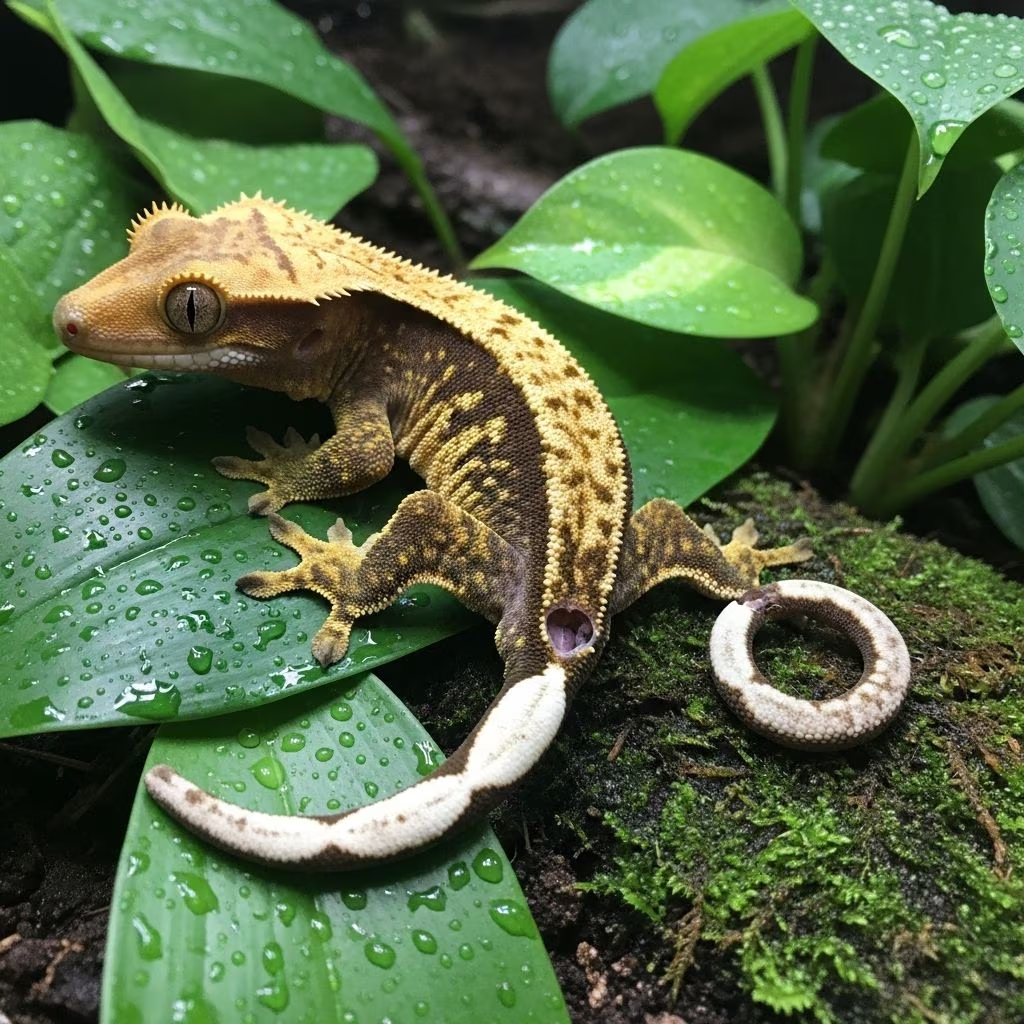
Crested Gecko Tail Fell Off: What You Need to Know
If you’ve recently noticed your crested gecko’s tail is missing, you’re likely experiencing a mix of concern and confusion. However, the good news is that tail loss in crested geckos is a completely normal and natural occurrence. Understanding why this happens, what it means for your pet, and how to care for your gecko afterward will help you navigate this situation with confidence.
Understanding Tail Dropping in Crested Geckos
Tail dropping, also known as caudal autotomy, is a fascinating defense mechanism that crested geckos have evolved over millions of years. When a crested gecko feels threatened or stressed, it can voluntarily detach its tail from its body as a survival strategy. This process is designed to distract predators in the wild by allowing the tail to continue wiggling and moving after separation, which diverts the predator’s attention away from the gecko’s body, allowing it to escape to safety.
Unlike many other gecko species, crested geckos have a unique characteristic: once they drop their tail, it will not grow back. Instead, a small nub or stub remains where the tail was previously attached. Owners of tailless crested geckos affectionately refer to them as “frog butts” due to their appearance after tail loss.
Common Causes of Tail Dropping
Understanding what triggers tail dropping can help you prevent it from happening to your gecko. Here are the most common causes:
Stress and Sudden Startling
The primary reason crested geckos drop their tails is in response to sudden stress or being startled. Loud noises, sudden movements, or feeling threatened can trigger an immediate tail drop response. This is an instinctive behavior designed to help the gecko escape danger in the wild.
Improper Handling
Grabbing or squeezing a crested gecko, particularly by the tail, is a common cause of tail loss. Even if you don’t intentionally grab the tail, accidentally pinching it when closing the terrarium door or handling the gecko roughly can trigger the drop response.
Housing Multiple Geckos Together
One of the most common reasons crested geckos lose their tails is when they are housed with other geckos, especially at a younger age. Young crested geckos may nip at each other’s tails during feeding or while exploring, which can cause one gecko to panic and drop its tail. Professional breeders typically house each crested gecko individually from hatching to prevent this occurrence.
Aggressive Breeding Conditions
During breeding season, crested geckos can become aggressive with one another, which may result in tail dropping. Hormonal changes can also cause personality shifts that lead to increased stress and defensive behaviors.
Environmental Disturbances
Extreme environmental factors such as thunderstorms, sudden loud noises, or significant changes in their habitat can startle a crested gecko enough to cause tail dropping.
Why Crested Gecko Tails Don’t Regrow
A key difference between crested geckos and many other gecko species is their inability to regenerate their tails. While leopard geckos and day geckos can regrow their tails (though they often look different in texture, color, and shape), crested geckos lack this regenerative ability. This is an important distinction for potential owners to understand before bringing a crested gecko home.
The lack of tail regeneration doesn’t appear to negatively impact the gecko’s quality of life, however. Crested geckos with missing tails quickly adapt to their new body structure and learn to balance and move effectively without their tail. They can still climb, grip branches, and function normally in their environment.
Immediate Care After Tail Loss
If your crested gecko drops its tail, here’s what you should do:
Stay Calm and Don’t Panic
Tail dropping is not a medical emergency, and there is no need to panic. Your gecko is not in critical condition, and the tail loss itself, while dramatic-looking, is not life-threatening.
Return Your Gecko to Its Enclosure
If your gecko is out of its enclosure when it drops its tail, gently return it to its home and let it be. Your gecko will be stressed and frightened after dropping its tail, so it needs time to calm down and recover in a safe, familiar environment.
Do Not Apply Medications or Creams
One of the most important things to remember is to avoid applying any antibiotics, antibiotic creams, or other topical treatments to the wound site. Many well-meaning owners instinctively want to treat the area, but these products can actually hinder the healing process. The tail loss site closes off within seconds of the drop, minimizing bleeding and the risk of infection. Wild geckos are not treated with antibiotics or placed in sterile environments, and captive geckos heal just fine without such interventions.
Minimal Bleeding is Normal
There may be a small amount of blood when the tail drops, but if the tail has completely detached and is not partially attached, bleeding should be minimal. A tiny amount of blood is not cause for concern.
Long-Term Care for Tailless Crested Geckos
Once your crested gecko has recovered from the initial shock of tail loss, there’s very little special care needed. Here’s what you should know about caring for a “frog butt” gecko:
No Special Hospital Setup Required
There’s no need to move your gecko into a sterile hospital enclosure or special setup. Simply keep your gecko in its regular habitat where it feels comfortable and secure. A normal, well-maintained enclosure is perfectly adequate.
Healing Timeline
The area where the tail dropped will completely close and form a nub or small stub within a matter of weeks. During this healing period, continue providing your gecko with normal care, proper humidity, temperature, and nutrition.
Behavioral Adjustments
After losing its tail, your crested gecko may exhibit flighty, nervous, or defensive behavior for a period of time. This is completely normal and should diminish as your gecko recovers and feels more secure. Give your gecko extra time to adjust before handling it excessively.
Adaptation and Quality of Life
Tailless crested geckos adapt remarkably well to their new body structure. They continue to climb, balance, and function normally despite the absence of their tail. Crested geckos without tails can live full, healthy lives and should not experience any reduction in lifespan or overall health due to tail loss.
Preventing Tail Loss in Crested Geckos
While tail loss isn’t dangerous or emergency-level, it’s still ideal to prevent it from occurring. Here are practical prevention strategies:
House Geckos Individually
The most effective prevention method is to house each crested gecko in its own enclosure, especially when young. This eliminates the risk of tail nipping from cage mates and reduces stress-related tail drops caused by social conflict.
Handle With Care
Always support your crested gecko’s body properly and never grab it by the tail. If you must handle your gecko, do so gently and support its full body weight. Be careful not to pinch the tail when closing enclosure doors or lids.
Minimize Stress and Loud Noises
Keep your gecko’s environment calm and quiet. Avoid sudden loud noises, rapid movements, or startling interactions. If you have young children or pets, supervise their interactions with the enclosure to prevent accidental scaring.
Maintain Proper Environmental Conditions
Ensure your crested gecko’s enclosure maintains appropriate temperature, humidity, and lighting. A comfortable, stable environment reduces overall stress levels and is less likely to trigger defensive behaviors.
Avoid Overcrowding
Never house multiple crested geckos together unless absolutely necessary for breeding purposes, and monitor breeding situations closely. The risk of tail loss and injury increases significantly when multiple geckos share an enclosure.
Frequently Asked Questions
Q: Will my crested gecko’s tail grow back?
A: No, crested gecko tails do not regrow once dropped. Unlike some other gecko species like leopard geckos, crested geckos will only develop a small nub or stub at the base. They will remain without their full tail for life.
Q: Is tail loss a medical emergency?
A: No, tail loss in crested geckos is not a medical emergency. It’s a natural defense mechanism, and the wound closes quickly with minimal bleeding. Normal care is all that’s required for recovery.
Q: Should I apply antibiotic cream to the tail loss wound?
A: No, you should not apply any antibiotics, creams, or topical treatments to the wound. These can actually hinder the healing process. The wound closes automatically within seconds and heals naturally without intervention.
Q: Can a crested gecko live without a tail?
A: Yes, crested geckos live full, healthy lives without their tails. They adapt quickly to the change and can climb, grip, and function normally. Tailless crested geckos have the same lifespan and quality of life as those with tails.
Q: Why is my crested gecko called a “frog butt”?
A: This affectionate term refers to the appearance of a tailless crested gecko. Without the prehensile tail, the rear end of the gecko resembles a frog’s body, leading to this playful nickname.
Q: Can I prevent my crested gecko from dropping its tail?
A: You can reduce the risk by housing geckos individually, handling them gently, avoiding grabbing the tail, minimizing loud noises and sudden scares, and maintaining a calm environment. However, tail dropping is an instinctive behavior that may occur despite your best efforts.
Q: How long does it take for the tail loss wound to heal?
A: The wound closes within seconds of the tail drop. The area will completely heal and form a nub or stub within a matter of weeks. Your gecko should resume normal behavior within a few days to a week.
References
- Crested Gecko Health – Tail Loss — ReptiFiles. https://reptifiles.com/crested-gecko-care/sick-crested-gecko/crested-gecko-tail-loss/
- How to prevent your Crested Gecko from dropping its tail — Gecko Tips Tuesday. YouTube. https://www.youtube.com/watch?v=JWCjc7Jxqxc
- What To Do If Your Gecko Drops Their Tail — Zen Habitats. https://www.zenhabitats.com/blogs/reptile-care-sheets-resources/what-to-do-if-your-gecko-drops-their-tail-zen-habitats
- How to Prevent a Crested Gecko from Losing Its Tail — Reptile Care Guide. YouTube. https://www.youtube.com/watch?v=o70Clkbvn8c



