

Crested Gecko Care Sheet: Everything You Need to Know
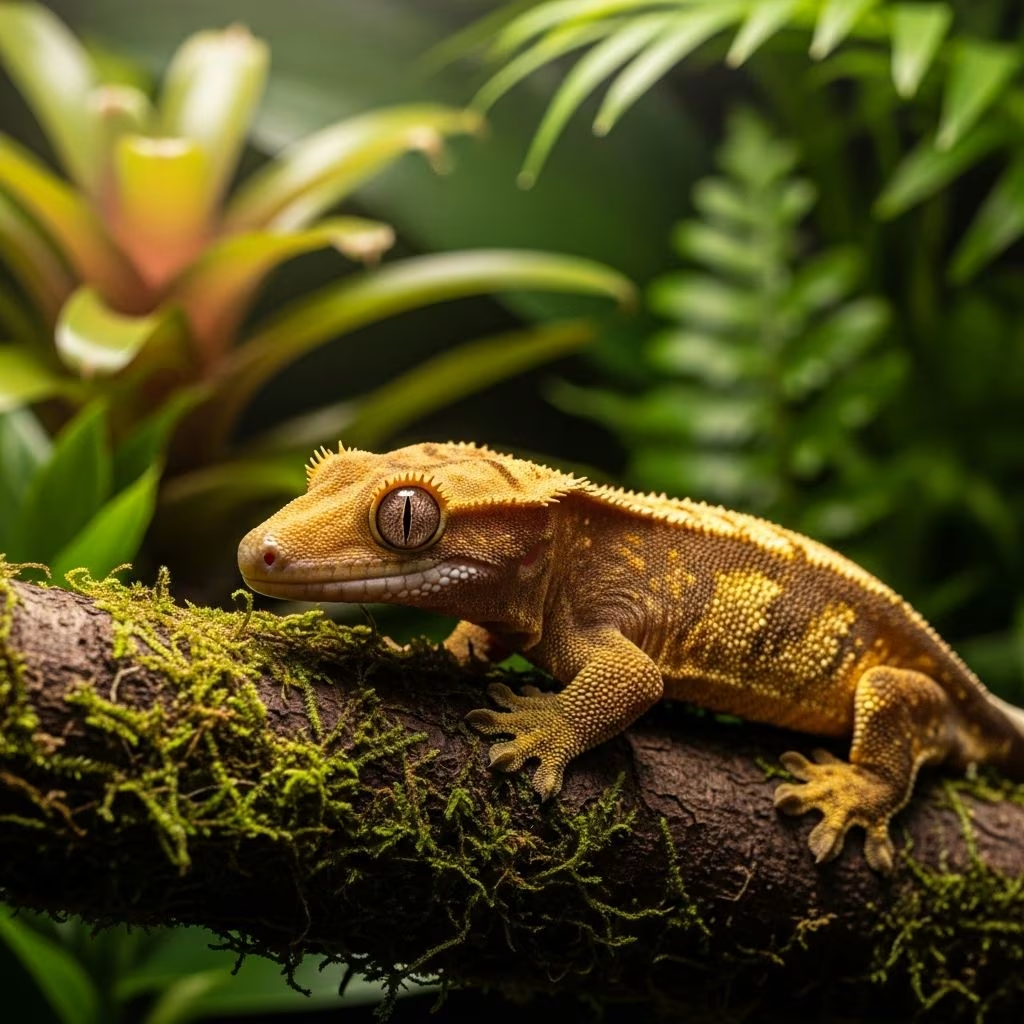
Crested geckos are popular pet reptiles known for their docile nature and relatively straightforward care requirements. These fascinating creatures, native to New Caledonia, have become favorites among both novice and experienced reptile enthusiasts. With the right setup, nutrition, and care routine, your crested gecko can thrive and live a long, healthy life in captivity. This comprehensive care sheet covers all essential aspects of crested gecko husbandry, from selecting appropriate housing to maintaining optimal environmental conditions.
Crested Gecko Supply Checklist
Before bringing your crested gecko home, ensure you have all necessary supplies to create a proper living environment. Having these items on hand will help you establish a comfortable habitat from day one:
- Appropriately sized enclosure or habitat
- Commercial crested gecko food (powder formula)
- Substrate (bedding material)
- Sphagnum moss
- Food and water dishes
- Hideaway structures
- Climbing decor and branches
- Live or artificial plants
- Heat lamp and fixtures (if needed)
- Vitamin supplement (calcium with vitamin D)
- Multivitamin supplement
- Thermometer
- Hygrometer (humidity gauge)
Habitat Setup and Housing
Enclosure Size and Type
Proper housing is fundamental to your crested gecko’s well-being. For juvenile crested geckos, a 16-quart plastic bin works well, allowing for easy monitoring and maintenance. As your gecko matures, upgrade to a 10-gallon enclosure or a 12″ x 12″ x 18″ terrarium, such as an Exo Terra setup. These vertical enclosures are ideal since crested geckos are arboreal creatures that enjoy climbing. If you’re experienced with bioactive enclosures, creating a mini-ecosystem can significantly reduce maintenance while providing a naturalistic environment for your pet.
Temperature Requirements
Crested geckos prefer cooler temperatures compared to many other reptiles, thriving best at approximately 72-75°F. Unlike many reptile species, external heating is typically not necessary if your home maintains comfortable room temperature. However, if your residence gets particularly cold, you can use a low-wattage ceramic heat emitter connected to a thermostat to maintain appropriate warmth. Be cautious, as excessive heat can dry out the enclosure and compromise humidity levels, which these geckos depend on for health.
Humidity and Moisture Management
Maintaining proper humidity is critical for crested gecko health. These geckos require humidity levels between 60-80%, with brief spikes up to 80-90% being acceptable. Daily misting for 10-15 seconds helps maintain these humidity levels, and the enclosure should have a natural dry-out period before the next misting to prevent excessive moisture and mold growth. Fresh water should always be available in a shallow dish large enough for your gecko to soak in if desired. Place water dishes on the cooler end of the habitat to prevent rapid evaporation, which could elevate humidity to unhealthy levels.
To further support humidity and encourage healthy shedding, provide a humid hide—a hideout box packed with moistened sphagnum moss or damp paper towels. Check and replace this material regularly to prevent mold formation.
Substrate and Enclosure Lining
The substrate you choose plays an important role in maintaining humidity and preventing health issues. Select moisture-retaining materials such as coconut fiber, dampened sphagnum moss, recycled paper-based pelleted bedding, or reptile carpet. Moistened cypress mulch is another option but requires frequent monitoring to prevent mold development if left constantly wet.
Avoid substrates that pose impaction risks, including gravel, wood chips, shavings, and walnut shells, as these indigestible materials can cause fatal gastrointestinal obstructions if accidentally consumed. Paper towels are acceptable for cleaning purposes and frequent replacement scenarios, particularly for new keepers. If you prefer a more natural setup, a bioactive enclosure with live plants and microfauna creates a self-sustaining ecosystem that simplifies maintenance while providing enrichment.
Enclosure Decorations and Enrichment
Crested geckos are naturally secretive creatures that feel most secure with adequate coverage and climbing opportunities. Fill your enclosure with branches, foliage, bushes, and multiple hiding places positioned at various heights—top, bottom, and sides of the habitat. These arboreal geckos need numerous areas to climb, rest, and hide, which reduces stress and promotes natural behaviors. While providing substantial coverage is important, maintain some open space to allow movement and observation.
Include both live and artificial plants to enhance the habitat’s appearance and functionality. Living plants help regulate humidity and provide additional climbing surfaces, while artificial plants offer durability and low maintenance. Ensure all decorations are securely positioned to prevent falls and injuries.
Feeding and Nutrition
Diet Overview
Crested geckos are omnivorous creatures with a diet consisting primarily of fruit supplemented by occasional insects. In captivity, their primary nutrition comes from commercial crested gecko diet (CGD), which should be given daily. This specialized food comes in powder form and should be mixed with water immediately before feeding to create a smoothie-like consistency. Commercial diets from reputable brands like Pangea or Repashy provide complete nutrition when fed consistently.
Commercial Food Preparation and Feeding
Mix your crested gecko’s powdered food with water according to package instructions. The prepared mixture can be refrigerated for up to one week, making meal preparation convenient. Feed your gecko every other day with this commercial diet as the nutritional foundation. Place food in shallow dishes that are easy for your gecko to access and can be thoroughly cleaned daily. Remove uneaten food after 24 hours to maintain habitat cleanliness and prevent spoilage.
Live Insects and Supplementation
While not strictly necessary for survival, live insects provide valuable enrichment and additional nutrition. Younger crested geckos particularly enjoy hunting live prey such as crickets or dubia roaches once or twice weekly. All live insects must be gut-loaded with nutritious diet prior to feeding and dusted with calcium supplement containing vitamin D before offering to your gecko.
To dust insects properly, place them in a bag or disposable container with powdered supplement and shake gently until evenly coated. Once or twice weekly, insects should also be dusted with a multivitamin and mineral powder formulated for reptiles to ensure balanced nutrition. However, remember that an insect-only diet is insufficient and can lead to nutritional deficiencies.
Water and Hydration
Crested geckos obtain much of their hydration by licking water droplets from leaves and surfaces. Use an automatic or hand mister to provide daily hydration by misting the enclosure, which also helps maintain humidity levels. Always keep fresh, clean water available in a shallow water dish, replacing it daily. Ensure water dishes are cleaned and disinfected daily to prevent bacterial growth and contamination.
Health and Maintenance
Shedding and Skin Care
Juvenile crested geckos shed their skin in one complete piece every one to two weeks, while adults shed approximately once monthly. Before shedding, a gecko’s skin will appear dull or pale. To support healthy shedding, provide access to a humid hide filled with moistened sphagnum moss. Check and replace this moss regularly to prevent mold growth. Crested geckos naturally consume their shed skin to regain nutrients, so don’t be concerned if you observe this behavior.
Daily and Weekly Cleaning
Maintain habitat cleanliness through consistent cleaning routines. Spot-clean daily by removing soiled substrate and uneaten food. Food and water dishes must be washed and disinfected every single day to prevent bacterial contamination. A full enclosure disinfection should occur at least weekly, or more frequently if multiple geckos share the habitat.
Deep Cleaning Process
To properly clean your crested gecko’s habitat, follow these steps:
- Move your gecko to a secure, temporary environment
- Remove all decor, accessories, and substrate from the habitat
- Scrub the empty tank and furnishings with reptile habitat cleaner or 3% bleach solution, allowing bleach to sit for at least 10 minutes
- Thoroughly rinse all items with water to remove any cleaning agent residue or bleach smell
- Allow the habitat and accessories to dry completely
- Place fresh substrate and clean accessories in the habitat
- Return your gecko to the clean environment
For bioactive enclosures, complete substrate changes are necessary every 2-3 months, though a fully functioning bioactive system requires less frequent substrate replacement than traditional setups. Always wash your hands before and after handling your gecko or its habitat contents.
Special Considerations for New Geckos
When you first bring your crested gecko home, allow an adjustment period of 1-2 weeks. During this time, minimize handling and interaction to reduce stress as the gecko acclimate to its new environment. Let your gecko explore the enclosure, locate food, and become comfortable before regular interaction begins. After this initial period, gradually spend time around the enclosure and proceed with gentle handling as the gecko becomes more confident and trusting.
Frequently Asked Questions
Q: How often should I feed my crested gecko?
A: Feed commercial crested gecko diet daily. Live insects can be offered once or twice weekly as a supplement but should not replace the primary diet.
Q: What humidity level is best for crested geckos?
A: Maintain humidity between 60-80%, with spikes up to 80-90% being acceptable. Mist the enclosure once daily for 10-15 seconds and allow a dry-out period before the next misting.
Q: Do crested geckos need heat lamps?
A: External heating is typically not necessary if your home maintains temperatures around 72-75°F. Use a low-wattage ceramic heat emitter on a thermostat only if your home gets particularly cold.
Q: How large should the enclosure be?
A: Start juveniles in 16-quart plastic bins or small enclosures and upgrade to 10-gallon tanks or 12″ x 12″ x 18″ vertical terrariums as they mature. Vertical enclosures are preferred for arboreal geckos.
Q: What substrate is safe for crested geckos?
A: Use moisture-retaining substrates like coconut fiber, sphagnum moss, or paper-based pelleted bedding. Avoid gravel, wood chips, and walnut shells due to impaction risks.
Q: How often should I handle my crested gecko?
A: Allow 1-2 weeks of adjustment before handling. Once acclimated, gentle handling is acceptable, but crested geckos are generally content with minimal interaction and do best with observation rather than frequent handling.
Q: Do I need live plants in the enclosure?
A: While not mandatory, live plants provide benefits including humidity regulation, natural climbing surfaces, and enrichment. Artificial plants are acceptable alternatives requiring less maintenance.
Q: What signs indicate my gecko is healthy?
A: Healthy crested geckos display clear eyes, smooth skin (between sheds), regular feeding habits, and active nighttime behavior. They should move smoothly and maintain appropriate body weight without visible ribs or spine.
References
- Crested Gecko Care Sheet — PetMD. 2024. https://www.petmd.com/reptile/crested-gecko-care-sheet
- Crested Gecko Care Guide — MorphMarket Reptile Community. 2024. https://community.morphmarket.com/t/crested-gecko-care-guide/39836
- A Complete Crested Gecko Care Guide – 2024 — Kams Reptiles. 2024. https://www.kamsreptiles.com/blog/blog-post-title-four-7whzf-mwkjj
- Crested Gecko Care — Pangea Reptile LLC. 2024. https://www.pangeareptile.com/blogs/blog/crested-gecko-care
- The Ultimate Guide to Crested Gecko Care — ReptiFiles. 2024. https://reptifiles.com/crested-gecko-care/



