

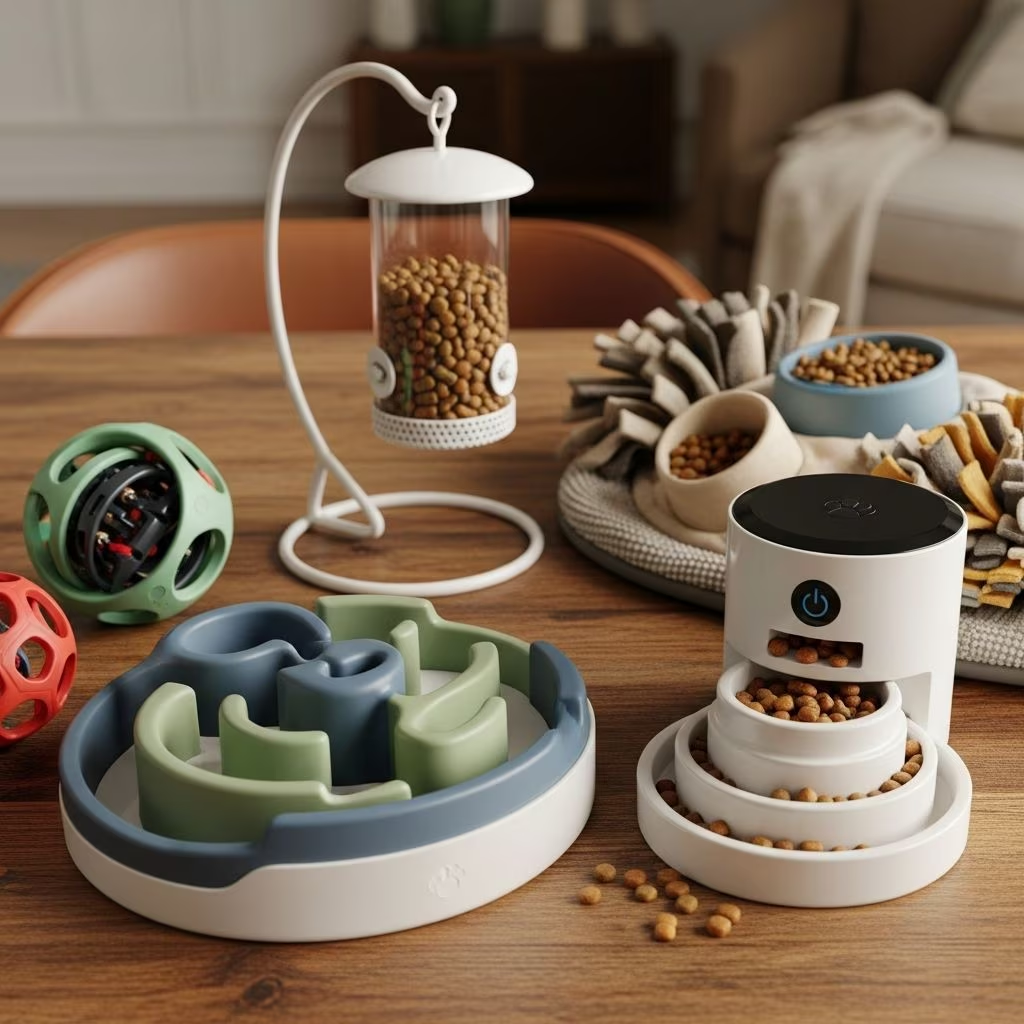
Feeding your dog goes far beyond simply placing kibble in a bowl. Traditional bowls often lead to rapid consumption, which can cause digestive issues like bloating or regurgitation, especially in speed eaters. By switching to interactive options, you can transform mealtime into an enriching experience that combines physical activity with cognitive challenges. These methods encourage natural foraging behaviors, extend eating time, and strengthen the bond between you and your pet.
Why Ditch the Standard Bowl?
Conventional dog bowls allow pets to gulp food in seconds, offering little engagement. This not only risks health problems but also misses opportunities for mental exercise. Dogs, like their wild ancestors, thrive on problem-solving during meals. Replacing bowls with dynamic feeders promotes slower eating—potentially stretching meals from under a minute to 10 or more—while providing essential brain games. Veterinary experts note that such stimulation reduces boredom-related behaviors like excessive barking or chewing.
Popular Interactive Toys for Daily Meals
Interactive toys hold a dog’s entire daily ration, turning feeding into play. These durable items are designed for repeated use and easy cleaning.
- Bouncy Stuffing Toys: Hollow rubber cones with wide bases and narrow tops are ideal for packing with wet food, peanut butter, or kibble. They bounce unpredictably, extending the challenge as dogs chase and extract treats.
- Wobbling Dispensers: Weighted bases keep these toys upright until nudged, then they tip and roll, releasing food sporadically. This unpredictability keeps dogs engaged longer than static bowls.
These toys suit various chew strengths, with tougher versions for power chewers. Fill them ahead for convenience, freeze for longer-lasting puzzles, and watch your dog develop new skills over time.
Slow Feeder Designs to Pace Meals
Slow feeders feature built-in obstacles that force dogs to work for each bite, mimicking hunting. They reduce gulping risks and make meals last.
| Type | Features | Benefits |
|---|---|---|
| Maze-Style Plastic | Ridges and barriers in varying depths | Prevents slipping, encourages nosing technique |
| Stainless Steel Elevators | Raised platforms with dividers | Improves posture, aids digestion |
| Ceramic Puzzle Inserts | Interlocking humps and valleys | Non-toxic, stylish for home use |
Start with simpler designs for puppies or novices, progressing to complex mazes. Many include non-skid bottoms for safety on slick floors.
DIY Projects for Budget-Friendly Fun
Household items can create custom feeders at no extra cost, fostering creativity and tailoring difficulty to your dog’s needs.
Muffin Tin Challenges
Fill a standard muffin tin’s cups with kibble or treats, then top each with a tennis ball or toy. Dogs paw or nose them aside to access food. For variety, invert the tin and scatter kibble around the domes—pushing it along reveals bites gradually. Supervise initially to prevent frustration.
Cardboard Box Explorers
Select a box sized to your dog’s frame. Sprinkle food inside, fold flaps loosely without tape, and let them rip or nudge it open. For easier access, snip side holes; food tumbles out as they play. Recycle weekly for freshness.
Jar and Tube Rollers
Take a wide-mouth plastic jar, drill kibble-sized holes in the lid. Insert empty paper towel tubes inside, fill with dry food, and seal. Rolling dispenses treats randomly, promoting paw and nose use. Adjust hole sizes for flow control.
These hacks use recyclables, teaching resourcefulness while saving money. Rotate options to maintain interest.
Advanced Puzzle Systems for Expert Foragers
For high-energy or intelligent breeds, multi-step puzzles build on basics. Layer foods in sequence or combine toys for epic sessions.
- Combine a wobbler with box play: Dispense into a larger container for double challenge.
- Frozen medleys in stuffing toys: Mix yogurt, veggies, and kibble for hours of licking.
Monitor progress; reward persistence to build confidence. These keep even seasoned dogs mentally sharp.
Health and Safety Guidelines
Introduce new feeders gradually to avoid stress. Wash thoroughly after use to prevent bacteria. Choose BPA-free, chew-proof materials. Consult vets for dogs with dental issues or megaesophagus, as some designs may not suit all.
Portion control remains key—use these for full meals to maximize benefits. Track eating time improvements and behavior changes.
Choosing the Right Option for Your Dog
Match feeders to size, age, and temperament. Small breeds favor compact puzzles; large ones need sturdy, spacious ones. Puppies start simple; seniors appreciate elevated, gentle-access designs.
- Breed Considerations: Herders like Border Collies excel at complex mazes; hounds prefer scent-based rollers.
- Material Picks: Rubber for chewers, plastic for light users, metal for hygiene.
Frequently Asked Questions
Will my dog adapt to these feeders?
Most do within days. Lure with high-value treats initially, then transition full meals.
Are they safe for all ages?
Yes, with supervision. Select age-appropriate difficulty and inspect for wear.
Can I use them for wet food?
Absolutely—freeze for stickiness, aiding extraction.
How often should I clean them?
Daily with hot soapy water; dishwasher-safe for many.
Do they help with weight management?
By slowing intake, they enhance satiety, reducing begging.
Real-World Success Stories
Owners report calmer dogs post-meal, fewer tummy troubles, and joyful routines. One transformed a gulper Lab into a thoughtful eater via wobblers; another curbed a bored Beagle’s destructiveness with DIY boxes.
Incorporate these into your routine for a healthier, happier companion. Experiment to find favorites—your dog will thank you with wagging tails and bright eyes.
References
- American Kennel Club: Enrichment for Dogs — AKC. 2024-05-15. https://www.akc.org/expert-advice/training/mental-stimulation-dogs/
- Journal of Veterinary Behavior: Effects of Puzzle Feeders on Canine Welfare — Elsevier. 2023-08-10. https://doi.org/10.1016/j.jveb.2023.07.002
- ASPCA: Feeding Tips for Speed Eaters — ASPCA. 2025-02-20. https://www.aspca.org/pet-care/dog-care/dog-nutrition-tips
- Pet Food Institute: Interactive Feeding Guidelines — PFI. 2024-11-01. https://www.petfoodinstitute.org/interactive-feeding
- USDA Animal Welfare Guidelines for Enrichment — USDA. 2022-03-14. https://www.aphis.usda.gov/animal_welfare/downloads/blue-book-updated-2022.pdf



